

Pheidole rugulosa
- Scientific Name
- Pheidole rugulosa
- Tribe
- Attini
- Subfamily
- Myrmicinae
- Author
- Gregg, 1959
- Distribution
- Found in 2 countries
Pheidole rugulosa Overview
Pheidole rugulosa is an ant species of the genus Pheidole. It is primarily documented in 2 countries , including Mexico, United States of America. Detailed taxonomic data and occurrence records can be further explored via authoritative databases such as AntWeb or the Global Biodiversity Information Facility (GBIF).
Pheidole rugulosa
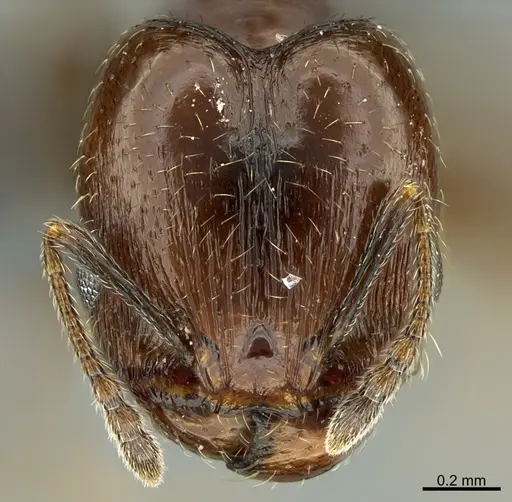
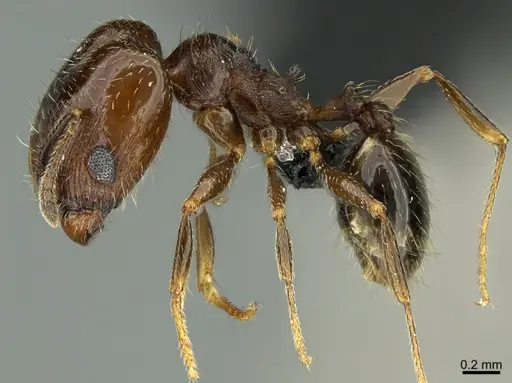
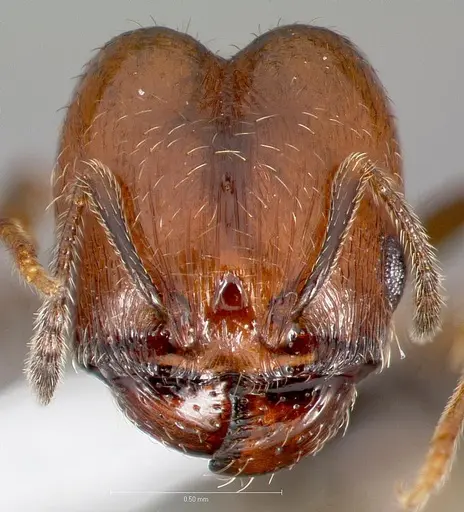
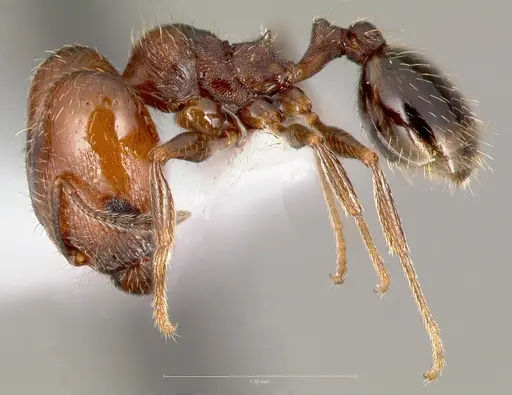
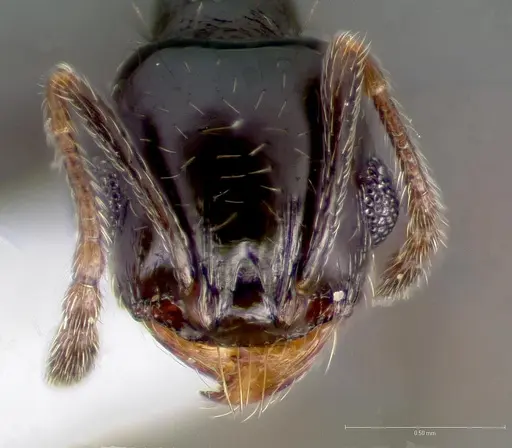
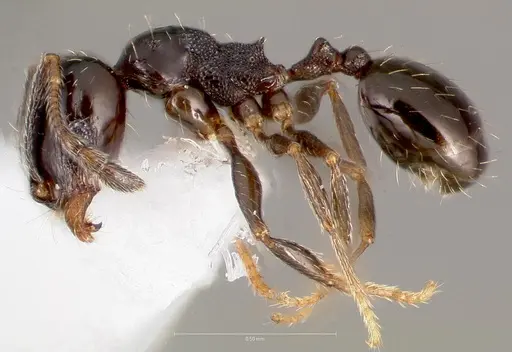
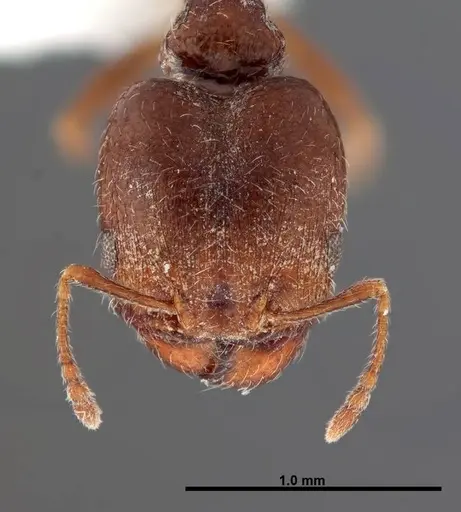
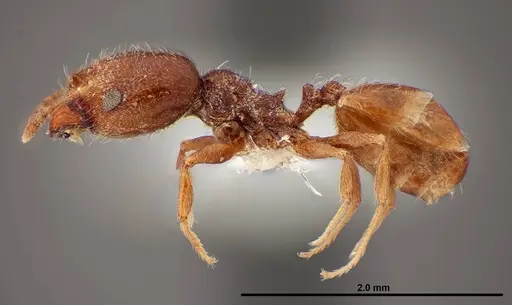
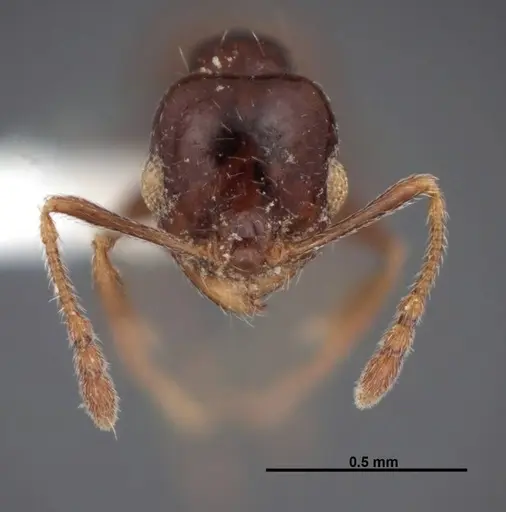
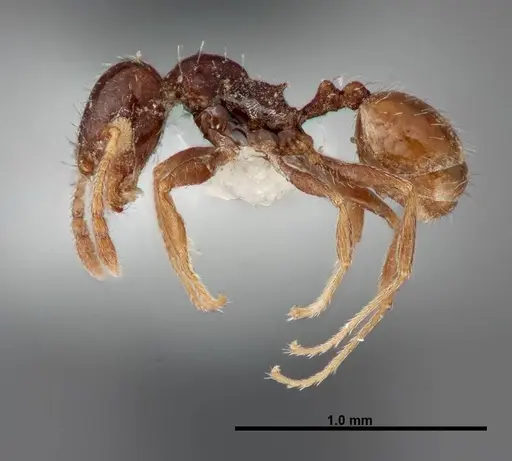
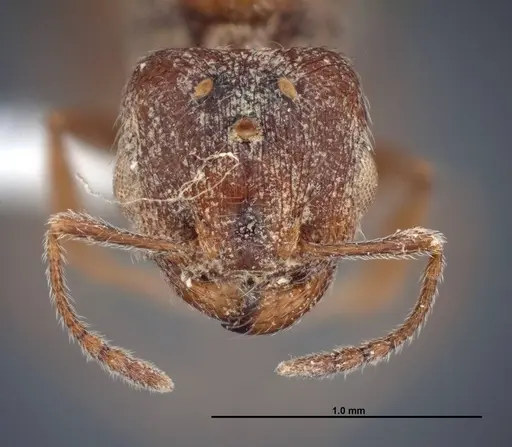
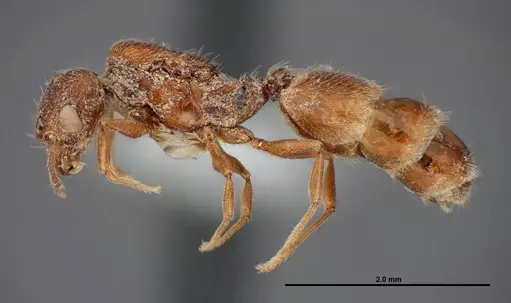
Pheidole rugulosa is a small seed-harvester ant native to the deserts of the American Southwest. The majors (soldier caste) reach about 2.5mm total length with a distinctive reddish-brown color, while minors are darker at 2.4mm. The species gets its name from the wrinkled (rugulose) appearance on the back of the head. This ant belongs to the pilifera group and is distinguished by its well-developed humeral angles and large shiny areas on the posterior dorsal surface of the head. Colonies are polygynous (multiple queens), unusual for Pheidole, and can contain several hundred workers. They nest in open desert soil, creating distinctive crater-shaped entrances surrounded by crescentic or full mounds of excavated soil [1].
Quick Summary
- Difficulty: Easy
- Origin & Habitat: Native to the Nearctic region, found throughout Texas, New Mexico, Arizona, and into northern Mexico. Inhabits xeric (dry) desert habitats at elevations of 1300-1700m, including grazed grassland desert, rabbitbrush-mesquite desert, mesquite-acacia wash, and riverbank desert scrub [1][2].
- Colony Type: Polygynous (multi-queen) colonies, at least sometimes, which is unusual for Pheidole. Colonies can have several hundred workers. Polydomous, they nest in multiple connected locations [1][2].
- Colony: Optionally polygyne
- Founding: Claustral
- Size & Growth:
- Queen: 4.67mm
- Worker: Minors 2.42mm, majors 3.62mm
- Colony: Several hundred workers [1]
- Growth: Moderate
- Development: 6-8 weeks (estimated based on typical Pheidole development) (Development time is estimated from typical Pheidole genus patterns, specific timing for this species has not been documented)
- Antkeeping:
- Temperature: Keep at room temperature (20-24°C). As a desert species from the American Southwest, they tolerate warmer conditions. A gentle gradient from 22-26°C is ideal [3].
- Humidity: Low to moderate. These are desert ants, keep the nest substrate dry to slightly moist but never wet. Allow areas to dry out between waterings. Think desert conditions, not rainforest.
- Diapause: Yes. As a temperate/desert species from northern latitudes, they require a winter hibernation period. Keep at 10-15°C for 2-3 months during winter.
- Nesting: Test tubes work well for founding colonies. For established colonies, a Y-tong (AAC) or plaster nest suits them well. They prefer tight chambers scaled to their small size. Provide some dry substrate areas as they naturally nest in exposed soil [3].
- Behavior: Generally peaceful and not aggressive toward keepers. Like most Pheidole, they have major workers (soldiers) with enlarged heads that defend the colony. They are seed harvesters and omnivores, they collect seeds and also forage for protein. They use trunk trails for foraging, which means they establish defined paths to food sources [4]. Escape risk is moderate, they're small but not tiny, so standard barriers work well. They are active foragers with good recruitment, so you'll see workers responding to food quickly.
- Common Issues: polydomous colonies can be tricky to contain, they may establish secondary nests in the outworld if given the chance, desert species are sensitive to overwatering, too much humidity kills them, majors can get stuck in water barriers, use appropriate escape prevention, seed-harvesting behavior means they may ignore liquid sugar water initially, offer seeds and protein alongside, colonies may be slow to establish compared to tropical species, patience is needed during founding
Housing and Nest Setup
Pheidole rugulosa does well in standard test tube setups for founding colonies. Use a test tube with a water reservoir at one end, plugged with cotton, the ants will naturally cluster in the humid end. For larger colonies, a Y-tong (acrylic) or plaster nest works well. These ants are small (minors around 2.4mm, majors up to 3.6mm), so ensure your setup has appropriately sized chambers and connections. They naturally nest in exposed soil in the wild, so a naturalistic setup with a dry soil layer on top of an acrylic nest can mimic their natural environment. Because they are polygynous and polydomous, they may accept multiple queens in the founding stage, this is unusual for Pheidole and can speed up colony growth. [2][1]
Feeding and Diet
As seed harvesters, these ants primarily collect and store seeds. In captivity, offer a mix of grass seeds, millet, and other small seeds. They also need protein, offer small insects like fruit flies, pinhead crickets, or mealworms. Sugar sources are accepted but not their primary food, offer occasional honey water or sugar water but don't rely on it. Pheidole majors can crack larger seeds, so variety is good. Feed seeds constantly available, and protein 2-3 times per week. Remove uneaten seeds to prevent mold. They use trunk trails for foraging, so place food along established paths to encourage recruitment [4][3].
Temperature and Seasonal Care
Keep these desert ants at room temperature, ideally 22-26°C. They tolerate warmer conditions well since they're from the American Southwest. A heating cable on one side of the nest can create a gradient if your room runs cool. During winter, they require a diapause (hibernation) period, reduce temperature to 10-15°C for 2-3 months. This mimics their natural seasonal cycle in the desert. Reduce feeding during hibernation but ensure some moisture is available. They are active from May to October in the wild, with reduced activity during winter months [3].
Colony Structure and Behavior
Pheidole rugulosa is unusual for its genus because it forms polygynous (multi-queen) colonies. This means you may have multiple egg-laying queens coexisting, which can lead to faster colony growth. They are also polydomous, the colony spreads across multiple connected nests rather than a single central nest. This is reflected in their foraging strategy: they use trunk trails, establishing permanent paths between nest sites and food sources [2][4]. The colony will contain both minor workers (foragers and nurses) and major workers (soldiers with enlarged heads for defense). Majors are about 2.5mm total length and have distinctive striations on the front half of the head. When threatened, majors will defend the nest while minors handle brood care and foraging.
Escape Prevention
While not the smallest ants, Pheidole rugulosa is small enough to warrant good escape prevention. Use standard fluon (PFPE) barriers on the rim of your formicarium. Test tube setups should have tight-fitting cotton plugs. If using water barriers, be aware that majors can sometimes get stuck, use appropriate depth and avoid steep sides. They are moderate escape risks, not as problematic as tiny ants like Wasmannia, but vigilance is still needed. Check connections between nest areas and outworlds regularly, as polydomous colonies may try to establish secondary nests in unexpected places.
Growth and Development
Colonies grow at a moderate pace. A newly mated queen will lay eggs and raise the first generation of workers (nanitics) alone, sealed in her founding chamber. Once the first workers emerge, the colony enters a growth phase. Pheidole colonies typically reach several hundred workers. Growth rate depends on temperature and feeding, warmer temperatures and consistent protein will speed development. The presence of multiple queens (polygynous) can accelerate growth as egg production is higher. Expect 6-8 weeks from egg to first worker under optimal conditions, though this is estimated from typical Pheidole development rather than specific studies of this species.
Frequently Asked Questions
How long does it take for Pheidole rugulosa to have first workers?
Expect 6-8 weeks from egg to first worker under optimal conditions (around 24°C). This is based on typical Pheidole development patterns, as specific timing for this species hasn't been documented.
Can I keep multiple Pheidole rugulosa queens together?
Yes, this species is polygynous, meaning colonies naturally have multiple queens. Unlike most Pheidole which are single-queen, P. rugulosa can have several queens coexisting. This can actually speed up colony growth.
What do Pheidole rugulosa ants eat?
They are seed harvesters and omnivores. Offer grass seeds, millet, and small seeds as a staple. Also provide protein like fruit flies, small crickets, or mealworms. They will accept sugar water occasionally but seeds are their primary food.
Do Pheidole rugulosa need hibernation?
Yes. As a desert species from temperate latitudes (Arizona, New Mexico, Texas), they require a winter diapause. Reduce temperature to 10-15°C for 2-3 months during winter. This is essential for their seasonal cycle.
Are Pheidole rugulosa good for beginners?
Yes, they are considered easy to keep. They are forgiving of minor husbandry mistakes, don't require high humidity like tropical species, and accept a wide variety of foods. Their polygynous nature also makes founding easier than single-queen Pheidole species.
How big do Pheidole rugulosa colonies get?
Colonies reach several hundred workers. This is moderate for Pheidole, not as large as some tropical species but substantial enough to be rewarding to watch.
What temperature is best for Pheidole rugulosa?
Keep them at room temperature, ideally 22-26°C. As desert ants from the American Southwest, they tolerate warmer conditions well. A gentle gradient allows them to choose their preferred temperature.
Why are my Pheidole rugulosa dying?
The most common causes are overwatering (they're desert ants and prefer dry conditions), too cold temperatures, or poor escape prevention. Check that the nest isn't too humid and that temperatures stay above 20°C. Also ensure they're getting enough protein if seeds are being ignored.
When should I move Pheidole rugulosa to a formicarium?
Move them when the test tube becomes crowded, typically when you see 20-30+ workers and the water reservoir is running low. A Y-tong or plaster nest works well for this species. They prefer tighter chambers scaled to their small size.
References

This caresheet is licensed under CC BY-SA 4.0 .
CASENT0004455
View on AntWeb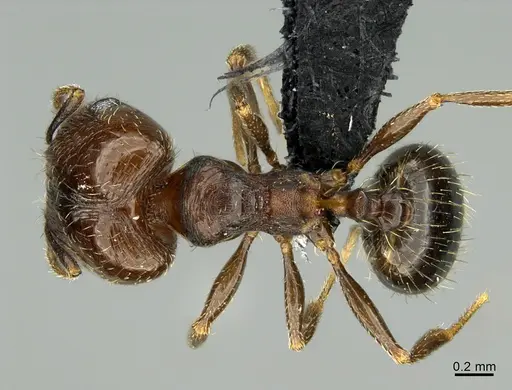
CASENT0005769
View on AntWeb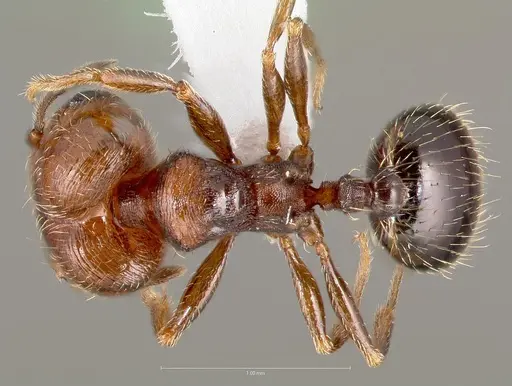
CASENT0005770
View on AntWeb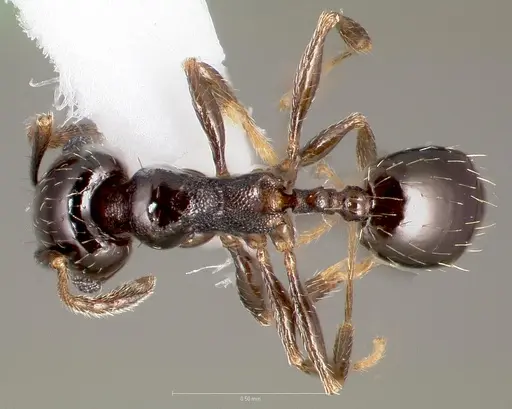
FMNHINS0000062691
View on AntWeb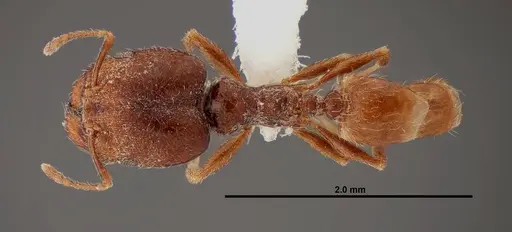
FMNHINS0000062764
View on AntWeb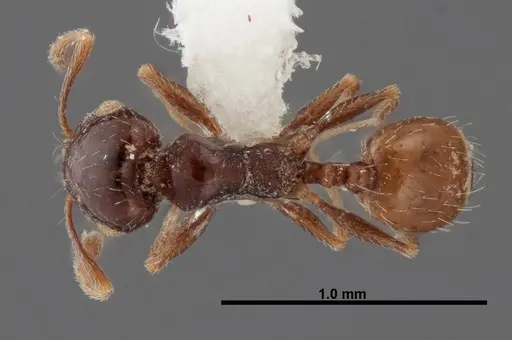
FMNHINS0000062776
View on AntWeb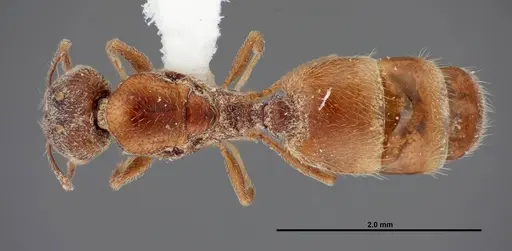
Literature
Loading...Loading products...