

Pheidole rugosula
- Scientific Name
- Pheidole rugosula
- Tribe
- Attini
- Subfamily
- Myrmicinae
- Author
- Forel, 1902
- Distribution
- Found in 2 countries
Pheidole rugosula Overview
Pheidole rugosula is an ant species of the genus Pheidole. It is primarily documented in 2 countries , including Australia, New Zealand. Detailed taxonomic data and occurrence records can be further explored via authoritative databases such as AntWeb or the Global Biodiversity Information Facility (GBIF).
Pheidole rugosula
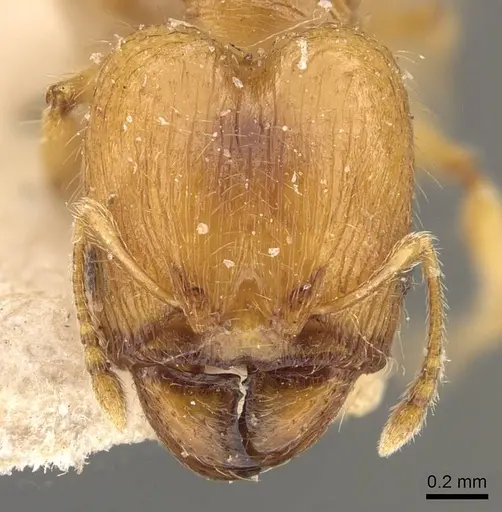
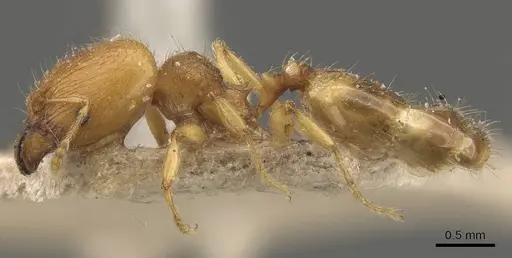
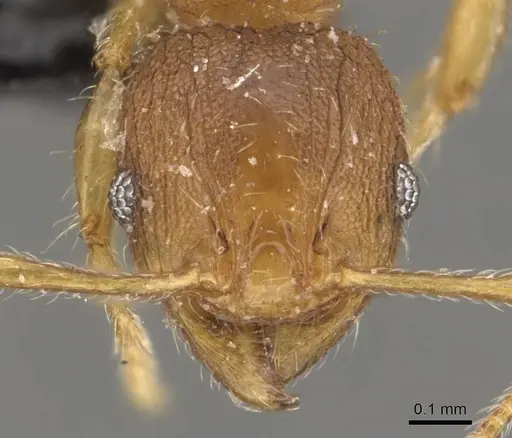
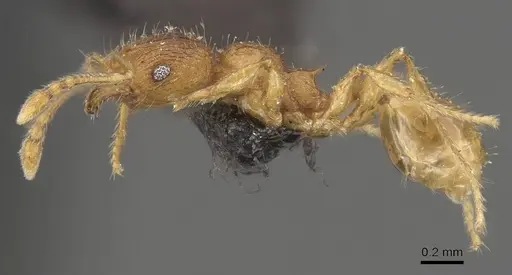
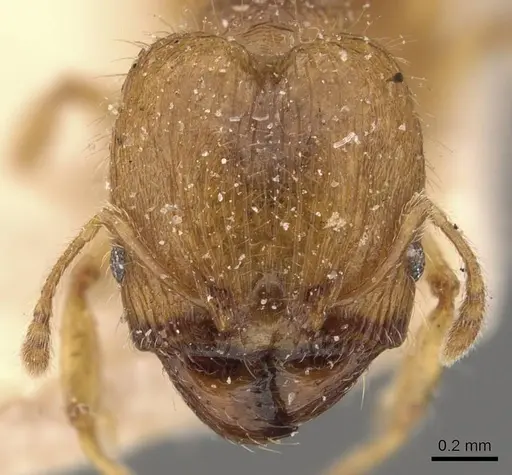
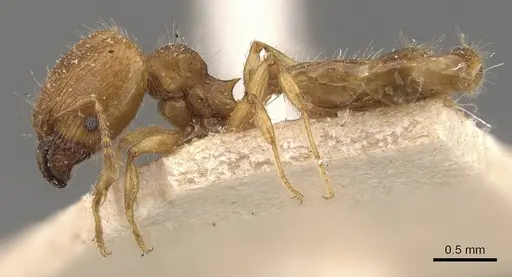
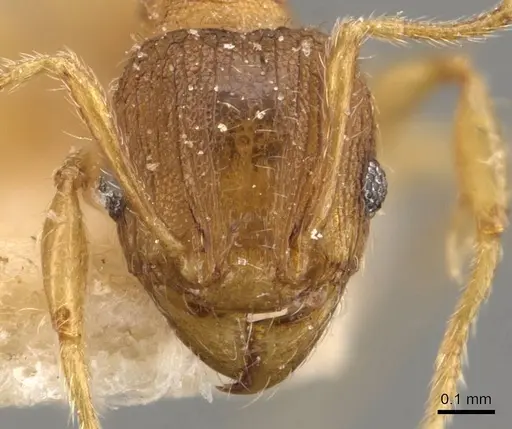
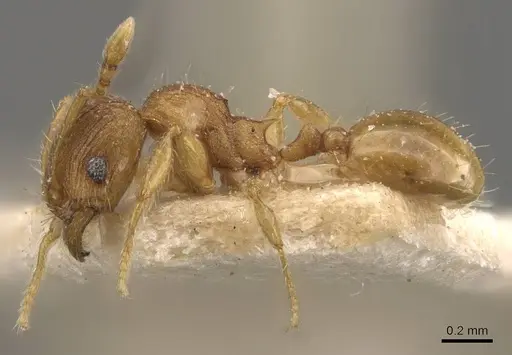
Pheidole rugosula is a small ant species known for its distinctive major workers (soldiers) that have oversized, rectangular heads. Workers are 2-4mm, with majors significantly larger than minors. The species has a reddish-brown to dark brown coloration. Originally described from Australia, this ant has been introduced to New Zealand where it is considered an invasive species. As a member of the tribe Attini, these ants are fungus farmers in the wild, though captive colonies readily accept protein and sugar sources. The species shows strong preference for protein baits and is most active at temperatures between 20-30°C.
Quick Summary
- Difficulty: Easy
- Origin & Habitat: Native to Australia, introduced to and established in New Zealand. In its introduced range, it prefers urban areas, port regions, and disturbed habitats. Found on vegetation, buildings, and broken surfaces in New Zealand [1][2].
- Colony Type: Polygynous (multi-queen) colonies typical for Pheidole species. Colonies can grow large with multiple queens working together.
- Colony: Polygyne
- Founding: Claustral
- Size & Growth:
- Queen: Estimated 6-8mm based on genus typical size
- Worker: 2-4mm (minors 2-3mm, majors 3-4mm)
- Colony: Estimated several thousand workers based on genus patterns
- Growth: Moderate
- Development: Estimated 6-8 weeks at optimal temperature based on related Pheidole species (Development time typical for tropical/subtropical Myrmicinae)
- Antkeeping:
- Temperature: Keep between 22-28°C. Research shows activity peaks between 20-30°C, so a warm setup works well [3]. Avoid temperatures below 15°C for extended periods.
- Humidity: Moderate humidity around 50-70%. These ants tolerate drier conditions better than many Myrmicinae. Provide a water tube but avoid overly damp nests.
- Diapause: Not required in the typical sense. New Zealand populations experience cooler winters but the species is not documented to enter true diapause. Keep at room temperature year-round with slight cooling in winter acceptable.
- Nesting: Will readily accept test tubes, Y-tong nests, or plaster nests. They do well in dry to moderately humid setups. Provide connecting tubes to an outworld for foraging.
- Behavior: Generally peaceful but majors will defend the colony aggressively if threatened. Workers are active foragers with strong preference for protein foods. They are not aggressive toward humans and rarely sting. Escape risk is moderate, use standard barrier methods but no special escape prevention needed beyond standard care.
- Common Issues: colonies may decline if fed only sugar, protein is essential for colony growth, overheating above 30°C can stress or kill colonies, wild-caught colonies from New Zealand may be polygynous and difficult to establish as single-queen colonies, test tube setups work well but ensure water tubes are not overfilled to prevent flooding
Housing and Nest Setup
Pheidole rugosula adapts well to various captive setups. Test tube arrangements work excellently for founding colonies, use a standard test tube with a water reservoir plugged with cotton. Once the colony reaches 50+ workers, you can connect multiple test tubes or transition to a Y-tong (acrylic) nest. Plaster nests also work well, providing the moderate humidity this species prefers. These ants do not require high humidity like some tropical species, making them forgiving for beginners. Ensure the outworld is escape-proof with a barrier of fluon or petroleum jelly.
Feeding and Diet
This species shows strong preference for protein foods. In studies, P. rugosula consistently chose protein baits over sugar or combination baits [4]. Offer protein sources 2-3 times per week: small insects like fruit flies, mealworms, or cricket pieces. Sugar water, honey, or commercial ant nectar can be offered weekly for energy. Unlike some Attini tribe members that cultivate fungus, P. rugosula is omnivorous and readily accepts both protein and carbohydrates. Remove uneaten protein within 24 hours to prevent mold.
Temperature Management
Keep your colony in the 22-28°C range for optimal growth and activity. Research shows these ants actively forage between 20-30°C [3]. Room temperature (around 22-24°C) is typically ideal without additional heating. If your home is cooler, a heating cable on one side of the nest can create a temperature gradient. Avoid temperatures above 30°C as this causes stress, and do not allow temperatures to drop below 15°C for extended periods. A slight winter cooling to 18-20°C is acceptable but not required.
Colony Structure and Growth
Pheidole species are polygynous, meaning colonies typically have multiple queens. This leads to faster colony growth initially as multiple queens produce workers simultaneously. Expect the founding phase to last 4-6 weeks before the first workers (nanitics) emerge. Colonies can reach several thousand workers over several years. The presence of major workers (soldiers) with their distinctive large heads is a hallmark of Pheidole, these majors defend the colony and help process larger food items. Do not disturb the queen during the founding phase, queens are claustral and seal themselves in to raise their first brood.
Legal and Ethical Considerations
Pheidole rugosula is an introduced species in New Zealand and is considered invasive. If you are keeping this species in New Zealand, do not release any ants into the wild as they could establish and impact native ecosystems. In Australia, it is a native species so no restrictions typically apply. Always check your local regulations regarding ant keeping, and never release captive colonies regardless of location. [1]
Frequently Asked Questions
How long does it take for Pheidole rugosula to produce first workers?
Expect 4-6 weeks from founding to first workers emerging. This is typical for claustral Pheidole species when kept at optimal temperatures (22-28°C). The queen will remain sealed in her chamber until her first nanitic workers emerge.
What do Pheidole rugosula ants eat?
They are omnivorous with a strong preference for protein. Offer small insects like fruit flies, mealworms, or cricket pieces 2-3 times per week. Sugar water or honey should be available weekly for energy. They consistently prefer protein over sugar sources in studies.
What temperature do Pheidole rugosula need?
Keep them between 22-28°C. They are active from 20-30°C in the wild, so room temperature is typically ideal. Avoid temperatures above 30°C or below 15°C.
Are Pheidole rugosula good for beginners?
Yes, they are considered easy to keep. They tolerate a range of conditions, do not require high humidity, and accept a wide variety of foods. Their moderate size and peaceful temperament make them suitable for new ant keepers.
How big do Pheidole rugosula colonies get?
Colonies can reach several thousand workers over several years. As a polygynous species with multiple queens, growth can be faster than single-queen species initially.
Do Pheidole rugosula need hibernation?
No true hibernation is required. While New Zealand populations experience cooler winters, the species does not enter documented diapause. A slight reduction to 18-20°C in winter is acceptable but not necessary.
Can I keep multiple Pheidole rugosula queens together?
Yes, this is natural for the species. Pheidole are polygynous by nature, so multiple queens can coexist in a colony. This is actually beneficial for faster colony growth.
When should I move my colony to a formicarium?
Move from test tube to a larger nest setup (Y-tong, plaster, or naturalistic) when the colony reaches 50-100 workers or the test tube becomes cramped. Ensure the new setup has proper humidity and escape prevention.
Is Pheidole rugosula invasive?
Yes, in New Zealand it is considered an introduced invasive species. It was first recorded in 1958 and has spread through port areas. Do not release these ants in New Zealand. In Australia, they are native.
References

This caresheet is licensed under CC BY-SA 4.0 .
CASENT0172364
View on AntWeb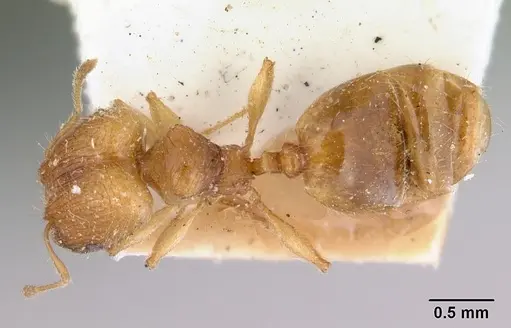
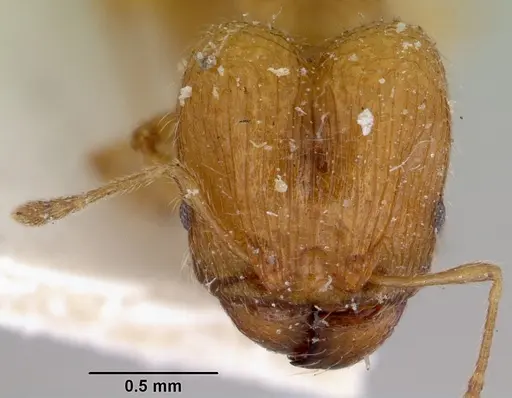
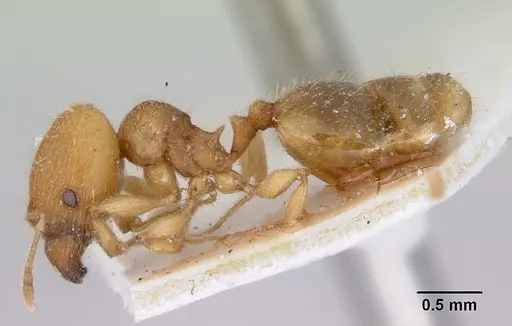
CASENT0908051
View on AntWeb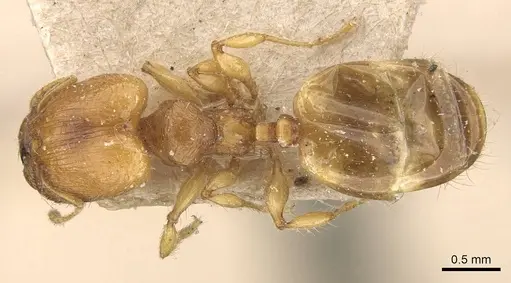
CASENT0908052
View on AntWeb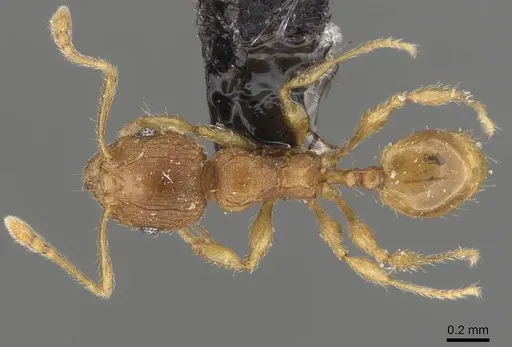
CASENT0908062
View on AntWeb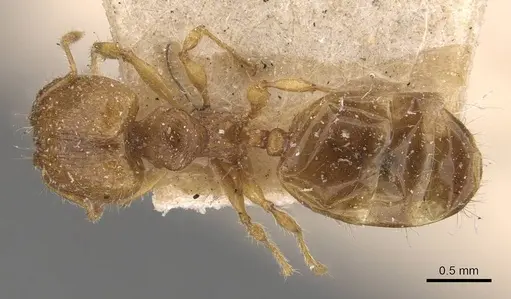
CASENT0908063
View on AntWeb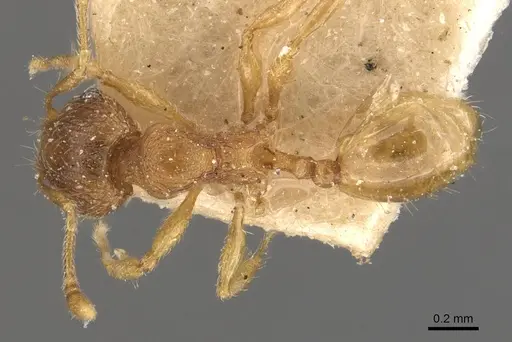
Literature
Loading...Loading products...