

Pheidole rugithorax
- Scientific Name
- Pheidole rugithorax
- Tribe
- Attini
- Subfamily
- Myrmicinae
- Author
- Eguchi, 2008
- Distribution
- Found in 3 countries
Pheidole rugithorax Overview
Pheidole rugithorax is an ant species of the genus Pheidole. It is primarily documented in 3 countries , including China, Lao People's Democratic Republic, Thailand. Detailed taxonomic data and occurrence records can be further explored via authoritative databases such as AntWeb or the Global Biodiversity Information Facility (GBIF).
Pheidole rugithorax
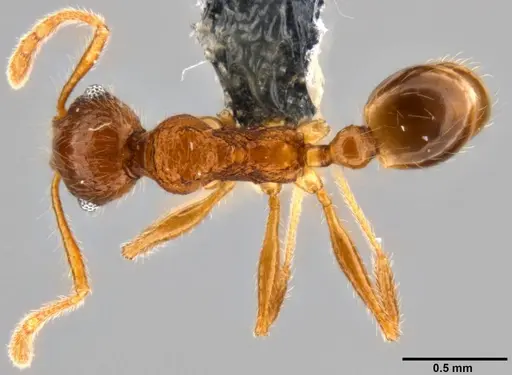
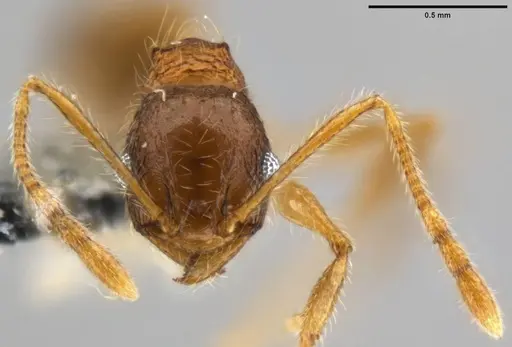
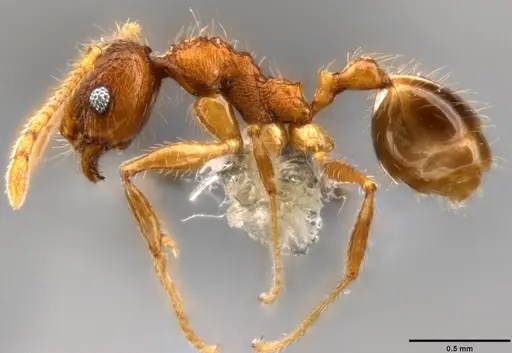
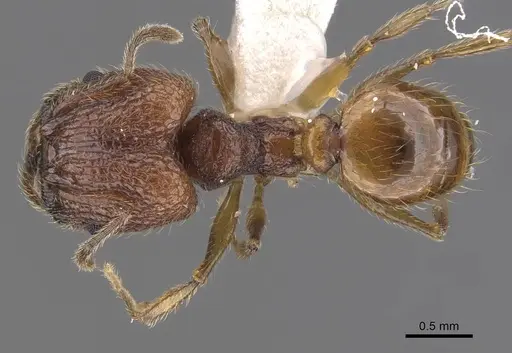
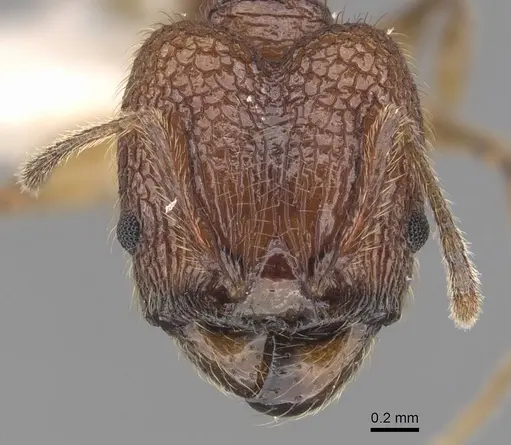
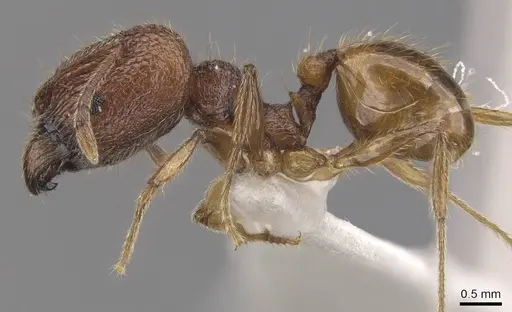
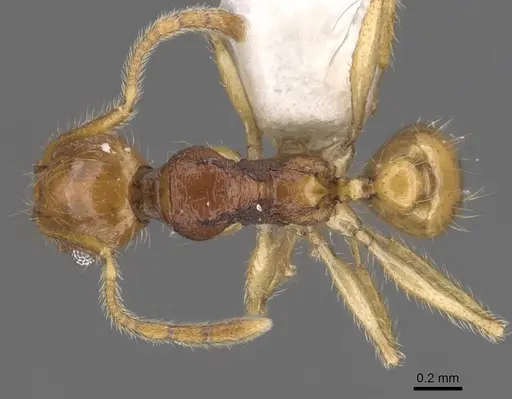
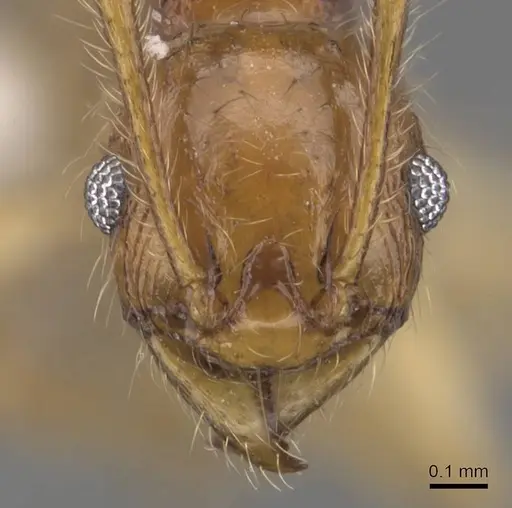
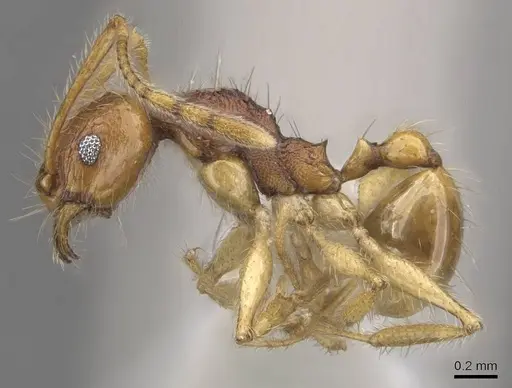
Pheidole rugithorax is a small ant species native to Southeast Asia, described in 2008 from Vietnam. Major workers measure 1.01-1.21mm with a distinctive reticulate pattern on the head and a low mound on the promesonotal dome. Minor workers are notably tiny at 0.55-0.67mm, with a flattened dorsal promesonotal dome and rugulae marking the humeral area. The species belongs to the Pheidole nodus clade and is closely related to P. protea. These ants inhabit forest environments across Vietnam, Thailand, Myanmar, and southern China (Yunnan), typically found in leaf litter at elevations of 550-675m in rainforests, secondary forests, and limestone forests. They are not found in human-modified habitats like rubber plantations, indicating they require natural forest conditions.
Quick Summary
- Difficulty: Medium
- Origin & Habitat: Southeast Asia, Vietnam, Thailand, Myanmar, and Yunnan province, China. Found in forest leaf litter at 550-675m elevation in rain forest, secondary forest, and limestone forest [1][2]. Not found in rubber plantations, indicating need for natural forest conditions [2].
- Colony Type: Colony structure is unconfirmed. Based on typical Pheidole patterns, likely single-queen colonies. No data on ergatoid queens or replacement reproductives.
- Size & Growth:
- Queen: Undescribed, queen size not documented in original description [3]. Estimate based on genus patterns: likely 5-7mm.
- Worker: Major workers: 1.01-1.21mm head length. Minor workers: 0.55-0.67mm head length [3][4].
- Colony: Maximum colony size is unknown. Related species in the nodus clade typically reach several hundred workers.
- Growth: Growth rate is unconfirmed. Based on typical Pheidole patterns from tropical regions, expect moderate to fast growth.
- Development: Unconfirmed. Based on typical Pheidole development in tropical conditions, estimate 5-8 weeks from egg to first worker. This is an estimate based on genus patterns. (Direct development data does not exist for this species. Temperature will significantly affect development speed.)
- Antkeeping:
- Temperature: Keep at 24-28°C as a starting point. This species comes from tropical Southeast Asian forests where temperatures are consistently warm [1]. Adjust based on colony activity, if workers cluster together, increase slightly, if they avoid the heated area, reduce temperature.
- Humidity: Require high humidity, think damp forest floor. Keep nest substrate consistently moist but not waterlogged. The leaf litter habitat at 550-675m elevation suggests they prefer humid conditions with good ventilation to prevent mold.
- Diapause: Diapause requirements are unconfirmed. This is a tropical species from Southeast Asia, so they likely do not require true hibernation. However, a slight reduction in temperature during winter months (cooling to around 20-22°C) may be beneficial to simulate seasonal cycles.
- Nesting: Natural nesting occurs in leaf litter and soil. In captivity, a test tube setup works well for founding colonies. For established colonies, a Y-tong (AAC) or plaster nest with small chambers scaled to their tiny size works well. Keep the nest humid and provide a moisture reservoir.
- Behavior: Temperament is typical of Pheidole, generally peaceful but majors can deliver a mild sting if threatened. They are small and not aggressive toward humans. Foraging behavior is unconfirmed but likely similar to other Pheidole species, they probably forage for seeds, small insects, and honeydew. Escape risk is moderate due to their small size, use standard barrier methods (Fluon on test tube rims). They are not known to be escape artists like some larger species.
- Common Issues: biology is essentially unknown, this is a newly described species with no published care data, humidity control is critical, being from forest leaf litter, they likely fail in dry conditions, wild-caught colonies may have parasites or diseases since their biology is unstudied, small size means they can escape through standard barriers, use fine mesh and tight-fitting lids, tropical species may be sensitive to temperature drops, avoid cold drafts
Nest Preferences and Housing
Pheidole rugithorax naturally nests in leaf litter and soil within forest habitats at elevations around 550-675m [1]. They prefer humid, shaded environments and are not found in disturbed areas like rubber plantations [2]. For captivity, a test tube setup works well for founding colonies, use a small test tube with a cotton ball providing water access. The tube should be kept humid but not flooded. For established colonies, a Y-tong (AAC) nest or plaster nest with small chambers scaled to their tiny minor workers (0.55-0.67mm) works best. Avoid large, open spaces, these ants prefer tight, cozy chambers. Place the nest in an area with stable humidity and away from direct sunlight or drafts.
Feeding and Diet
Feeding behavior is unconfirmed for this specific species, but based on typical Pheidole ecology, they likely have an omnivorous diet. In captivity, offer protein sources like small insects (fruit flies, pinhead crickets, mealworms) and carbohydrate sources like sugar water, honey, or honeydew. Feed protein 2-3 times per week and keep a constant sugar water supply. Pheidole species often store seeds, so you could offer tiny seeds as enrichment. Remove uneaten prey after 24-48 hours to prevent mold. Since their biology is unconfirmed, observe your colony's preferences and adjust accordingly.
Temperature and Seasonal Care
This species comes from tropical Southeast Asia (Vietnam, Thailand, Myanmar, southern China) where temperatures are consistently warm [3][1]. Keep the nest at 24-28°C as a starting point. A heating cable on one side of the nest creates a temperature gradient, allowing ants to self-regulate. Monitor colony behavior, if workers cluster near the heat source, increase slightly, if they avoid it, reduce temperature. Since they come from elevations around 550-675m, they may tolerate slightly cooler conditions than true lowland tropical species. Regarding diapause: this is a tropical species, so they likely do not require true hibernation. However, a slight seasonal temperature drop in winter (around 20-22°C) may help simulate natural cycles. Avoid temperatures below 18°C or sudden temperature changes.
Behavior and Colony Dynamics
Pheidole rugithorax exhibits the typical Pheidole caste system with major and minor workers. Major workers (1.01-1.21mm) have distinctive morphological features including a reticulate head pattern and a low mound on the promesonotal dome [3]. Minor workers are tiny (0.55-0.67mm) with a flattened dorsal promesonotal dome and rugulae on the humeral area. The species is closely related to P. protea within the nodus clade [5]. Colonies likely function with a single queen (typical Pheidole pattern), though this is unconfirmed for this species. Majors can deliver a mild sting if threatened, though they are not aggressive toward keepers. They are not known for being escape artists, but their small size means standard barrier methods should be used.
Frequently Asked Questions
How long does it take for Pheidole rugithorax to produce first workers?
The exact timeline is unconfirmed since this species has no published development data. Based on typical Pheidole development in tropical conditions, expect first workers (nanitics) around 5-8 weeks after the queen lays eggs. This is an estimate, actual timing depends on temperature and feeding.
Can I keep multiple Pheidole rugithorax queens together?
This is unconfirmed for this specific species. Most Pheidole are monogyne (single-queen colonies), but some can be polygynous under certain conditions. Until more data is available, it is not recommended to combine unrelated foundress queens, as fighting is likely.
What do Pheidole rugithorax ants eat?
Feeding is unconfirmed for this species, but based on typical Pheidole diet, offer small protein sources (fruit flies, tiny crickets, mealworms) 2-3 times weekly and keep sugar water (honey water or sugar water) constantly available. They may also accept tiny seeds.
Are Pheidole rugithorax good for beginners?
This species is not ideal for complete beginners due to limited available care information. However, if you have experience with small Myrmicinae ants and can maintain warm, humid conditions, it can be a rewarding species to keep. Start with a healthy wild-caught colony if possible, as captive breeding is not well-established.
What temperature and humidity do Pheidole rugithorax need?
Keep temperatures at 24-28°C with a gradient if possible. Humidity should be high, the nest substrate should feel consistently moist but not waterlogged. This species comes from humid forest leaf litter, so dry conditions will likely be fatal.
When should I move my colony to a formicarium?
Move from the test tube founding setup to a formicarium (Y-tong or plaster nest) when the colony reaches several dozen workers and the test tube is becoming crowded. Ensure the new nest can maintain humidity and has appropriately sized chambers for their tiny workers.
Why are my Pheidole rugithorax dying?
The most likely causes are: low humidity (they're from forest leaf litter and need moist conditions), temperature issues (too cold or unstable), or poor initial colony health (wild-caught colonies may carry parasites). Review your temperature and humidity levels first. Since biology is unconfirmed, some colony failures may be unavoidable.
Do Pheidole rugithorax need hibernation?
This is a tropical species from Southeast Asia, so true hibernation is likely not required. However, a slight temperature reduction in winter months (cooling to around 20-22°C) may be beneficial to simulate natural seasonal cycles. Do not hibernate at temperatures below 15°C.
How big do Pheidole rugithorax colonies get?
Maximum colony size is unknown for this species. Related species in the Pheidole nodus clade typically reach several hundred workers. Expect moderate colony growth, these are not among the fastest-growing Pheidole species.
References

This caresheet is licensed under CC BY-SA 4.0 .
Literature
Loading...Loading products...