

Pheidole rugifera
- Scientific Name
- Pheidole rugifera
- Tribe
- Attini
- Subfamily
- Myrmicinae
- Author
- Eguchi, 2001
- Distribution
- Found in 2 countries
Pheidole rugifera Overview
Pheidole rugifera is an ant species of the genus Pheidole. It is primarily documented in 2 countries , including Brunei Darussalam, Malaysia. Detailed taxonomic data and occurrence records can be further explored via authoritative databases such as AntWeb or the Global Biodiversity Information Facility (GBIF).
Pheidole rugifera
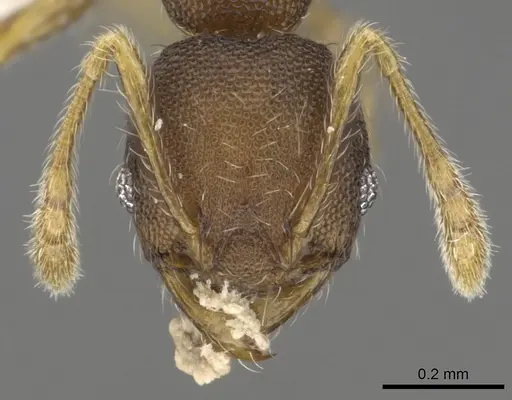
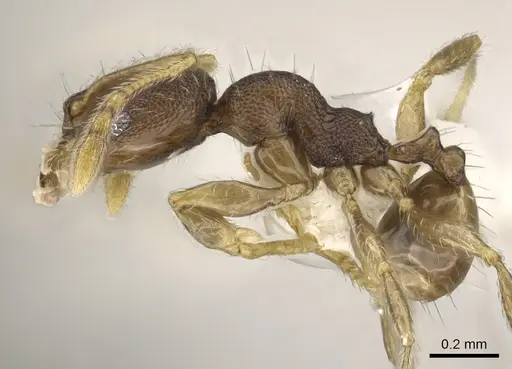
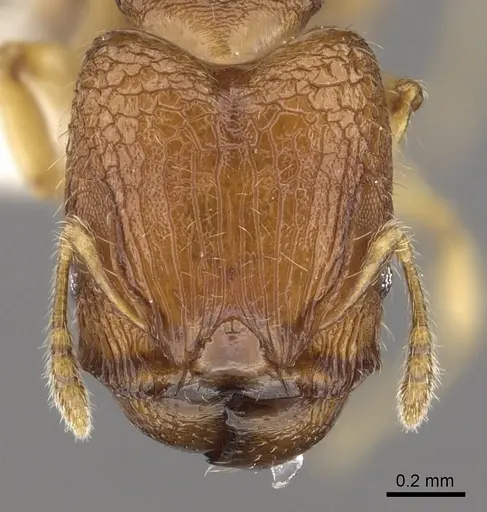
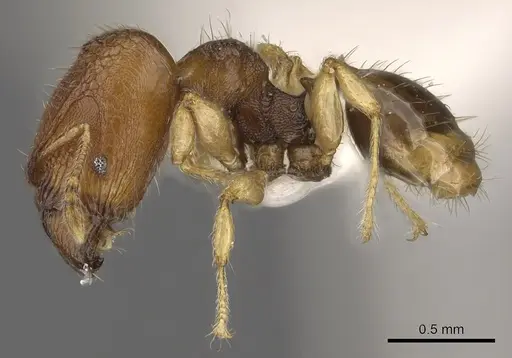
Pheidole rugifera is a tiny ant species native to Borneo, Indonesia, Malaysia, and Singapore. Workers are among the smallest in the ant-keeping hobby, majors measure just 1.9-2.2mm and minors are a mere 1.3-1.4mm. Their body is light brown to brown with lighter antennae and legs. This species belongs to the P. hortensis group and is closely related to several other Southeast Asian Pheidole species. In the wild, they inhabit well-developed lowland rainforests and nest in rotting wood [1].
What makes this species interesting is its ecological specialization. Research shows P. rugifera is an indicator species for interior forest habitats in Borneo, meaning it thrives in undisturbed forest conditions rather than edge or disturbed areas [2]. Their high δ15N isotope values indicate they are predators or specialized protein feeders rather than generalists [3]. This makes them a fascinating species for antkeepers interested in observing natural hunting and foraging behaviors.
Quick Summary
- Difficulty: Medium
- Origin & Habitat: Borneo, Indonesia, Malaysia, and Singapore, well-developed lowland rainforests [1]
- Colony Type: Single-queen colonies (monogyne), typical for Pheidole genus
- Colony: Monogyne
- Founding: Claustral
- Size & Growth:
- Queen: Not described in original description, estimated 5-7mm based on genus patterns
- Worker: Major: 1.9-2.2mm, Minor: 1.3-1.4mm [1]
- Colony: Unknown for this specific species, typical Pheidole colonies reach several hundred workers
- Growth: Moderate, typical for small tropical ants
- Development: Estimated 6-8 weeks at optimal temperature based on genus patterns (Development time inferred from related tropical Pheidole species, actual timeline unconfirmed for this species)
- Antkeeping:
- Temperature: Keep around 24-28°C, they are tropical forest ants that need warmth. A gentle gradient allowing cooler areas around 22°C is ideal [3].
- Humidity: High humidity is essential, they come from rainforest habitats. Keep nest substrate consistently moist but not waterlogged. Provide a water tube for drinking water.
- Diapause: No, as a tropical species, they do not require hibernation. Maintain warm conditions year-round.
- Nesting: They naturally nest in rotting wood. In captivity, they do well in test tubes with access to a foraging area, Y-tong nests, or plaster nests that retain moisture. Because of their tiny size, ensure escape prevention is excellent, they can squeeze through very small gaps.
- Behavior: Pheidole rugifera is a peaceful species that focuses on hunting small prey. They are not aggressive toward keepers and rarely sting. Their small size means they are active foragers rather than large-scale raid hunters. Major workers (soldiers) have larger heads for cutting and processing food. They are escape artists due to their tiny size, use fine mesh and tight-fitting lids. They are primarily nocturnal or crepuscular, becoming more active during dim lighting conditions.
- Common Issues: escape prevention is critical due to their very small size, they can slip through gaps smaller than 1mm, colonies may fail if humidity drops too low, they need consistently damp conditions, slow founding phase, new colonies take time to establish and beginners may lose patience, wild-caught colonies may carry parasites that can devastate captive colonies, overfeeding can lead to mold problems in small nest setups
Nest Preferences and Housing
In the wild, Pheidole rugifera nests in rotting wood within well-developed lowland rainforests [1]. For captivity, you have several good options. Test tube setups work well for founding colonies, use a test tube with a water reservoir sealed with a cotton plug, connected to a foraging area. The tube should be kept horizontal or slightly tilted so the ants can access water. For established colonies, Y-tong (acrylic) nests or plaster nests work well because they hold humidity better than wooden setups. Avoid dry environments entirely, these rainforest ants will desiccate quickly in dry conditions. The nest chamber should be small and snug for the colony size, as ants feel safer in tighter spaces. Cover the nest with a dark sleeve during the founding stage to reduce stress.
Feeding and Diet
Research using stable isotope analysis shows P. rugifera has high δ15N values (5.47), indicating they are predators or specialized protein feeders rather than generalist scavengers [3]. This means their diet should be protein-focused. Offer small live prey such as fruit flies, pinhead crickets, small mealworms, and other tiny insects. They will likely accept protein gels and powders as well, but live prey should form the core of their diet. Sugar water or honey can be offered occasionally, but don't rely on sweets like you would with Lasius or Camponotus. Feed small amounts every 2-3 days and remove any uneaten prey within 24 hours to prevent mold. A constant water source is essential, a shallow water dish with a cotton ball or a dedicated water tube works well.
Temperature and Humidity
As a tropical species from Borneo's lowland rainforests, Pheidole rugifera needs warm and humid conditions year-round. Keep temperatures in the range of 24-28°C during the active season. A slight temperature gradient (warmer on one side, cooler on the other) allows the colony to self-regulate. Room temperature in most homes may be too cool, consider using a heating cable on one side of the nest if your room stays below 24°C. Place the heating element on top of the nest, not underneath, to avoid drying out the substrate. Humidity is critical, aim for 70-80% relative humidity in the nest area. The substrate should feel consistently damp but never waterlogged. Mist the foraging area occasionally and monitor for condensation on the nest walls. If you see condensation, the humidity is good, if not, add more moisture. [3][2]
Colony Founding and Growth
Like most Pheidole species, P. rugifera is claustral, the queen seals herself in a small chamber and raises her first workers entirely on energy from her stored fat reserves. She does not leave to forage during founding. The founding chamber should be small and dark. After the first workers (nanitics) emerge, the colony will begin foraging for food. Growth is moderate, expect the first major workers to appear within 6-8 weeks under optimal conditions, though this is estimated based on genus patterns rather than documented for this specific species. Colonies remain small initially but can grow to several hundred workers over time. Major workers (soldiers) appear as the colony matures and help process larger food items. Be patient during the founding phase, disturbing the queen or moving the nest too often can cause colony failure.
Behavior and Temperament
Pheidole rugifera is a peaceful, non-aggressive species that makes a fascinating display colony. They are not known to sting and pose no danger to keepers. Their small size and nocturnal tendencies mean they are most active during dim lighting or at night. Workers forage individually or in small groups rather than forming large raiding columns. The presence of major workers (soldiers) with their enlarged heads adds visual interest to the colony. One important consideration is their escape risk, due to their tiny size (minors are only 1.3-1.4mm), they can squeeze through remarkably small gaps. Use fluon on container rims, fine mesh for ventilation, and ensure all connections are tight. They are not aggressive but will flee from disturbance rather than attack. Provide a dark retreat area in the nest where they can feel secure. [1]
Frequently Asked Questions
Can I keep Pheidole rugifera in a test tube?
Yes, test tubes work excellently for founding colonies. Use a standard test tube with a water reservoir sealed with cotton, and connect it to a small foraging area. Keep the tube horizontal and ensure the cotton stays damp but not flooded. Cover the tube with a dark sleeve during founding to reduce stress.
How long until first workers appear?
Estimated 6-8 weeks from egg to first worker at optimal temperature (around 26°C). This is based on typical Pheidole development patterns, the exact timeline for P. rugifera has not been specifically documented. Be patient during the founding phase as disturbance can cause queen abandonment.
What do Pheidole rugifera eat?
They are predators with high protein requirements. Feed small live prey such as fruit flies, pinhead crickets, small mealworms, and other tiny insects. They may accept protein gels experimentally. Sugar sources like honey water can be offered occasionally but should not be the primary food. Remove uneaten prey within 24 hours to prevent mold.
Are Pheidole rugifera good for beginners?
They are rated as Medium difficulty. They require specific humidity and temperature conditions that may be challenging for complete beginners, but their peaceful nature and small colony size make them manageable once you understand humidity control. Their tiny size does require excellent escape prevention.
Do they need hibernation?
No, as a tropical species from Borneo, they do not require hibernation. Keep them warm year-round at 24-28°C. Maintaining consistent temperatures is more important than seasonal changes.
When should I move them to a formicarium?
Wait until the colony has at least 50-100 workers and the test tube setup becomes crowded. For Pheidole rugifera, this typically takes 6-12 months. Moving too early can stress the colony. When moving, connect the test tube to the new nest and let the ants move voluntarily.
Why are my Pheidole rugifera dying?
Common causes include: low humidity (they need consistently damp conditions), temperatures below 24°C, mold from overfeeding, stress from disturbance during founding, or parasites from wild-caught colonies. Check your humidity levels first, dry conditions kill these rainforest ants quickly. Also verify escape prevention is adequate.
How big do colonies get?
Colony size is not specifically documented for this species, but typical small Pheidole species reach several hundred workers. Growth is moderate, expect gradual expansion over 1-2 years to reach a substantial colony size.
Can I keep multiple queens together?
Pheidole rugifera is monogyne, colonies have a single queen. Combining unrelated foundresses (pleometrosis) has not been documented for this species and is not recommended. If you acquire multiple founding queens, house them separately.
References

This caresheet is licensed under CC BY-SA 4.0 .
CASENT0901652
View on AntWeb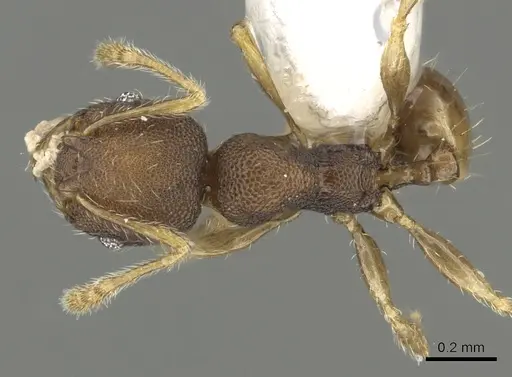
CASENT0901653
View on AntWeb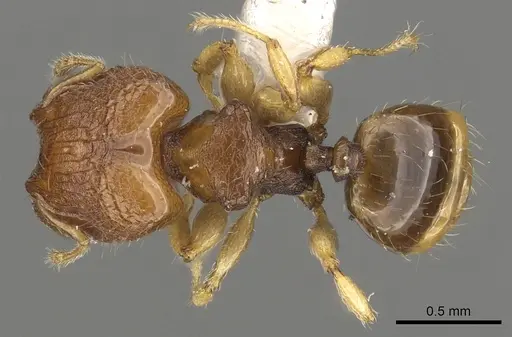
Literature
Loading...Loading products...