

Pheidole rudigenis
- Scientific Name
- Pheidole rudigenis
- Tribe
- Attini
- Subfamily
- Myrmicinae
- Author
- Emery, 1906
- Distribution
- Found in 1 countries
Pheidole rudigenis Overview
Pheidole rudigenis is an ant species of the genus Pheidole. It is primarily documented in 1 countries , including Argentina. Detailed taxonomic data and occurrence records can be further explored via authoritative databases such as AntWeb or the Global Biodiversity Information Facility (GBIF).
Pheidole rudigenis
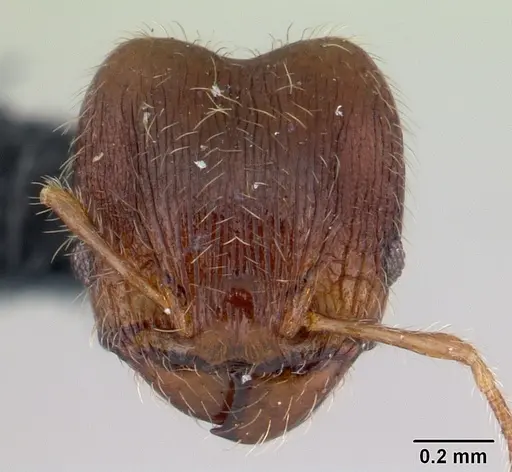
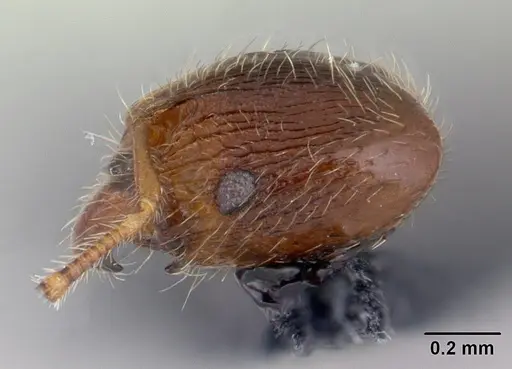
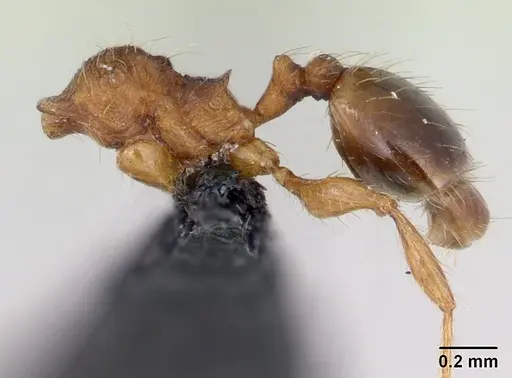
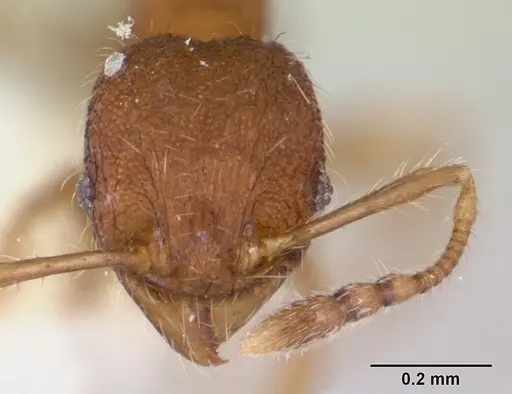
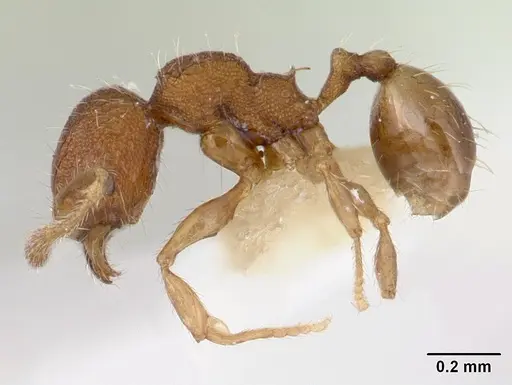
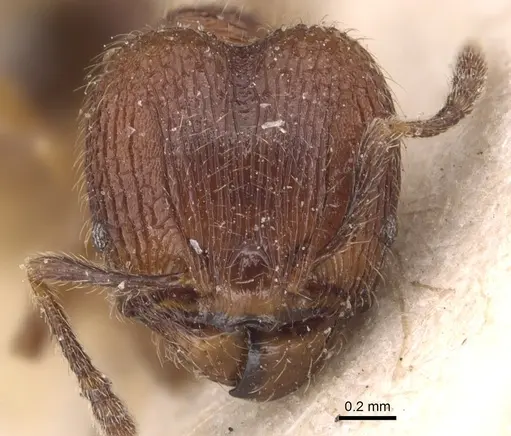
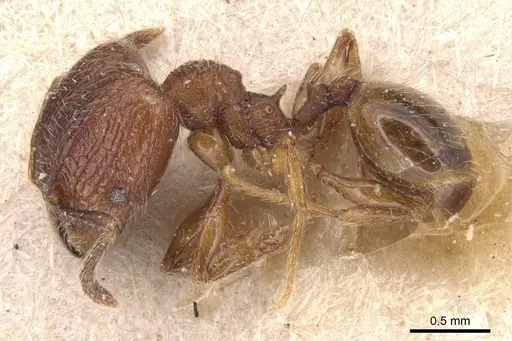
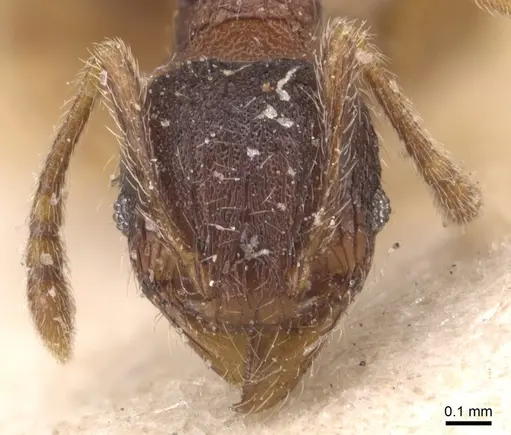
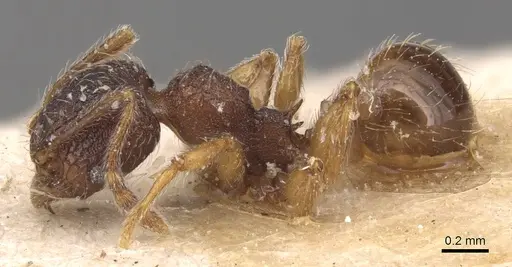
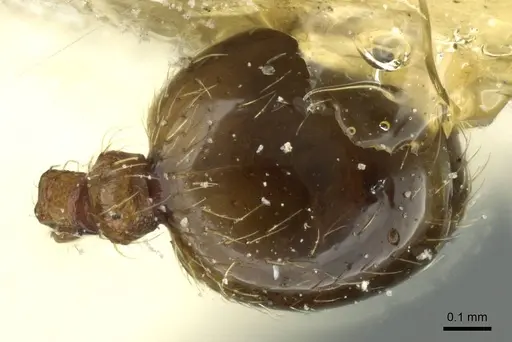
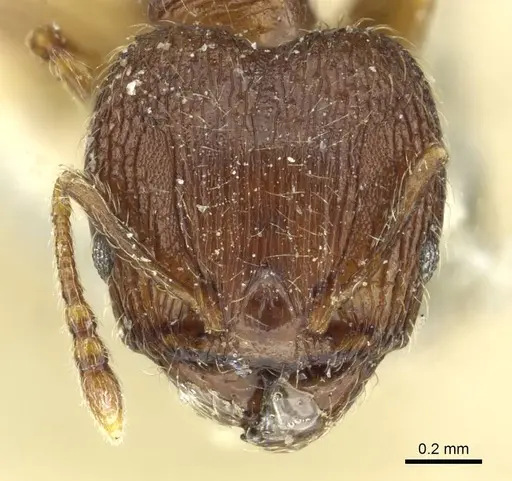
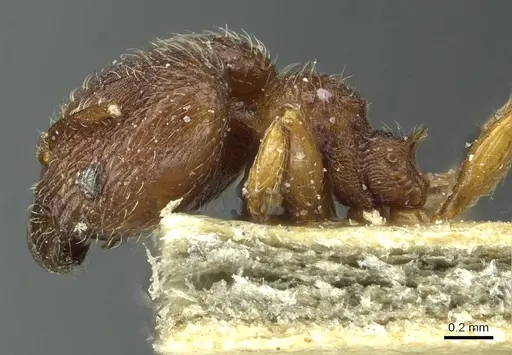
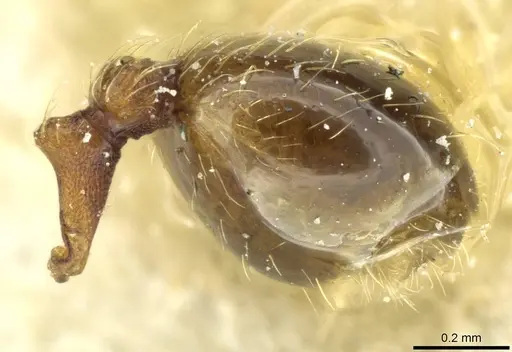
Pheidole rudigenis is a small Neotropical ant species known for its distinctive dimorphic workers, majors have large heads with powerful mandibles while minors are much smaller and more slender. Majors measure around 1mm in head width, while minors are roughly half that size at 0.5mm. The species displays a reddish-brown coloration on the head and mesosoma, with lighter yellowish-brown on the gaster and legs. Originally described as a subspecies of Pheidole flavens, it was raised to full species status in 2003. This ant is found across the Neotropical region including Argentina, Brazil, and Paraguay, typically in forest edges, grasslands, and modified habitats like eucalyptus plantations. One unusual documented association shows this species collected inside a nest of the giant ant Dinoponera sp., though the nature of this relationship remains unclear.
Quick Summary
- Difficulty: Easy
- Origin & Habitat: Neotropical region, Argentina, Brazil, Paraguay. Found in forest habitats, natural grasslands, and eucalyptus plantations in the Pampas region [1][2][3]. This is a ground-dwelling species that thrives in tropical and subtropical environments with moderate to high humidity.
- Colony Type: Likely monogyne (single queen) based on typical Pheidole patterns, though colony structure is not directly documented for this species.
- Colony: Monogyne
- Founding: Claustral
- Size & Growth:
- Queen: Not directly measured, estimated 5-7mm based on genus patterns for similar Pheidole species
- Worker: Major: HW 1.04mm, Minor: HW 0.54mm
- Colony: Not directly documented, typical Pheidole colonies reach several hundred to a few thousand workers
- Growth: Moderate, typical for tropical Pheidole species
- Development: Estimated 6-8 weeks at optimal tropical temperatures (25-28°C) based on genus-level data for similar species (Development time is inferred from related Pheidole species, actual timeline may vary)
- Antkeeping:
- Temperature: Keep at 24-28°C, these are tropical ants that need warm conditions. A heating cable on one side of the nest creates a temperature gradient allowing workers to regulate their own exposure.
- Humidity: Moderate to high humidity (60-80%). Keep the nest substrate consistently moist but not waterlogged. Mist occasionally and provide a water tube for drinking water.
- Diapause: Not required, as a tropical species, they do not need hibernation. However, a slight reduction in temperature during winter months (down to 20-22°C) may slow activity naturally.
- Nesting: Y-tong (AAC) nests, plaster nests, or naturalistic setups work well. They prefer tight chambers scaled to their small size. As ground-dwelling ants, they do well with a soil or sand layer in the outworld for foraging.
- Behavior: Generally peaceful and non-aggressive. Like most Pheidole, they are active foragers that readily search for seeds and small insects. Major workers defend the nest and help process larger food items, while minors handle most foraging and brood care. They are not known to be particularly aggressive toward keepers but will bite if threatened. Escape prevention is important due to their small size, use fine mesh barriers and tight-fitting lids. They are moderate climbers but typically stay on the ground in captivity.
- Common Issues: small size means escapes are likely without fine mesh barriers, colonies may decline if temperature drops below 20°C for extended periods, overfeeding can lead to mold in the nest, remove uneaten food promptly, wild-caught colonies may harbor parasites that can decimate captive colonies, slow initial colony growth during founding phase can lead to overchecking by impatient keepers
Housing and Nest Setup
Pheidole rudigenis does well in standard ant keeping setups. A test tube colony works for founding queens and small colonies up to 50 workers. For established colonies, Y-tong (AAC) nests or plaster nests provide good humidity control. Because they are small ants, ensure all connections between the nest and outworld are secure, they can squeeze through surprisingly small gaps. A naturalistic setup with a soil or sand layer in the outworld mimics their natural ground-nesting behavior and allows them to forage naturally. Provide a water tube or shallow water dish for drinking water, as they readily drink free water.
Feeding and Diet
In the wild, Pheidole rudigenis is an opportunistic forager that collects seeds, small insects, and likely tends aphids for honeydew. In captivity, offer a varied diet including protein sources like small crickets, mealworms, fruit flies, and other small insects. They will also accept sugar water, honey, or diluted honeydew. Seeds are not a major part of their diet despite being in the tribe Attini, they prefer animal protein. Feed protein 2-3 times per week and keep a constant sugar source available. Remove uneaten prey after 24 hours to prevent mold.
Temperature and Seasonal Care
As a Neotropical species from Argentina, Brazil, and Paraguay, Pheidole rudigenis prefers warm conditions. Keep the nest at 24-28°C for optimal brood development. A slight temperature drop at night is natural and well-tolerated. Unlike temperate species, they do not require a true hibernation period, but you may notice reduced activity during winter months if room temperature drops. Avoid temperatures below 20°C for extended periods as this can weaken the colony. A heating cable placed on part of the nest allows workers to thermoregulate by moving between warmer and cooler areas. [3]
Colony Development
Pheidole colonies grow through the production of major and minor workers. The first workers (nanitics) are typically smaller than mature workers but will begin foraging and caring for the next brood. As the colony grows, more majors will be produced, these larger workers specialize in defense and food processing. A healthy colony of P. rudigenis may eventually reach several hundred to a few thousand workers. Growth rate is moderate, expect several months before the first major workers appear. Patience is key during the founding phase when the queen is sealed in her chamber.
Behavior and Observation
One of the interesting aspects of keeping Pheidole rudigenis is observing the division of labor between major and minor workers. Minor workers handle most tasks: foraging, brood care, and nest maintenance. Major workers defend the nest, help process large prey items, and may assist with seed cracking. They are diurnal foragers, actively searching during daylight hours. The species is not particularly aggressive but majors will defend if the nest is disturbed. Watching majors and minors interact provides insight into the complex social structure of these dimorphic ants.
Frequently Asked Questions
How long does it take for Pheidole rudigenis to produce first workers?
Expect first workers (nanitics) to emerge in 6-8 weeks at optimal temperature (24-28°C). This is typical for Pheidole species. The queen will remain sealed in her chamber until the first workers arrive, living off her stored fat reserves.
Can I keep multiple Pheidole rudigenis queens together?
Not recommended. While Pheidole can sometimes be polygynous in the wild, combining unrelated foundress queens in captivity often leads to fighting. Start with a single mated queen for best success.
What do I feed Pheidole rudigenis?
Offer small protein sources like fruit flies, small crickets, mealworms, or other tiny insects. They also accept sugar water, honey, or honeydew. Remove uneaten food after 24 hours to prevent mold.
Are Pheidole rudigenis good for beginners?
Yes, they are considered a good beginner species. They are relatively hardy, don't require hibernation, and are not aggressive. Their small size and need for fine mesh escape prevention are the main considerations for new keepers.
How big do Pheidole rudigenis colonies get?
Mature colonies typically reach several hundred to a few thousand workers. The production of major workers increases as the colony grows.
Do Pheidole rudigenis need hibernation?
No, as a tropical Neotropical species they do not require true hibernation. A slight reduction in temperature during winter (down to 20-22°C) is natural but not necessary for colony health.
Why are my Pheidole rudigenis dying?
Common causes include: temperature too low (below 20°C), humidity too low or too high, mold from overfeeding, or parasites from wild-caught colonies. Check that your setup provides appropriate warmth, humidity, and clean food.
When should I move my colony to a formicarium?
Move to a larger nest when the colony reaches 50-100 workers and the test tube becomes crowded. Make sure the new setup has appropriately sized chambers for their small size.
References

This caresheet is licensed under CC BY-SA 4.0 .
CASENT0178049
View on AntWeb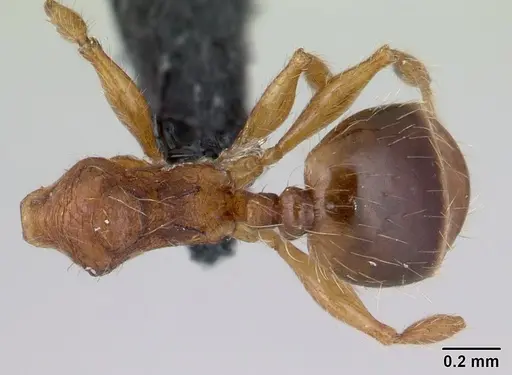
CASENT0178050
View on AntWeb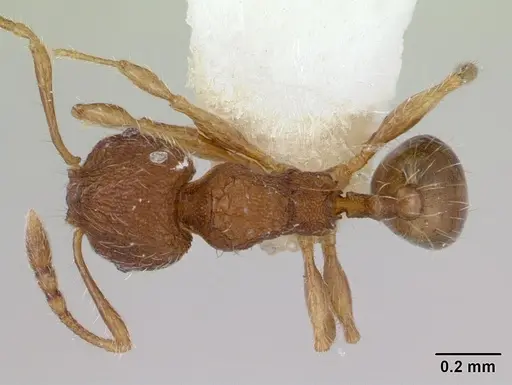
CASENT0904410
View on AntWeb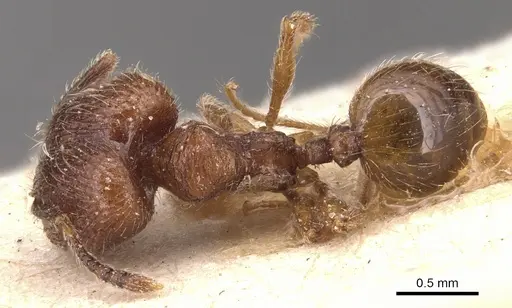
CASENT0904411
View on AntWeb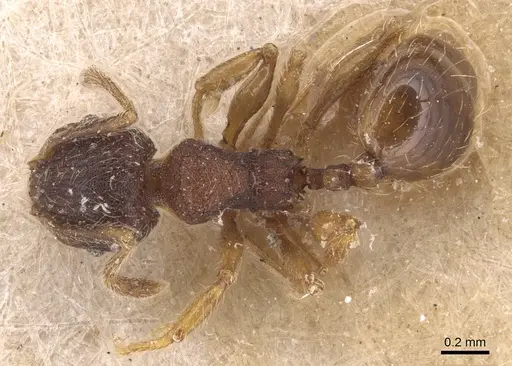
CASENT0913283
View on AntWeb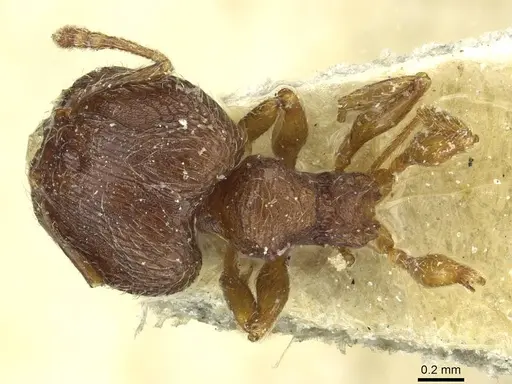
Literature
Loading...Loading products...