

Pheidole roushae
- Scientific Name
- Pheidole roushae
- Tribe
- Attini
- Subfamily
- Myrmicinae
- Author
- Wilson, 2003
- Distribution
- Found in 4 countries
Pheidole roushae Overview
Pheidole roushae is an ant species of the genus Pheidole. It is primarily documented in 4 countries , including Costa Rica, Guatemala, Honduras. Detailed taxonomic data and occurrence records can be further explored via authoritative databases such as AntWeb or the Global Biodiversity Information Facility (GBIF).
Pheidole roushae
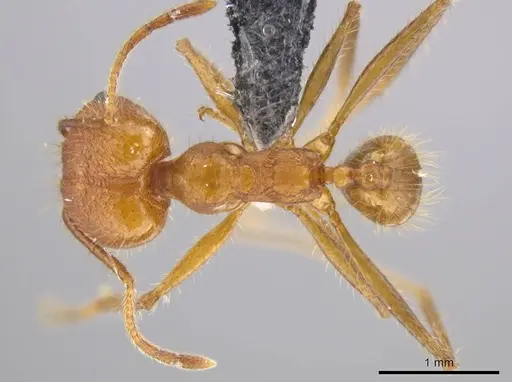
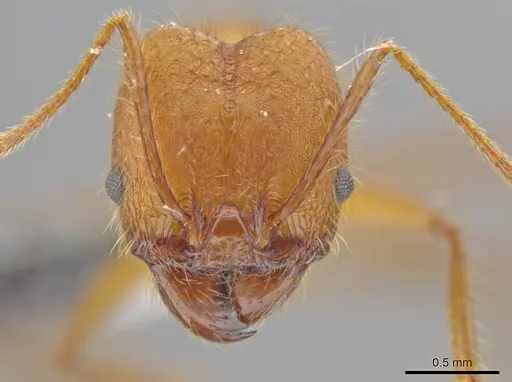
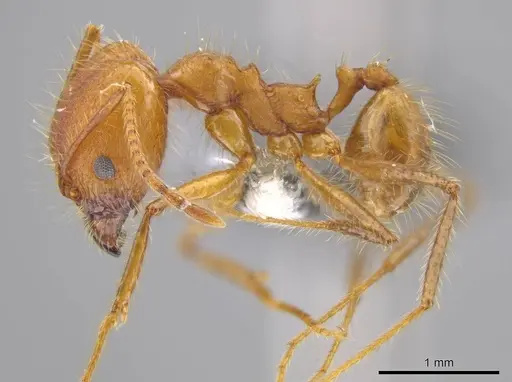
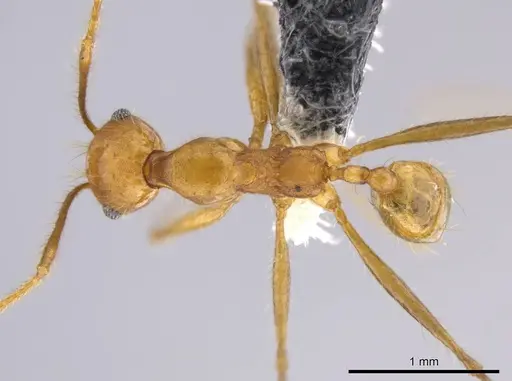
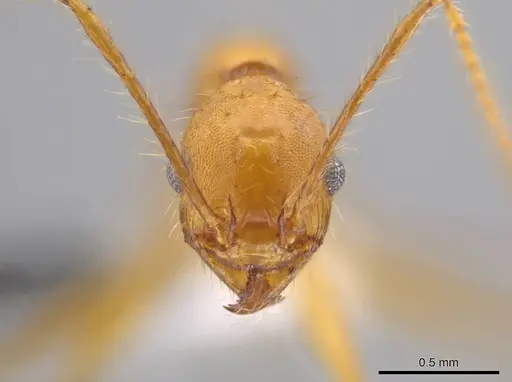
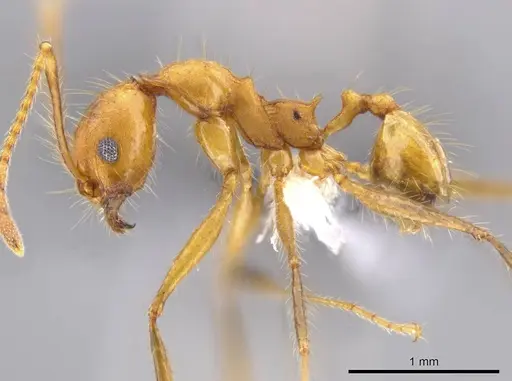
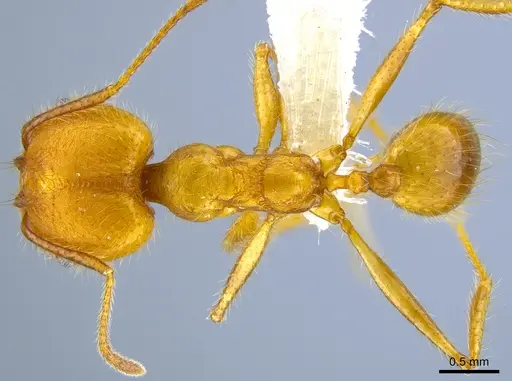
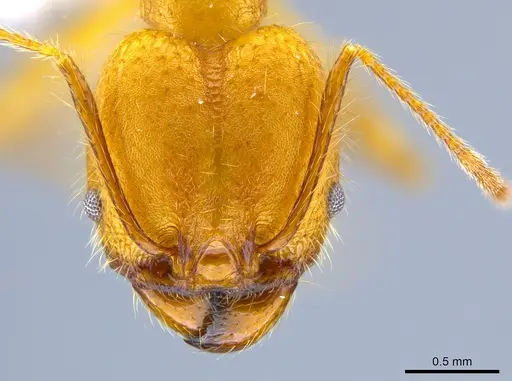
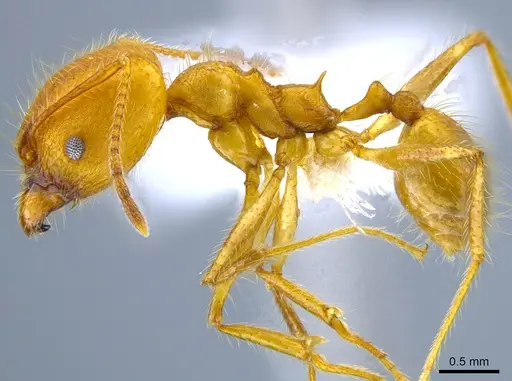
Pheidole roushae is a dimorphic ant species native to the Neotropical region, found across Mexico, Guatemala, Belize, and Honduras. The species was described by E.O. Wilson in 2003 and belongs to the fallax group. Major workers are striking with their reddish-orange coloration and large, square heads, while minor workers are smaller and uniformly medium yellow. Both castes have notably thick petiolar nodes with broadly rounded apices. The species was discovered in a shaded coffee plantation (cafetal) in the highlands of Veracruz, Mexico at around 1600m elevation, and has since been recorded in urban areas between 980-1570m altitude.
Quick Summary
- Difficulty: Easy
- Origin & Habitat: Native to the Neotropical region, specifically Mexico, Guatemala, Belize, and Honduras. Found in shaded coffee plantations (cafetales) in tropical forest areas at elevations of 980-1600m [1].
- Colony Type: Likely monogyne (single queen colonies) based on typical Pheidole patterns. Pheidole colonies typically have one founding queen that establishes the colony alone.
- Colony: Monogyne
- Founding: Claustral
- Size & Growth:
- Queen: Approximately 6-8mm estimated based on genus patterns
- Worker: Major workers: 1.14mm head width, Minor workers: 0.60mm head width
- Colony: Likely reaches several hundred to a few thousand workers based on typical Pheidole colony sizes
- Growth: Moderate
- Development: Estimated 6-8 weeks based on typical Pheidole development at warm temperatures (Development time is temperature-dependent, warmer conditions within acceptable range may speed up development)
- Antkeeping:
- Temperature: Keep at 22-26°C. This species comes from subtropical highland areas, so moderate warmth is ideal. A heating cable on one side of the nest can create a gentle gradient if room temperature is below this range.
- Humidity: Moderate humidity around 50-70%. The shaded coffee plantation habitat suggests they prefer damp but not wet conditions. Keep the nest substrate moist but allow some drying between waterings.
- Diapause: Unknown if strict diapause is required. Based on the subtropical highland origin, a brief cool period during winter months may be beneficial but is likely not mandatory.
- Nesting: Y-tong (AAC) nests work well for this species due to their small size. Plaster or acrylic nests are also suitable. The small minor workers can escape through tiny gaps, so excellent escape prevention is essential.
- Behavior: This is a peaceful species that focuses on foraging for small prey and tending aphids. Major workers have large heads designed for seed processing and defense, but they are not aggressive toward keepers. The minor workers are very small (under 1mm) and can slip through standard mesh barriers, making escape prevention critical. They are primarily ground-nesting and will establish colonies in enclosed nest setups.
- Common Issues: escape prevention is critical, minor workers are tiny and can squeeze through standard mesh, colonies may be slow to establish initially, patience is needed during the founding phase, test tube setups must have tight-fitting barriers as minors can escape through capillary gaps, overheating can be fatal, avoid temperatures above 30°C despite their tropical origin, wild-caught colonies may carry parasites that can devastate captive populations
Nest Preferences
Pheidole roushae naturally nests in soil in shaded, humid environments like coffee plantations and tropical forest edges. In captivity, they do well in Y-tong (AAC) nests, acrylic nests, or plaster nests with small chambers scaled to their tiny size. The minor workers are extremely small (under 1mm), so any connections between the nest and outworld must use fine mesh or fluon barriers. Test tube setups can work for founding colonies but monitor for escape. The species prefers some vertical space for their colony to expand upward as they grow. [1]
Feeding and Diet
Pheidole roushae is an omnivorous species that will accept a variety of foods. In captivity, offer protein sources like small insects (fruit flies, pinhead crickets, mealworms), and provide sugar sources such as honey water or sugar water. Like other Pheidole species, they are also known to tend aphids for honeydew in the wild, so sugar water is readily accepted. Feed small prey items 2-3 times per week, and keep a constant sugar water source available. Remove uneaten prey after 24 hours to prevent mold. [1]
Temperature and Care
Keep your colony at 22-26°C, which matches their subtropical highland origin in Mexico and Central America. They can tolerate slightly cooler temperatures down to around 18°C but will become less active. Use a heating cable on one side of the nest if your room temperature is below 22°C, but never exceed 30°C. Room temperature within this range is often sufficient. Temperature affects development speed, warmer conditions within the acceptable range will speed up brood development. [1]
Behavior and Temperament
This is a calm, non-aggressive species that is well-suited for beginners. Major workers have large heads with powerful mandibles for seed processing and colony defense, but they rarely bite keepers. The much smaller minor workers handle most daily tasks including foraging and brood care. Activity levels are moderate, they will establish foraging routes and become more active when food is offered. The primary husbandry concern is their tiny minor workers, which can escape through gaps too small for other ants. Always use fine mesh and apply fluon to any potential escape points. [1]
Colony Founding
A claustral founding queen will seal herself in a small chamber and raise her first brood without leaving the nest. She relies on stored fat reserves to survive until the first nanitic workers emerge. This typically takes 4-8 weeks depending on temperature. During this time, do not disturb the queen or offer food, she will not eat. Once the first workers (nanitics) emerge, they will begin foraging and the colony can be gradually introduced to a regular feeding schedule. The founding phase is the most vulnerable time for the colony. [1]
Frequently Asked Questions
How long does it take for Pheidole roushae to produce first workers?
Expect first workers (nanitics) to emerge in 6-8 weeks after the queen lays eggs, assuming temperatures are in the optimal 22-26°C range. Cooler temperatures will slow development significantly.
Can I keep multiple Pheidole roushae queens together?
Not recommended. Unlike some Pheidole species that can be polygynous, this species is likely monogyne and queens will fight. Always start with a single founding queen.
What do Pheidole roushae eat?
They are omnivores that accept small insects (fruit flies, pinhead crickets, mealworms) and sugar sources (honey water, sugar water). Feed protein 2-3 times per week and keep sugar water constantly available.
Are Pheidole roushae good for beginners?
Yes, they are considered an easy species to keep. They are peaceful, don't require strict hibernation, and accept a wide variety of foods. The main challenge is escape prevention due to their very small minor workers.
Do Pheidole roushae need hibernation?
Not necessarily. As a subtropical species, they can tolerate cooler winter temperatures (around 15-18°C) but do not require a strict diapause period like temperate species.
When should I move my colony to a formicarium?
Wait until the colony has 50-100 workers before moving from a test tube setup to a formicarium. This ensures the colony is established enough to handle the stress of moving and the new space.
Why are my Pheidole roushae escaping?
The minor workers are extremely small (under 1mm) and can squeeze through standard mesh. Use fine mesh (at least 0.5mm or smaller), apply fluon to barrier surfaces, and check all connections between the nest and outworld for gaps.
How big do Pheidole roushae colonies get?
Based on typical Pheidole colony sizes, expect several hundred to a few thousand workers at maturity. The dimorphic caste system (majors and minors) allows for efficient colony organization.
References

This caresheet is licensed under CC BY-SA 4.0 .
Literature
Loading...Loading products...