

Pheidole rogersi
- Scientific Name
- Pheidole rogersi
- Tribe
- Attini
- Subfamily
- Myrmicinae
- Author
- Forel, 1902
- Distribution
- Found in 1 countries
Pheidole rogersi Overview
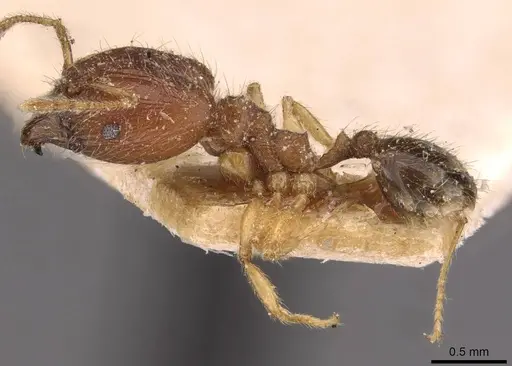
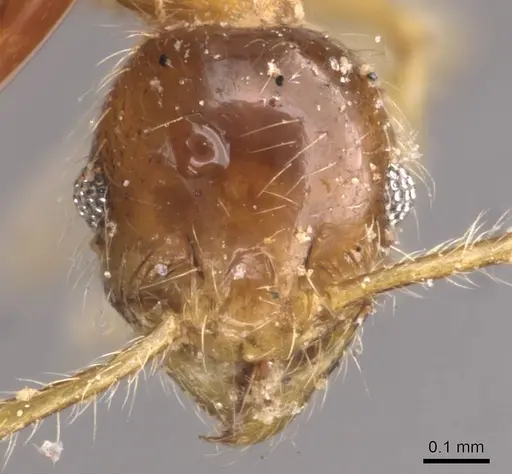
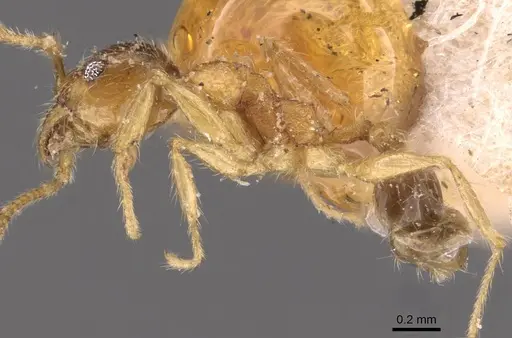
Pheidole rogersi is an ant species of the genus Pheidole. It is primarily documented in 1 countries , including India. Detailed taxonomic data and occurrence records can be further explored via authoritative databases such as AntWeb or the Global Biodiversity Information Facility (GBIF).
Pheidole rogersi
Pheidole rogersi is a small to medium-sized ant species native to the Himalayan regions of India, Bangladesh, and Sri Lanka. Like all Pheidole species, they have two worker castes: larger major workers (soldiers) with distinctive large heads for seed-processing and defense, and smaller minor workers that handle most foraging and brood care. The species was first described by Forel in 1902 and is found at elevations up to 1000 meters above sea level [1][2]. This ant is a generalist forager that thrives in subtropical to warm temperate habitats, making it a hardy species for antkeeping in moderate climates.
Quick Summary
- Difficulty: Easy
- Origin & Habitat: Himalayan regions of India (Arunachal Pradesh, Assam, Sikkim, West Bengal), Bangladesh, and Sri Lanka. Found up to 1000 meters elevation in moist, subtropical forest environments [1][2].
- Colony Type: Likely monogyne (single queen colony) based on typical Pheidole genus patterns. Colonies typically have one founding queen that establishes the nest alone.
- Colony: Monogyne
- Founding: Claustral
- Size & Growth:
- Queen: Estimated 7-9mm based on genus patterns
- Worker: Minor workers: 3-4mm, Major workers: 5-7mm
- Colony: Likely reaches several thousand workers at maturity based on typical Pheidole colony development
- Growth: Moderate
- Development: Estimated 6-8 weeks at optimal temperature based on typical Pheidole development patterns (Development time is inferred from genus-level data since species-specific studies are not available. Pheidole species typically produce nanitic (first) workers within 6-8 weeks under warm conditions.)
- Antkeeping:
- Temperature: Keep at 22-26°C. Based on Himalayan distribution up to 1000m elevation, they prefer moderate warmth rather than extreme heat. Room temperature within this range works well, or a gentle heat gradient can be provided on one side of the nest.
- Humidity: Moderate humidity around 50-70%. These ants come from moist subtropical regions, so keep the nest substrate slightly damp but allow some drying areas. Mist occasionally and provide a water tube.
- Diapause: Yes, based on Himalayan distribution and seasonal climate, colonies likely require a winter rest period. Reduce temperature to 15-18°C for 2-3 months during winter.
- Nesting: In nature, they nest in soil and under stones in forest habitats. In captivity, standard test tube setups work well for founding colonies. Once established, they can be moved to formicariums with soil, plaster, or acrylic chambers. They do well with moderate nesting space and multiple chambers.
- Behavior: Pheidole rogersi is a generalist species with typical Pheidole behavior, active foragers that collect seeds, insects, and honeydew. They are not particularly aggressive but will defend the nest vigorously. Major workers (soldiers) use their large heads to block nest entrances and process hard seeds. They are moderate escape artists, not the smallest ants, but good barrier maintenance (Fluon) is still recommended. Workers are fast-moving and will establish well-defined foraging trails.
- Common Issues: colonies may decline if kept too cold, maintain warmth during active season, poor escape prevention can lead to escapes despite their moderate size, overfeeding can cause mold issues in nest chambers, founding colonies are vulnerable to disturbance, minimize nest handling during claustral founding, wild-caught colonies may carry parasites that affect captive colonies
Nest Preferences and Setup
Pheidole rogersi nests naturally in soil and under stones in forest habitats across the Himalayan region. In captivity, they adapt well to various nest types. For founding colonies, a simple test tube setup with a water reservoir works perfectly, the queen seals herself in a chamber and raises her first brood there. Once the colony reaches 20-30 workers, you can transition to a formicarium. They do well in acrylic nests, plaster nests, or naturalistic setups with soil. Provide multiple connected chambers to allow the colony to expand. The nest should have some damp substrate areas but also dry zones so ants can self-regulate humidity. [1]
Feeding and Diet
Like most Pheidole species, P. rogersi is a generalist omnivore. They readily accept protein sources like small insects (fruit flies, small crickets, mealworms), and they also collect seeds, this is where their major workers shine, using their large heads to crack open seed husks. Offer sugar water, honey, or diluted maple syrup as an energy source. A varied diet promotes healthy colony growth. Feed protein 2-3 times per week, and keep a constant sugar source available. Remove uneaten prey after 24-48 hours to prevent mold. Seeds can be offered occasionally, especially for larger colonies with major workers present.
Temperature and Seasonal Care
Based on their Himalayan distribution at elevations up to 1000 meters, these ants prefer moderate temperatures rather than extreme heat. Keep the nest at 22-26°C during the active season. They can tolerate slightly cooler conditions than many tropical species, reflecting their mountain origins. During winter, provide a diapause period, reduce temperature to 15-18°C for 2-3 months. This mimics their natural seasonal cycle and promotes colony health. Do not cool them suddenly, gradually reduce temperature over 1-2 weeks. They can be kept at room temperature year-round in moderately warm homes, but a winter cool-down is beneficial. [1][2]
Behavior and Colony Dynamics
Pheidole rogersi exhibits the classic Pheidole colony structure with distinct worker castes. Minor workers handle most tasks, foraging, caring for brood, and maintaining the nest. Major workers (soldiers) specialize in seed processing, nest defense, and blocking entrance tunnels with their large heads. Colonies are active foragers that establish clear trails to food sources. They are not overly aggressive toward keepers but will bite if threatened and summon reinforcements. The colony will grow steadily over several years, with major workers typically appearing once the colony reaches several hundred workers. Queens are long-lived and can produce workers for many years.
Frequently Asked Questions
How long does it take for Pheidole rogersi to produce first workers?
Expect first workers (nanitics) within 6-8 weeks after the queen lays eggs, assuming temperatures around 24-26°C. This is an estimate based on typical Pheidole development patterns since species-specific timing is not documented.
Can I keep multiple Pheidole rogersi queens together?
No, Pheidole species are typically monogyne (single queen). Combining unrelated queens is not recommended and will likely result in fighting. Only one queen should be kept per colony.
What do I feed Pheidole rogersi?
Offer a varied diet including small insects (fruit flies, pinhead crickets, mealworms) for protein, and sugar sources (honey water, maple syrup) for energy. They also accept seeds, which major workers will process with their large heads. Feed protein 2-3 times per week with constant sugar access.
Do Pheidole rogersi need hibernation?
Yes, based on their Himalayan distribution, they benefit from a winter rest period. Reduce temperature to 15-18°C for 2-3 months during winter. This diapause period mimics their natural seasonal cycle and helps maintain colony health long-term.
When should I move Pheidole rogersi to a formicarium?
Keep them in a test tube setup for the founding stage. Once the colony reaches 20-30 workers and the test tube becomes crowded, you can transfer them to a formicarium. Use a gentle transition method, connect the formicarium to the test tube and let them move at their own pace.
Are Pheidole rogersi good for beginners?
Yes, this species is considered easy to keep. They are hardy, tolerate some variation in care conditions, and are not overly aggressive. Their moderate temperature requirements and generalist diet make them suitable for new antkeepers.
How big do Pheidole rogersi colonies get?
Mature colonies likely reach several thousand workers, which is typical for Pheidole species. The presence of major workers (soldiers) becomes more common as the colony grows beyond several hundred workers.
What temperature range is best for Pheidole rogersi?
Keep them at 22-26°C during the active season. They prefer moderate warmth reflecting their Himalayan mountain origins. Room temperature in this range works well, or provide a gentle heat gradient on one side of the nest.
Why are my Pheidole rogersi dying?
Common causes include: temperatures too cold (below 20°C slows metabolism and causes decline), disturbance during founding (queen needs peace to raise first brood), mold from overfeeding or poor ventilation, or parasites from wild-caught colonies. Check temperature first, reduce feeding if mold appears, and minimize nest disturbance.
References

This caresheet is licensed under CC BY-SA 4.0 .
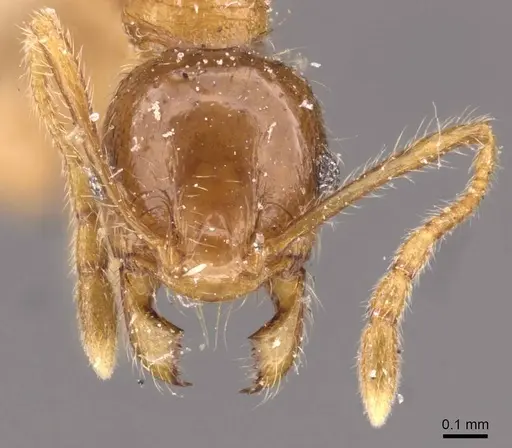
CASENT0907947
View on AntWeb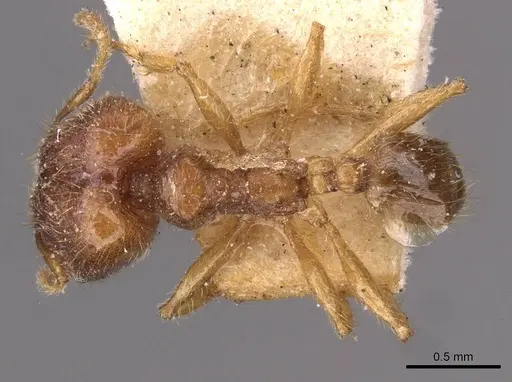
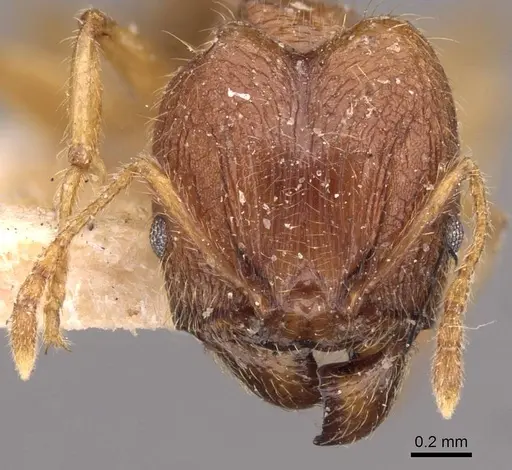
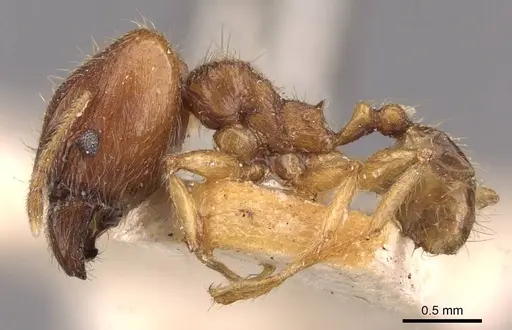
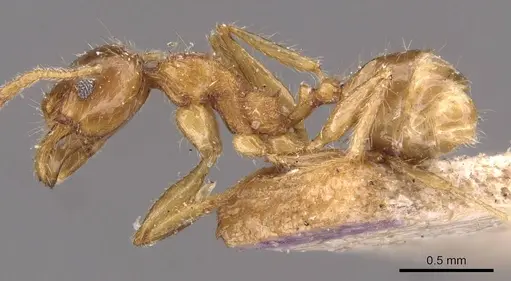
CASENT0907948
View on AntWeb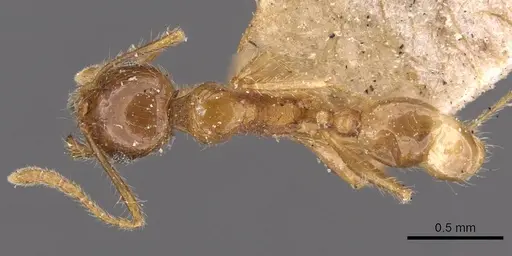
CASENT0907949
View on AntWeb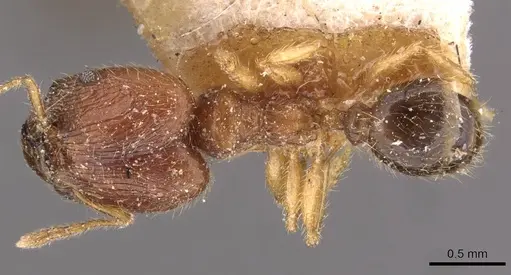
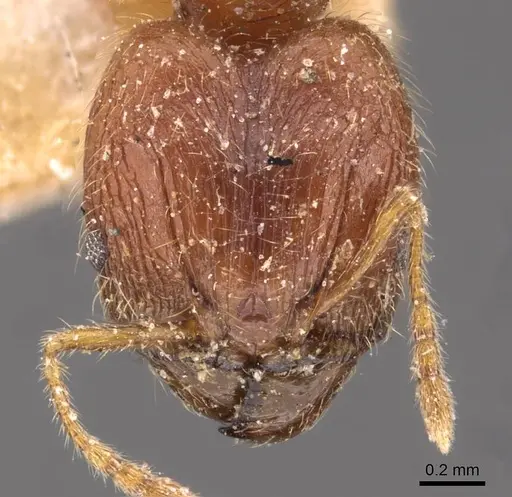
CASENT0907950
View on AntWeb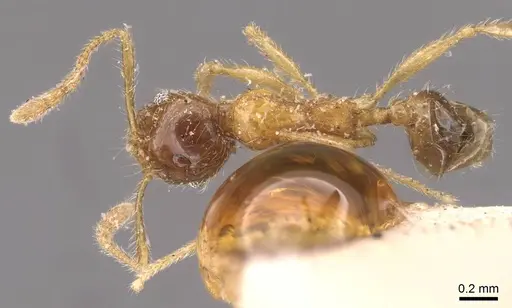
Literature
Loading...Loading products...