

Pheidole riveti
- Scientific Name
- Pheidole riveti
- Tribe
- Attini
- Subfamily
- Myrmicinae
- Author
- Santschi, 1911
- Distribution
- Found in 1 countries
Pheidole riveti Overview
Pheidole riveti is an ant species of the genus Pheidole. It is primarily documented in 1 countries , including Ecuador. Detailed taxonomic data and occurrence records can be further explored via authoritative databases such as AntWeb or the Global Biodiversity Information Facility (GBIF).
Pheidole riveti
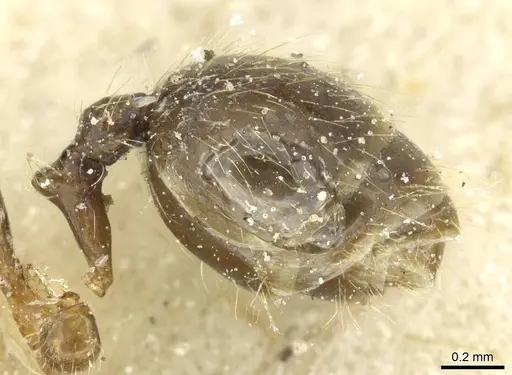
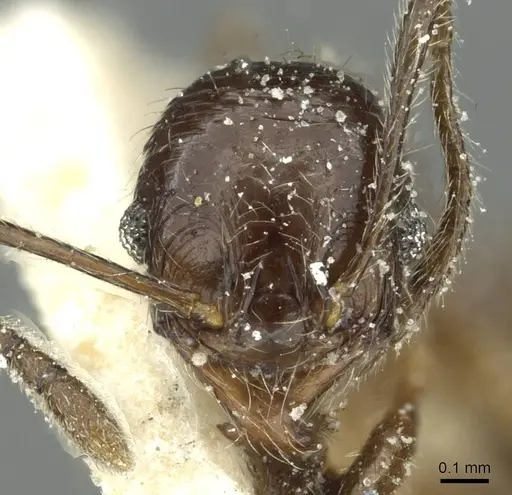
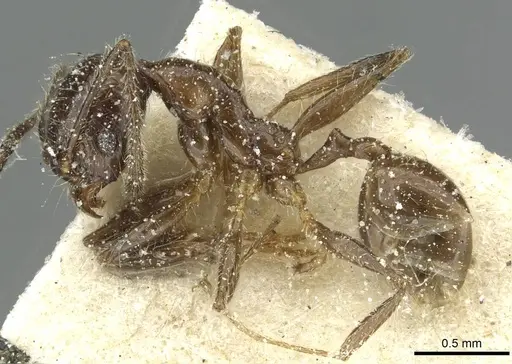
Pheidole riveti is a small Neotropical ant species native to the high-altitude regions of Colombia and Ecuador. Major workers measure about 1.12mm in head width and are light brown, while minor workers are smaller at 0.62mm and medium brown. The species is distinguished by its 'tiger-striped' minor workers featuring distinctive semicircular carinulae (grooved markings) on the head. This high-elevation species has been collected at altitudes between 2600-3000m in the Andes, indicating it prefers cooler mountain conditions. The species was originally described from Ecuador and later found in Colombia's Cundinamarca region near Bogotá.
Quick Summary
- Difficulty: Medium
- Origin & Habitat: High-altitude Neotropical region of Colombia and Ecuador (2600-3000m elevation) [1][2]
- Colony Type: Colony structure is unconfirmed, Pheidole genus typically has single-queen colonies, but this specific species has not been studied
- Colony: Monogyne
- Founding: Claustral
- Size & Growth:
- Queen: Unknown, not described in available literature
- Worker: Major: 1.12mm HW, Minor: 0.62mm HW
- Colony: Unknown, typical Pheidole colonies reach hundreds to a few thousand workers
- Growth: Moderate, estimated 6-10 weeks from egg to first worker based on genus patterns
- Development: 6-10 weeks (estimated based on typical Pheidole development) (Development time is estimated from genus-level data since species-specific research does not exist)
- Antkeeping:
- Temperature: Keep cooler at 18-22°C, this species comes from high Andean elevations (2600-3000m) where temperatures are moderate year-round [1]
- Humidity: Moderate humidity (50-70%). Keep nest substrate lightly moist but allow some drying between waterings. The highland origin suggests they prefer stable, moderately damp conditions over wet substrate.
- Diapause: Likely yes, high-elevation Andean species probably require a cool period during winter months. Reduce temperature to 12-15°C for 2-3 months.
- Nesting: Test tube setups work well for founding colonies. For established colonies, Y-tong or plaster nests with narrow chambers suit their small size. They may nest in soil or under stones in nature.
- Behavior: Typical Pheidole temperament, generally peaceful but majors can deliver a mild sting if threatened. They are active foragers that harvest seeds and hunt small insects. Minor workers are small (0.62mm) so escape prevention should be moderate, fine mesh or barrier gel recommended. They maintain moderate activity levels and do not form supercolonies.
- Common Issues: high elevation origin means they may struggle in warm rooms, keep cool, limited species-specific information requires careful observation of colony preferences, slow founding phase typical of Pheidole, don't disturb claustrally founding queen, minor workers are small, ensure escape prevention is adequate, high-altitude species may be sensitive to temperature fluctuations
Nest Preferences
In their natural high-altitude habitat, Pheidole riveti likely nests in soil or under stones in the cool, damp Andean environment. For captive care, test tube setups work well for founding colonies, the queen seals herself in a water-filled test tube with a cotton plug, creating a stable micro-environment. For established colonies, Y-tong (acrylic) nests or plaster nests with small chambers suit their tiny minor workers (0.62mm). The chambers should be appropriately scaled to their size, avoiding large open spaces. Maintain light moisture in the nest material without flooding, these are not wetland ants despite their moderate humidity needs. [1][2]
Feeding and Diet
Pheidole species are generalists that harvest seeds and hunt small insects in the wild. For captive colonies, offer a varied diet: protein sources like small fruit flies, pinhead crickets, or mealworm pieces 2-3 times weekly, and carbohydrate sources like sugar water or honey occasionally. Pheidole majors have larger heads designed for seed processing, so offering crushed seeds or grain fragments can provide enrichment. Remove uneaten protein within 24-48 hours to prevent mold. Since this species is from high elevations with likely cooler temperatures, reduce feeding frequency during winter months when the colony is less active.
Temperature and Seasonal Care
This is the most critical aspect of keeping Pheidole riveti. Being from 2600-3000m elevation in the Andes, they are adapted to cool, stable conditions. Keep the nest at 18-22°C year-round, avoid warm rooms that would suit tropical ants. A heating cable on only one side of the nest can create a gentle gradient, allowing the ants to choose their preferred temperature. During winter (roughly November-February in the Northern Hemisphere), reduce temperatures to 12-15°C for a 2-3 month diapause period. This mimics their natural high-altitude seasonal cycle. Do not feed during deep dormancy, but ensure a small water source remains available. [1]
Colony Founding
Like most Pheidole species, P. riveti likely has claustral founding, the new queen seals herself in a chamber, lays eggs, and raises the first brood entirely on stored fat reserves without foraging. During this founding phase (which may take 6-10 weeks until first workers emerge), do not disturb the queen or offer food. The claustral chamber should be dark and humid. Once the first nanitic workers emerge, you can begin offering tiny food items. Major workers develop later in the colony cycle, typically appearing after the colony reaches several dozen workers.
Behavior and Temperament
Pheidole riveti has typical Pheidole behavior, they are active foragers that search for seeds and small prey. Colonies are generally peaceful and non-aggressive toward keepers. However, majors can deliver a mild sting if the nest is threatened, though this is not dangerous to humans. The minor workers are quite small (0.62mm), so use fine mesh on any outworld connections to prevent escapes. They are not known to be escape artists like some Camponotus species, but their small size means they can slip through gaps that seem too small. Colonies maintain moderate activity levels and do not exhibit the extreme territorial behavior seen in some ant species.
Frequently Asked Questions
How long does it take for Pheidole riveti to get first workers?
Expect 6-10 weeks from egg to first worker at optimal temperature (around 20°C). This is typical for Pheidole species. The founding queen seals herself in and raises the first brood alone, be patient and don't disturb her during this time.
What temperature do Pheidole riveti ants need?
Keep them cool at 18-22°C. This species comes from high Andean elevations (2600-3000m) where temperatures are moderate year-round. They will struggle in warm rooms that suit tropical ant species.
What do Pheidole riveti ants eat?
They are generalists, offer protein (small insects like fruit flies or mealworm pieces) 2-3 times weekly, and occasionally sugar water or honey. They may also accept crushed seeds like typical Pheidole species.
How big do Pheidole riveti colonies get?
The maximum colony size for this specific species is unknown, but typical Pheidole colonies reach several hundred to a few thousand workers over several years.
Do Pheidole riveti need hibernation?
Likely yes. As a high-elevation Andean species, they probably require a cool period during winter. Reduce temperature to 12-15°C for 2-3 months during the winter months.
Can I keep multiple Pheidole riveti queens together?
Not recommended. While specific data doesn't exist for this species, Pheidole are typically monogyne (single-queen) colonies. Combining unrelated queens often leads to fighting.
What size nest do Pheidole riveti need?
For founding colonies, a simple test tube setup works well. For established colonies, use Y-tong or plaster nests with small chambers scaled to their tiny minor workers (0.62mm).
Is Pheidole riveti good for beginners?
Medium difficulty. The main challenge is maintaining cool temperatures year-round, this is unusual compared to most commonly kept ants. If you can provide the 18-22°C range they need, they are otherwise straightforward.
Where is Pheidole riveti found?
This species is native to high-altitude regions of Colombia and Ecuador in the Andes Mountains, collected at elevations between 2600-3000m.
References

This caresheet is licensed under CC BY-SA 4.0 .
CASENT0913420
View on AntWeb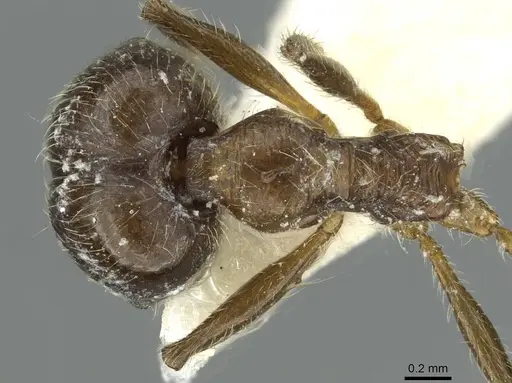
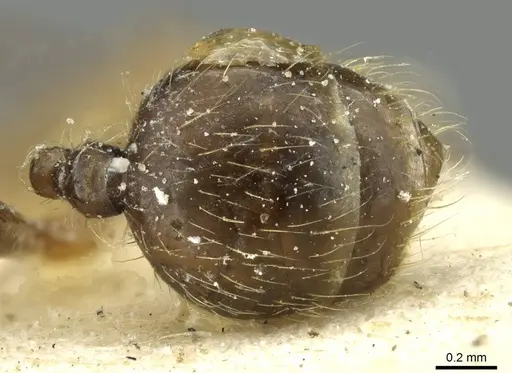
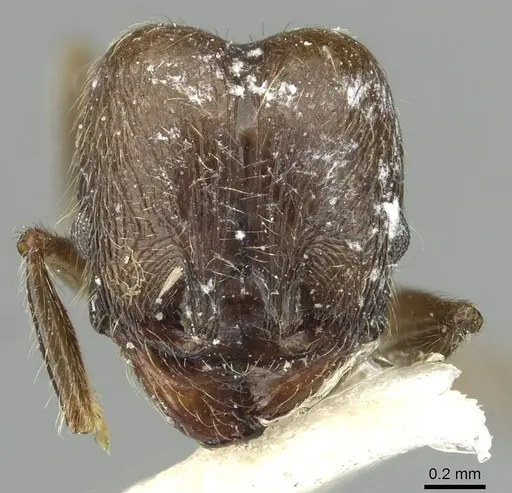
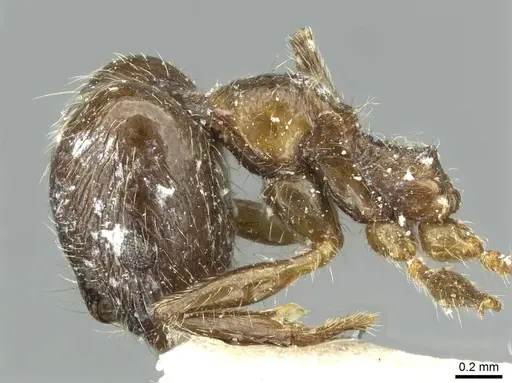
CASENT0913421
View on AntWeb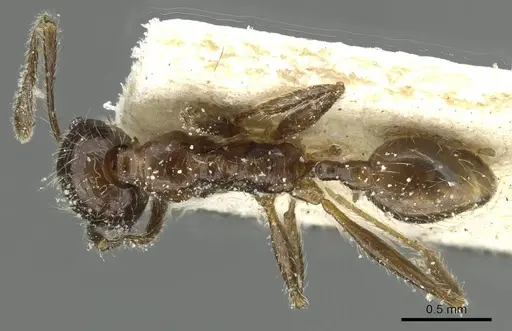
Literature
Loading...Loading products...