

Pheidole risii
- Scientific Name
- Pheidole risii
- Tribe
- Attini
- Subfamily
- Myrmicinae
- Author
- Forel, 1892
- Distribution
- Found in 2 countries
Pheidole risii Overview
Pheidole risii is an ant species of the genus Pheidole. It is primarily documented in 2 countries , including Argentina, Brazil. Detailed taxonomic data and occurrence records can be further explored via authoritative databases such as AntWeb or the Global Biodiversity Information Facility (GBIF).
Pheidole risii
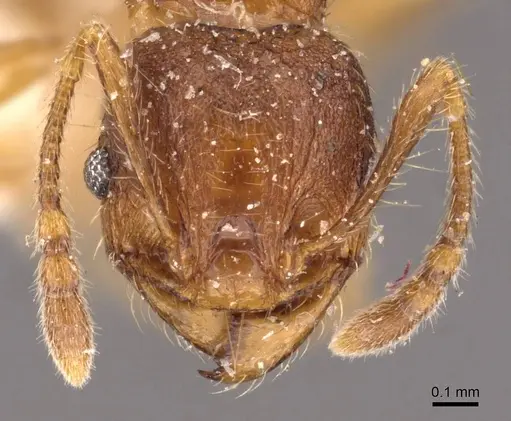
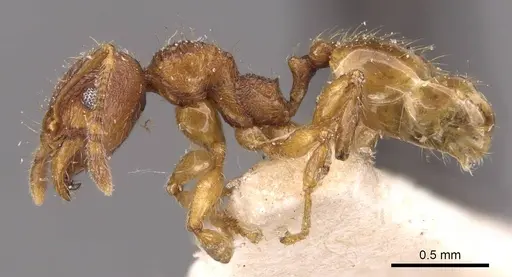
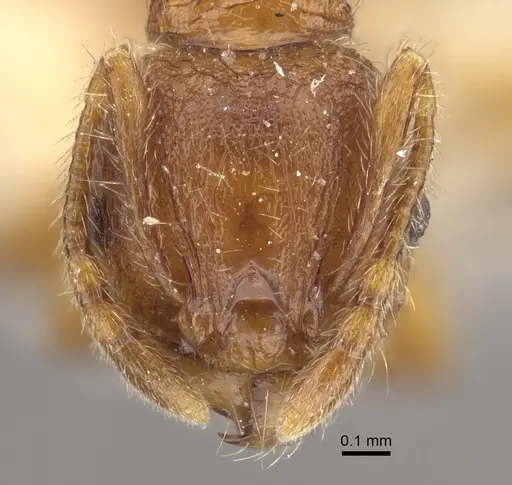
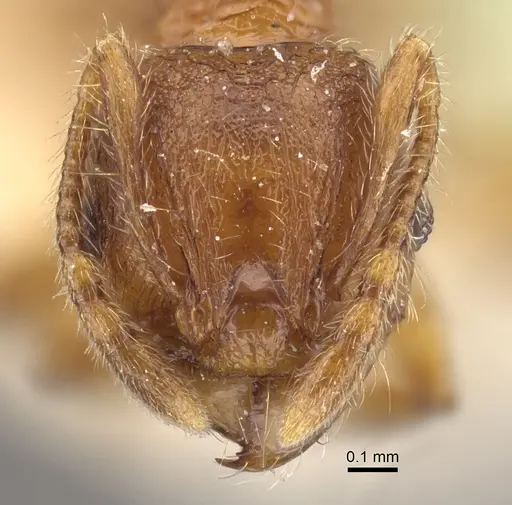
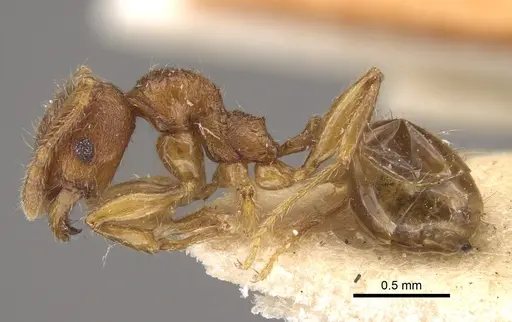
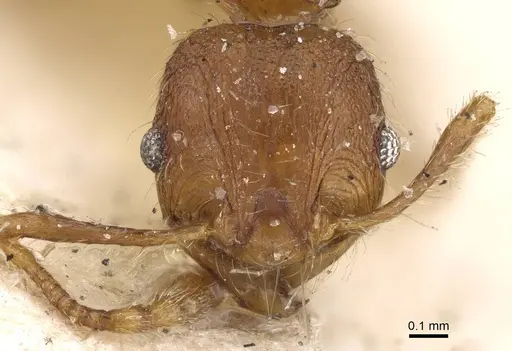
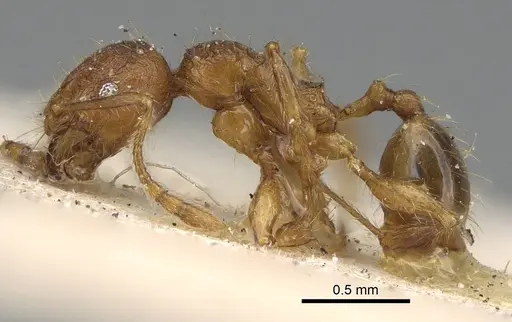
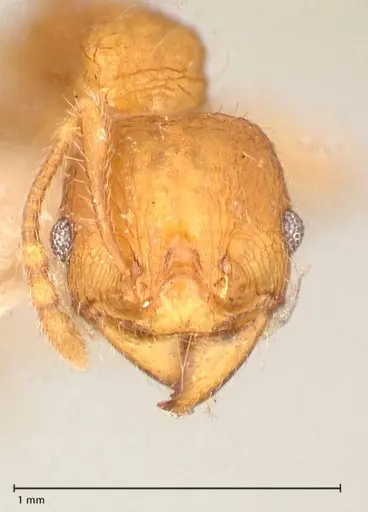
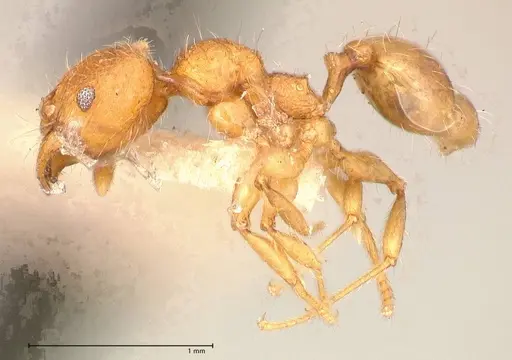
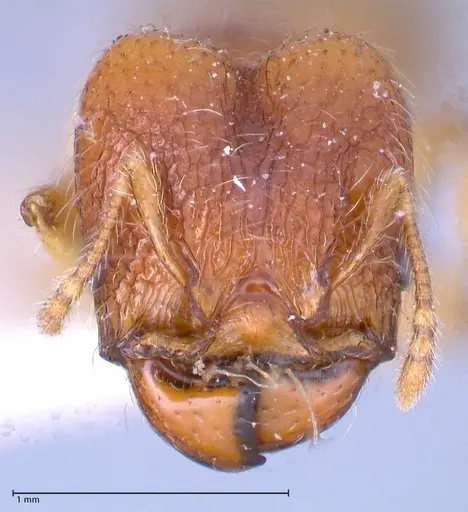
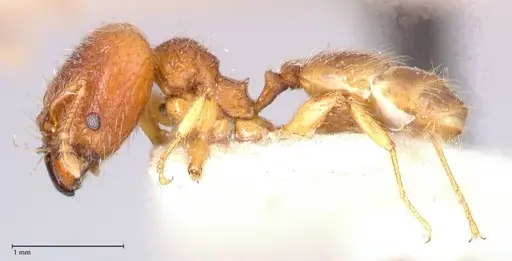
Pheidole risiii is a small Neotropical ant species native to southern Brazil and Argentina. Like all Pheidole species, they have two worker castes: major workers (soldiers) with large heads for defense and food processing, and smaller minor workers that handle most foraging and brood care. Majors measure around 1mm in head width, while minors are smaller at 0.66mm. The major workers have a reddish-yellow body with a yellowish-brown abdomen, while minors are uniformly dark yellow. This species is a quintessential generalist in its natural habitat, meaning it forages for a wide variety of food sources and adapts well to different conditions. Studies in southern Brazil's Atlantic forest show P. risii is one of the most common and widespread ant species in the region, found consistently across multiple sampling sites [1][2].
Quick Summary
- Difficulty: Easy
- Origin & Habitat: Native to the Neotropical region, specifically southern Brazil (São Paulo, Paraná) and Argentina. Found in Atlantic forest habitats and surrounding areas including wind farms and small hydropower influence zones [1][3][2].
- Colony Type: Likely monogyne (single queen colonies) based on typical Pheidole genus patterns. Colonies likely reach several hundred workers given their common status in field studies.
- Colony: Monogyne
- Founding: Claustral
- Size & Growth:
- Queen: Approximately 6-7mm (estimated from genus patterns)
- Worker: Minor workers: 0.66mm head width, Major workers: 0.96mm head width
- Colony: Likely several hundred workers based on field abundance data [1]
- Growth: Moderate, typical for small Myrmicinae
- Development: 6-10 weeks (estimated based on related Pheidole species) (Development time is estimated from genus-level data since specific development has not been documented for this species)
- Antkeeping:
- Temperature: Keep at 22-26°C. As a Neotropical species from southern Brazil, they prefer warm conditions but can tolerate moderate temperature ranges. A heating cable on one side of the nest creates a suitable gradient.
- Humidity: Keep the nest substrate moderately moist. These ants are found in Atlantic forest environments, so they prefer humidity around 60-80%. The substrate should feel damp but not waterlogged, with some drier areas available.
- Diapause: Unlikely to require true hibernation given their Neotropical origin. They may show reduced activity during cooler months but typically remain active year-round in captivity if kept warm.
- Nesting: In nature, they nest in soil and under stones in forest habitats. In captivity, a test tube setup works well for founding colonies. For established colonies, a Y-tong (AAC) nest or plaster nest with moist substrate works well. They do well in naturalistic setups with a soil layer.
- Behavior: Pheidole risiii is a generalist forager with typical Pheidole behavior. Major workers defend the colony and help process food, while minor workers handle most foraging and brood care. They are not particularly aggressive but will defend their nest vigorously if threatened. Escape risk is moderate, minor workers are small (0.66mm) so ensure your setup has no small gaps, but they are not as tiny as some Myrmicinae. They are active foragers that will readily explore their outworld for food.
- Common Issues: moderate escape risk due to small minor workers, use fine mesh and check for gaps, colonies may decline if kept too dry, monitor substrate moisture, major workers can block nest entrances if chambers are too small, overfeeding can lead to mold in the nest, remove uneaten food promptly, cold temperatures below 20°C may slow or stop brood development
Housing and Nest Setup
For founding colonies, a simple test tube setup works perfectly. Fill a test tube one-third with water, plug with a cotton ball, and place the queen in the tube. The queen will seal herself in and lay eggs. Once you have 10-20 workers, you can move them to a formicarium. A Y-tong (AAC) nest or plaster nest works well for established colonies. These ants prefer nests with moist substrate, the plaster or acrylic chambers should have a water reservoir or be misted regularly. The outworld should have a foraging area where you place food. Ensure all connections between nest and outworld are secure, as minor workers can squeeze through small gaps.
Feeding and Diet
Pheidole risiii is a generalist, meaning they accept a wide variety of foods. In captivity, offer protein sources like small insects (fruit flies, small crickets, mealworms), and provide sugar sources like honey water or sugar water. They will also eat seeds and other organic matter. Feed protein 2-3 times per week, and keep a sugar source available at all times. Remove uneaten food promptly to prevent mold. Minor workers will carry food deep into the nest, while major workers may help process larger prey items.
Temperature and Seasonal Care
As a Neotropical species from southern Brazil, Pheidole risiii prefers warm conditions. Keep the nest area at 22-26°C for optimal brood development. A heating cable placed on top of the nest can create a gentle warmth gradient. They do not require hibernation like temperate species, but may show reduced activity in cooler months. If your room temperature drops below 20°C regularly, consider using a small heater or heating mat. Avoid sudden temperature changes, as these can stress the colony.
Colony Growth and Development
The queen lays eggs shortly after being mated. She seals herself in a chamber and raises the first brood alone. The first workers (nanitics) are typically smaller than mature workers. Once the first workers emerge, they take over foraging and brood care, and the colony enters a growth phase. Based on typical Pheidole development, you can expect first workers within 6-10 weeks at warm temperatures. The colony will grow gradually, with major workers appearing as the colony reaches several dozen workers. Colonies in the wild reach several hundred workers, and your captive colony should achieve similar numbers with proper care.
Behavior and Defense
Pheidole risiii has typical Pheidole colony organization. Minor workers handle most tasks: foraging, caring for brood, and cleaning the nest. Major workers (soldiers) defend the colony and help process large food items. When threatened, majors will block nest entrances and may bite. They do not have a stinger, but their bite can be noticeable. The colony will be most active during the day, foraging for food in the outworld. They are not aggressive toward keepers and typically stay in their nest area unless disturbed.
Frequently Asked Questions
How long does it take for Pheidole risii to have first workers?
Expect first workers in 6-10 weeks after the queen lays eggs, assuming temperatures around 24°C. This is based on typical Pheidole development patterns since specific timing for P. risii hasn't been documented.
What do Pheidole risii ants eat?
They are generalists that accept both protein and sugar. Feed small insects like fruit flies or mealworms for protein 2-3 times per week, and provide honey water or sugar water constantly. They will also eat seeds and other organic matter.
Are Pheidole risii good for beginners?
Yes, this species is beginner-friendly. They are hardy, adaptable, and not demanding in their care requirements. Their generalist diet makes feeding straightforward, and they tolerate a range of conditions.
What temperature do Pheidole risii need?
Keep them at 22-26°C. A heating cable on the nest can help maintain warmth, especially in cooler rooms. Avoid temperatures below 20°C for extended periods.
Do Pheidole risii need hibernation?
No, they do not require hibernation. As a Neotropical species, they prefer year-round warmth and will remain active in captivity if kept at appropriate temperatures.
How big do Pheidole risii colonies get?
Based on field studies showing they are among the most common ants in their range, colonies likely reach several hundred workers. With good care, your colony should grow to this size over 1-2 years.
When should I move Pheidole risii to a formicarium?
Move them once you have 15-20 workers and the test tube is becoming crowded. A Y-tong or plaster nest works well. Make sure the new setup has moist substrate and secure connections.
Why are my Pheidole risii dying?
Common causes include: too dry conditions (keep substrate moist), cold temperatures (maintain 22-26°C), mold from overfeeding (remove uneaten food), or escape through small gaps (check for tiny openings). Review each of these factors and adjust accordingly.
Can I keep multiple Pheidole risii queens together?
Not recommended. Like most Pheidole, they are likely monogyne (single queen). Combining unrelated queens has not been documented and would likely result in fighting.
References

This caresheet is licensed under CC BY-SA 4.0 .
CASENT0908198
View on AntWeb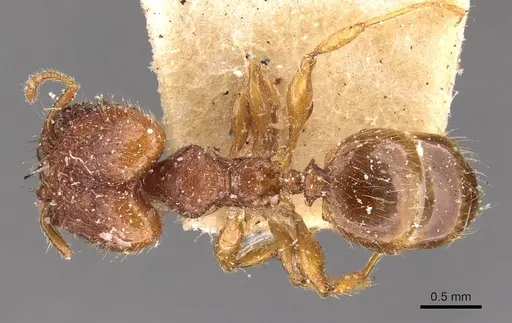
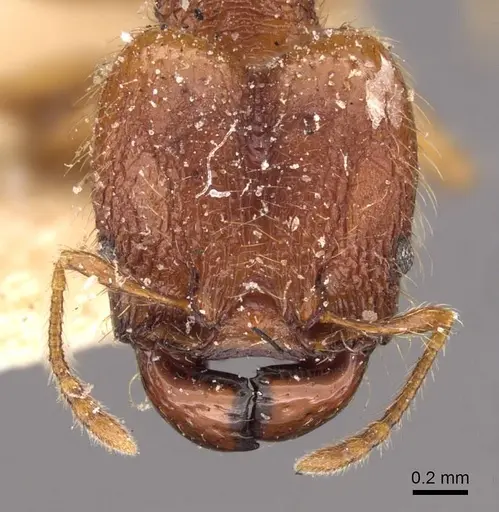
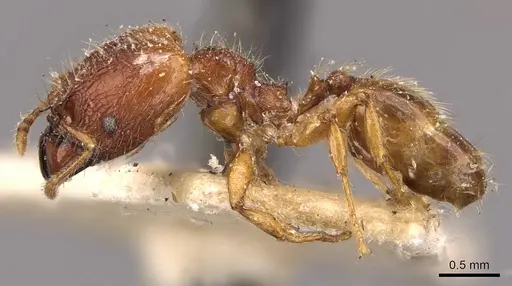
CASENT0908199
View on AntWeb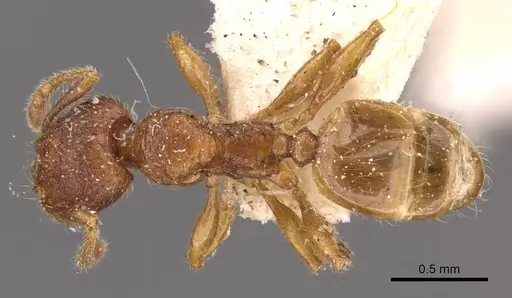
CASENT0917783
View on AntWeb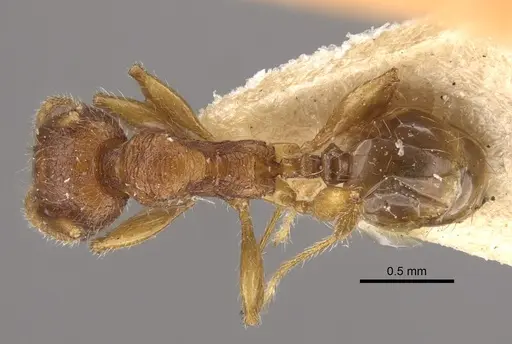
CASENT0922215
View on AntWeb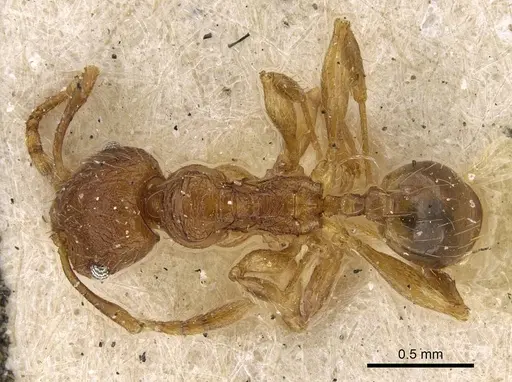
FOCOL0623-1
View on AntWeb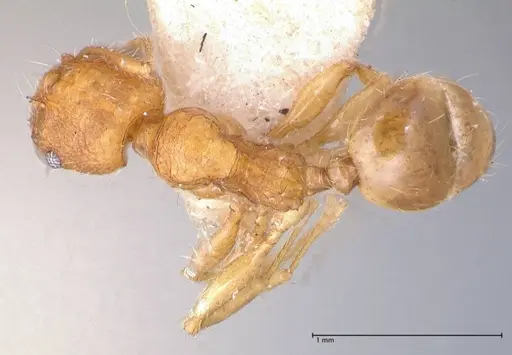
FOCOL0623-2
View on AntWeb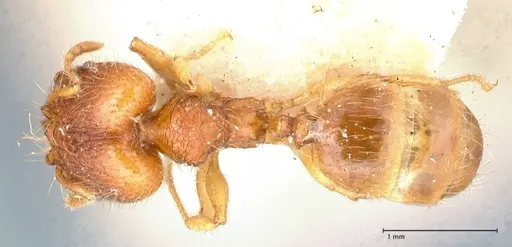
Literature
Loading...Loading products...