

Pheidole rhinoceros
- Scientific Name
- Pheidole rhinoceros
- Tribe
- Attini
- Subfamily
- Myrmicinae
- Author
- Forel, 1899
- Distribution
- Found in 5 countries
Pheidole rhinoceros Overview
Pheidole rhinoceros is an ant species of the genus Pheidole. It is primarily documented in 5 countries , including Costa Rica, Honduras, Mexico. Detailed taxonomic data and occurrence records can be further explored via authoritative databases such as AntWeb or the Global Biodiversity Information Facility (GBIF).
Pheidole rhinoceros
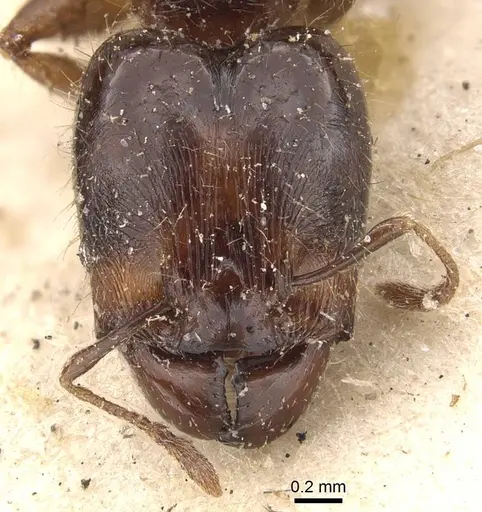
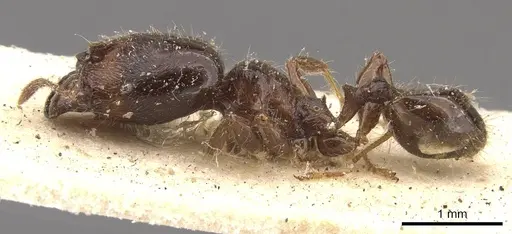
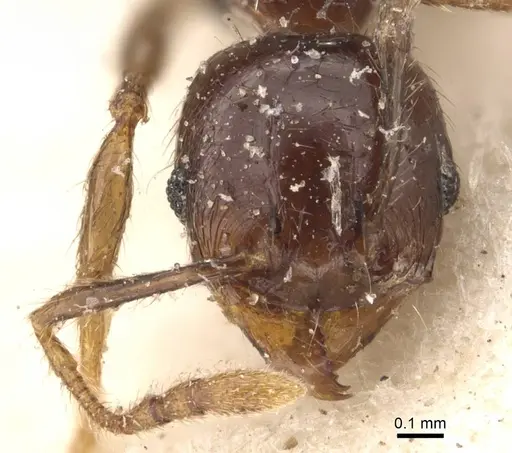
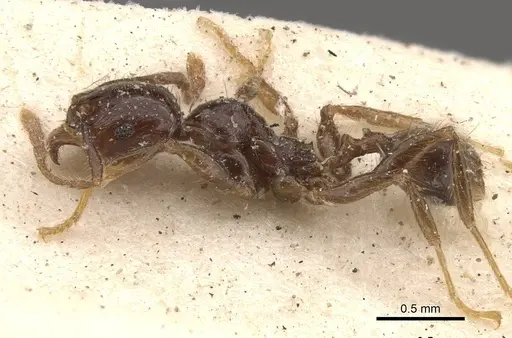
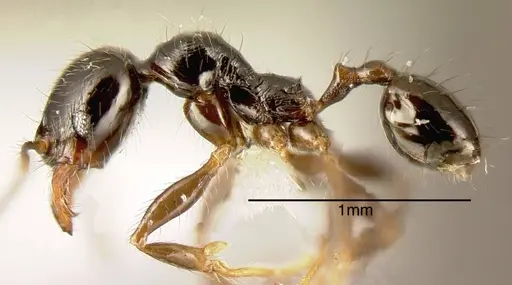
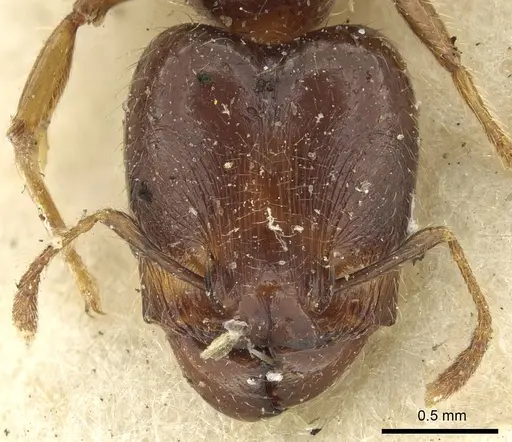
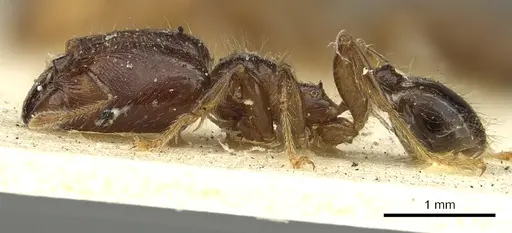
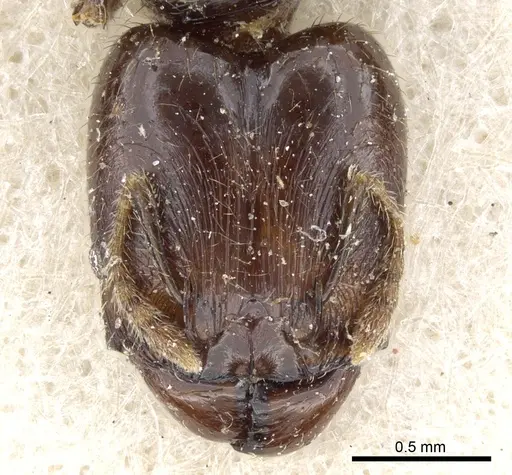
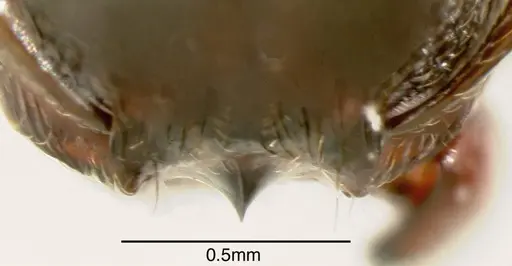
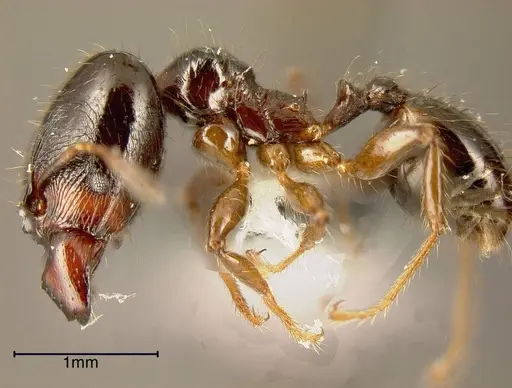
Pheidole rhinoceros is a small Neotropical ant known for its distinctive major workers, which have a hornlike protrusion on the face, the feature that gave the species its name (rhinoceros means 'nose-horned'). Majors measure around 4mm, while minor workers are about half that size at 2.4-2.5mm. They are light to medium brown in color [1]. This species inhabits lowland wet forests from Panama through Costa Rica, Honduras, Nicaragua, and into southern Mexico [2]. Unlike many ants, workers of this species rarely come to food baits, making them challenging to find through standard collecting methods [3]. They nest in dead wood on the forest floor, under loose bark, and occasionally in the hollow stems of plants like Piper and Myriocarpa [3].
Quick Summary
- Difficulty: Medium
- Origin & Habitat: Lowland wet forests of Central America (Panama to southern Mexico), from sea level up to about 500-1100m depending on location [3][2]. They prefer humid, shaded forest floor environments.
- Colony Type: Colony structure is unconfirmed. Pheidole species are typically single-queen (monogyne) colonies, but this has not been specifically documented for P. rhinoceros.
- Colony: Monogyne
- Founding: Claustral
- Size & Growth:
- Queen: Unconfirmed, estimated 8-10mm based on genus patterns
- Worker: Major workers 4.2mm, minor workers 2.4-2.5mm [1]
- Colony: Unconfirmed, typical Pheidole colonies reach several hundred workers
- Growth: Moderate, estimated based on genus patterns
- Development: 6-8 weeks (estimated based on typical Pheidole development in tropical conditions) (Development time is estimated, no specific study exists for this species. Tropical Pheidole species typically develop faster than temperate species.)
- Antkeeping:
- Temperature: Keep at 24-28°C, they are a lowland tropical species that thrives in warm, humid conditions. A gentle gradient allowing cooler areas is beneficial.
- Humidity: High humidity is essential, they come from wet forest habitats. Keep nest substrate consistently moist but not waterlogged. Aim for 70-80% relative humidity in the nest area.
- Diapause: No, as a tropical species, they do not require hibernation. However, slight seasonal reductions in activity may occur during drier periods in captivity.
- Nesting: They naturally nest in dead wood, under loose bark, and in plant stems. In captivity, they do well in naturalistic setups with wood pieces, cork bark, or a Y-tong/plaster nest with moist substrate. The key is providing humid, rot-resistant materials that can hold moisture.
- Behavior: This species is relatively non-aggressive and docile. Major workers have the distinctive hornlike protrusion on the clypeus but are not particularly aggressive. Workers are small and can escape through tiny gaps, excellent escape prevention is critical. They are not known for stinging and pose no danger to keepers. The main behavioral note is that they rarely recruit to food baits, so don't be concerned if they don't immediately swarm protein sources.
- Common Issues: escape prevention is critical, their small size means they can squeeze through standard barrier setups, high humidity requirements can lead to mold if ventilation is inadequate, colonies may not readily accept baits, persistence with feeding trials may be needed, slow colony growth can frustrate beginners, these are not fast-growing ants, test tube setups may dry out too quickly in dry climates, monitor moisture levels closely
Housing and Nest Setup
Pheidole rhinoceros requires a humid setup that mimics their natural forest floor habitat. naturalistic terrariums work well, use a layer of moist soil or plaster as the base, with pieces of dead wood, cork bark, or PVC pipes for nesting sites. The substrate should stay consistently moist but never waterlogged. A glass tank with a secure mesh lid provides good visibility while preventing escapes. Because they nest in wood and plant stems in the wild, adding small diameter tubes or hollow sticks gives them natural-looking spaces. Test tube setups can work but require frequent monitoring to prevent drying out, consider using a test tube connected to a foraging area with a water reservoir section. [3][2]
Feeding and Diet
Like most Pheidole species, these ants are omnivorous with a preference for protein. Offer small insects like fruit flies, pinhead crickets, or mealworm pieces. They may also accept protein-based commercial ant foods. Sugar sources like honey water or sugar water can be offered but acceptance varies, some colonies take readily to sweets while others ignore them. The key thing to remember is that wild P. rhinoceros workers rarely recruit to baits, so don't be alarmed if they don't immediately swarm food. Offer small amounts and remove uneaten food after 24-48 hours to prevent mold. Feed every 2-3 days for established colonies, with constant access to a sugar source if accepted. [3]
Temperature and Humidity Management
As a lowland tropical species, P. rhinoceros needs warm, stable temperatures in the 24-28°C range. Room temperature in most homes (20-24°C) is acceptable, but they will be more active and develop faster in the warmer end of this range. Use a heating cable on one side of the nest to create a gentle gradient if your room runs cool. Humidity is critical, aim for 70-80% relative humidity in the nest area. This can be achieved by keeping the substrate moist and using a water reservoir. Mist the enclosure occasionally but avoid creating standing water. Good ventilation prevents mold while maintaining humidity. In dry climates, you may need to mist more frequently or use a humidifier near the setup. [3][2]
Colony Development and Growth
Pheidole colonies grow through the classic major/minor worker system. Early-stage colonies will produce mostly minor workers, with majors appearing once the colony reaches around 100 workers. The distinctive horned major workers are a sign of a healthy, maturing colony. Development from egg to worker likely takes 6-8 weeks at optimal tropical temperatures, though this is estimated based on genus patterns rather than specific studies of this species. Colonies probably reach several hundred workers at maturity. The slow growth rate is worth noting, don't expect rapid expansion like some faster-growing Myrmicinae. Patience is key with this species. [1]
Behavior and Temperament
Pheidole rhinoceros is a docile species that poses no threat to keepers. Major workers have their distinctive hornlike facial protrusion but are not aggressive defenders. Workers are small and primarily forage individually rather than in large recruitment swarms, this matches their behavior in the wild where they rarely recruit to baits. They are not known to sting, and even if they could, their sting would be negligible. The main behavioral consideration is escape prevention, their small size means they can slip through gaps that larger ants cannot. Always use fine mesh on any openings and apply barrier grease or fluon to container rims. They are best suited for observation rather than interactive handling. [3][1]
Frequently Asked Questions
How long does it take for Pheidole rhinoceros to produce first workers?
Based on typical Pheidole development, expect 6-8 weeks from egg to first worker at optimal temperatures (24-28°C). This is an estimate since specific development data doesn't exist for this species.
What do Pheidole rhinoceros ants eat?
They are omnivorous with a protein focus. Offer small insects like fruit flies, pinhead crickets, or mealworm pieces. They may accept sugar water or honey, but acceptance varies. Remove uneaten food after 24-48 hours.
What temperature do Pheidole rhinoceros need?
Keep them warm at 24-28°C. They are a lowland tropical species that thrives in warm, humid conditions. Room temperature in the low-mid 20s°C is acceptable.
Are Pheidole rhinoceros good for beginners?
They are intermediate in difficulty. The main challenges are maintaining high humidity, providing proper escape prevention due to their small size, and patience with their moderate growth rate.
How big do Pheidole rhinoceros colonies get?
Colony size is not specifically documented, but typical Pheidole colonies reach several hundred workers at maturity.
Do Pheidole rhinoceros need hibernation?
No, they are a tropical species and do not require hibernation or diapause. They may show reduced activity during drier periods.
Why won't my Pheidole rhinoceros come to food baits?
This is normal behavior, wild workers of this species rarely recruit to baits. Try offering small amounts of varied foods and be patient. They may simply be less food-oriented than other ants.
What type of nest is best for Pheidole rhinoceros?
They do well in naturalistic setups with moist substrate (soil or plaster), pieces of dead wood, cork bark, or small tubes. The key is maintaining high humidity while ensuring good ventilation.
Can I keep multiple queens together?
Pheidole species are typically single-queen colonies. Combining unrelated queens is not recommended as they would likely fight. Only one queen per colony is standard.
References

This caresheet is licensed under CC BY-SA 4.0 .
CASENT0610061
View on AntWeb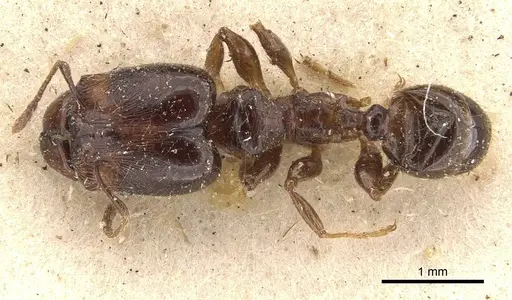
CASENT0610062
View on AntWeb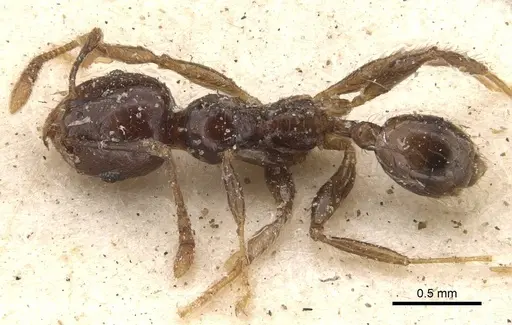
CASENT0635518
View on AntWeb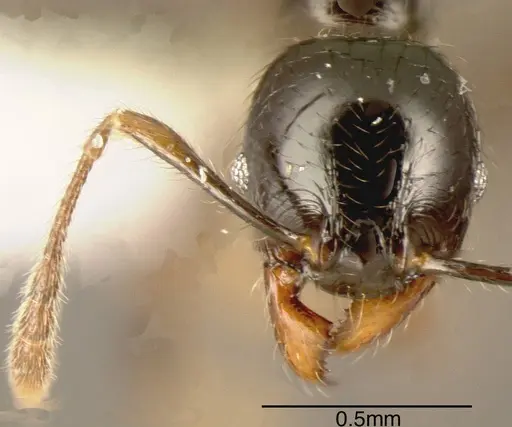
CASENT0901606
View on AntWeb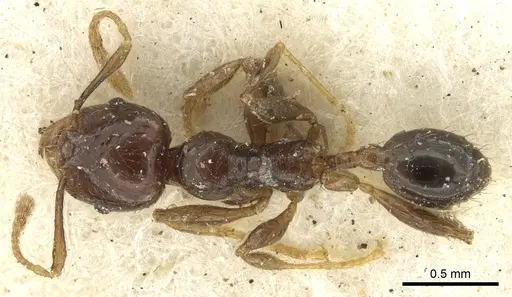
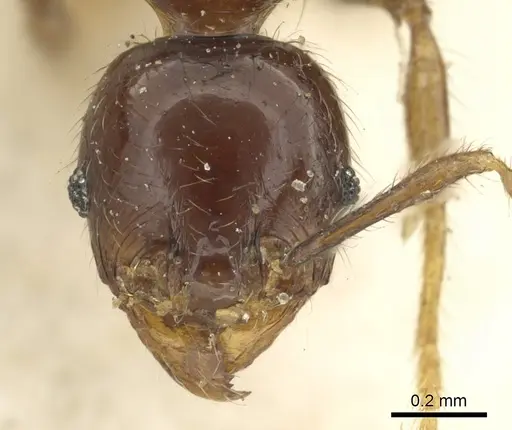
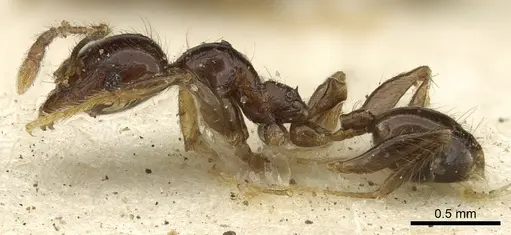
CASENT0901607
View on AntWeb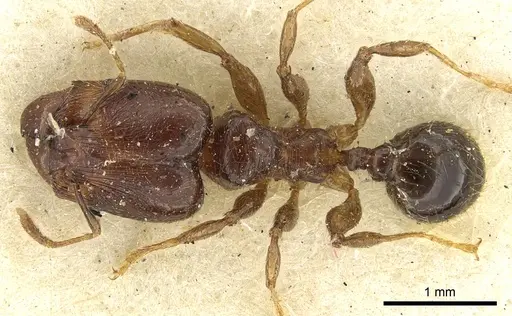
CASENT0904383
View on AntWeb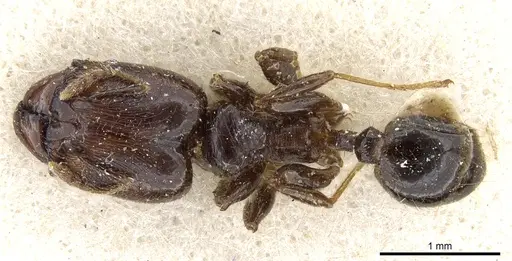
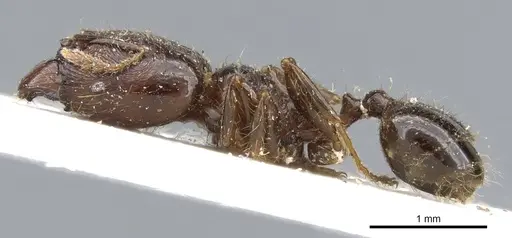
JTLC000002907
View on AntWeb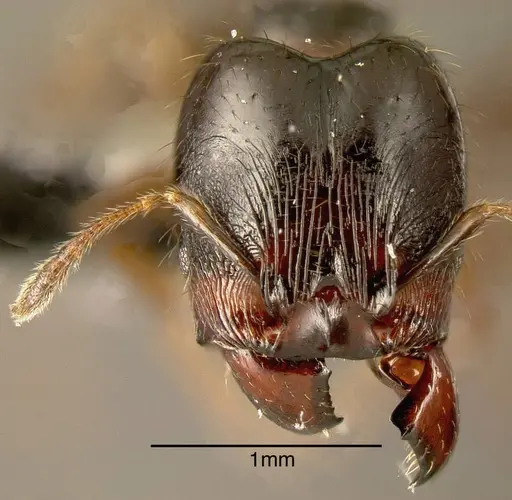
Literature
Loading...Loading products...