

Pheidole renirano
- Scientific Name
- Pheidole renirano
- Tribe
- Attini
- Subfamily
- Myrmicinae
- Author
- Salata & Fisher, 2020
- Distribution
- Found in 1 countries
Pheidole renirano Overview
Pheidole renirano is an ant species of the genus Pheidole. It is primarily documented in 1 countries , including Madagascar. Detailed taxonomic data and occurrence records can be further explored via authoritative databases such as AntWeb or the Global Biodiversity Information Facility (GBIF).
Pheidole renirano
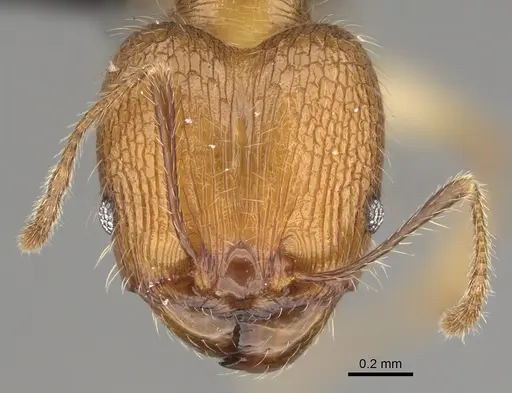
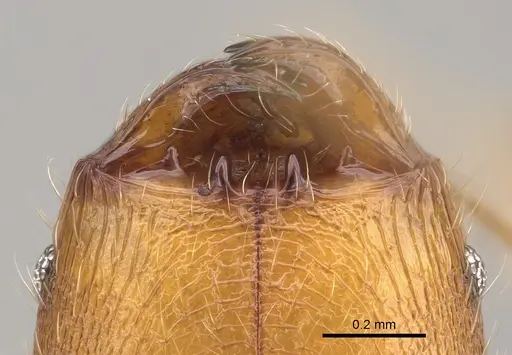
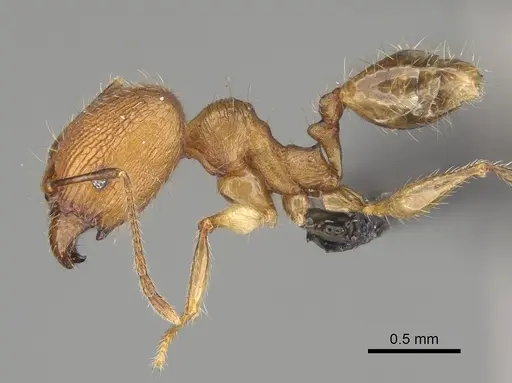
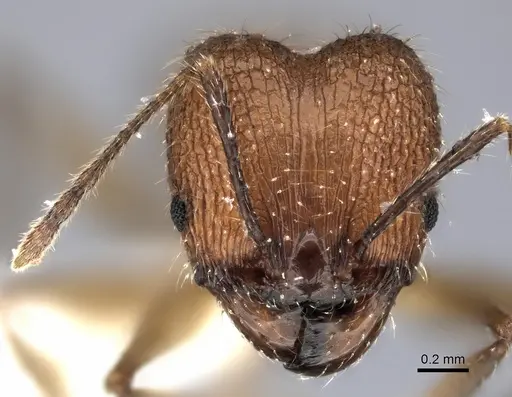
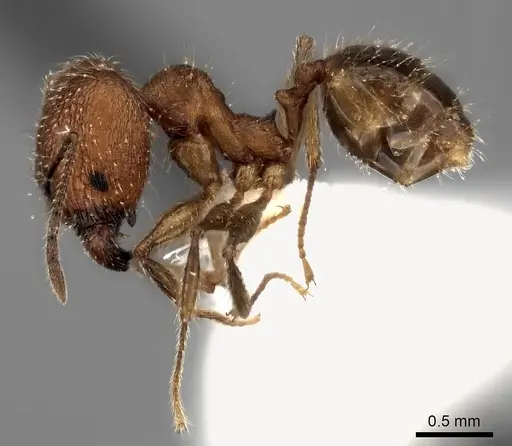
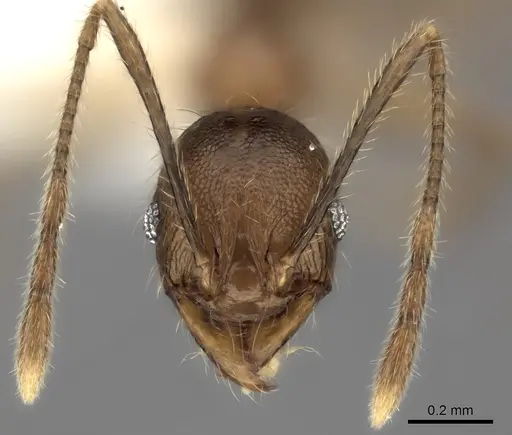
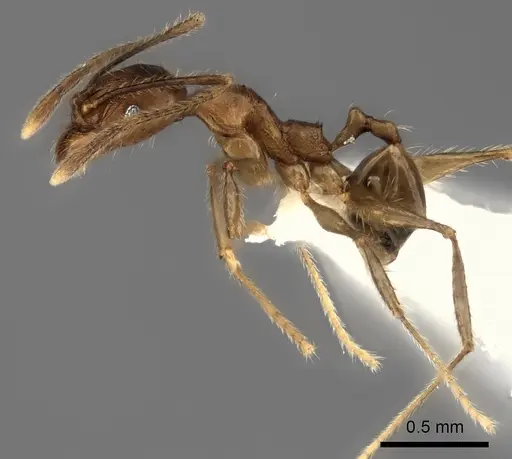
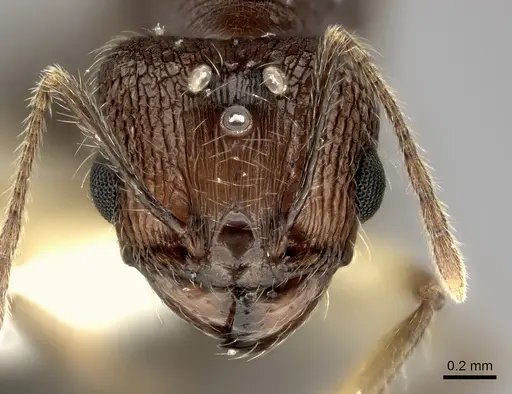
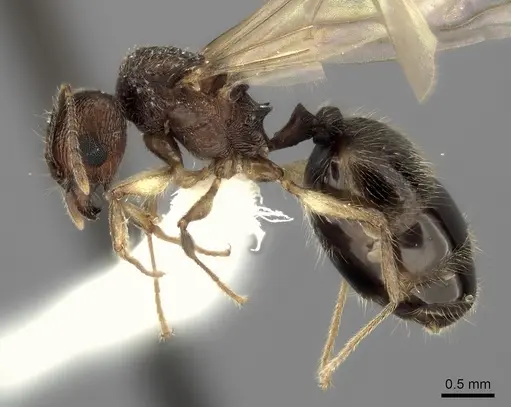
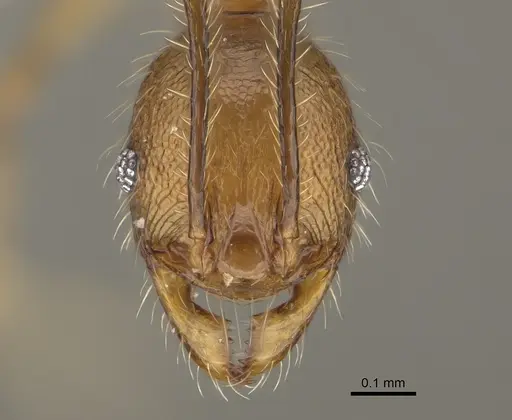
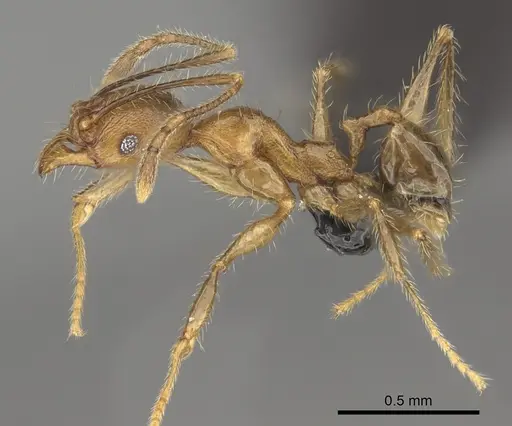
Pheidole renirano is a small to moderately large ant species native to the rainforests of eastern Madagascar. Major workers have a distinctive bright yellow body with smooth to lightly shagreened gaster, while minor workers are yellowish-brown with darker vertex and gaster. The species belongs to the Pheidole sikorae group and was only recently described in 2020. Majors have the characteristic large heads typical of Pheidole, with thick longitudinal rugae on the head and moderately long suberect pilosity. This species nests in rotten logs and sticks on the rainforest floor at elevations between 125-725 meters [1]. The name 'renirano' comes from Malagasy meaning 'river', referring to the Sandrangato River near where it was first discovered.
Quick Summary
- Difficulty: Medium
- Origin & Habitat: Eastern Madagascar, Toamasina prefecture, rainforest habitat at 125-725m elevation [1]
- Colony Type: Colony structure is unconfirmed for this species. Based on typical Pheidole patterns, likely single-queen (monogyne) colonies.
- Size & Growth:
- Queen: Undescribed in original description, estimated 6-8mm based on genus patterns
- Worker: Majors: 1.05-1.21mm head length, Minors: 0.53-0.59mm head length [1]
- Colony: Maximum colony size is unconfirmed, but related Pheidole species typically reach several hundred to a few thousand workers
- Growth: Moderate, inferred from tropical rainforest habitat
- Development: Estimated 4-6 weeks at optimal tropical temperatures, based on typical Pheidole development patterns (Development time is estimated as this specific species has not been studied. Tropical Pheidole species generally develop faster than temperate species.)
- Antkeeping:
- Temperature: Keep around 24-28°C, this matches their natural rainforest environment in lowland Madagascar. A slight temperature gradient is recommended.
- Humidity: High humidity is essential, rainforest species need 70-85% humidity. Keep the nest substrate consistently moist but not waterlogged.
- Diapause: Unlikely, as a tropical rainforest species from low elevation Madagascar, they probably do not require a true diapause. However, a slight reduction in temperature during the cooler months (May-September) may be appropriate.
- Nesting: In nature they nest in rotten logs and sticks on the ground. In captivity, a naturalistic setup with rotten wood or a well-humidified Y-tong/plaster nest works well. They prefer tight chambers scaled to their small size.
- Behavior: Pheidole renirano is a generalist forager typical of the genus. Workers forage for seeds, small insects, and honeydew. Major workers have large heads for seed processing but are not particularly aggressive, they may deliver a mild bite if threatened. Escape prevention is important due to their small minor worker size (under 1mm). They are active foragers and will establish clear trails to food sources.
- Common Issues: high humidity requirements mean mold can be a problem if ventilation is poor, small minor workers can escape through standard test tube setups, use fine mesh barriers, tropical species may struggle if room temperature drops below 22°C, newly described species means captive breeding information is limited, expect some trial and error, wild-caught colonies may carry parasites that can cause colony failure
Nest Preferences
In the wild, Pheidole renirano nests exclusively in rotten logs and sticks on the rainforest floor [1]. This tells us they prefer dark, humid microhabitats with access to decaying wood. For captive care, a naturalistic setup with pieces of rotting wood or a well-humidified Y-tong (acrylic) nest works best. The nest should have tight chambers scaled to their tiny size, avoid large open spaces. Keep the nest material consistently moist but not sitting in water. A layer of substrate that holds humidity well (like a mix of soil and coco fiber) helps maintain the moisture levels they need. Some keepers have success with plaster nests, but these must be kept humid and may need rehydration more frequently than wood-based setups.
Feeding and Diet
Pheidole species are generalist foragers, and this species likely accepts a typical Pheidole diet. Offer protein sources like small insects (fruit flies, small crickets, mealworms) and seeds with optional sugar sources like honey water or sugar water. In the wild, they likely forage for small arthropods and collect honeydew from aphids or scale insects. Feed protein 2-3 times per week and keep sugar water available constantly. Remove uneaten prey after 24-48 hours to prevent mold. Seeds should be small, cracked millet or similar tiny seeds work well. The large majors are adapted for seed processing, so offering seeds encourages this natural behavior.
Temperature and Care
As a tropical rainforest species from lowland eastern Madagascar, Pheidole renirano needs warm, stable temperatures. Aim for 24-28°C with a slight gradient if possible. This species comes from an environment with minimal seasonal temperature variation, so avoid cold drafts or air conditioning vents near the colony. A small heating cable or heating mat on one side of the nest can help maintain optimal temperatures if your room is cooler. Place the heating on top of the nest, not underneath, to avoid drying out the substrate too quickly. Monitor for signs of stress, if workers cluster away from heated areas, reduce temperature. If they seem sluggish, slightly increase heat. [1]
Behavior and Temperament
This is a typical Pheidole species in terms of behavior, workers are active foragers that establish clear trails to food sources. Major workers have the characteristic large heads used for seed processing, but they are not particularly aggressive. If threatened, majors may deliver a mild bite using their well-developed mandibles. The main concern for keepers is the small size of minor workers, they can easily escape through gaps that would hold larger ants. Use fine mesh (at least 0.5mm) on any ventilation holes and ensure all connections are tight-fitting. Workers are fast-moving and will quickly exploit any food sources you provide, making them entertaining to watch during feeding time. [1]
Colony Founding
The founding behavior of Pheidole renirano has not been directly studied. However, based on typical Pheidole patterns, the queen likely seals herself in a small chamber (claustral founding) and survives on stored fat reserves until her first workers emerge. The first generation typically produces smaller 'nanitic' workers that are often less numerous than normal workers. During this critical period, the queen should not be disturbed. Expect 4-6 weeks from egg to first worker at optimal temperatures. Once workers emerge, they will begin foraging and the colony enters a growth phase.
Seasonal Care
As a tropical species from low elevation Madagascar, Pheidole renirano does not experience harsh winters in its natural range. A true diapause (hibernation) is likely not required or beneficial. However, the cooler months from May to September in Madagascar correspond to the dry season, and slight temperature reductions may be appropriate in captivity during this period. Reduce temperatures by 2-3°C rather than implementing a full hibernation. Keep humidity consistent year-round. The key seasonal consideration is avoiding temperature drops below 22°C, which could stress or kill the colony. [1]
Frequently Asked Questions
How long does it take for Pheidole renirano to produce first workers?
Based on typical Pheidole development patterns, expect 4-6 weeks from egg to first worker at optimal temperatures (24-28°C). This is an estimate since this specific species has not been studied for development time.
What do Pheidole renirano ants eat?
They are generalists like other Pheidole species. Offer small insects (fruit flies, small crickets, mealworms) as protein 2-3 times per week, and keep sugar water or honey water available constantly. They will also accept small seeds.
Can I keep multiple queens together?
The colony structure of this species is unconfirmed. Based on typical Pheidole patterns, they are likely single-queen colonies. Combining unrelated queens is not recommended as fighting is likely.
What temperature do Pheidole renirano need?
Keep them at 24-28°C. This tropical rainforest species needs warm, stable temperatures. A slight gradient allows workers to choose their preferred temperature zone.
What humidity level is required?
High humidity is essential, aim for 70-85%. This rainforest species needs consistently moist substrate. Mist the outworld occasionally and keep the nest substrate damp but not waterlogged.
Are Pheidole renirano good for beginners?
This species is rated as Medium difficulty. They have specific humidity and temperature requirements typical of tropical rainforest ants. The main challenges are maintaining high humidity and preventing escape due to their small size. Some experience with ant keeping is helpful.
How big do colonies get?
Maximum colony size is unconfirmed for this specific species, but related Pheidole species typically reach several hundred to a few thousand workers. Growth is moderate.
Do they need hibernation?
Unlikely. As a tropical species from lowland Madagascar, they probably do not require a true diapause. A slight temperature reduction during the cooler months (2-3°C) may be appropriate, but full hibernation is not recommended.
What type of nest should I use?
In nature they nest in rotten logs. A naturalistic setup with rotting wood pieces or a well-humidified Y-tong/plaster nest works best. The chambers should be tight and scaled to their small size.
Why are my ants escaping?
Minor workers are very small (under 1mm) and can squeeze through standard gaps. Use fine mesh (0.5mm or smaller) on all ventilation, check all lid seals, and ensure connections are tight. Small size means excellent escape prevention is critical.
References

This caresheet is licensed under CC BY-SA 4.0 .
CASENT0161924
View on AntWeb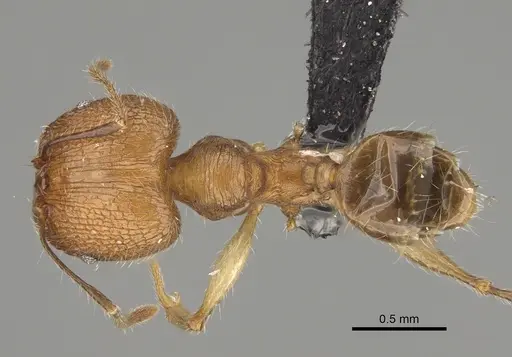
CASENT0198637
View on AntWeb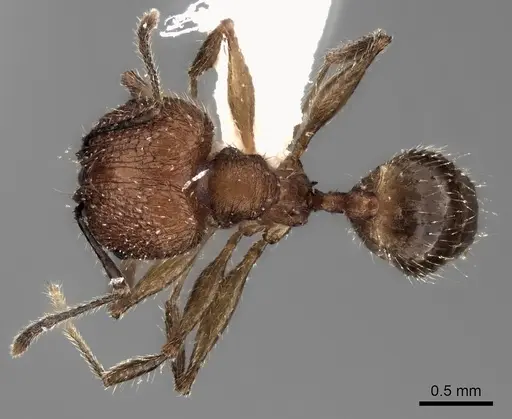
CASENT0235063
View on AntWeb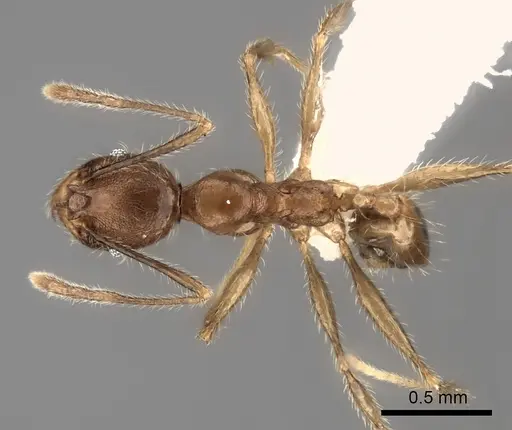
CASENT0235064
View on AntWeb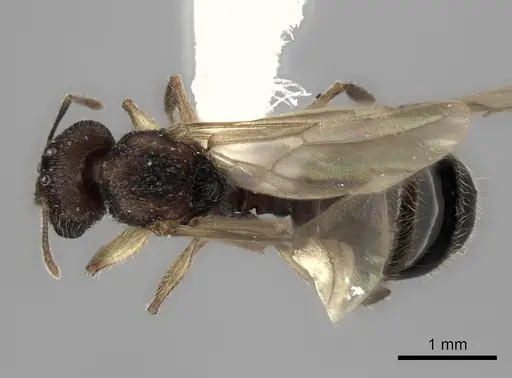
CASENT0923324
View on AntWeb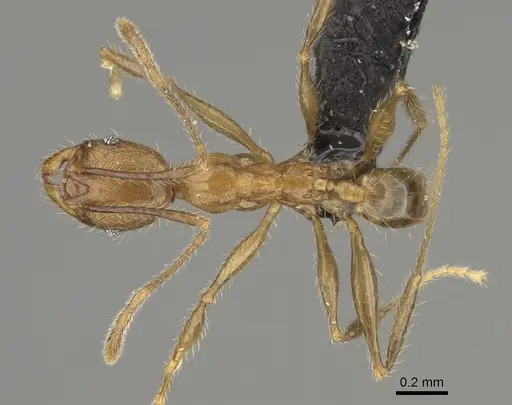
Literature
Loading...Loading products...