

Pheidole rectitrudis
- Scientific Name
- Pheidole rectitrudis
- Tribe
- Attini
- Subfamily
- Myrmicinae
- Author
- Wilson, 2003
- Distribution
- Found in 6 countries
Pheidole rectitrudis Overview
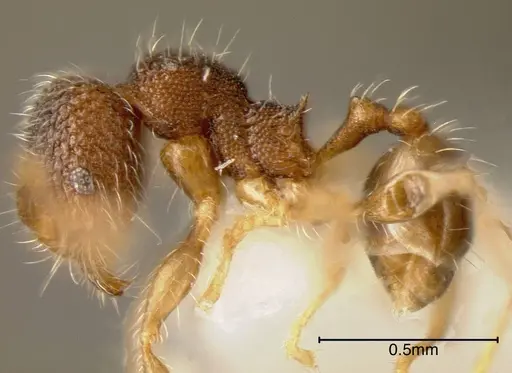
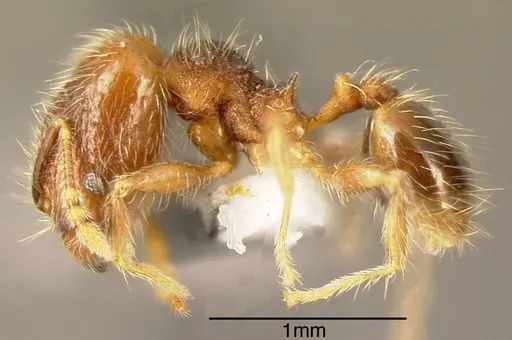
Pheidole rectitrudis is an ant species of the genus Pheidole. It is primarily documented in 6 countries , including Costa Rica, Guatemala, Honduras. Detailed taxonomic data and occurrence records can be further explored via authoritative databases such as AntWeb or the Global Biodiversity Information Facility (GBIF).
Pheidole rectitrudis
Pheidole rectitrudis is a dimorphic ant species native to Central America, found in Costa Rica, Guatemala, and Mexico [1][2]. Like all Pheidole species, they have two worker castes: large major workers with distinctive large heads for seed-processing and defense, and smaller minor workers that handle most foraging and brood care. The colony structure involves a single queen (monogyne) that seals herself in during founding and raises her first workers alone. Colonies can grow quite large, typically reaching several hundred to over a thousand workers as they mature. These ants are primarily granivorous, collecting and processing seeds, but also supplement their diet with small insects and honeydew. In the wild, they nest in soil, often under stones or in disturbed areas, and are active foragers that establish well-defined foraging trails.
Quick Summary
- Difficulty: Medium
- Origin & Habitat: Central America, documented in Costa Rica, Guatemala, and Mexico [1][2]. Inhabits tropical and subtropical environments, typically nesting in soil in shaded or partially shaded areas.
- Colony Type: Likely monogyne (single queen colonies) based on typical Pheidole patterns. The colony starts with a single founding queen that establishes a nest alone.
- Colony: Monogyne
- Founding: Claustral
- Size & Growth:
- Queen: Estimated 7-9mm based on typical Pheidole genus measurements
- Worker: Minor workers: 2-3mm, Major workers: 4-6mm [1]
- Colony: Likely several hundred to over 1000 workers based on genus patterns
- Growth: Moderate, typical for tropical Pheidole
- Development: Estimated 6-8 weeks at optimal tropical temperatures based on related species (Development time is temperature-dependent, warmer conditions (24-28°C) accelerate development)
- Antkeeping:
- Temperature: Keep at 24-28°C. A slight gradient allows ants to regulate their temperature. This species comes from tropical Central America, so warmth is important for colony activity and brood development.
- Humidity: Maintain moderate to high humidity (60-80%). The nest substrate should stay consistently moist but not waterlogged. Provide a water source via test tube setup.
- Diapause: No, this is a tropical species that does not require hibernation. Keep temperatures stable year-round.
- Nesting: Test tube setups work well for founding colonies. For established colonies, Y-tong nests or plaster nests with moisture reservoirs are suitable. Provide connections to an outworld for foraging.
- Behavior: These ants are generally peaceful but can be defensive if their nest is threatened. Major workers will respond to disturbances and can deliver a mild sting if handled roughly. They are active foragers that establish clear trails to food sources. Escape risk is moderate, they are not particularly small, but curious workers may explore gaps. Close-fitting lids and standard barrier methods are sufficient.
- Common Issues: tropical species requires consistent warmth, cold temperatures slow or stop brood development, overfeeding can lead to mold problems in the nest, remove uneaten food promptly, major workers can be aggressive if colony is disturbed, handle gently during nest checks, colonies may take several months to establish firmly, patience is needed during founding phase
Housing and Setup
For founding colonies, a simple test tube setup works perfectly. Fill a test tube about one-third with water, plug the end with cotton (creating a water reservoir), and place the queen in a dark area. The queen will seal herself into a small chamber and remain there until her first workers emerge. Do not disturb the founding chamber during this time, vibrations and light can cause her to abandon or eat her brood. Once the first batch of workers (nanitics) emerges and the colony has 10-20 workers, you can connect a small outworld for foraging. For larger colonies, transition to a Y-tong nest or plaster formicarium with a moisture chamber. These ants do best with moderate humidity, so choose a nest material that holds moisture well without becoming soggy.
Feeding and Diet
Pheidole rectitrudis is primarily granivorous, meaning they collect and eat seeds. Offer a variety of seeds appropriate to their size, millet, chia, flax, and small bird seed work well. Crush larger seeds to make them easier for the majors to process. They also need protein from small insects: fruit flies, small crickets, mealworms, and waxworms are all suitable. Offer protein once or twice a week, and keep seeds available constantly. Minor workers will carry food back to the nest, where majors process seeds using their powerful mandibles. A small dish of sugar water or honey can be offered occasionally, though these ants rely more on seeds than sugar. Remove any uneaten food within 24-48 hours to prevent mold.
Temperature and Seasonal Care
As a tropical species from Central America, Pheidole rectitrudis needs warm conditions. Keep the nest area at 24-28°C (75-82°F). Temperatures below 22°C will slow colony activity and brood development significantly. A small heating cable on one side of the nest can create a temperature gradient, allowing ants to move to warmer or cooler areas as needed. Place the heating element on top of the nest, not underneath, to avoid drying out the substrate. Since this species does not undergo diapause, maintain stable temperatures year-round. Avoid placing the colony near air conditioning vents or drafty areas that cause temperature fluctuations.
Colony Development and Growth
A newly mated queen will found her colony claustrally, she seals herself in a small chamber and does not leave to forage. She survives on her stored fat reserves while laying eggs and tending to the first brood. The first workers (nanitics) are typically smaller than normal workers but can already begin foraging and caring for subsequent brood. Colony growth is moderate: expect the first 10-20 workers within 2-3 months under optimal conditions. The colony will grow steadily over the next year, typically reaching 100-300 workers by the end of the first year. Major workers appear as the colony matures, usually once there are 50+ workers. Full colony size of several hundred to over 1000 workers is reached over 2-3 years.
Behavior and Observation
Watching a Pheidole colony is fascinating due to the clear division of labor between minor and major workers. Minor workers handle most tasks outside the nest: foraging, caring for brood, and tending to the queen. Major workers stay closer to the nest and specialize in seed processing, defense, and heavy lifting. When you disturb a nest, majors will rush to the entrance with their large mandibles ready. While they can sting, they are not particularly aggressive toward humans and rarely attack unless directly handled. In the outworld, you will see established foraging trails as workers march between the nest and food sources. This species is diurnal, most active during daylight hours.
Frequently Asked Questions
How long does it take for Pheidole rectitrudis to have first workers?
Expect first workers (nanitics) to emerge in 6-8 weeks under optimal conditions (24-28°C). The exact timing depends on temperature, warmer conditions speed development, while cooler temperatures delay it.
What do Pheidole rectitrudis ants eat?
They are primarily granivorous, eating seeds like millet, chia, and small bird seed. They also need protein from small insects (fruit flies, mealworms, small crickets) offered once or twice weekly. Sugar water can be offered occasionally.
What temperature do Pheidole rectitrudis need?
Keep them at 24-28°C (75-82°F). This tropical species needs warmth year-round and does not tolerate cold temperatures well. A small heating cable on part of the nest can help maintain optimal temperatures.
Are Pheidole rectitrudis good for beginners?
They are moderate difficulty, not the easiest but not challenging either. The main considerations are maintaining warm temperatures and providing appropriate seed-based nutrition. Their moderate size makes them easier to house than very tiny ants.
How big do Pheidole rectitrudis colonies get?
Mature colonies can reach several hundred to over 1000 workers. Growth is moderate, taking 2-3 years to reach full colony size under good conditions.
Can I keep multiple Pheidole rectitrudis queens together?
This species is likely monogyne (single queen), so combining unrelated queens is not recommended. In the wild, colonies establish with one founding queen.
Do Pheidole rectitrudis need hibernation?
No, they do not need hibernation. As a tropical species from Central America, they require stable warm temperatures year-round. Do not expose them to cold temperatures or reduce feeding in winter.
When should I move my colony to a formicarium?
Wait until the colony has 20-30 workers and is actively foraging in an outworld. Moving too early can disturb the queen. A Y-tong or plaster nest with moisture chamber works well for established colonies.
Why are my Pheidole rectitrudis dying?
The most common causes are: temperatures below 22°C (slows or stops development), mold from overfeeding or poor ventilation, or disturbance during the founding phase. Ensure warm conditions, remove uneaten food promptly, and avoid disturbing founding queens.
References

This caresheet is licensed under CC BY-SA 4.0 .
CASENT0635517
View on AntWeb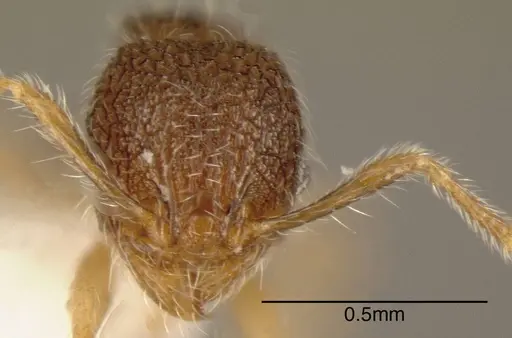
INBIOCRI002272038
View on AntWeb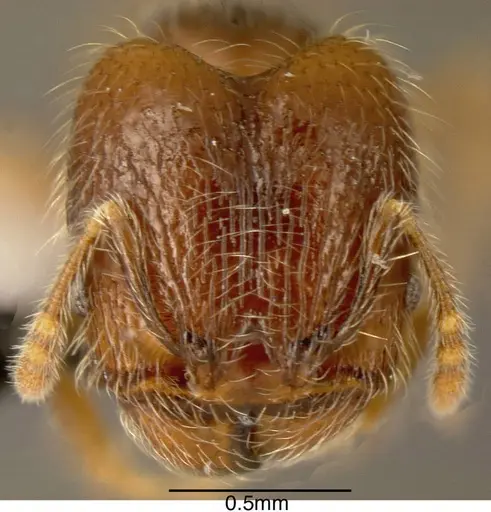
Literature
Loading...Loading products...