

Pheidole rectisentis
- Scientific Name
- Pheidole rectisentis
- Tribe
- Attini
- Subfamily
- Myrmicinae
- Author
- Wilson, 2003
- Distribution
- Found in 4 countries
Pheidole rectisentis Overview
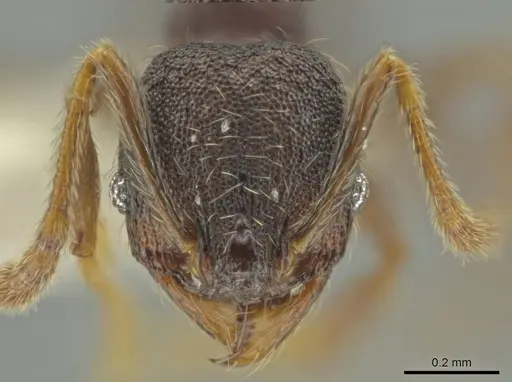
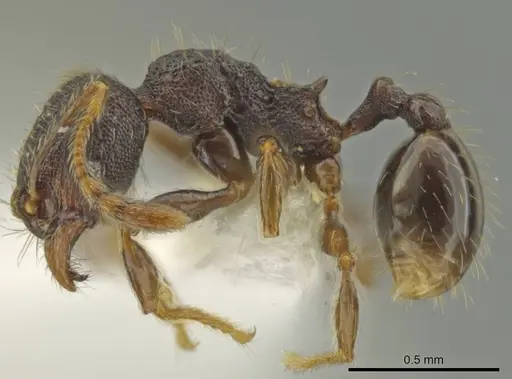
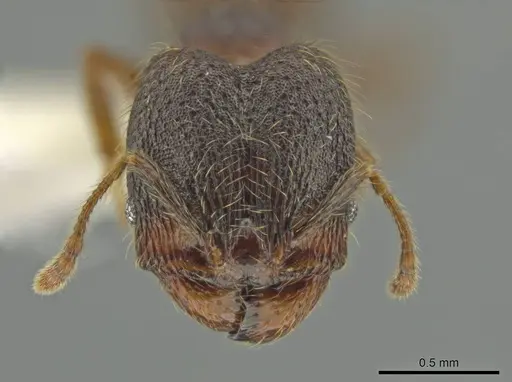
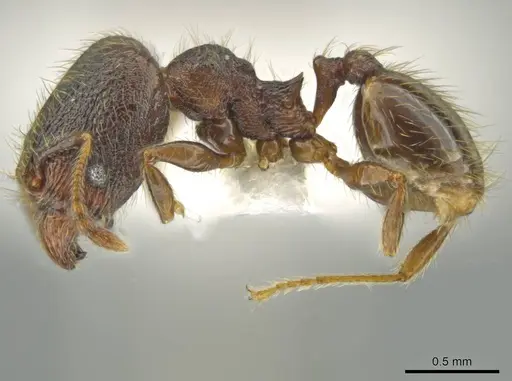
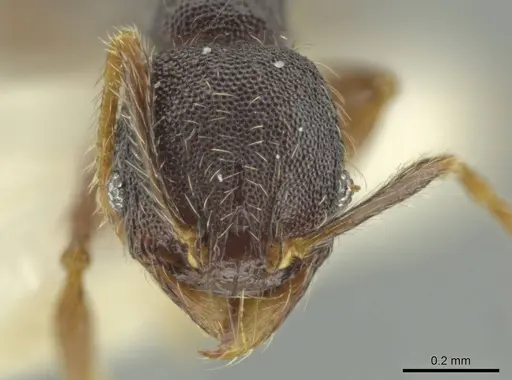
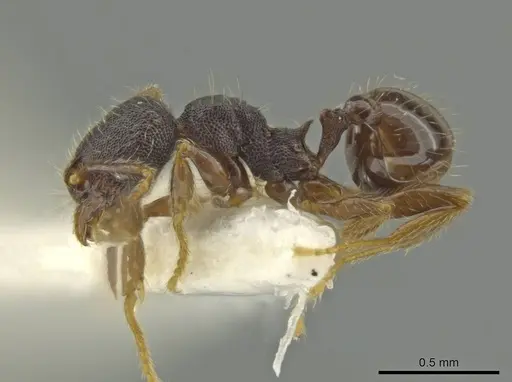
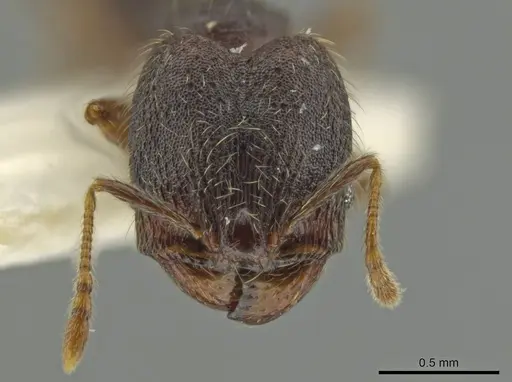
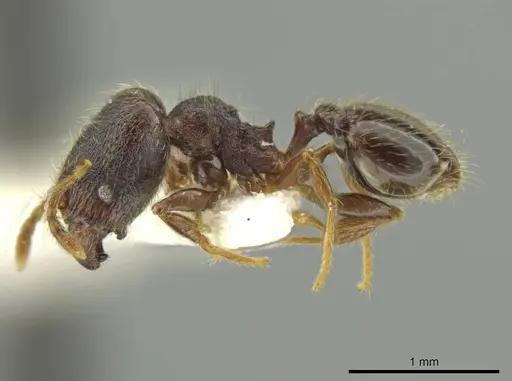
Pheidole rectisentis is an ant species of the genus Pheidole. It is primarily documented in 4 countries , including Guatemala, Honduras, Mexico. Detailed taxonomic data and occurrence records can be further explored via authoritative databases such as AntWeb or the Global Biodiversity Information Facility (GBIF).
Pheidole rectisentis
Pheidole rectisentis is a small dimorphic ant species native to Central America, specifically found in Nicaragua and Guatemala [1]. Like all Pheidole species, they have two worker castes: minor workers handle most daily tasks while major workers (soldiers) have enlarged heads for defense and seed processing. These ants are typically ground-nesting and prefer warm, semi-dry to moderate habitats. Colonies are moderate in size, with major workers readily visible alongside the smaller minor workers.
Quick Summary
- Difficulty: Easy
- Origin & Habitat: Nicaragua and Guatemala, likely dry forest and transitional habitats in Central America
- Colony Type: Likely single-queen colonies (monogyne), which is typical for the genus
- Colony: Monogyne
- Founding: Claustral
- Size & Growth:
- Queen: Estimated 6-8mm based on genus patterns
- Worker: Minor workers 2-3mm, major workers 3-5mm based on genus [1]
- Colony: Estimated 500-2000 workers at maturity based on typical Pheidole
- Growth: Moderate, typical for the genus
- Development: Estimated 6-8 weeks at optimal temperature based on related species (Development time is estimated from genus-level data for Pheidole species)
- Antkeeping:
- Temperature: Keep at 22-26°C, typical for Central American species. A gentle gradient allows ants to self-regulate.
- Humidity: Moderate humidity around 50-60%. Allow the nest to dry partially between waterings.
- Diapause: Not required, being tropical, they do not need hibernation. Keep at stable warm temperatures year-round.
- Nesting: Y-tong (AAC), plaster, or test tube setups work well. They prefer compact chambers and will readily accept artificial nests.
- Behavior: Generally peaceful and non-aggressive. Majors are defensive but rarely attack unless the nest is directly threatened. They are primarily granivorous (seed-eating) but also accept protein sources like insects. Foraging activity is moderate, you'll see workers actively exploring. Escape risk is low to moderate, they are not particularly small but use standard escape prevention.
- Common Issues: Overfeeding can lead to mold in the nest, remove uneaten food promptly, Too high humidity can kill colonies, keep substrate moderately dry, Cold temperatures slow or stop brood development, maintain warmth, Majors may block narrow tubing, use appropriately sized connections, Wild-caught colonies may have parasites, quarantine and observe new colonies
Housing and Nest Preferences
Pheidole rectisentis adapts well to various captive setups. Y-tong (acrylic and glass) nests work excellently, the dark chambers help them feel secure and the compact spaces suit their natural nesting behavior. Plaster nests with water reservoirs maintain appropriate humidity levels. Test tube setups are suitable for founding colonies and early growth. Avoid overly large spaces early on, these ants do best in snugger quarters that match their natural ground-nesting habits. Ensure connections between the nest and outworld are wide enough for major workers to pass through without getting stuck. [1]
Feeding and Diet
Pheidole species are primarily granivorous, meaning they collect and eat seeds. In captivity, offer commercial ant seeds (grass seeds, millet, flax) as a staple food source. They also readily accept protein: small insects like fruit flies, pinhead crickets, and mealworms. Sugar water or honey is typically accepted for energy. Feed seeds continuously and offer protein 2-3 times per week. Remove uneaten seeds and insects promptly to prevent mold. The presence of major workers makes seed processing easier, they can crack seeds that minor workers cannot.
Temperature and Seasonal Care
As a Central American species, Pheidole rectisentis thrives at warm temperatures between 22-26°C. Room temperature within this range works well. If your space runs cooler, a heating cable on one side of the nest creates a beneficial gradient. They do not require hibernation or diapause, maintaining stable warmth year-round supports continuous colony growth. Avoid temperatures below 18°C for extended periods as this slows development and can weaken the colony. No special winter care is needed beyond maintaining normal temperatures.
Behavior and Colony Dynamics
The dimorphic worker structure defines their behavior. Minor workers handle foraging, brood care, and most nest tasks. Major workers specialize in defense, seed processing, and nest maintenance. You will often see majors near the nest entrance or patrolling the outworld. Colonies are not aggressive toward keepers, majors may display by raising their heads but rarely bite. The colony will grow steadily with major workers appearing increasingly as the colony matures. A healthy mature colony typically has a visible population of majors alongside the more numerous minor workers. [1]
References

This caresheet is licensed under CC BY-SA 4.0 .
CASENT0624140
View on AntWeb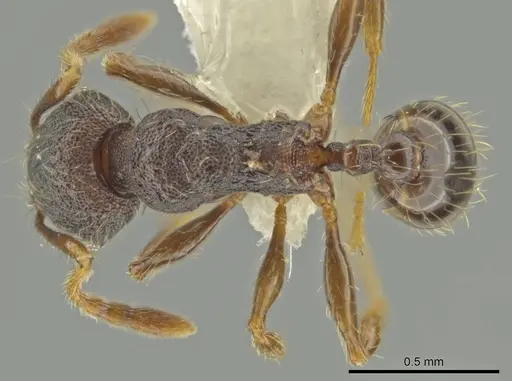
CASENT0624141
View on AntWeb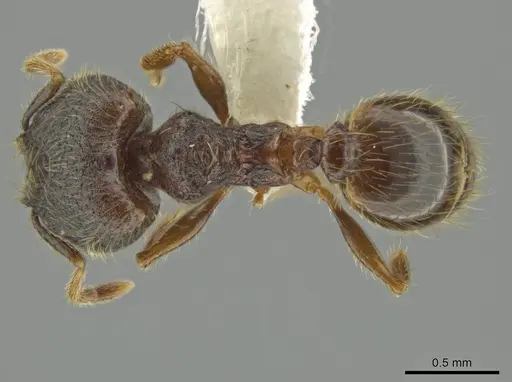
CASENT0645859
View on AntWeb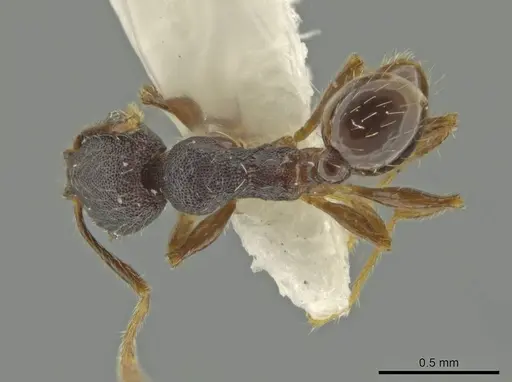
JTLC000016508
View on AntWeb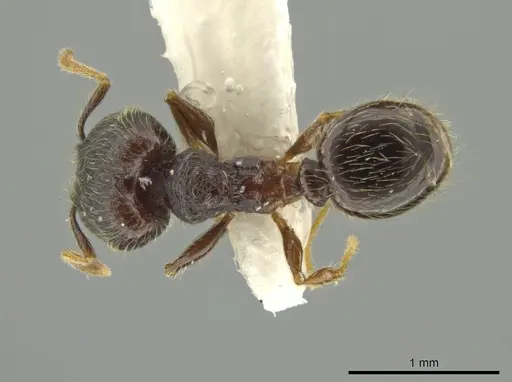
Literature
Loading...Loading products...