

Pheidole reclusi
- Scientific Name
- Pheidole reclusi
- Tribe
- Attini
- Subfamily
- Myrmicinae
- Author
- Forel, 1899
- Distribution
- Found in 1 countries
Pheidole reclusi Overview
Pheidole reclusi is an ant species of the genus Pheidole. It is primarily documented in 1 countries , including Colombia. Detailed taxonomic data and occurrence records can be further explored via authoritative databases such as AntWeb or the Global Biodiversity Information Facility (GBIF).
Pheidole reclusi
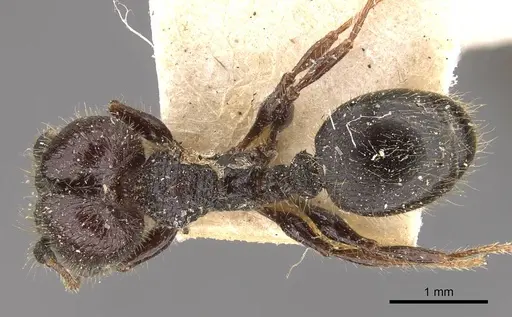
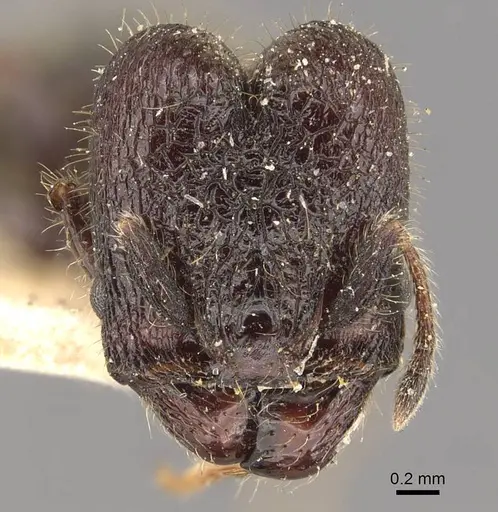
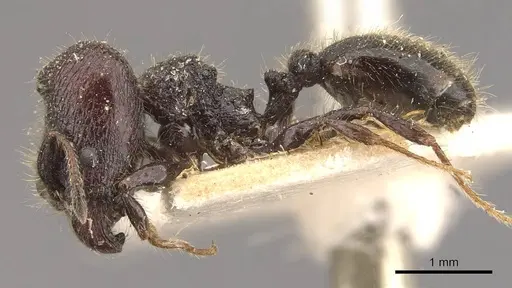
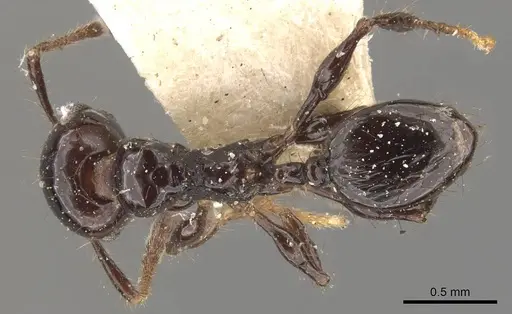
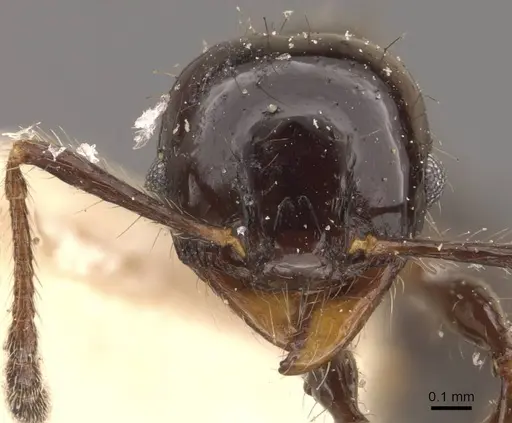
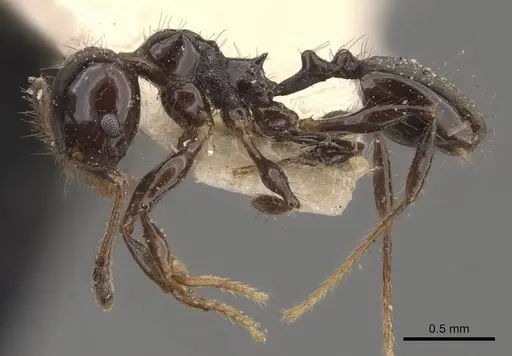
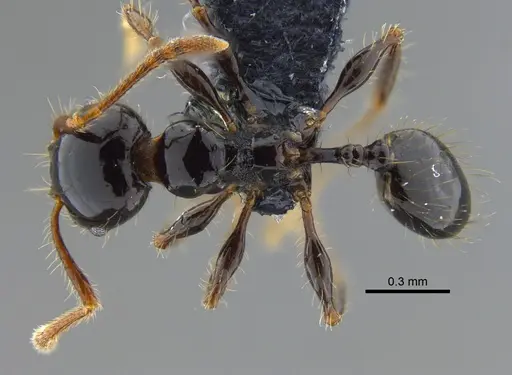
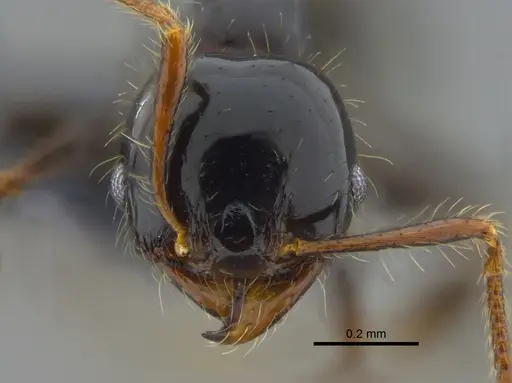
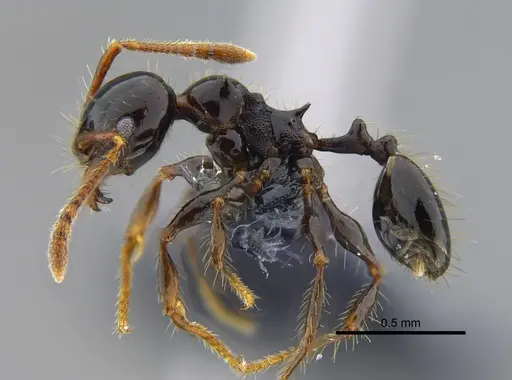
Pheidole reclusi is a Neotropical ant species belonging to the Myrmicinae subfamily, found exclusively in Colombia. This species is a member of the distorta group and features the characteristic Pheidole dimorphism with distinct major (soldier) and minor worker castes. Major workers have a large, bicolored head with the front portion light reddish brown and the rest of the body dark reddish to blackish brown, while minor workers are uniformly light brown with a darker gaster. The species was raised from subspecies to full species status in 2003. They nest in humid open soils and workers forage near the nest, readily reaching food baits. Notably, the soldier caste has entirely underground (hypogeous) habits, rarely if ever emerging above ground.
Quick Summary
- Difficulty: Unknown, species has no documented captive history
- Origin & Habitat: Colombia, specifically the Sierra Nevada de Santa Marta region in Magdalena, with additional records from Cundinamarca and Valle del Cauca. Found in tropical dry forest habitats, nesting in humid open soils [1][2][3].
- Colony Type: Colony structure is unconfirmed. Most Pheidole species are monogyne (single queen), but this has not been directly studied for P. reclusi.
- Size & Growth:
- Queen: Undocumented, estimated 10-14mm based on genus patterns
- Worker: Minor workers: 0.66mm HW, Major workers: 1.78mm HW [2]
- Colony: Undocumented, typical Pheidole colonies reach hundreds to low thousands of workers
- Growth: Unknown, likely moderate to fast based on tropical climate and genus patterns
- Development: Estimated 5-8 weeks at tropical temperatures (25-28°C) (Development timeline is unconfirmed for this species. Estimates based on typical Pheidole genus patterns in tropical regions.)
- Antkeeping:
- Temperature: Keep at 24-28°C. This species comes from tropical Colombia, so warmth is important. A heating cable on one side of the nest creates a suitable gradient.
- Humidity: Maintain moderate to high humidity. They nest in humid open soils, so the substrate should be consistently moist but not waterlogged. Provide a water tube for drinking water.
- Diapause: Unlikely, as a tropical species from Colombia, they probably do not require a diapause period. However, slight temperature reduction during winter months may be beneficial.
- Nesting: Y-tong (AAC) nests or plaster nests work well. They prefer soil-based setups that can hold moisture. The soldiers are entirely subterranean, so provide deep substrate areas. Test tube setups can work for founding colonies.
- Behavior: Workers are active foragers that readily come to food baits. The species shows typical Pheidole behavior with minor workers handling most foraging tasks while major workers (soldiers) remain underground. Escape risk is moderate, minor workers are small (under 1mm) so fine mesh barriers are recommended. Aggression level is typical for Pheidole, they will defend the nest but are not particularly aggressive toward keepers.
- Common Issues: no captive history means no established care protocols, you are essentially pioneering husbandry, soldiers never emerge above ground so you may rarely see major workers, small minor workers require fine mesh to prevent escapes, humidity needs are inferred from habitat, not confirmed through captive observation, wild-caught colonies may have parasites or diseases not yet documented
Nest Preferences and Housing
Pheidole reclusi nests in humid open soils in their natural habitat. For captive care, Y-tong (acrylic) nests or plaster nests work well because they can maintain consistent humidity. The key requirement is providing a nest chamber that can hold moisture without becoming waterlogged. Since soldiers (major workers) have entirely hypogeous habits and never emerge above ground, the colony will likely keep majors underground. This means you may rarely see the major workers, this is normal behavior for the species, not a sign of problems. For founding colonies, a standard test tube setup with a water reservoir works fine. As the colony grows, consider moving to a formicarium with a moisture reservoir. The nest should have chambers sized appropriately for the colony size, with some extra space for brood development. [3]
Feeding and Diet
Pheidole species are generalist omnivores, and P. reclusi likely follows this pattern. Workers readily forage and will come to food baits, which makes feeding straightforward. Offer a varied diet including protein sources (small insects like fruit flies, mealworms, crickets) and carbohydrate sources (sugar water, honey, or honeydew). In their natural habitat, they likely forage for seeds, small arthropods, and honeydew from aphids or scale insects. Feed protein 2-3 times per week and provide a constant sugar water source. Remove uneaten prey after 24-48 hours to prevent mold. Since minor workers are very small (under 1mm), prey items should be appropriately sized, tiny insects or pre-killed portions work better than large prey. [3]
Temperature and Heating
As a tropical species from Colombia, Pheidole reclusi requires warm conditions. Aim for temperatures between 24-28°C in the nest area. This range matches their natural environment in the Sierra Nevada de Santa Marta region. Room temperature may be sufficient if your home stays in this range, but many keepers use a heating cable or heat mat to maintain stable temperatures. Place heating on one side of the nest to create a gentle gradient, this allows ants to move between warmer and cooler areas as needed. Avoid temperatures below 20°C or above 32°C. Stable temperatures are more important than exact precision, avoid frequent fluctuations. A digital thermometer connected to the heating element helps monitor conditions.
Humidity Management
This species nests in humid open soils, so moisture is important. Keep the nest substrate consistently moist but not waterlogged. The substrate should feel damp to the touch but not have standing water. A water tube attached to the test tube or formicarium provides drinking water and helps maintain humidity through evaporation. Monitor for condensation, some condensation is good, but excessive pooling can drown brood. In acrylic nests, check water reservoirs regularly and refill as needed. In plaster nests, the material itself holds moisture. The key is balance: too dry and brood will desiccate, too wet and mold becomes a problem. Adjust based on colony behavior, if workers cluster near moisture sources, increase humidity, if they avoid wet areas, reduce slightly. [3]
Understanding the Soldier Caste
One of the most distinctive aspects of Pheidole reclusi is the completely subterranean lifestyle of the major workers (soldiers). Unlike many Pheidole species where soldiers guard nest entrances or defend against intruders, P. reclusi soldiers have never been observed above ground, they are entirely hypogeous (underground). This means you will almost never see the major workers unless you excavate or carefully observe inside the nest. This is normal behavior for this species, not a sign that your colony is unhealthy or that majors are dying. The minor workers handle all above-ground tasks including foraging, nest maintenance, and caring for brood. This also means the soldiers likely do not function as defense specialists in the typical Pheidole manner, their role underground may be more related to food processing or nest excavation. [3]
Colony Development and Growth
Pheidole reclusi has no documented captive history, so colony development timelines are estimates based on genus patterns. Expect founding to take 4-6 weeks from egg to first worker (nanitic) at warm temperatures (around 26°C). The first generation will be small, nanitic workers are typically smaller than normal workers. After the first workers emerge, growth rate depends on feeding and conditions. Typical Pheidole colonies reach several hundred workers within a year under good conditions. The colony will produce more majors as the worker population grows. Since this is a poorly studied species, keep detailed notes on your colony's development, your observations could contribute to our understanding of this ant species. Watch for behavioral cues: workers actively foraging indicates contentment, while ants clustering at the nest entrance trying to escape may indicate poor conditions.
Frequently Asked Questions
How long does it take for Pheidole reclusi to produce first workers?
The exact timeline is unconfirmed, but based on typical Pheidole genus patterns, expect 5-8 weeks from egg to first worker at optimal temperatures (24-28°C). The first workers (nanitics) will be smaller than normal workers. This is an estimate since no captive breeding data exists for this species.
Can I keep Pheidole reclusi in a test tube setup?
Yes, test tubes work well for founding colonies. Use a standard test tube with a water reservoir separated by a cotton plug. The queen will seal herself in a chamber and raise the first brood alone. Once the colony reaches 20-30 workers, consider moving to a formicarium with more space.
Why don't I ever see the major workers?
This is normal behavior for Pheidole reclusi. The species has entirely hypogeous (underground) soldiers, they never emerge above ground. The minor workers handle all external tasks including foraging. You may only see majors if you carefully observe inside the nest or during a nest transfer.
What temperature do Pheidole reclusi ants need?
Keep them at 24-28°C. This tropical species from Colombia requires warmth. A heating cable on one side of the nest can help maintain proper temperatures. Avoid temperatures below 20°C or above 32°C.
Do Pheidole reclusi ants need hibernation?
Probably not. As a tropical species from Colombia, they likely do not require a diapause period. You may provide slightly cooler temperatures during winter months, but full hibernation is not necessary and could potentially stress the colony.
What do Pheidole reclusi ants eat?
They are generalist omnivores like most Pheidole. Offer protein sources (small insects like fruit flies, pinhead crickets, mealworms) 2-3 times per week and provide constant access to sugar water or honey. They readily come to food baits.
Are Pheidole reclusi ants aggressive?
They are not particularly aggressive toward keepers. Like most Pheidole, they will defend their nest if threatened but are not known for aggressive swarming. The minor workers are small and the soldiers remain underground, so direct confrontation is uncommon.
How big do Pheidole reclusi colonies get?
The maximum colony size is unconfirmed for this species. Based on typical Pheidole patterns, colonies likely reach several hundred to low thousands of workers. This is a long-lived species that can grow substantial over several years.
Can I keep multiple queens together?
This has not been studied for P. reclusi. Most Pheidole species are monogyne (single queen), but some are polygynous. Without specific data, it is not recommended to combine unrelated foundress queens, they may fight. If you capture a colony with multiple queens, they may be a polygynous species or a colony with ergatoid replacement reproductives.
Why is this species considered difficult to keep?
Pheidole reclusi has no documented captive history, meaning there are no established care protocols. You will be essentially pioneering husbandry for this species. All care recommendations are inferences from habitat data and genus patterns, not confirmed requirements. This makes them a species for experienced antkeepers who can adapt to the ant's needs.
Where is Pheidole reclusi found in the wild?
Only in Colombia, specifically the Sierra Nevada de Santa Marta region in Magdalena, with additional records from Cundinamarca and Valle del Cauca. They nest in humid open soils in tropical dry forest areas.
References

This caresheet is licensed under CC BY-SA 4.0 .
Literature
Loading...Loading products...