

Pheidole radoszkowskii
- Scientific Name
- Pheidole radoszkowskii
- Tribe
- Attini
- Subfamily
- Myrmicinae
- Author
- Mayr, 1884
- Distribution
- Found in 9 countries
Pheidole radoszkowskii Overview
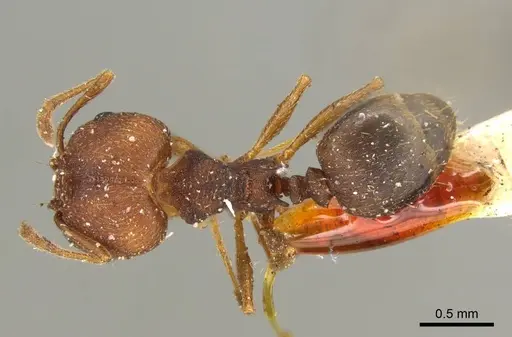
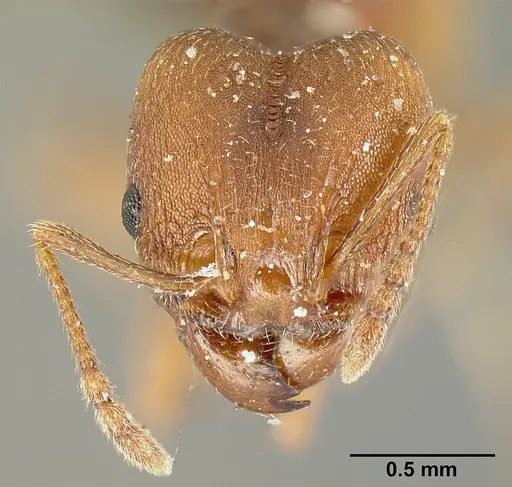
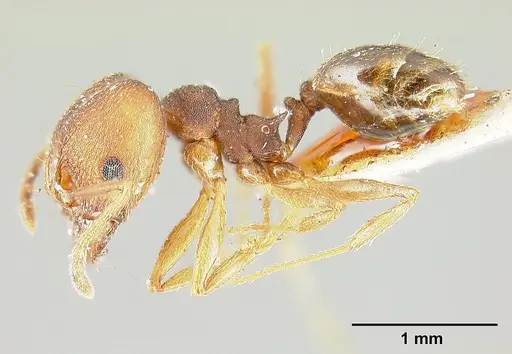
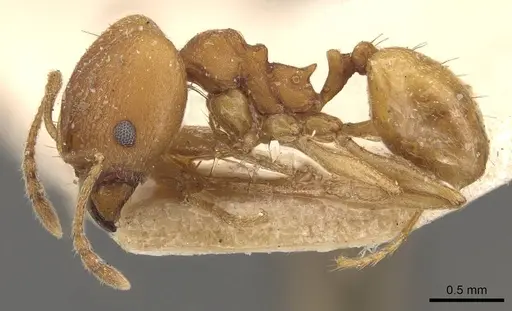
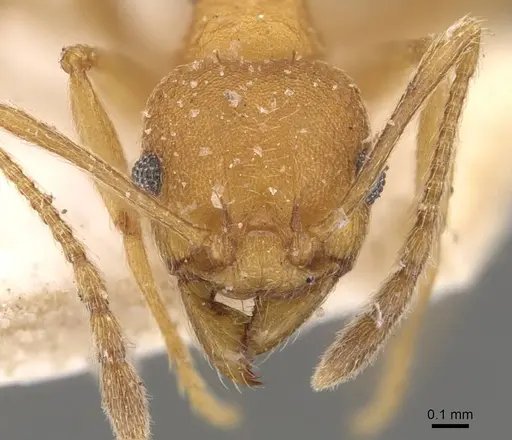
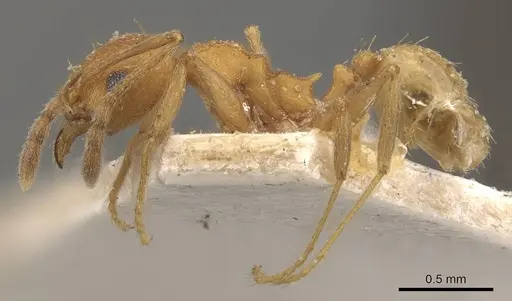
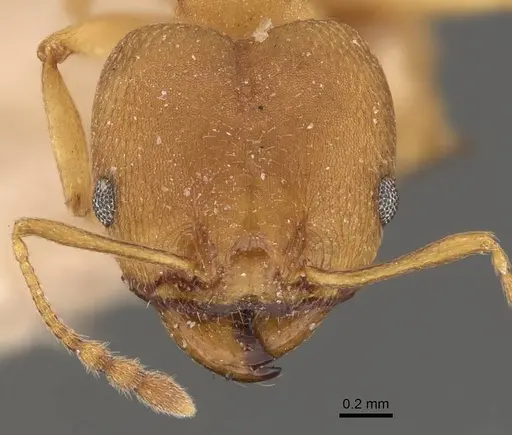
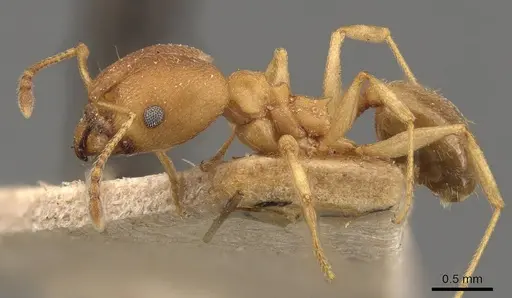
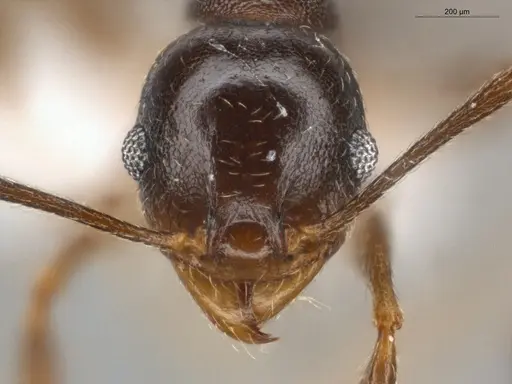
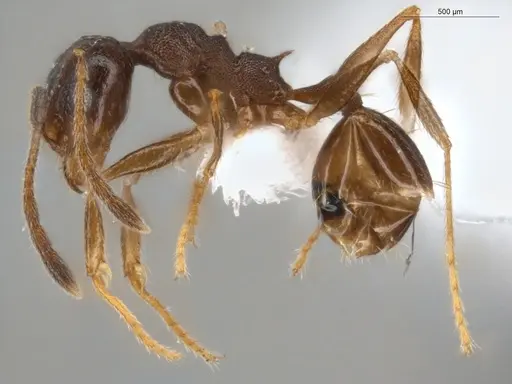
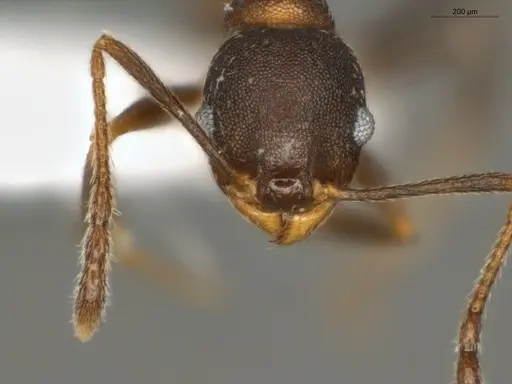
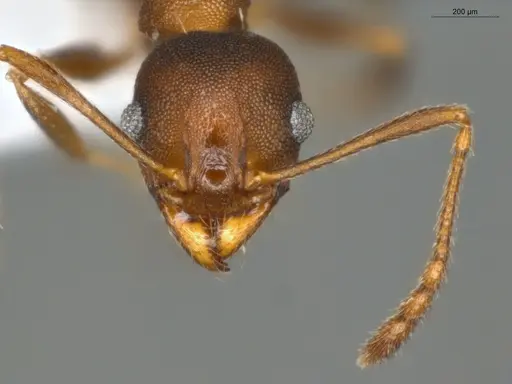
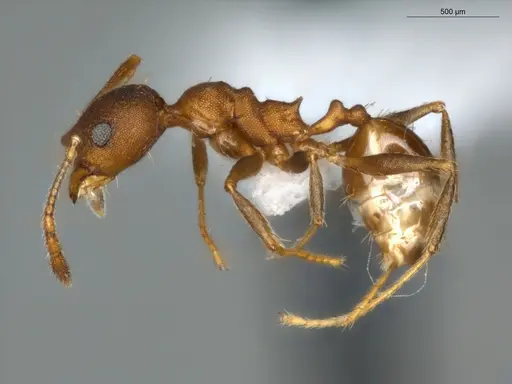
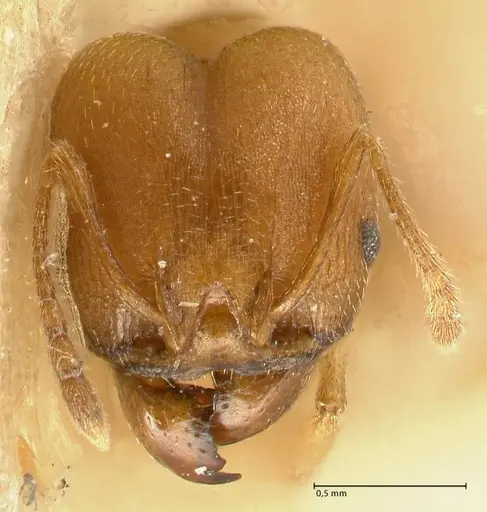
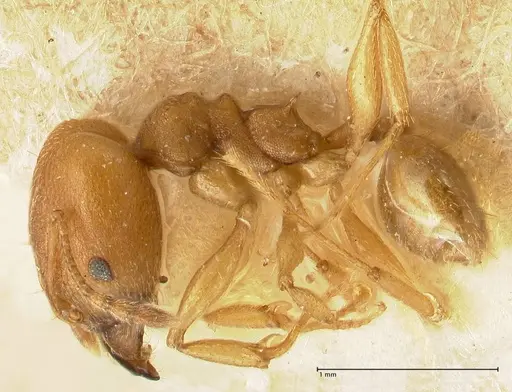
Pheidole radoszkowskii is an ant species of the genus Pheidole. It is primarily documented in 9 countries , including Argentina, Brazil, Colombia. Detailed taxonomic data and occurrence records can be further explored via authoritative databases such as AntWeb or the Global Biodiversity Information Facility (GBIF).
Pheidole radoszkowskii
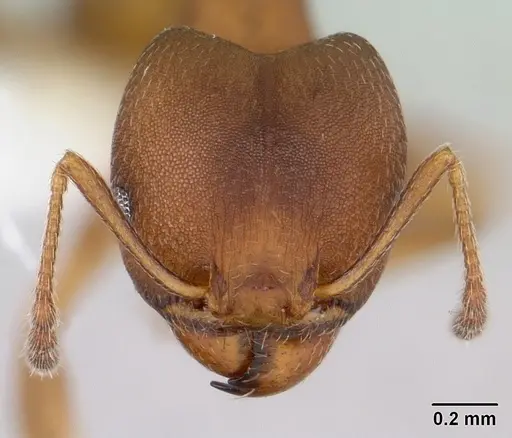
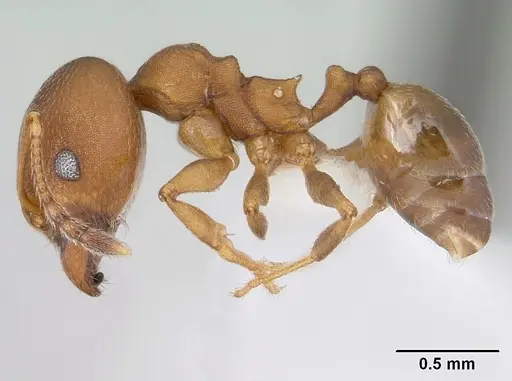
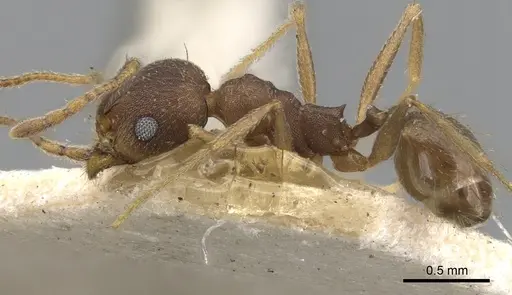
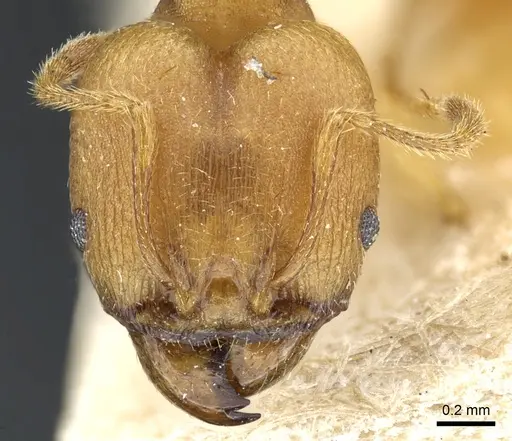
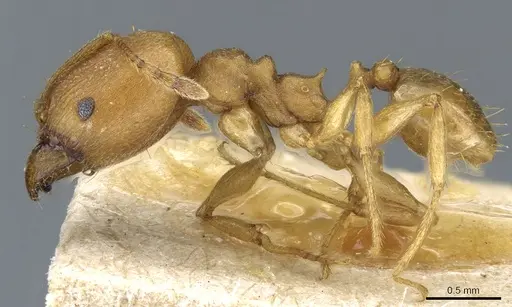
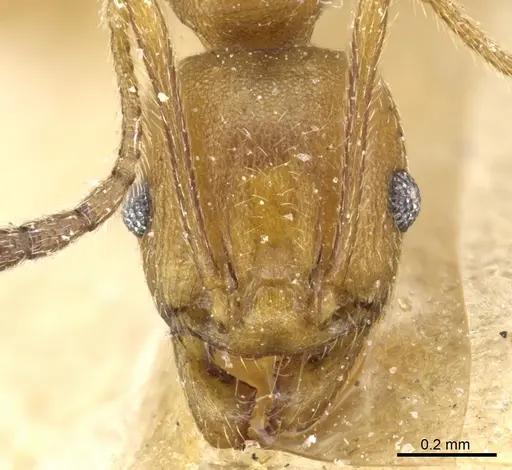
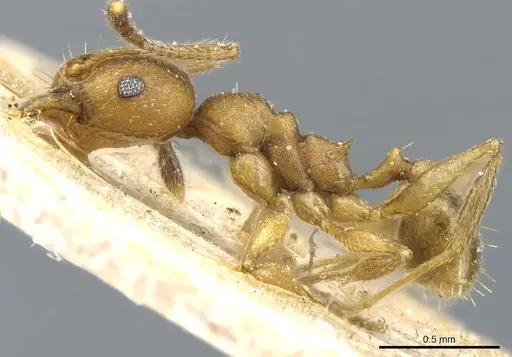
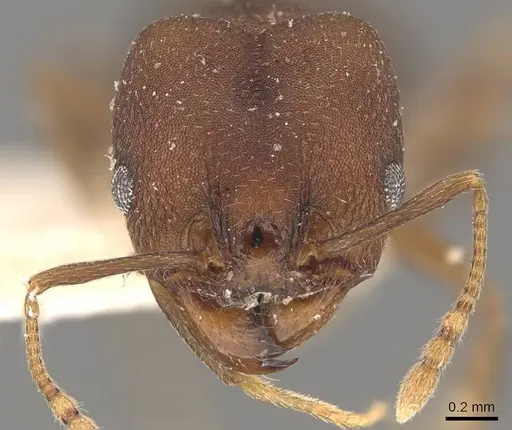
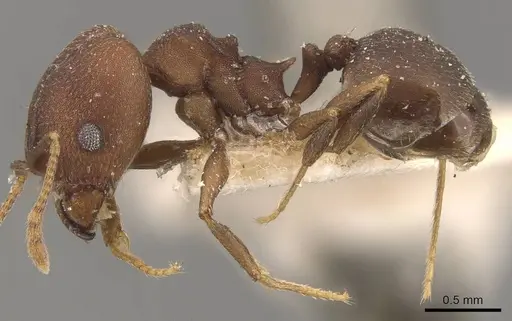
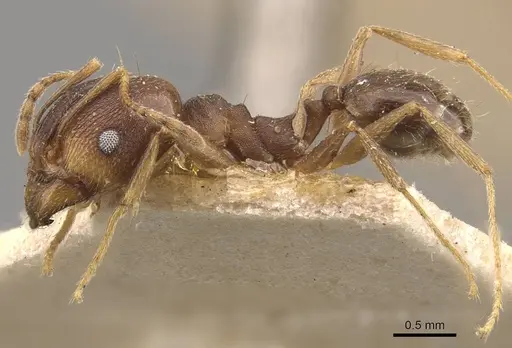
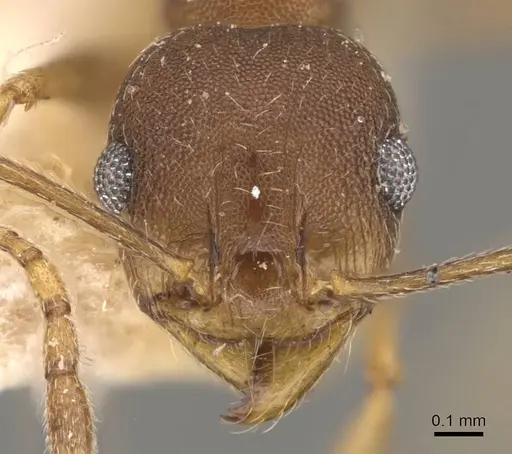
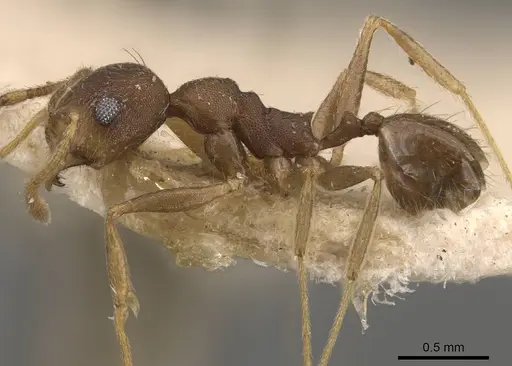
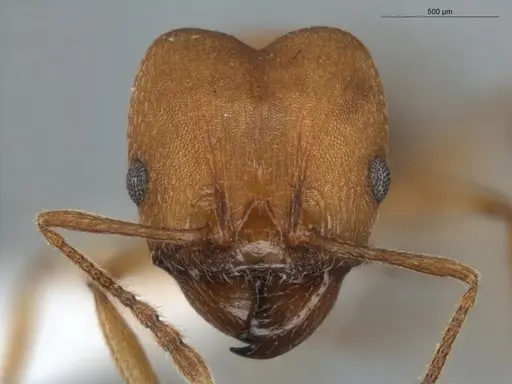
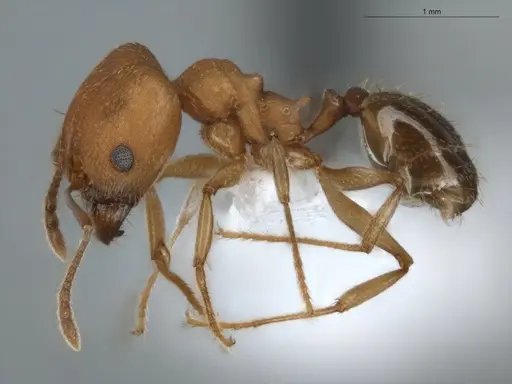
Pheidole radoszkowskii is a dimorphic ant species with two worker castes: minor workers and major workers (soldiers). This species has a wide distribution across the Neotropics, from Mexico through Central America and the Caribbean down to Argentina [1][2]. Colonies can grow to contain up to 3,000 workers, with about one-fifth being majors [3]. It thrives in human-modified landscapes like coffee plantations and pastures, and it helps disperse seeds and pollinate some plants [4][5].
Quick Summary
- Difficulty: Easy
- Origin & Habitat: Native to the Neotropical region, from Mexico south to Argentina. Prefers open, dry habitats and does especially well in areas modified by human activity like agricultural land and pastures [3]. Nests in soil beneath stones or wood in open ground [3].
- Colony Type: Monogyne, colonies have a single fertile queen [3]. Dimorphic with major and minor workers.
- Size & Growth:
- Queen:{.size-link} Size data unavailable, no total length measurements in research context
- Worker:{.size-link} Size data unavailable, no total length measurements in research context
- Colony: Up to 3,000 workers [3]
- Growth: Moderate, inferred from genus patterns
- Development: Estimated 6-8 weeks based on typical Pheidole development (Development time is inferred from genus patterns since specific data for this species is not available. Warmer temperatures may speed up development.)
- Antkeeping:
- Temperature: Keep at 24-28°C. This species shows negative correlation with temperature in the wild, meaning it prefers warmer conditions [6]. Avoid extreme heat to maintain activity.
- Humidity: Keep the nest substrate consistently moist but not waterlogged, with a humidity gradient. This species prefers relatively dry, open habitats [3].
- Diapause: No, as a tropical species from the Neotropics, they do not require hibernation [3]. Activity may slow in cooler months but no true diapause.
- Nesting: Soil-nesting species that does well in naturalistic setups with soil substrate or Y-tong nests. Provide a moisture gradient and include cover like stones or wood in the outworld [3].
- Behavior: Workers forage during the day over ground and on low vegetation. They are efficient recruiters, forming large foraging trails to food sources [4]. Majors help process larger food items, but minors do most foraging. They are not particularly aggressive but will defend the nest. Escape prevention is important due to their small size.
- Common Issues: colonies may decline if kept too cold, maintain warm temperatures., escape prevention needed despite moderate size, use proper barriers., slow initial founding phase, be patient during the founding period., large colony size requires spacious outworld as colony matures., may attract predators in outdoor setups, keep secure.
Housing and Nest Setup
Pheidole radoszkowskii does well in a variety of nest setups. In the wild, they nest in soil beneath stones or pieces of wood, so a naturalistic setup with a soil chamber works well. You can also use Y-tong or plaster nests, just ensure the chambers are appropriately sized for their moderate size. They prefer a moisture gradient within the nest, so provide a hydration zone on one side while keeping the other side slightly drier. The outworld should be spacious, especially as the colony grows, since these ants form large foraging trails. Include hiding structures like small stones or pieces of wood in the outworld to make them feel secure [3].
Feeding and Diet
These ants are generalist omnivores with a strong preference for protein. In the wild, they collect seeds and help disperse them, and they also scavenge and hunt small insects. For captive care, offer protein sources like small crickets, mealworms, or fruit flies 2-3 times per week. They also accept sugar sources like sugar water or honey. Because they are efficient recruiters, once a worker finds food, expect a large trail to form quickly. Remove uneaten protein after 24 hours to prevent mold [3].
Temperature and Seasonal Care
As a tropical species, Pheidole radoszkowskii prefers warm conditions around 24-28°C. Research shows their abundance decreases with higher temperatures in some contexts [6], so avoid extreme heat. Room temperature in most homes is acceptable, but they will be more active when kept warmer. No hibernation is required since they are from tropical regions. Avoid placing the nest near air conditioning vents or in drafty areas.
Colony Development and Growth
Colonies start with a queen who raises the first workers alone. Once the first workers emerge, the colony enters a growth phase. This species produces dimorphic workers, minors handle most foraging and nest maintenance, while majors help process larger food items and defend the colony. Colonies can reach up to 3,000 workers in the wild [3], making this a moderately large species. Growth rate is moderate, expect several months before significant numbers. Major production often increases as the colony reaches medium size.
Behavior and Foraging
Workers forage during the day, searching over the ground and on low vegetation. They are highly efficient at locating and recruiting nestmates to food sources, when one worker finds something good, expect a large trail to form within minutes [4]. They are not particularly aggressive toward keepers but will defend the nest if threatened. The majors have large mandibles and can deliver a nip, though they are not dangerous to humans.
Frequently Asked Questions
How long does it take for Pheidole radoszkowskii to produce first workers?
Expect 6-8 weeks from egg to first worker at optimal temperatures (around 26°C). This is estimated from typical Pheidole development since specific timing for this species hasn't been documented. The queen raises the first brood alone without foraging.
Can I keep multiple Pheidole radoszkowskii queens together?
No, this is a monogyne species with a single queen per colony. Colonies have only one reproductive queen [3]. If you find multiple queens, they will fight unless in a proper pleometrosis scenario, which hasn't been documented for this species.
What do Pheidole radoszkowskii eat?
They are generalist omnivores. Offer protein sources like small insects 2-3 times per week, and provide a constant sugar source like sugar water or honey. They also collect seeds in the wild, so small seeds may be accepted. Protein is important for brood development [3].
Are Pheidole radoszkowskii good for beginners?
Yes, this is an easy species to keep. They are adaptable, tolerate a range of conditions, and are not aggressive. Their main requirements are warm temperatures and regular feeding. The main challenges are providing enough space as the colony grows and maintaining proper escape prevention.
How big do Pheidole radoszkowskii colonies get?
Colonies can reach up to 3,000 workers in the wild, with about one-fifth being majors [3]. In captivity, you can expect a moderately large colony that will require a spacious outworld as it matures.
Do Pheidole radoszkowskii need hibernation?
No, they do not require hibernation. As a tropical species from the Neotropics, they are active year-round [3]. However, if your room temperature drops significantly in winter, you may see reduced activity, which is normal.
When should I move Pheidole radoszkowskii to a formicarium?
Keep them in a test tube or simple setup for the founding stage. Once the colony reaches 50-100 workers and you see consistent foraging activity, you can move them to a larger nest setup. They do well in naturalistic setups with soil or Y-tong nests.
Why are my Pheidole radoszkowskii dying?
The most common causes are: too cold temperatures (keep them warm), mold from overwatering or uneaten food, or stress from too much disturbance during the founding stage. Make sure the queen is undisturbed while founding. Also check that humidity is appropriate, they prefer drier conditions than many ants.
Report an Issue
The current care sheet is based fully on literature. See inconsistencies, or something that's incorrect? Please , it will be resolved after review from an admin. Contributing to the blogs tab also helps providing information, to make us be able to further improve the caresheets. Thank you for your support!
References

This caresheet is licensed under CC BY-SA 4.0 .
CASENT0178045
View on AntWeb
CASENT0178046
View on AntWeb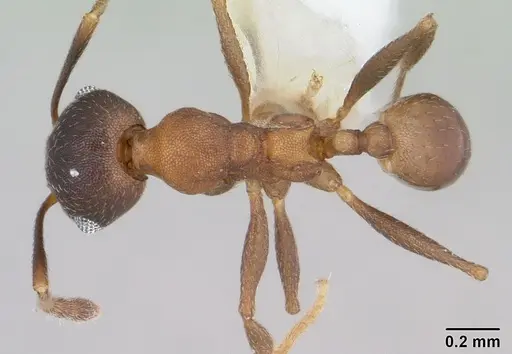
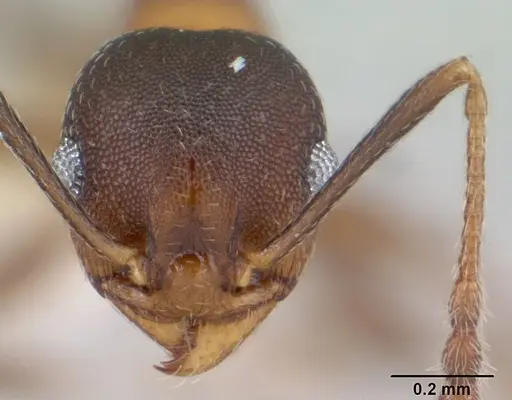
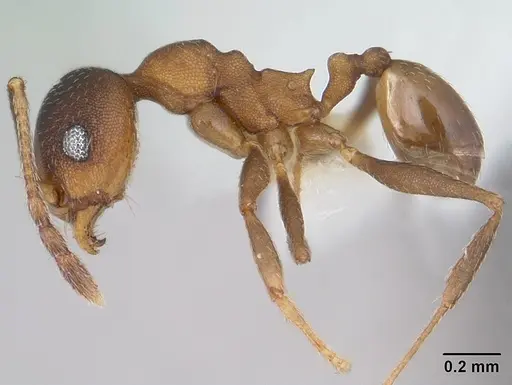
CASENT0318453
View on AntWeb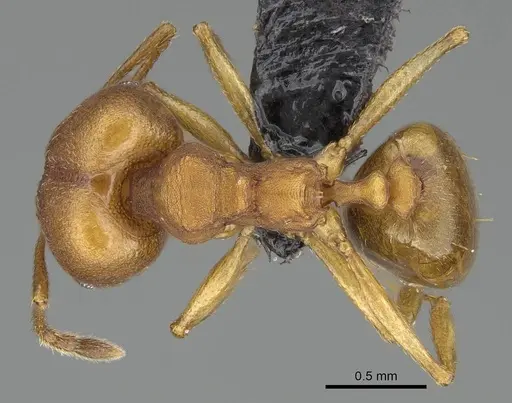
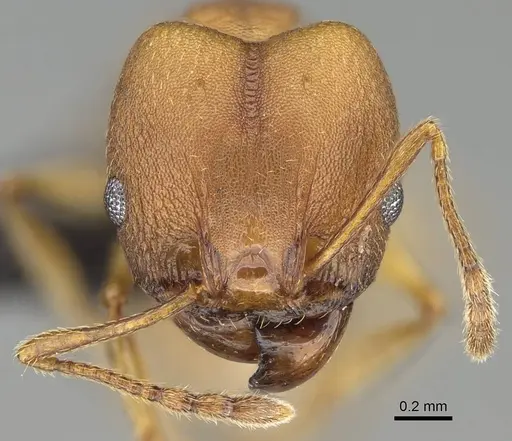
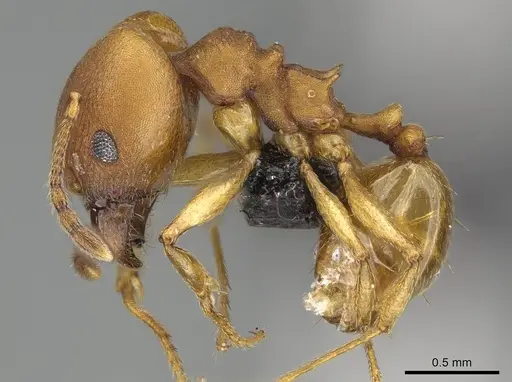
CASENT0318477
View on AntWeb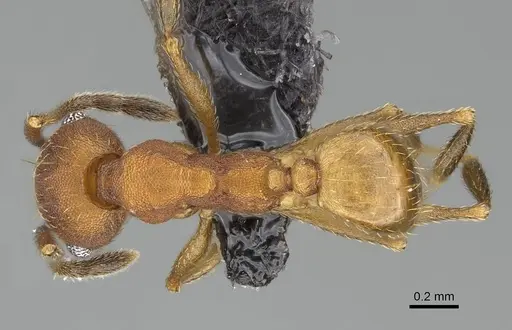
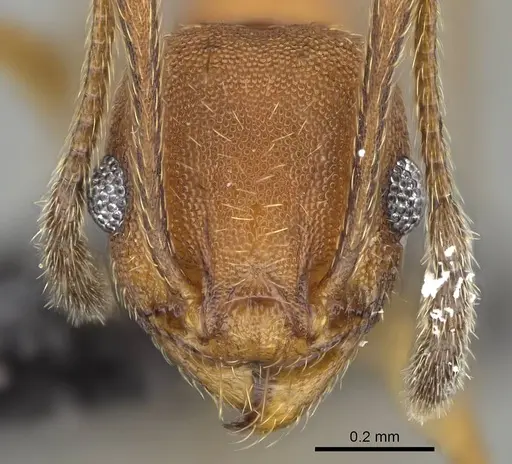
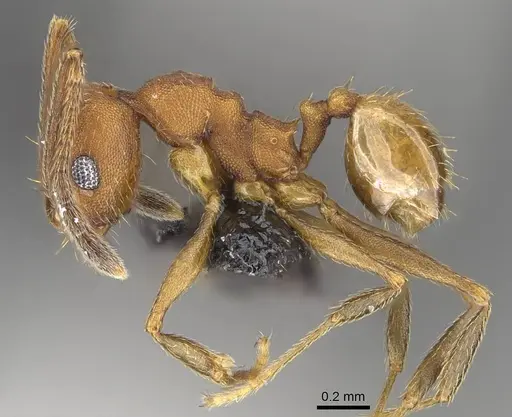
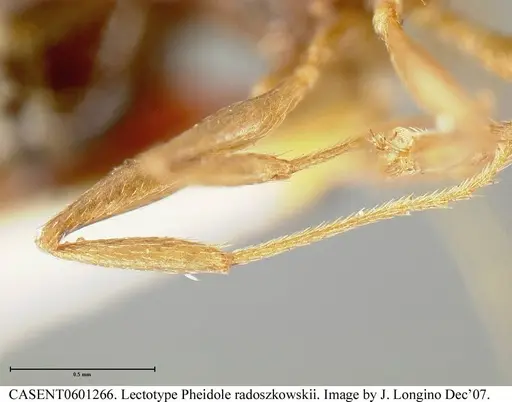
CASENT0601266
View on AntWeb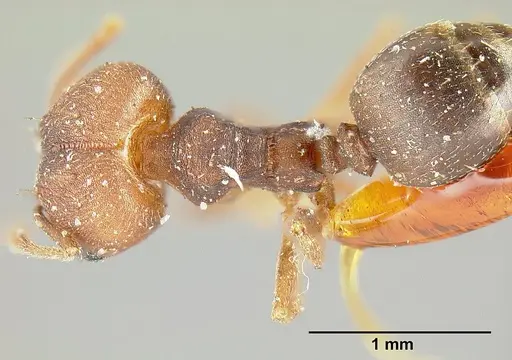
CASENT0601267
View on AntWeb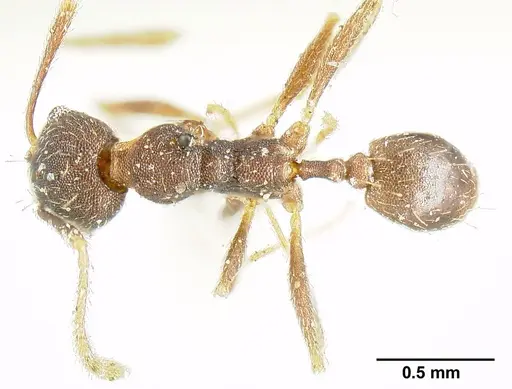
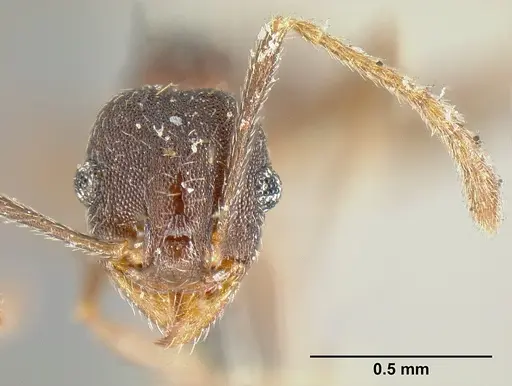
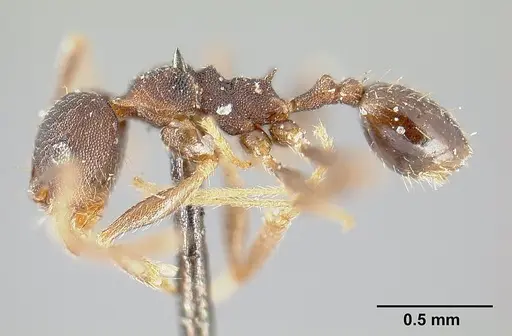
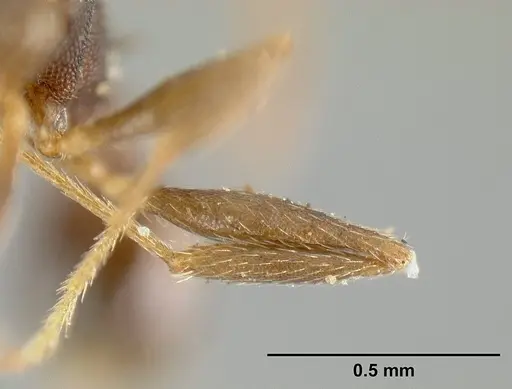
CASENT0643899
View on AntWeb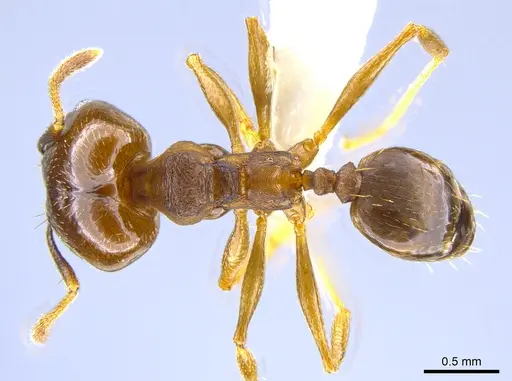
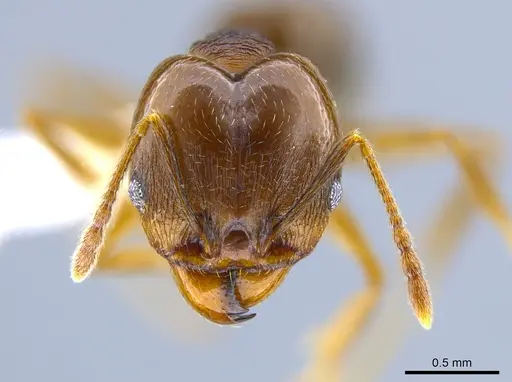
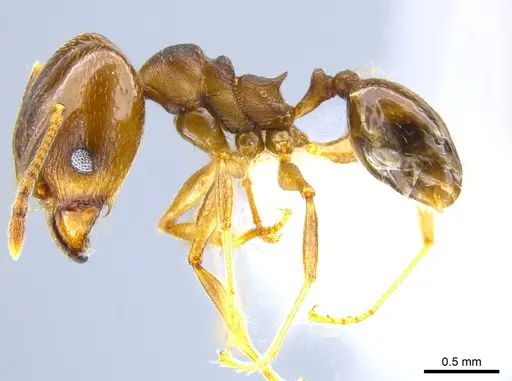
CASENT0729690
View on AntWeb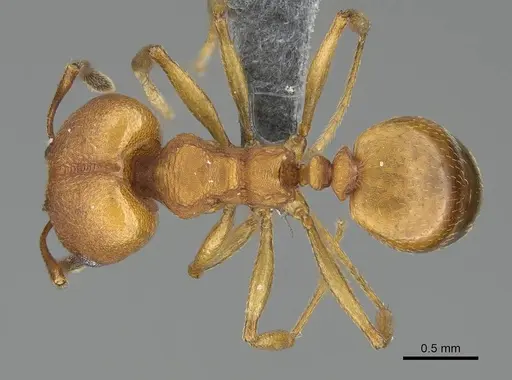
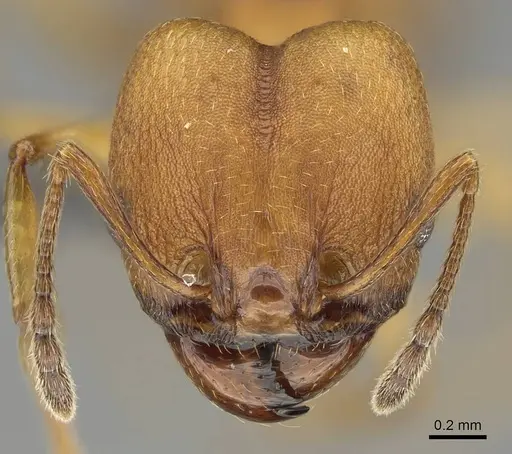
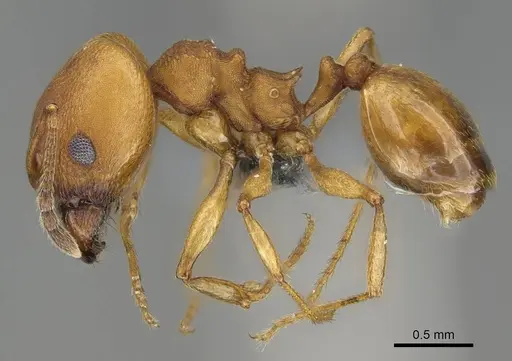
CASENT0766183
View on AntWeb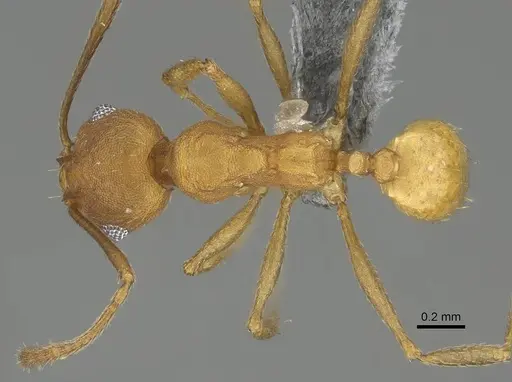
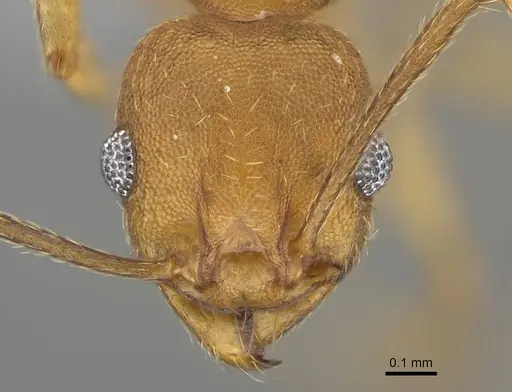
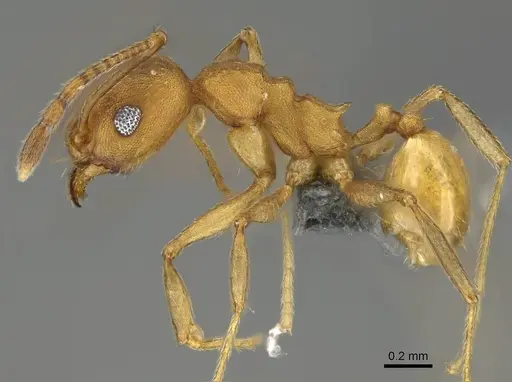
CASENT0901471
View on AntWeb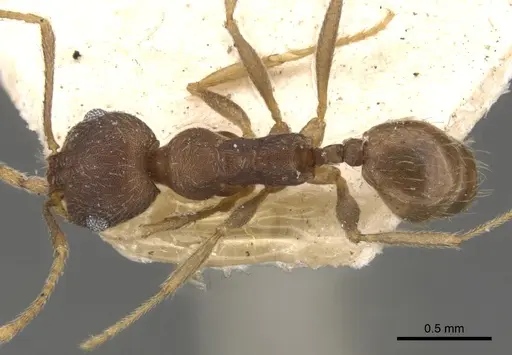
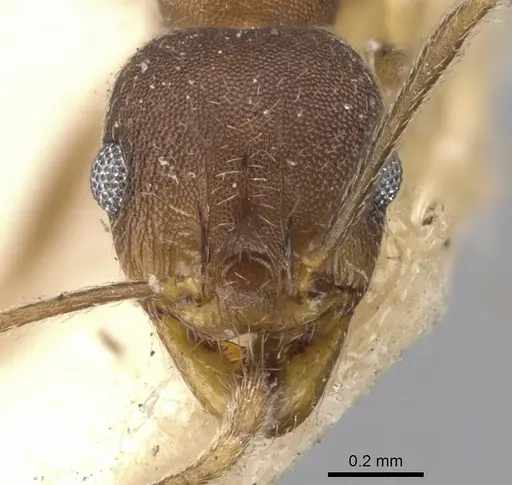
CASENT0904320
View on AntWeb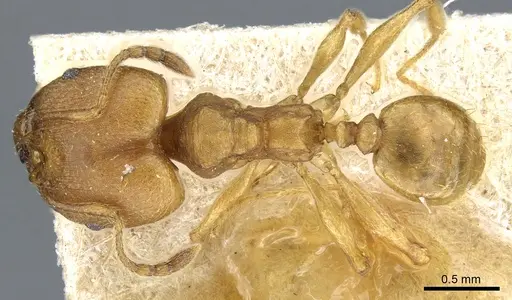
CASENT0904321
View on AntWeb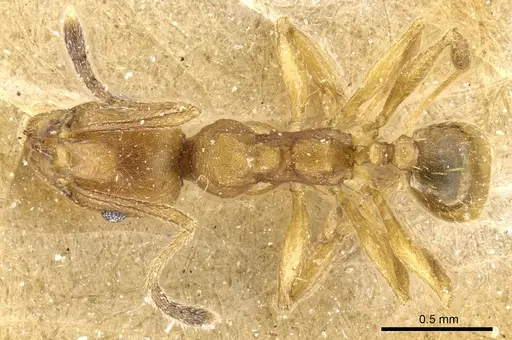
CASENT0904322
View on AntWeb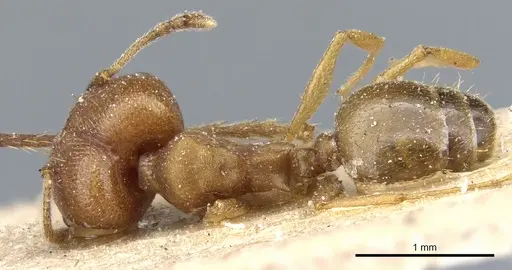
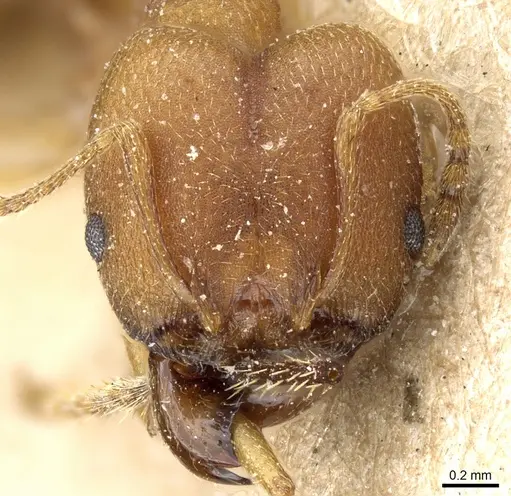
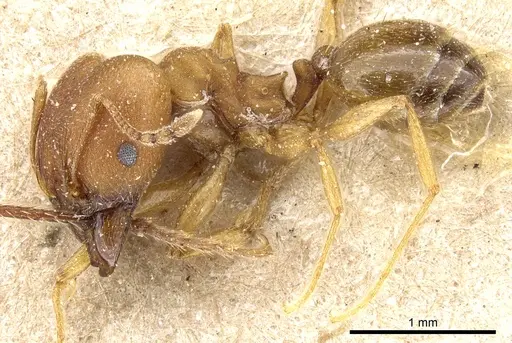
CASENT0908104
View on AntWeb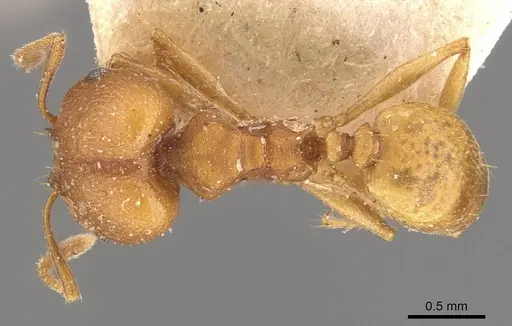
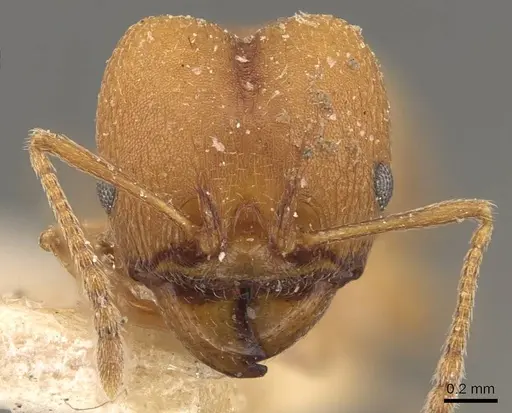
CASENT0908105
View on AntWeb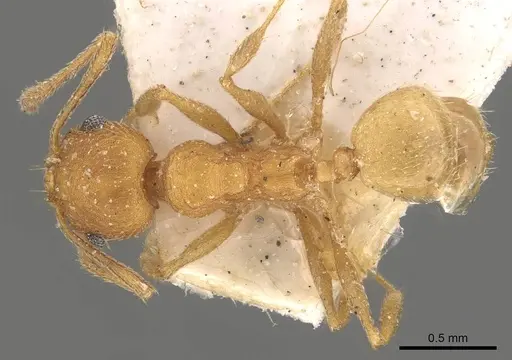
CASENT0908106
View on AntWeb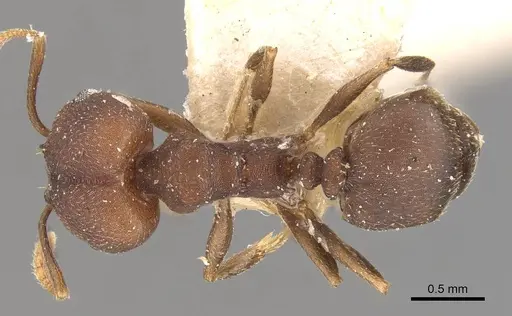
CASENT0908107
View on AntWeb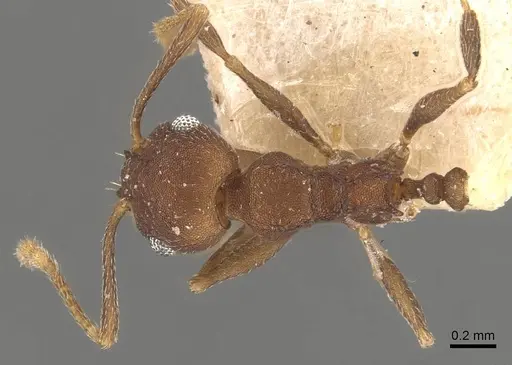
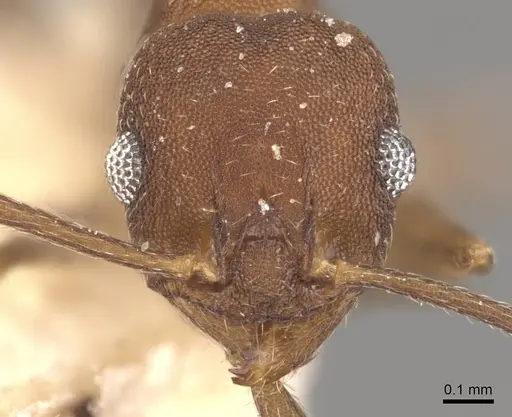
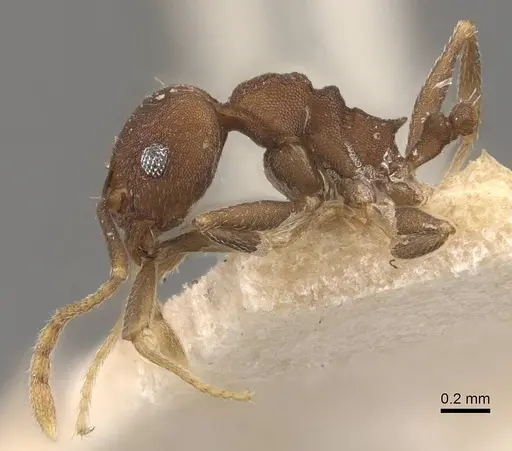
CASENT0908111
View on AntWeb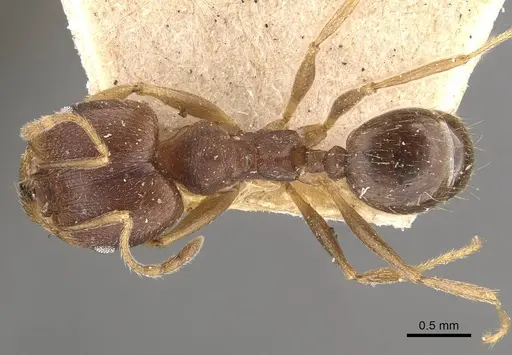
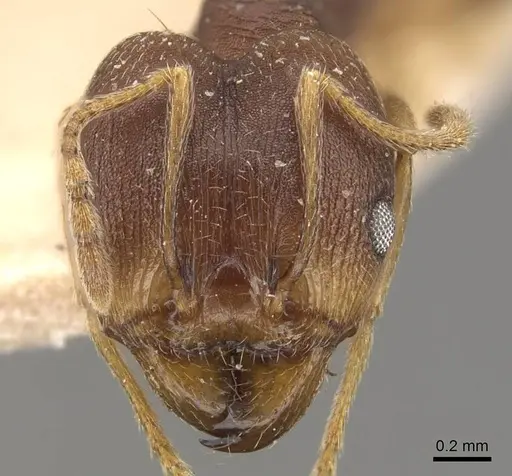
CASENT0908112
View on AntWeb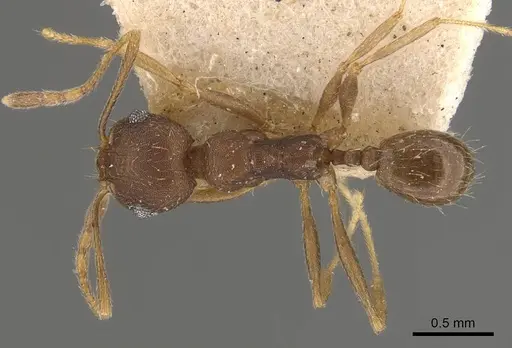
CASENT0908113
View on AntWeb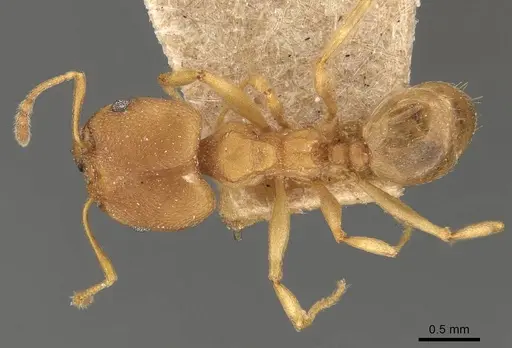
CASENT0908114
View on AntWeb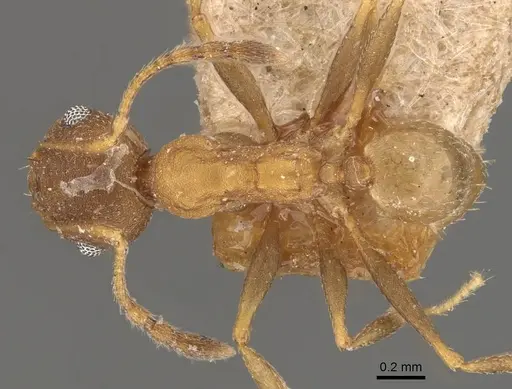
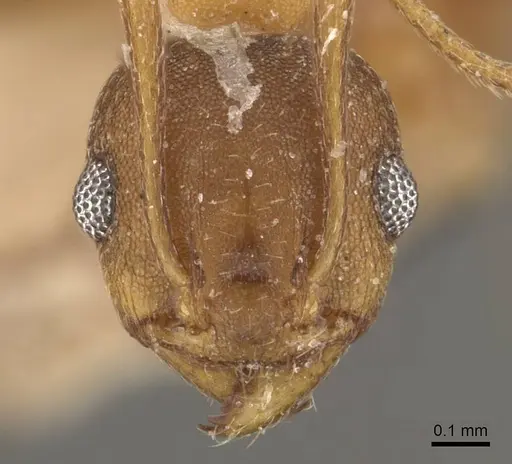
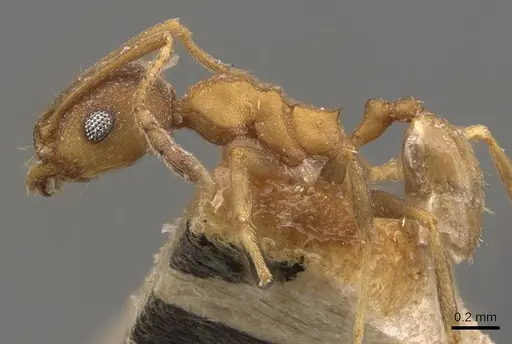
CASENT0916620
View on AntWeb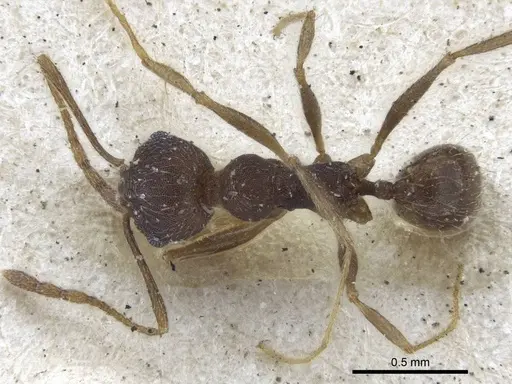
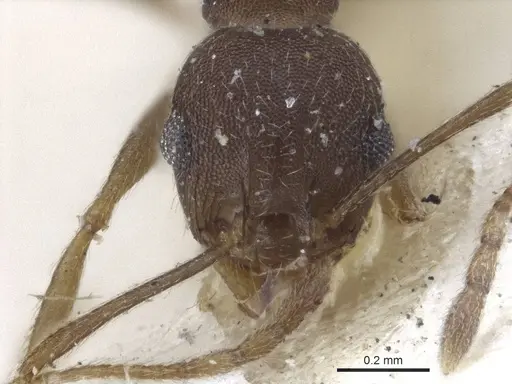
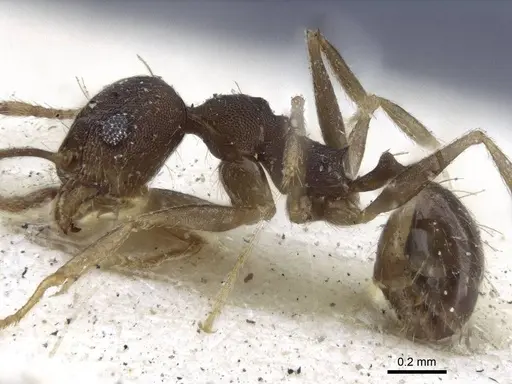
CBUMAGENT42029
View on AntWeb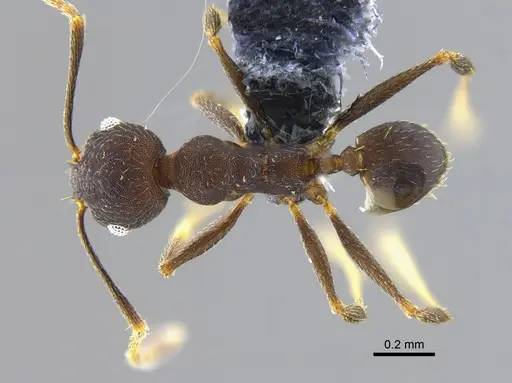
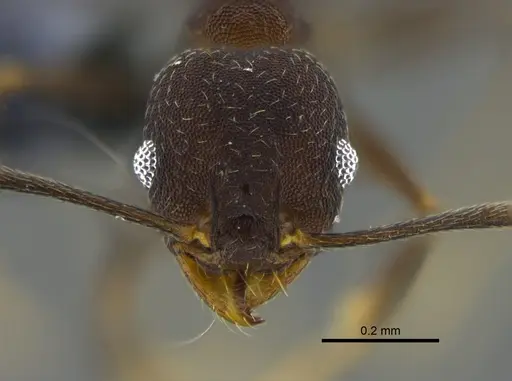
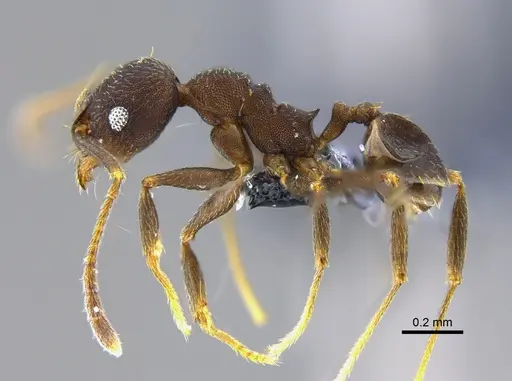
ECOFOG-BUG-0057-01
View on AntWeb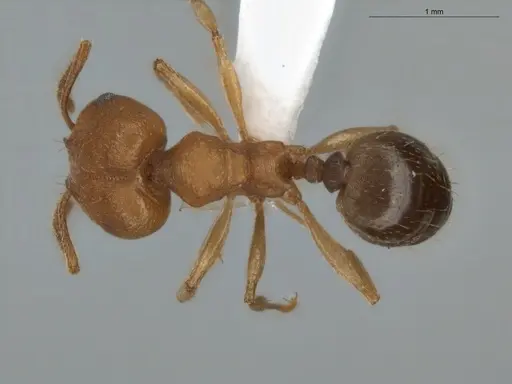
ECOFOG-GAL18-0311-04
View on AntWeb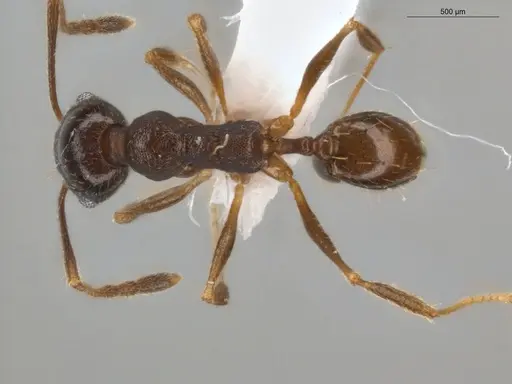
ECOFOG-OI17-0080-03
View on AntWeb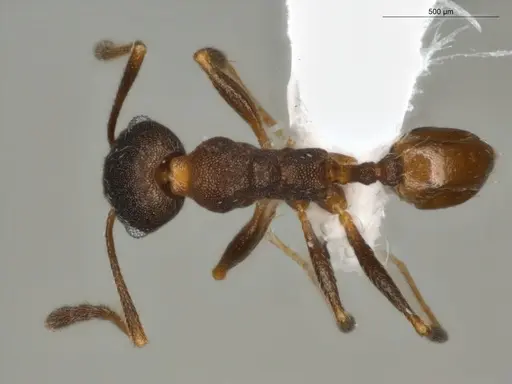
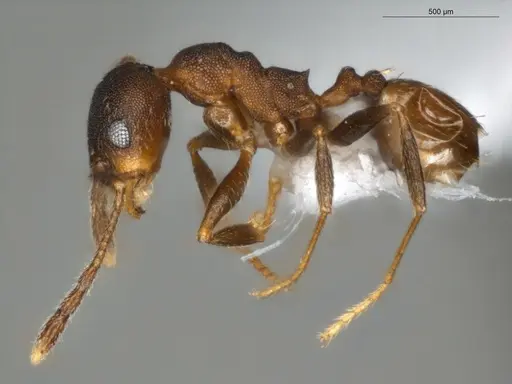
ECOFOG-SAV18-0019-06
View on AntWeb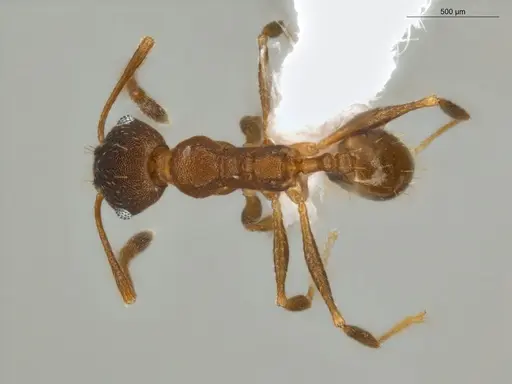
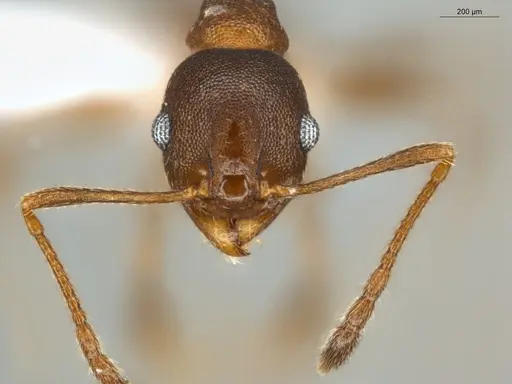
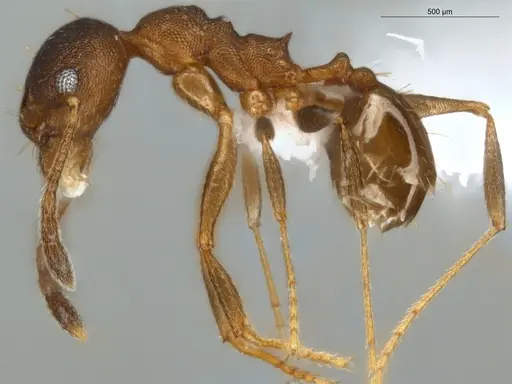
ECOFOG-SG17-0103-11
View on AntWeb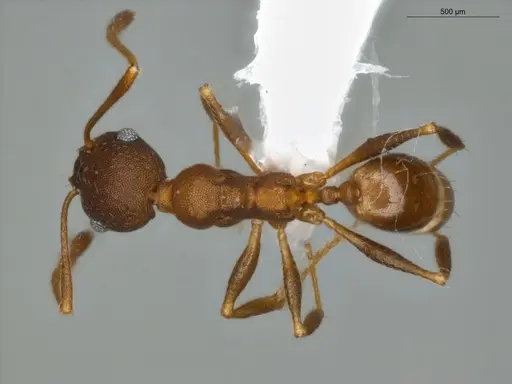
FOCOL1430
View on AntWeb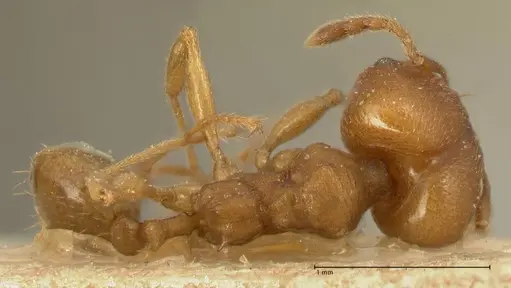
Literature
Loading...Loading products...