

Pheidole rabo
- Scientific Name
- Pheidole rabo
- Tribe
- Attini
- Subfamily
- Myrmicinae
- Author
- Forel, 1913
- Distribution
- Found in 3 countries
Pheidole rabo Overview
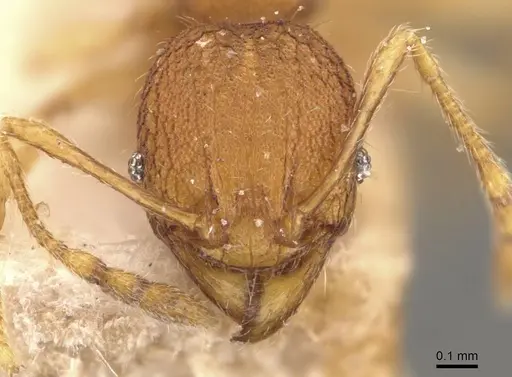
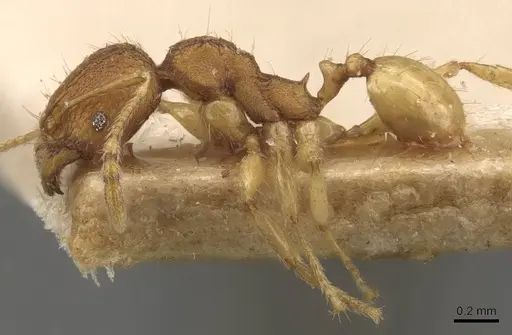
Pheidole rabo is an ant species of the genus Pheidole. It is primarily documented in 3 countries , including Brunei Darussalam, China, Malaysia. Detailed taxonomic data and occurrence records can be further explored via authoritative databases such as AntWeb or the Global Biodiversity Information Facility (GBIF).
Pheidole rabo
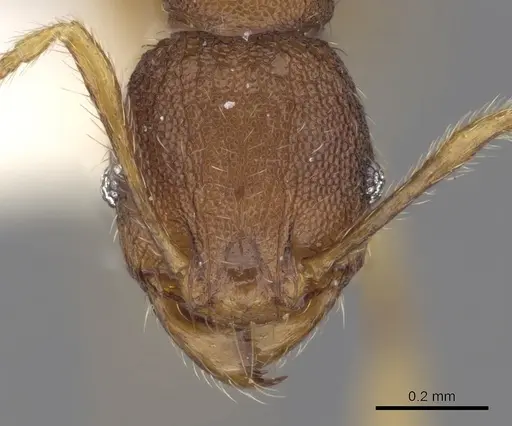
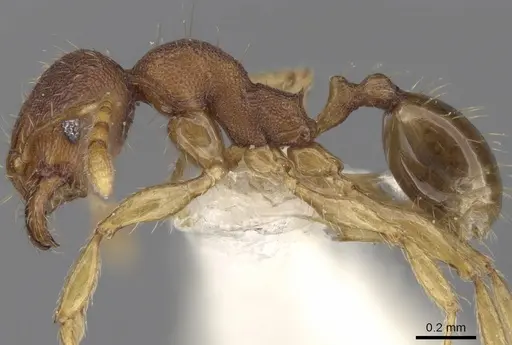
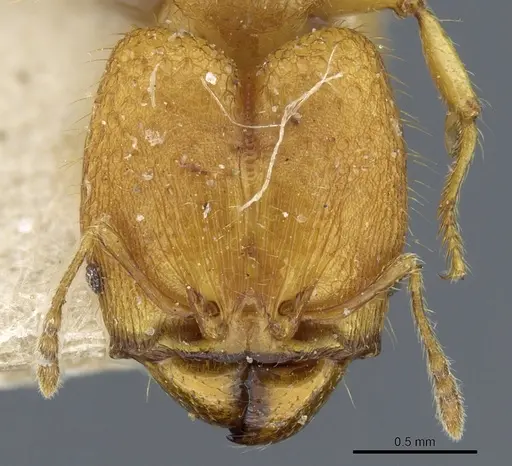
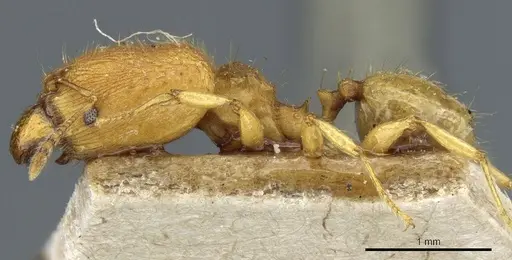
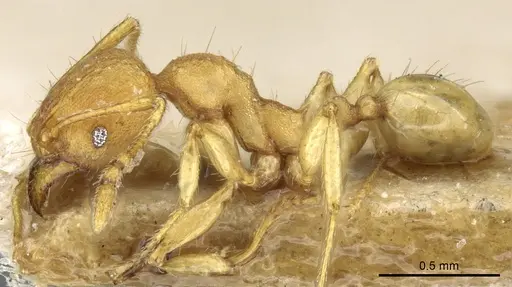
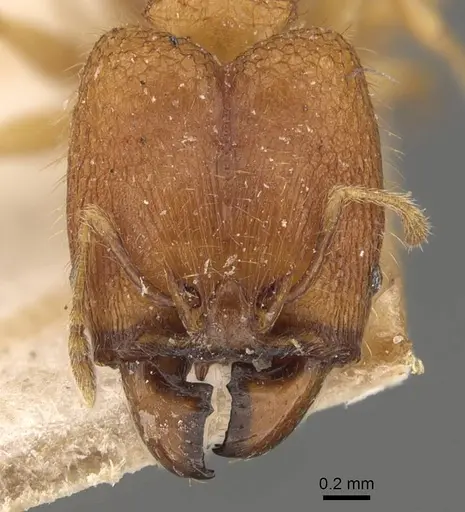
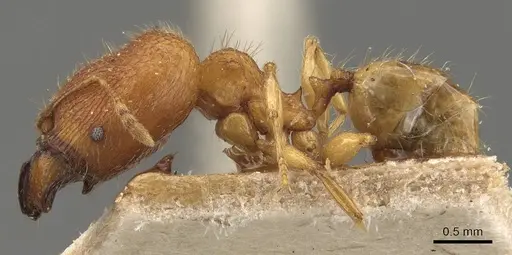
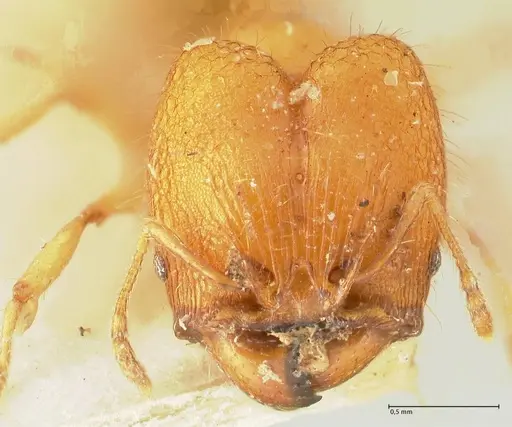
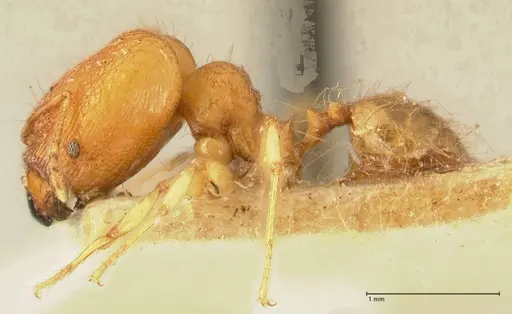
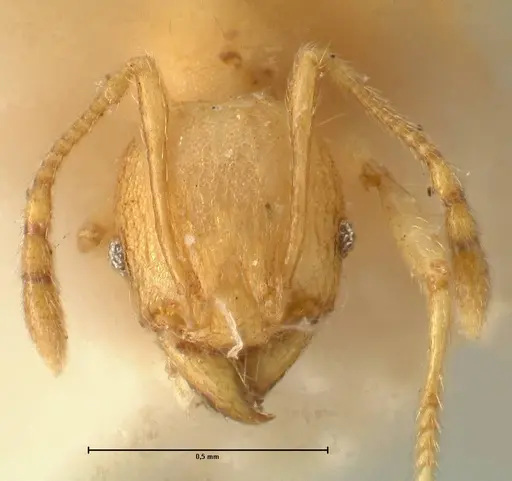
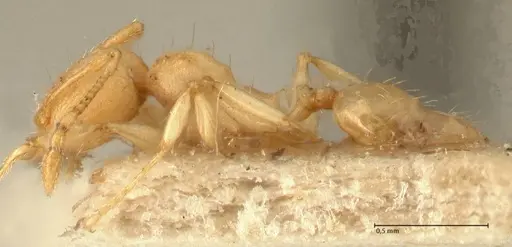
Pheidole rabo is a small to medium-sized ant species native to Southeast Asia, easily recognized by the dramatic size difference between its major workers (soldiers) and minor workers. Majors have the characteristic large, rectangular head that Pheidole is known for, while minors are tiny and slender. This species is widely distributed across the Indo-Chinese and Indo-Malayan regions, found in countries including Thailand, Vietnam, Malaysia, Indonesia, the Philippines, and southern China. Unlike many ant species that adapt to human-modified landscapes, P. rabo is strictly a forest-dwelling species that thrives only in primary and secondary forests, making it a true forest specialist.
Quick Summary
- Difficulty: Medium
- Origin & Habitat: Native to Southeast Asia (Indo-Chinese and Indo-Malayan regions). This species lives in well-developed rainforests, sometimes at forest edges or in bamboo forests, nesting under stones or occasionally in rotting logs on the ground [1][2]. It has never been found in rubber plantations or other human-modified landscapes [3].
- Colony Type: Single-queen (monogyne) colonies. Pheidole colonies are characterized by having distinct major and minor worker castes, majors defend the nest and process large food items while minors handle most foraging and brood care.
- Colony: Monogyne
- Founding: Claustral
- Size & Growth:
- Queen: Unconfirmed, typical Pheidole queens are 5-8mm
- Worker: Minor workers: 0.49-0.60mm head length, Major workers: 1.11-1.53mm head length [1][2]
- Colony: Unknown for this specific species, but typical Pheidole colonies reach several hundred to a few thousand workers
- Growth: Moderate, typical for Pheidole genus
- Development: 6-10 weeks at tropical temperatures (Development time is estimated based on typical Pheidole patterns, direct data for this species is unavailable)
- Antkeeping:
- Temperature: Keep at 24-28°C (warm tropical conditions). This species comes from warm, humid Southeast Asian forests and will do best with stable warmth. A gentle heat gradient allows workers to regulate their temperature
- Humidity: High humidity required, aim for 70-85%. Keep the nest substrate consistently moist but not waterlogged. These forest-floor ants need damp conditions similar to their natural leaf litter habitat [1][2]
- Diapause: No, as a tropical species, P. rabo does not require hibernation. Keep temperatures stable year-round
- Nesting: This species nests under stones or in rotting wood on the forest floor [1][2]. In captivity, a naturalistic setup with a moist substrate (soil/vermiculite mix) and flat stones or pieces of rotting wood works well. Alternatively, a Y-tong or plaster nest with high humidity chambers suits them. Avoid dry, airy setups.
- Behavior: Pheidole rabo is a ground-nesting species that forages in leaf litter and on the forest floor. Workers are active both day and night [4], with pitfall trap data showing they are particularly active at night [4]. Majors stay near the nest and defend it, while minors do most of the foraging. They are not particularly aggressive but will bite if threatened. Escape prevention is important, while not the smallest ants, they can still squeeze through small gaps, so ensure your setup is secure.
- Common Issues: forest specialist sensitivity, this species is highly sensitive to habitat disturbance and may struggle in setups that don't replicate forest floor conditions, humidity management, too dry causes brood death and colony decline, but too wet leads to mold, escape risk, minors are small enough to escape through standard barrier gaps if not careful, slow colony establishment, Pheidole colonies take time to build numbers, patience is required, not a beginner species, their specific humidity needs and forest-dwelling nature make them challenging compared to more adaptable ants
Housing and Nest Setup
Pheidole rabo requires a setup that mimics their natural forest floor habitat. A naturalistic terrarium-style formicarium works best, use a moist soil substrate (a mix of soil and vermiculite or sand works well) and provide flat stones or pieces of rotting wood as nest sites. The substrate should stay consistently damp but never waterlogged. You can also use Y-tong nests with small chambers, as these provide the dark, humid conditions they prefer. Because they are strictly forest-dwelling, avoid placing the nest in direct sunlight or in dry, airy locations. A humidity reservoir or regular misting helps maintain the moisture levels they need. The outworld should be simple, a foraging area where you can offer food. [1][2]
Feeding and Diet
Like most Pheidole species, P. rabo is an omnivore that readily accepts both protein and sugar sources. Offer protein-rich foods like small insects (fruit flies, small crickets, mealworms), and provide sugar water, honey, or diluted syrup as an energy source. In the wild, these ants forage in leaf litter where they scavenge dead insects and tend aphids for honeydew. They are not aggressive hunters but will take small prey. Feed minor workers more frequently since they do most of the foraging, while majors stay closer to the nest and process food. Remove uneaten food after 24-48 hours to prevent mold.
Temperature and Seasonal Care
As a tropical Southeast Asian species, Pheidole rabo needs warm, stable temperatures year-round. Keep the nest area between 24-28°C. Temperatures below 22°C can slow colony activity and may affect brood development. A small heating cable or mat on one side of the nest creates a temperature gradient that allows ants to regulate their own temperature. Do not let temperatures exceed 32°C. Since this species does not experience cold winters in its native habitat, no hibernation or diapause period is needed, maintain consistent conditions throughout the year. Sudden temperature drops or drafts can stress the colony. [1][2]
Colony Structure and Development
Pheidole colonies are defined by their polymorphic worker caste system, large major workers (sometimes called soldiers) develop from the same larval stock as minors, with caste determination influenced by nutrition and colony needs rather than genetics alone. A mature colony has one queen who lays eggs continuously, supported by hundreds or thousands of workers. The majors defend the nest and help process large food items, while the smaller minors handle most foraging, brood care, and tunnel maintenance. Colony growth is moderate, expect several months before you see significant numbers. The first workers (nanitics) are typically smaller than mature workers and may not include majors initially. As the colony grows, more majors will be produced as needed.
Behavior and Observation
One interesting aspect of Pheidole rabo is its activity pattern, research shows these ants are active in leaf litter both during the day and at night [4]. In captivity, you'll likely see workers actively foraging throughout the day, with perhaps increased activity during darker hours. The major workers are fascinating to watch as they use their large heads to block nest entrances, crack seeds, or process large prey items. They are not aggressive toward humans but will bite if handled roughly. The clear division of labor between majors and minors makes them an engaging species to observe. They are not prone to stinging.
Frequently Asked Questions
Can I keep Pheidole rabo in a test tube?
Test tubes can work for founding colonies, but P. rabo is sensitive to dry conditions and will likely need a more sophisticated setup once the colony grows. The forest-floor habitat they prefer requires moisture that test tubes alone may not provide adequately. Consider moving them to a naturalistic or Y-tong setup once the colony reaches 20-30 workers.
How long does it take for Pheidole rabo to produce first workers?
Based on typical Pheidole development, expect 6-10 weeks from founding to first workers (nanitics) at warm tropical temperatures (26-28°C). The exact timeline depends on temperature and feeding. The queen will remain sealed in her chamber until her first workers emerge.
Are Pheidole rabo good for beginners?
No, this species is not ideal for beginners. P. rabo is a forest specialist that requires high humidity, stable warm temperatures, and a naturalistic setup to thrive. They are more sensitive to dry conditions and habitat disturbance than more adaptable species like Lasius or Tetramorium. If you're new to antkeeping, start with a hardier species.
What do Pheidole rabo eat?
They are omnivores. Offer small insects (fruit flies, pinhead crickets, mealworms) as protein, and sugar water, honey, or diluted syrup as an energy source. They will scavenge dead insects in their foraging area. Remove uneaten food after a day to prevent mold.
Can I keep multiple queens together?
Pheidole rabo is a single-queen (monogyne) species. Combining unrelated queens is not recommended and likely results in fighting. Only one queen should be kept per colony.
Do Pheidole rabo need hibernation?
No. As a tropical species from Southeast Asia, they do not require hibernation. Keep temperatures stable year-round between 24-28°C. Cold periods can stress or kill the colony.
Why is my Pheidole rabo colony dying?
The most common causes are: too low humidity (forest species need 70-85% moisture), temperature stress (below 22°C or above 32°C), poor escape prevention allowing workers to escape, or feeding issues. Check your humidity levels first, dry conditions are the most common killer of forest-floor ant species. Also ensure the queen is still alive and laying eggs.
How big do Pheidole rabo colonies get?
While exact maximum size is unknown for this species, typical Pheidole colonies reach several hundred to a few thousand workers. Growth is moderate, expect several months to a year to establish a healthy colony.
When should I move Pheidole rabo to a formicarium?
Move them when the test tube setup becomes crowded (typically 30-50+ workers) or when you see the queen spending more time in the foraging area. A naturalistic setup with moist substrate works best for this species.
References

This caresheet is licensed under CC BY-SA 4.0 .
CASENT0281722
View on AntWeb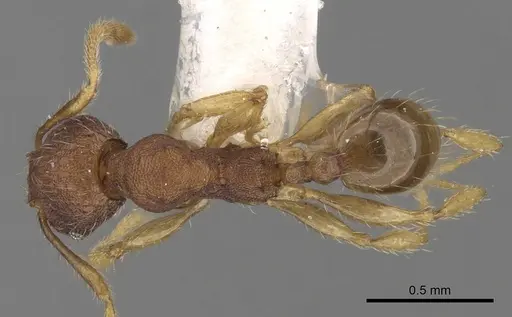
CASENT0904269
View on AntWeb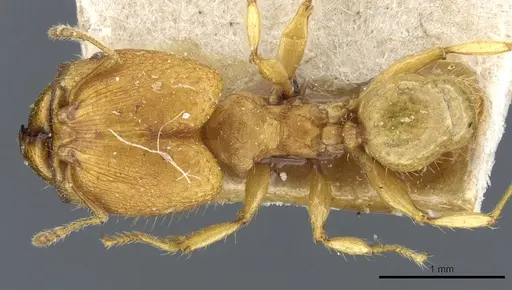
CASENT0904270
View on AntWeb
CASENT0907989
View on AntWeb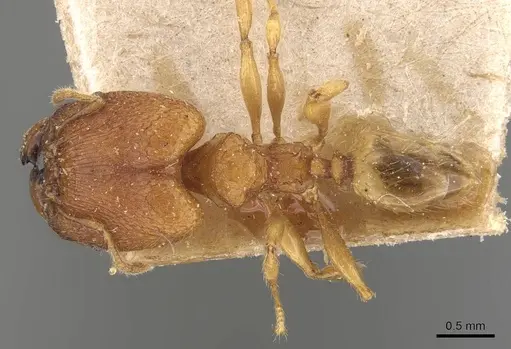
CASENT0907990
View on AntWeb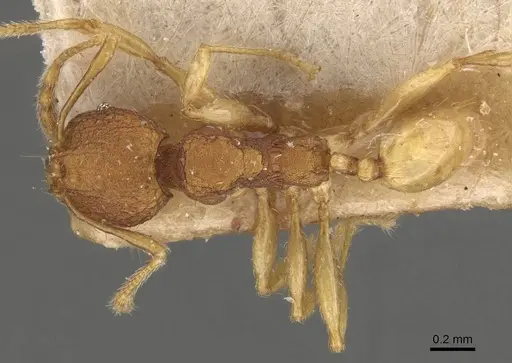
FOCOL1370
View on AntWeb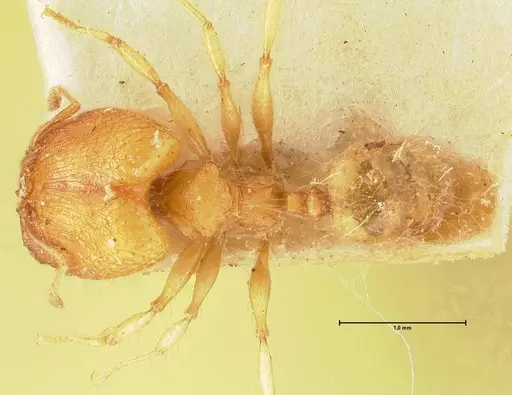
FOCOL1371
View on AntWeb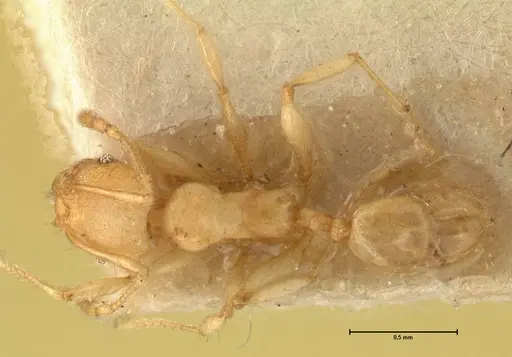
Literature
Loading...Loading products...