

Pheidole quadriceps
- Scientific Name
- Pheidole quadriceps
- Tribe
- Attini
- Subfamily
- Myrmicinae
- Author
- Wilson, 2003
- Distribution
- Found in 1 countries
Pheidole quadriceps Overview
Pheidole quadriceps is an ant species of the genus Pheidole. It is primarily documented in 1 countries , including Colombia. Detailed taxonomic data and occurrence records can be further explored via authoritative databases such as AntWeb or the Global Biodiversity Information Facility (GBIF).
Pheidole quadriceps
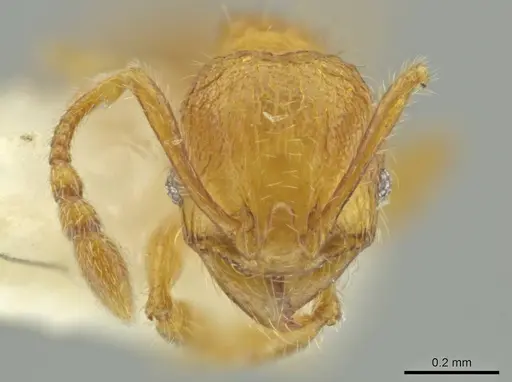
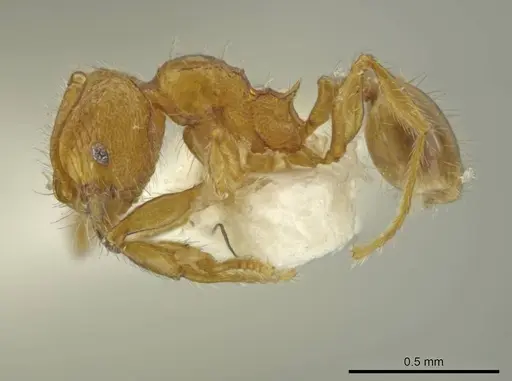
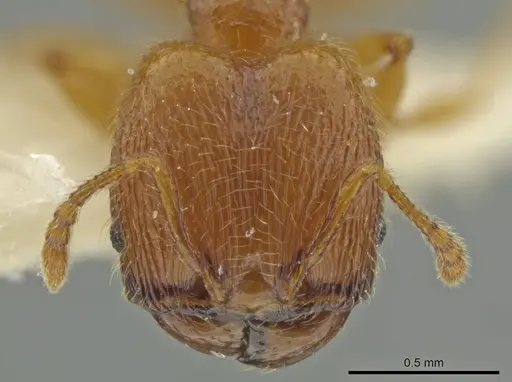
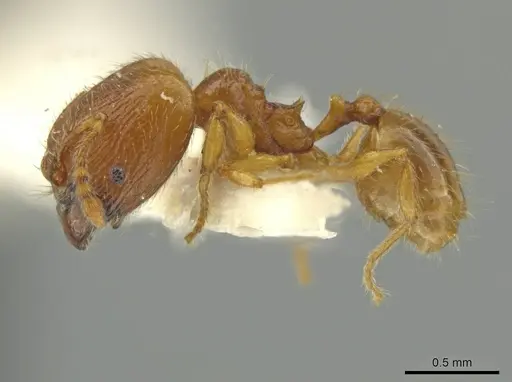
Pheidole quadriceps is a small, yellow ant belonging to the flavens group, native to Colombia. Majors are distinguished by their distinctive square-shaped head when viewed front-on, while both majors and minors are yellow in color, majors with slightly darker mandibles. This species was described in 2003 and remains poorly studied in the scientific literature. Workers are tiny, with majors measuring around 0.90mm head width and minors at just 0.44mm. The species is known only from the Antioquia region of Colombia, where it inhabits second-growth forest at elevations between 600-980 meters.
Quick Summary
- Difficulty: Unknown, too little data to assess
- Origin & Habitat: Colombia (Antioquia region) in second-growth forest at 600-980m elevation [1][2]
- Colony Type: Unconfirmed, likely single-queen based on typical Pheidole patterns
- Size & Growth:
- Queen: Unknown, not described in original description
- Worker: Major: 0.90mm HW, Minor: 0.44mm HW [3]
- Colony: Unknown, no colony size data available
- Growth: Unknown
- Development: Unknown, estimate 6-8 weeks based on typical Pheidole development (Development timeline unconfirmed for this species, estimate based on genus patterns)
- Antkeeping:
- Temperature: Likely 22-27°C based on Colombian lowland forest origin, start in this range and observe colony activity
- Humidity: Moderate to high, aim for 60-80% humidity with damp substrate
- Diapause: Unknown, tropical origin suggests year-round activity may be possible
- Nesting: Ground-nesting species likely, naturalistic setup with soil or Y-tong nest with fine chambers recommended
- Behavior: Behavior is unstudied. Based on genus typical behavior, majors guard the nest and assist with seed processing while minors forage. Likely not aggressive but will defend the nest. Escape prevention is critical due to their very small size, use fine mesh barriers.
- Common Issues: very small size makes escape likely without proper barriers, no species-specific care data exists, all advice is genus-level inference, tropical origin means temperature sensitivity is unknown, colony size and growth rate are completely unstudied, wild-caught colonies may carry unknown parasites
Species Background and Identification
Pheidole quadriceps was described by E.O. Wilson in 2003 from specimens collected at the Providencia Biological Station in Antioquia, Colombia. The species name refers to the most distinctive feature of major workers, their square-shaped head when viewed from the front. This is a medium-sized yellow species within the flavens group, characterized by large propodeal spines in majors and a uniquely angulated profile of the mesonotal convexity. The species is known only from the Antioquia department, with additional records from Amalfi in the Cañón del Porce region at approximately 980m elevation. Both major and minor workers are yellow, with majors having slightly darker mandibles. This ant remains one of the least studied Pheidole species, with no published information on its colony structure, founding behavior, or captive care requirements. [1][2][3]
Housing and Nest Setup
Since this species is ground-nesting and originates from Colombian forest habitats, a naturalistic setup with moist soil or a Y-tong style nest with appropriately scaled chambers would be the best starting point. The minor workers are extremely small at only 0.44mm head width, so any nest must have very fine tunnels and chambers. Test tube setups can work for founding colonies but may need modification due to the small size of workers. Escape prevention is absolutely critical, these ants can easily slip through standard barrier setups. Use fluon on nest edges and ensure all ventilation holes are covered with fine mesh (at least 0.3mm or finer). Provide a shallow water dish in the outworld and maintain moderate humidity in the nest area.
Feeding and Diet
Pheidole species are typically granivorous (seed-eating) and omnivorous, harvesting seeds and also tending aphids for honeydew. In captivity, offer a varied diet including small seeds appropriate to their tiny size, protein sources like small insects (fruit flies, pinhead crickets, or similar), and sugar water or honey. The major workers assist with seed processing and defense, while minor workers handle most foraging. Feed protein sources 2-3 times per week and keep sugar water available continuously. Start with small amounts and observe what the colony accepts. Due to their small size, prey items should be appropriately scaled, avoid offering anything larger than the workers can handle.
Temperature and Seasonal Care
As a Colombian species from elevations around 600-980m, Pheidole quadriceps likely prefers warm, stable conditions in the low-to-mid 20s Celsius range. Start around 24-26°C and monitor colony behavior, if workers consistently cluster near heat sources, increase slightly, if they avoid heated areas, reduce temperature. Since this species comes from a tropical region without harsh winters, it may not require a true diapause period. However, slight temperature reductions during winter months may be appropriate if the colony shows reduced activity. The exact temperature tolerance and preferences remain unknown due to the lack of specific studies on this species.
Colony Development and Growth
No specific data exists on the development timeline of Pheidole quadriceps. Based on typical Pheidole genus patterns, expect the first workers (nanitics) to emerge approximately 6-8 weeks after the queen lays eggs, assuming optimal temperature conditions around 25°C. Pheidole colonies are dimorphic, meaning they produce both major and minor workers. Major workers typically appear later in colony development once the colony has reached a certain size. The maximum colony size for this species is completely unknown, related species in the genus can reach several thousand workers, but this varies significantly between species. Patience is essential given the lack of species-specific data.
Frequently Asked Questions
How long does it take for Pheidole quadriceps to produce first workers?
The egg-to-worker timeline is unconfirmed for this species. Based on typical Pheidole genus development, expect approximately 6-8 weeks at optimal temperature (around 25°C). This is an estimate only, actual development time may vary.
What do Pheidole quadriceps ants eat?
Pheidole species are typically granivorous and omnivorous. Offer small seeds, protein sources like fruit flies or small insects, and sugar water or honey. Start with varied offerings to determine preferences.
Can I keep multiple queens of Pheidole quadriceps together?
The colony structure of this species is unconfirmed. Combining unrelated queens is not recommended since it has not been documented for this species. Most Pheidole are single-queen colonies.
What temperature should I keep Pheidole quadriceps at?
Start around 24-26°C based on their Colombian origin. Adjust based on colony behavior, observe whether workers seek out warmer or cooler areas of the nest.
Are Pheidole quadriceps good for beginners?
This species cannot be recommended for beginners due to the complete lack of species-specific care data. All advice is genus-level inference. Choose a better-documented species for your first ant colony.
How big do Pheidole quadriceps colonies get?
Maximum colony size is unknown, no colony size data exists for this species. Related Pheidole species can reach several thousand workers, but actual size for this species is uncertain.
Do Pheidole quadriceps need hibernation?
Diapause requirements are unconfirmed. As a tropical Colombian species, they likely do not require true hibernation. Year-round activity at room temperature is probable.
Why are my Pheidole quadriceps escaping?
Their extremely small size (minor workers are only 0.44mm) makes escape likely without excellent barriers. Use fluon on all edges, fine mesh on ventilation, and check for any gaps in your setup.
When should I move my colony to a formicarium?
Move to a formicarium when the test tube setup becomes crowded, typically when the colony reaches several dozen workers. For this poorly-studied species, err on the side of keeping them in the founding setup longer rather than moving too early.
References

This caresheet is licensed under CC BY-SA 4.0 .
JTLC000016504
View on AntWeb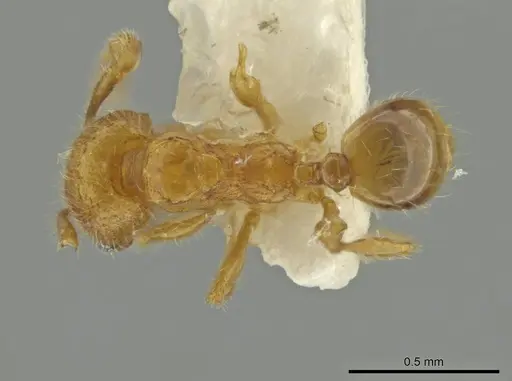
JTLC000016505
View on AntWeb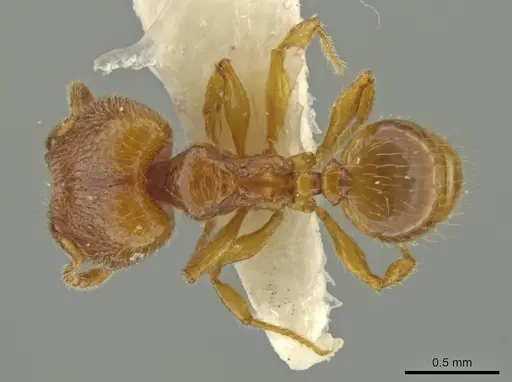
Literature
Loading...Loading products...