

Pheidole quadrensis
- Scientific Name
- Pheidole quadrensis
- Tribe
- Attini
- Subfamily
- Myrmicinae
- Author
- Forel, 1900
- Distribution
- Found in 1 countries
Pheidole quadrensis Overview
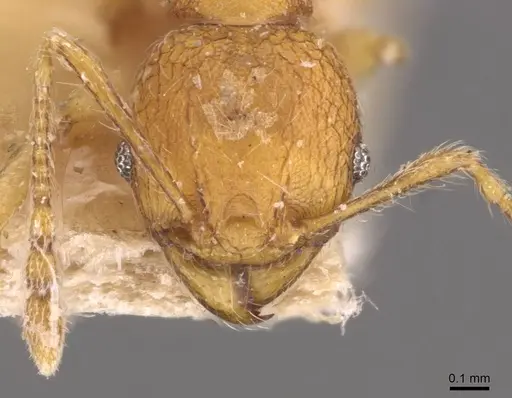
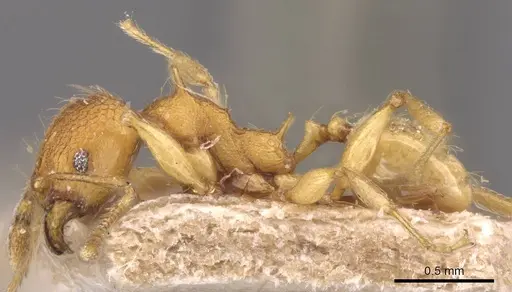
Pheidole quadrensis is an ant species of the genus Pheidole. It is primarily documented in 1 countries , including Malaysia. Detailed taxonomic data and occurrence records can be further explored via authoritative databases such as AntWeb or the Global Biodiversity Information Facility (GBIF).
Pheidole quadrensis
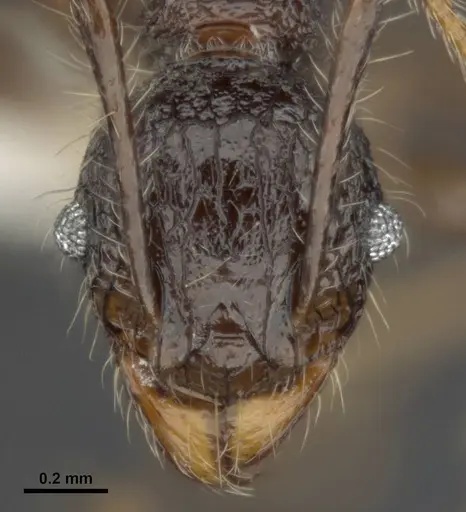
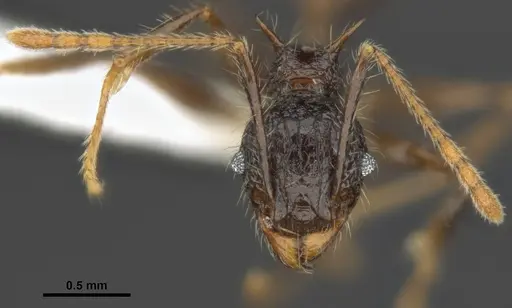
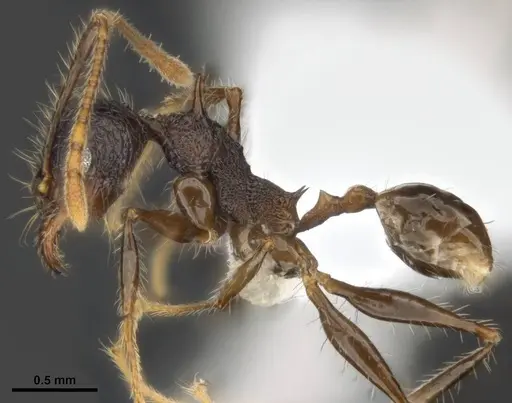
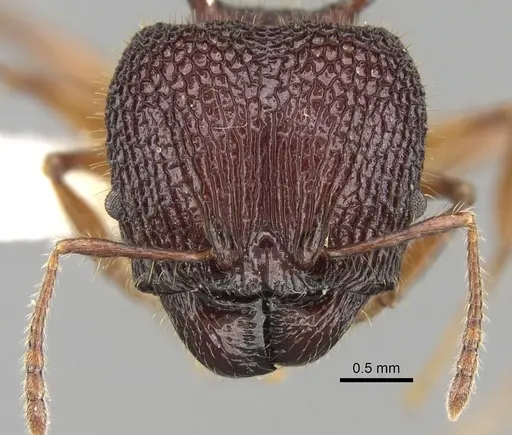
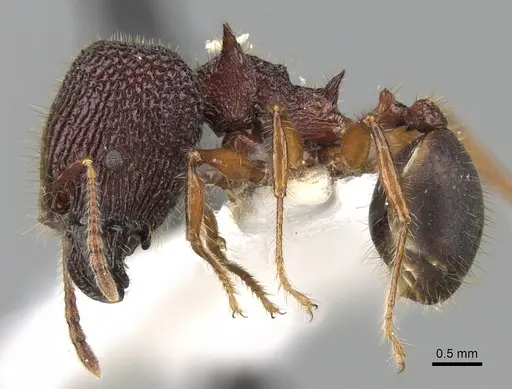
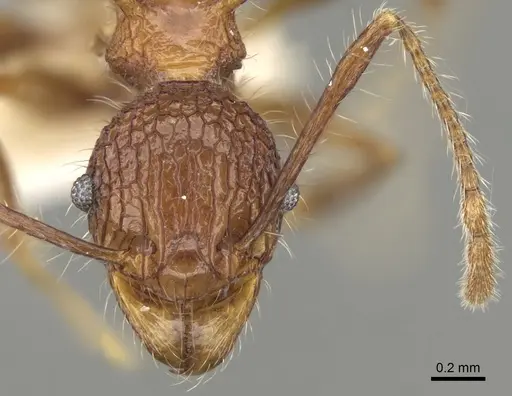
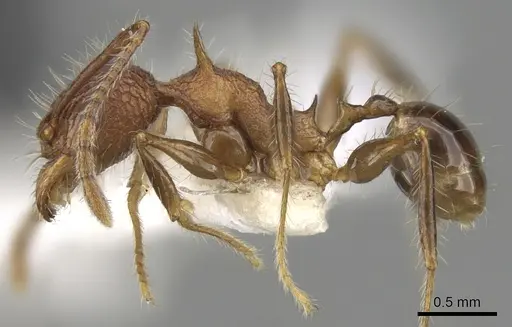
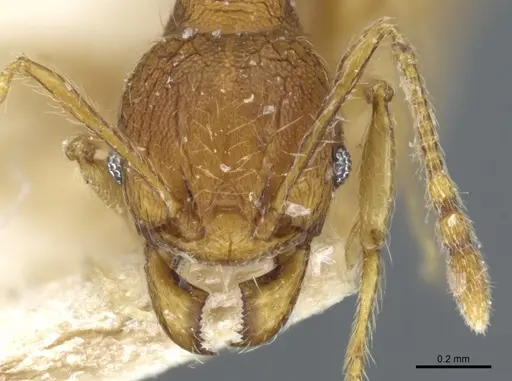
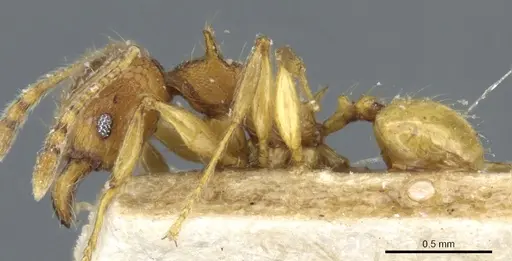
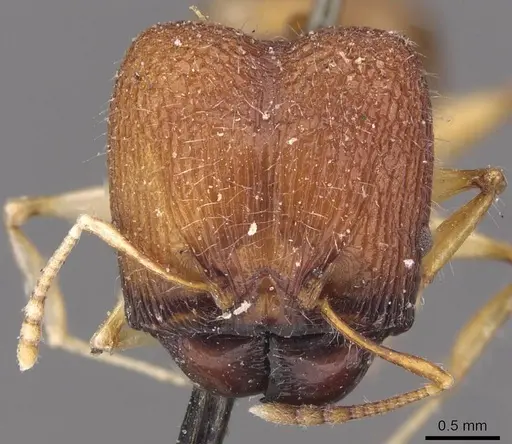
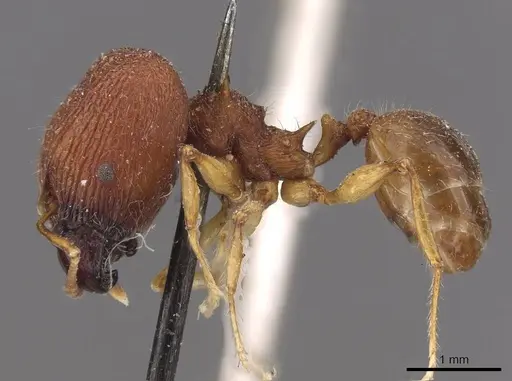
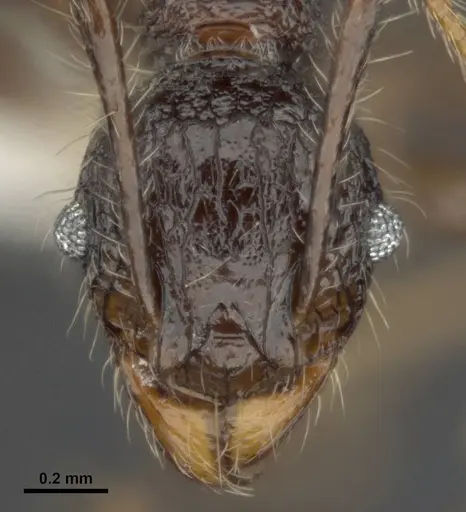
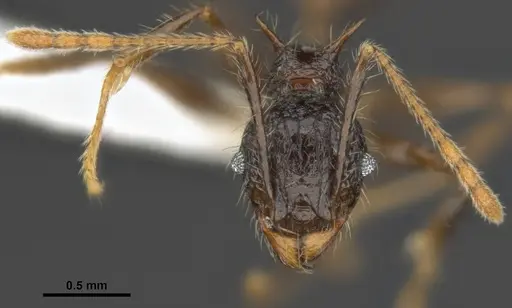
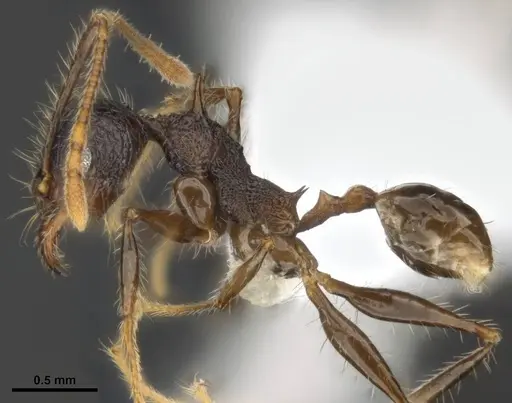
Pheidole quadrensis is a small to medium-sized ant species belonging to the Pheidole quadricuspis group, found throughout Southeast Asia including Borneo, Sumatra, the Malay Peninsula, Brunei, and the Philippines. Major workers measure 4.1-5.1mm with distinctive broadly-based propodeal spines, while minor workers are much smaller at 2.4-2.9mm with blunt petiolar nodes. The species inhabits well-developed lowland dipterocarp forests, nesting in rotting twigs and wood blocks on the forest floor. Notably, this ant practices myrmecochory, it collects and stores tiny seeds within its nest, making it one of the few Pheidole species with documented seed-storage behavior. The species is currently recognized as a species complex due to significant morphological variation across its range, and taxonomic revision is needed.
Quick Summary
- Difficulty: Medium
- Origin & Habitat: Native to Southeast Asia including Borneo, Sumatra, Malay Peninsula, Brunei, and the Philippines. Inhabits well-developed lowland dipterocarp forests, nesting in rotting twigs and wood blocks on the forest floor [1][2][3].
- Colony Type: Monogyne, colonies contain a single dealate queen. Ergatoid replacement reproductives have not been documented in this species [3].
- Colony: Monogyne
- Founding: Claustral
- Size & Growth:
- Queen: Not directly measured in literature, estimated 7-9mm based on genus patterns for Pheidole species
- Worker: Major: 4.1-5.1mm, Minor: 2.4-2.9mm [3]
- Colony: Colony size data limited, based on related Pheidole species, likely reaches several hundred workers
- Growth: Moderate, typical for tropical Pheidole
- Development: Estimated 5-8 weeks at optimal tropical temperatures based on genus patterns (Development time inferred from related tropical Pheidole species, specific data for this species is unavailable)
- Antkeeping:
- Temperature: Keep at 24-28°C. As a tropical lowland species from Southeast Asian rainforests, they need warm conditions. A heating cable on one side of the nest creates a suitable gradient
- Humidity: High humidity required, aim for 70-85%. Keep the nest substrate consistently moist but not waterlogged. These forest-floor ants prefer damp conditions similar to their natural rotting wood habitat
- Diapause: No, as a tropical species, they do not require hibernation. Maintain consistent warm temperatures year-round
- Nesting: Naturalistic setups with rotting wood or twigs work well, replicating their forest-floor habitat. Y-tong or plaster nests with moisture chambers are also suitable. Provide narrow chambers scaled to their small size, especially for minor workers
- Behavior: Minor workers are tiny (2.4-2.9mm) and can escape through very small gaps. Major workers are larger (4.1-5.1mm) but still require excellent escape prevention. They are omnivorous with predatory tendencies based on isotopic evidence showing δ15Ncor = 5.15,indicating they consume other small invertebrates. The species is not particularly aggressive but will defend the nest. Foraging occurs primarily on the forest floor where they search for small prey and seeds.
- Common Issues: escape prevention is critical due to tiny minor workers (2.4mm), use fine mesh and tight-fitting lids, tropical humidity requirements can be challenging to maintain consistently, species complex means there may be variation in requirements depending on the specific population, slow colony growth can lead to keeper impatience and overfeeding, rotting wood nests can mold if humidity is too high without adequate ventilation
Housing and Nest Setup
Pheidole quadrensis naturally nests in rotting twigs and wood blocks on the forest floor, so naturalistic setups with small pieces of rotting wood or twigs work well. You can also use Y-tong (acrylic) nests or plaster nests with moisture chambers. The key is providing appropriately sized chambers, minor workers are only 2.4-2.9mm, so passages and chambers should be scaled accordingly. A small water reservoir or moisture chamber connected to the nest helps maintain the humidity they need. Avoid completely dry setups as these forest-floor ants require damp conditions. Some keepers successfullly keep them in test tube setups with cotton-plugged water reservoirs, but a more naturalistic approach better matches their natural habitat.
Feeding and Diet
Based on isotopic evidence (δ15Ncor = 5.15), P. quadrensis is omnivorous with predatory tendencies, feeding on small invertebrates and seeds [4][5]. In captivity, offer small live prey such as fruit flies, pinhead crickets, and small mealworms. They also accept protein-based foods like boiled chicken or fish. Their documented seed-storage behavior suggests they may accept small seeds or grain, though this should be offered experimentally. Sugar water or honey can be provided occasionally, but protein-rich foods should form the primary diet. Feed small amounts 2-3 times per week, removing uneaten food to prevent mold.
Temperature and Humidity
As a tropical lowland species from Southeast Asian rainforests, Pheidole quadrensis requires warm and humid conditions. Maintain temperatures between 24-28°C, avoiding drops below 22°C. A heating cable placed on part of the nest can create a temperature gradient. Humidity should be kept at 70-85%, the substrate should feel consistently damp but not waterlogged. These ants naturally live in damp forest-floor environments, so drying out is a serious risk. Use a moisture reservoir connected to the nest and monitor condensation levels. Good ventilation is important to prevent mold while maintaining humidity.
Colony Development and Growth
Pheidole quadrensis is a monogyne species with a single queen per colony. The queen is claustral, she seals herself in a chamber and raises the first brood alone using stored fat reserves. First workers (nanitics) are typically minor workers and appear within 5-8 weeks under optimal conditions. Colony growth is moderate, expect several months to reach 50+ workers. Major workers develop later and become more common as the colony grows. The species is considered a species complex with morphological variation, so there may be some variation in development timing depending on the specific population. Patience is key, as Pheidole colonies often take time to establish.
Escape Prevention
Excellent escape prevention is essential for this species. Minor workers are only 2.4-2.9mm, they can squeeze through incredibly small gaps. Use tight-fitting lids on any outworld or formicarium. Fine mesh (at least 0.5mm) should be used on any ventilation holes. Fluon or similar barrier products applied to the rim of the nest can help prevent escapes. Check for any gaps regularly, especially around water tube connections and feeding ports. Even small cracks in acrylic nests can provide an escape route for these tiny workers.
Frequently Asked Questions
How long does it take for Pheidole quadrensis to have first workers?
First workers typically appear in 5-8 weeks under optimal conditions (24-28°C). This is based on typical Pheidole development patterns, as specific timing for this species has not been documented. The queen is claustral and seals herself in to raise the first brood alone.
What do Pheidole quadrensis ants eat?
They are omnivorous with predatory tendencies. Offer small live prey like fruit flies, pinhead crickets, and small mealworms. They also accept protein foods like boiled chicken and may collect small seeds. Sugar water or honey can be offered occasionally.
Can I keep multiple Pheidole quadrensis queens together?
No. This species is monogyne, colonies have only a single queen. Multiple queens will fight. In the wild, colonies have never been found with more than one dealate queen.
What temperature do Pheidole quadrensis need?
Keep them at 24-28°C. As a tropical lowland species from Southeast Asian rainforests, they need warm conditions year-round. Avoid temperatures below 22°C.
Are Pheidole quadrensis good for beginners?
This species is rated as Medium difficulty. While not the hardest species, their humidity requirements and the escape risk from tiny workers make them better suited for keepers with some experience. Their slow growth also requires patience.
How big do Pheidole quadrensis colonies get?
Colony size data is limited, but based on related Pheidole species, colonies likely reach several hundred workers. The species is monogyne with a single queen.
Do Pheidole quadrensis need hibernation?
No. As a tropical species from Southeast Asia, they do not require hibernation. Maintain consistent warm temperatures (24-28°C) year-round.
Why are my Pheidole quadrensis dying?
Common causes include: temperatures too low (below 22°C), humidity too low or too high (aim for 70-85% with good ventilation), escape of tiny workers through small gaps, mold from overfeeding or poor ventilation, or stress from too much disturbance during founding. Check that your setup matches their forest-floor habitat requirements.
References

This caresheet is licensed under CC BY-SA 4.0 .
ANTWEB1008109
View on AntWeb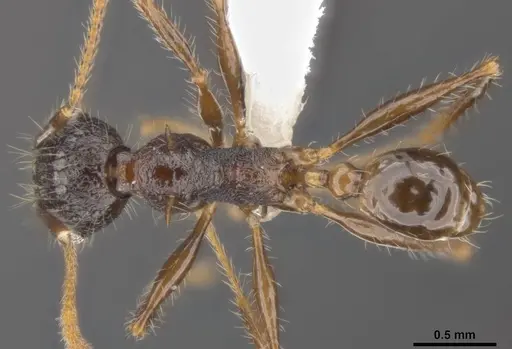
CASENT0281630
View on AntWeb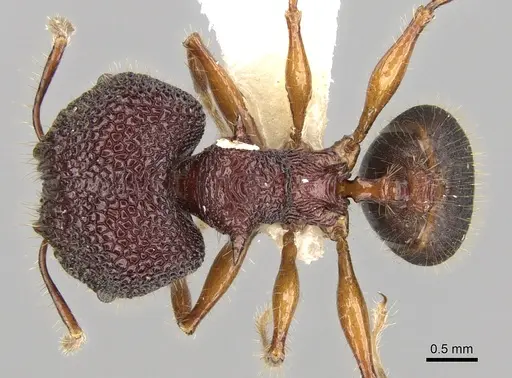
CASENT0281631
View on AntWeb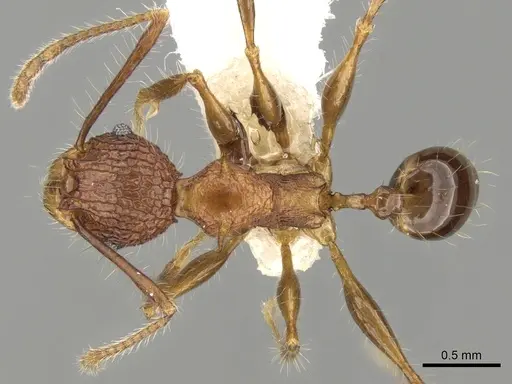
CASENT0904266
View on AntWeb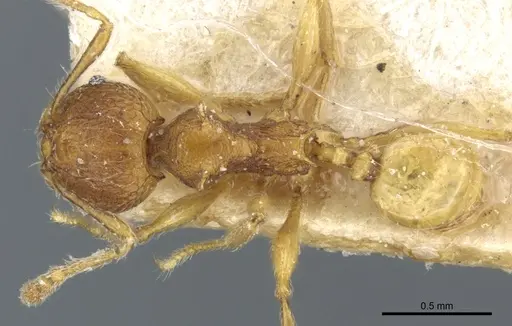
CASENT0907768
View on AntWeb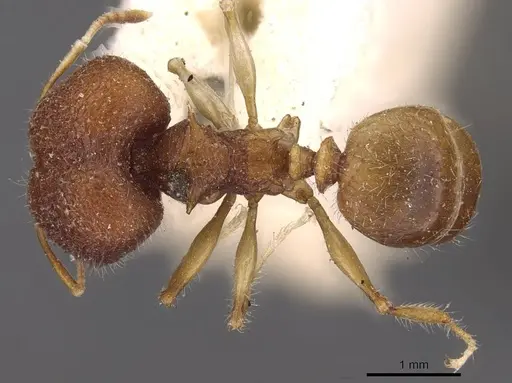
CASENT0907769
View on AntWeb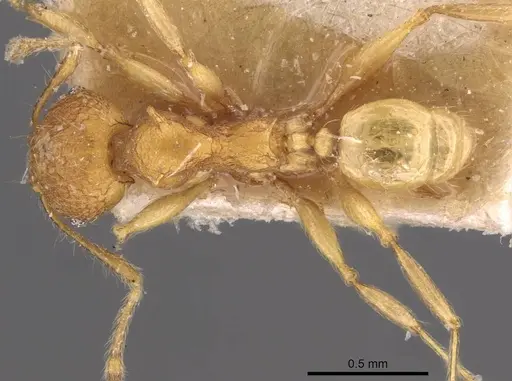
MCZ-ENT00511505
View on AntWeb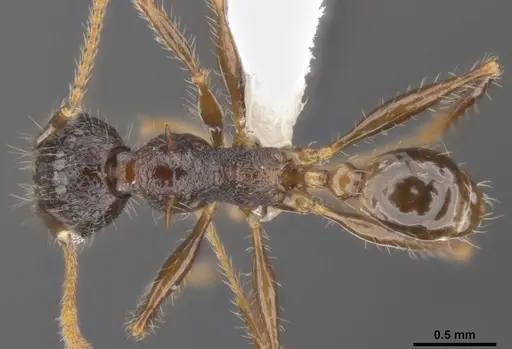
Literature
Loading...Loading products...