

Pheidole purpurea
- Scientific Name
- Pheidole purpurea
- Tribe
- Attini
- Subfamily
- Myrmicinae
- Author
- Longino, 2009
- Distribution
- Found in 3 countries
Pheidole purpurea Overview
Pheidole purpurea is an ant species of the genus Pheidole. It is primarily documented in 3 countries , including Guatemala, Honduras, Mexico. Detailed taxonomic data and occurrence records can be further explored via authoritative databases such as AntWeb or the Global Biodiversity Information Facility (GBIF).
Pheidole purpurea
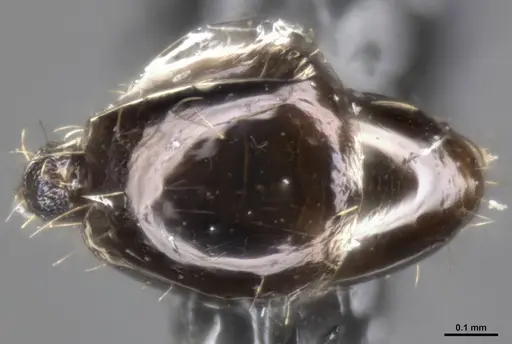
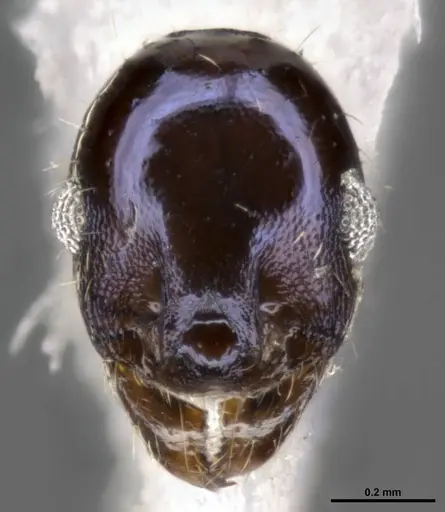
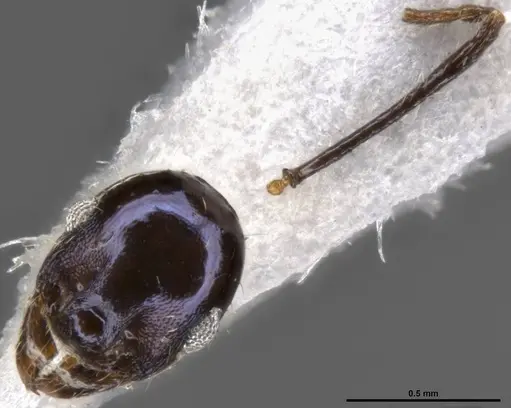
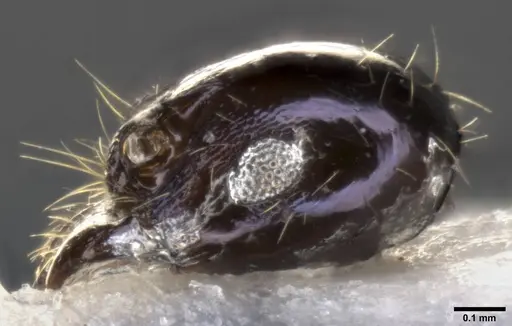
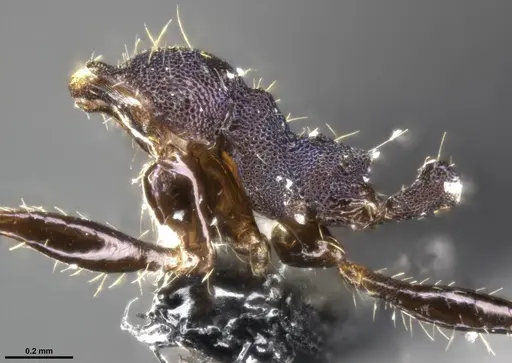
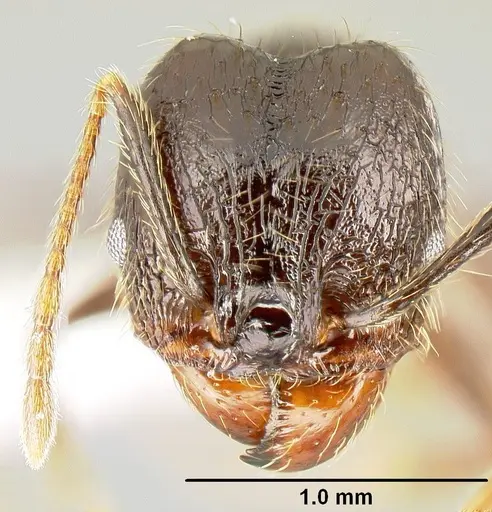
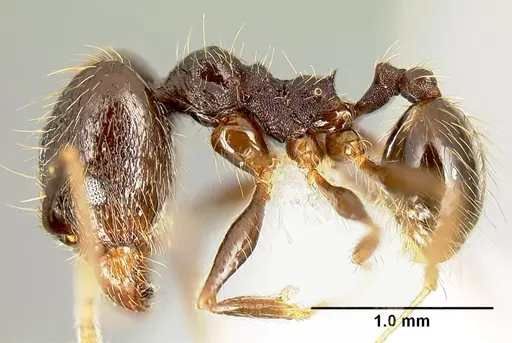
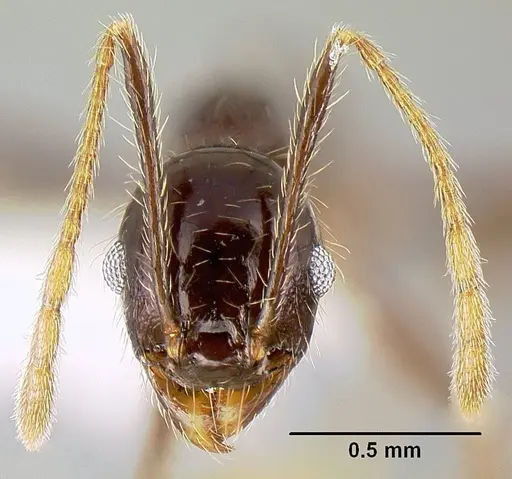
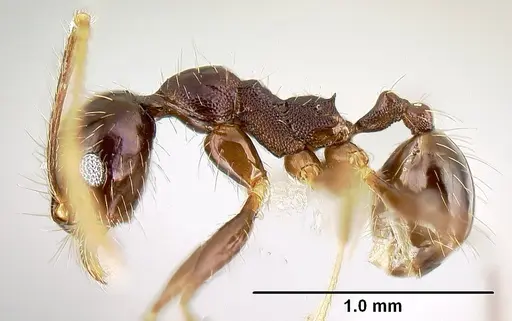
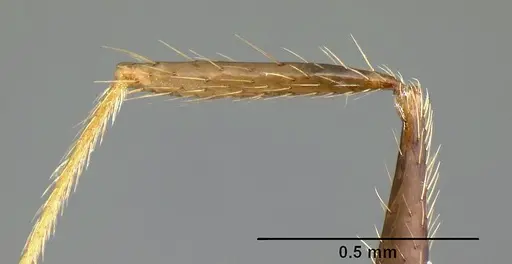
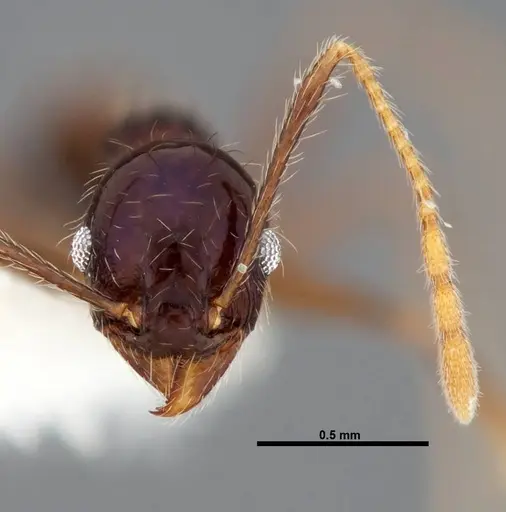
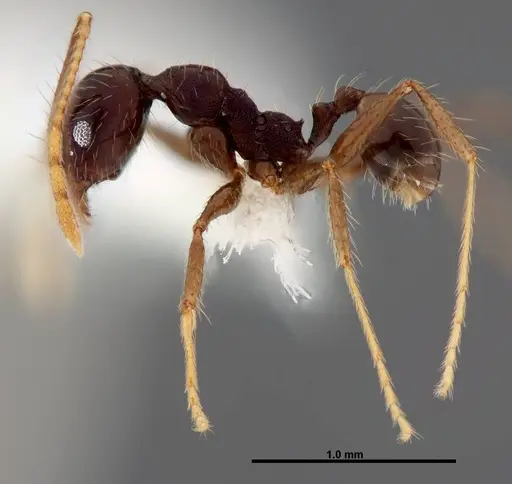
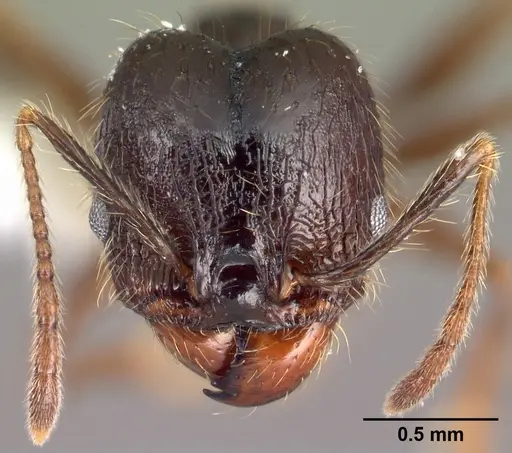
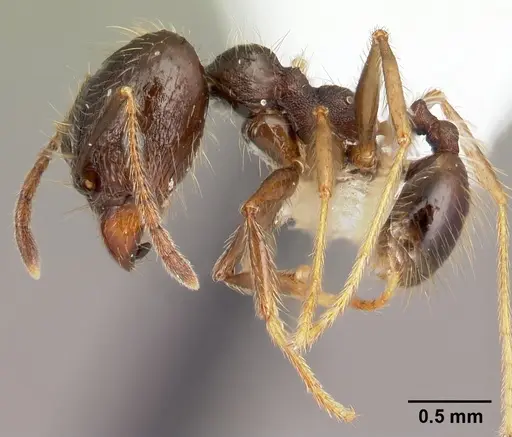
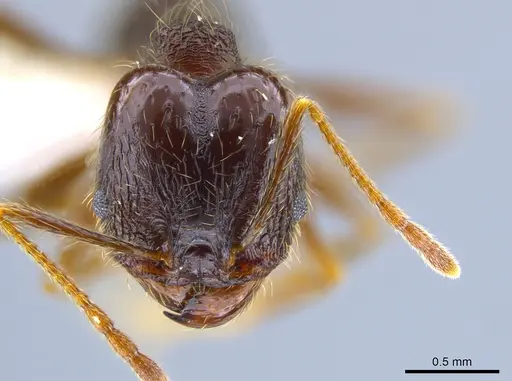
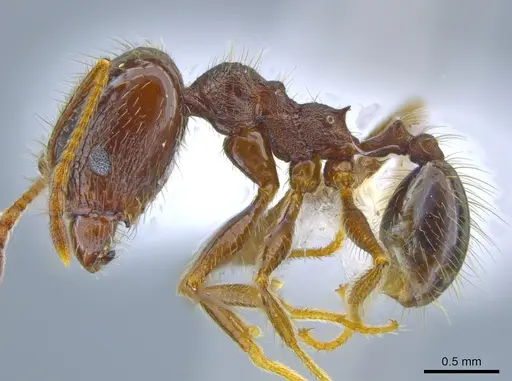
Pheidole purpurea is a dimorphic ant species native to the mesophyl forests of Chiapas, Mexico, ranging from sea level to nearly 1700m elevation [1][2]. The species gets its name from the striking metallic purple sheen on its dark red-brown to black body, though this sheen varies from very strong to completely absent depending on the population [2]. Minor workers measure 0.63-0.73mm while major workers (the big-headed soldiers) reach 1.09-1.25mm [2]. This species is a rapid recruiter to food sources, often sending major workers to help process larger prey items [1].
What makes P. purpurea particularly interesting is its geographic variation, populations in different parts of their range show differences in the purple sheen intensity and pronotal sculpture [2]. They nest beneath stones in moist forest habitats and are active foragers on the ground surface [1].
Quick Summary
- Difficulty: Medium
- Origin & Habitat: Mesophyl (moist) forest in Chiapas, Mexico, from sea level to nearly 1700m elevation [1][2]. Found in Guatemala and Honduras as well [3].
- Colony Type: Likely single-queen (monogyne) colonies based on typical Pheidole patterns, though colony structure has not been directly documented for this species.
- Colony: Monogyne
- Founding: Claustral
- Size & Growth:
- Queen: Not documented for this species, estimated 6-8mm based on related Pheidole species
- Worker: Minor workers: 0.63-0.73mm, Major workers: 1.09-1.25mm [2]
- Colony: Unknown for this species, related Pheidole species can reach several thousand workers
- Growth: Unknown, estimated moderate based on genus patterns
- Development: Estimated 6-8 weeks at optimal temperature based on typical Pheidole development (Development time is estimated, no specific data available for this species. Pheidole species typically produce nanitic (first) workers within 6-8 weeks under warm conditions.)
- Antkeeping:
- Temperature: Keep around 22-26°C, aim for low-to-mid 20s°C. This species comes from a warm tropical region, so moderate heat is beneficial. Use a heating cable on one side of the nest to create a gradient if room temperature is below 22°C.
- Humidity: Moderate to high humidity (60-80%). They inhabit mesophyl forest, so keep the nest substrate consistently moist but not waterlogged. Provide a water tube for drinking water.
- Diapause: Likely no true diapause, this is a tropical species from Chiapas. However, they may show reduced activity during cooler periods. No specific research on overwintering behavior.
- Nesting: In nature they nest beneath stones in moist forest soil [1]. For captivity, a naturalistic setup with soil or a Y-tong/plaster nest works well. Keep the nest material damp but not saturated.
- Behavior: This is an active, ground-foraging species that recruits rapidly to food sources [1]. They are not aggressive toward keepers but major workers can deliver a mild bite if handled. They are excellent escape artists due to their small size, use fine mesh and tight-fitting barriers. They readily accept protein foods and sugar sources.
- Common Issues: escape prevention is critical due to their small size, they can squeeze through tiny gaps, limited species-specific care information means some trial and error may be needed, humidity control is important, too dry and colonies may struggle, too wet can cause mold, wild-caught colonies may carry parasites that can devastate captive colonies, slow founding phase, queens may take months to produce first workers
Housing and Nest Setup
Pheidole purpurea does well in naturalistic setups that mimic their forest floor habitat. In the wild, they nest beneath stones in moist soil [1], so a soil-based formicarium or a Y-tong nest with damp substrate works well. The nest should have chambers sized appropriately for their colony size, they don't need huge spaces initially. Provide a water tube connected to the nest for humidity and drinking water. Because they are small ants, escape prevention is critical, use tight-fitting lids and fine mesh barriers on any outworld connections. A small outworld area for foraging is sufficient, they don't need elaborate setups.
Feeding and Diet
Pheidole purpurea is an omnivorous forager that readily recruits workers to food baits in the wild [1]. In captivity, offer a varied diet: protein sources like small insects (fruit flies, pinhead crickets, mealworms), and sugar sources like honey water or sugar water. They are dimorphic, major workers help process larger prey items, so you can offer slightly bigger protein chunks than you would for a monomorphic species of similar size. Feed protein 2-3 times per week and keep sugar water available constantly. Remove uneaten food after 24-48 hours to prevent mold.
Temperature and Humidity
As a tropical species from Chiapas, Mexico, P. purpurea prefers warm, moderately humid conditions. Keep the nest area at 22-26°C, this range supports normal colony activity and brood development. A heating cable on one side of the nest creates a useful temperature gradient. For humidity, aim for 60-80% relative humidity in the nest area. The substrate should feel damp to the touch but not be waterlogged. A water tube connected to the nest helps maintain humidity. Avoid placing the colony near air conditioning vents or drafty areas, they prefer stable conditions. [1][2]
Colony Development and Growth
Pheidole colonies start slowly, the queen seals herself in a chamber and raises the first brood alone. Expect 6-8 weeks from egg to first worker (nanitics) under optimal conditions, though this is estimated based on genus patterns rather than specific to this species. The first workers will be smaller (nanitics) and subsequent broods will produce normal-sized workers. As the colony grows, you'll see more major workers appear, these develop from the same larval stage as minors but receive more food during development. Major workers help with food processing and nest defense. A mature colony can contain several thousand workers.
Behavior and Foraging
This is an active, diurnal forager that searches for food on the ground surface. They use chemical trails to recruit nestmates, when you place food in the outworld, you'll quickly see a trail of workers forming. Major workers are often recruited for larger food items [1]. They are not particularly aggressive but major workers can bite if threatened. Watch their foraging behavior, active, enthusiastic feeding is a good sign of colony health. They are small ants, so observe them carefully during feeding to ensure all workers get access to food.
Frequently Asked Questions
How long does it take for Pheidole purpurea to produce first workers?
Expect 6-8 weeks from founding to first workers under optimal temperature conditions (22-26°C). This is an estimate based on typical Pheidole development patterns, as specific timing for this species has not been documented.
Can I keep multiple Pheidole purpurea queens together?
Not recommended. While colony structure is not directly documented for this species, Pheidole typically form single-queen colonies. Combining unrelated foundress queens often results in fighting and colony failure.
What do Pheidole purpurea ants eat?
They are omnivorous. Offer protein sources like small insects (fruit flies, pinhead crickets, mealworms) 2-3 times per week, and keep sugar water or honey water available constantly. They readily recruit to baits in the wild.
Are Pheidole purpurea good for beginners?
They are moderate difficulty. While generally hardy once established, there is limited species-specific care information available. Beginners should be prepared for a potentially slow founding phase and need to pay attention to escape prevention due to their small size.
What temperature do Pheidole purpurea need?
Keep them warm, around 22-26°C. This tropical species from Chiapas, Mexico prefers low-to-mid 20s°C. A heating cable on part of the nest can help maintain optimal temperature.
Do Pheidole purpurea need hibernation?
Likely no. As a tropical species from southern Mexico, they do not require a true diapause period. They may show reduced activity during cooler periods but should be kept warm year-round.
When should I move Pheidole purpurea to a formicarium?
Keep them in a founding setup (test tube or small container) until the colony reaches at least 50-100 workers. Moving too early can stress the queen and disrupt founding. Once the colony is established and growing, you can transfer to a larger naturalistic setup.
Why are my Pheidole purpurea escaping?
Their small size means they are excellent escape artists. Use fine mesh (at least 0.5mm or smaller), tight-fitting lids, and apply barrier gel or fluon around any openings. Check all connections regularly for gaps.
How big do Pheidole purpurea colonies get?
Colony size is not documented for this specific species, but related Pheidole species can reach several thousand workers. Expect moderate growth over several years.
References

This caresheet is licensed under CC BY-SA 4.0 .
CASENT0283153
View on AntWeb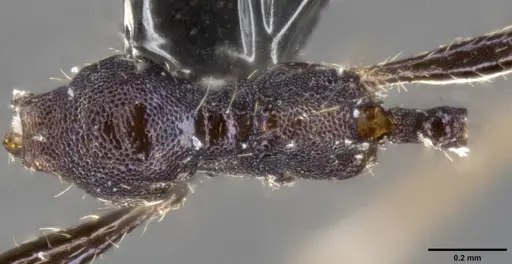
CASENT0609143
View on AntWeb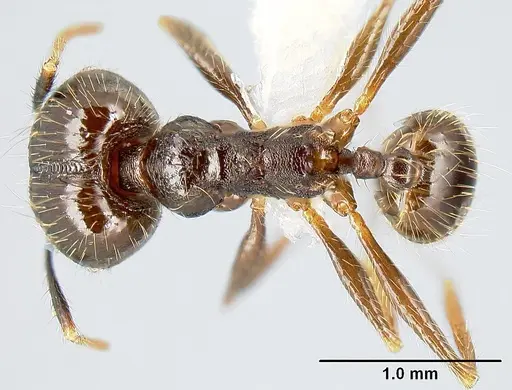
CASENT0609144
View on AntWeb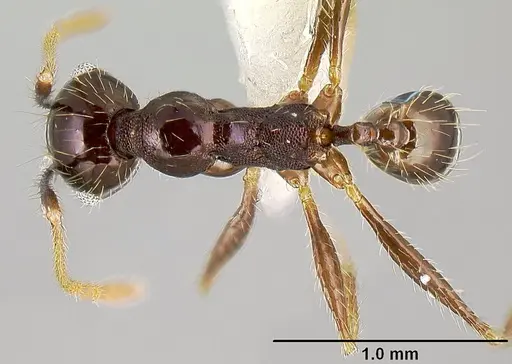
CASENT0609146
View on AntWeb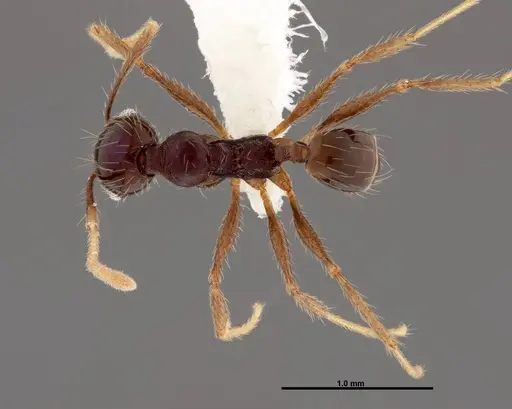
CASENT0609561
View on AntWeb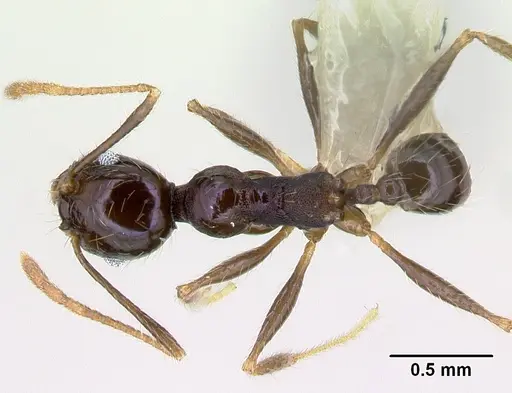
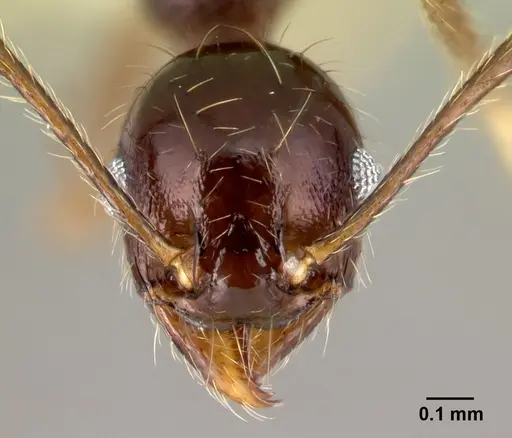
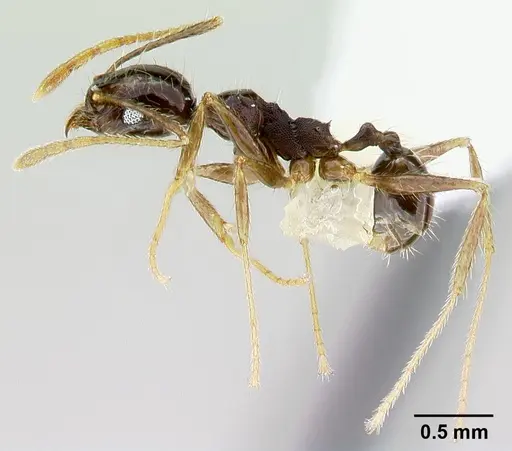
CASENT0609562
View on AntWeb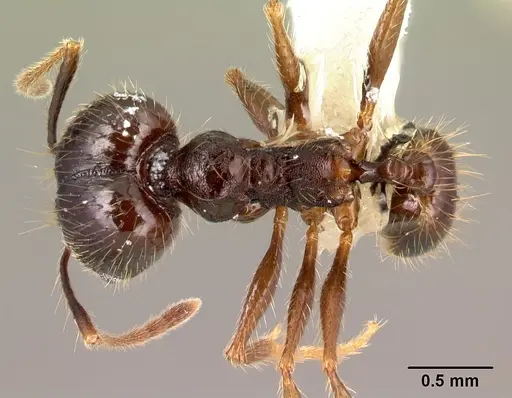
CASENT0610006
View on AntWeb
CASENT0610916
View on AntWeb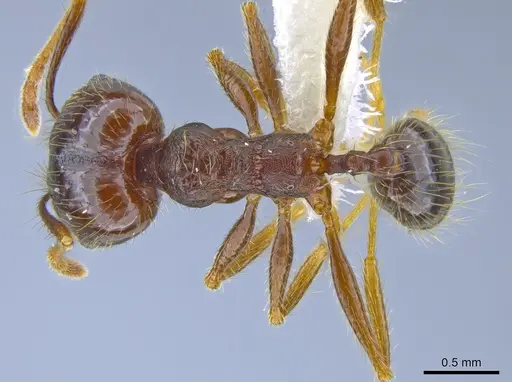
Literature
Loading...Loading products...