

Pheidole punctithorax
- Scientific Name
- Pheidole punctithorax
- Tribe
- Attini
- Subfamily
- Myrmicinae
- Author
- Borgmeier, 1929
- Distribution
- Found in 1 countries
Pheidole punctithorax Overview
Pheidole punctithorax is an ant species of the genus Pheidole. It is primarily documented in 1 countries , including Brazil. Detailed taxonomic data and occurrence records can be further explored via authoritative databases such as AntWeb or the Global Biodiversity Information Facility (GBIF).
Pheidole punctithorax
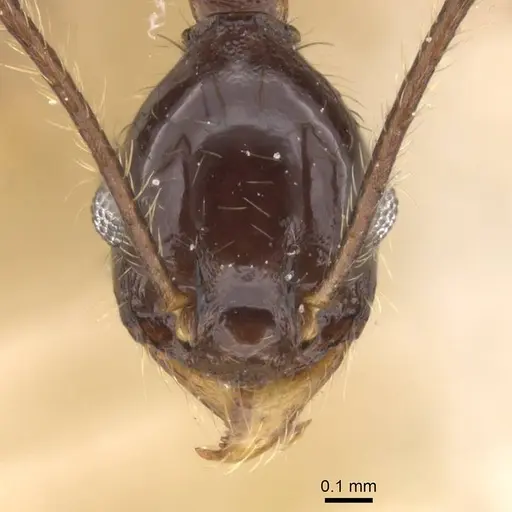
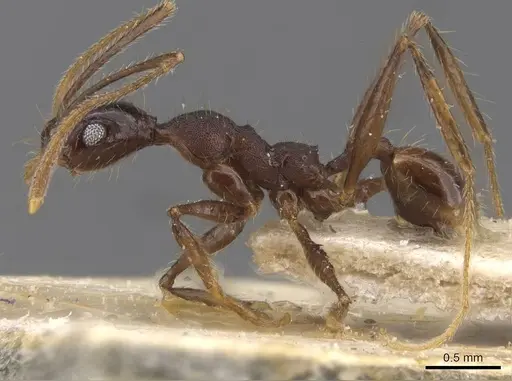
Pheidole punctithorax is a small Neotropical ant species native to Brazil, specifically known from the type locality of Petrópolis in Rio de Janeiro state. This species belongs to the 'jujuyensis complex' within the larger fallax group, characterized by a slender body form and exceptionally long antennae (scapes). Major workers have a distinctly enlarged head with a narrowed occiput and feature a loose, large-celled rugoreticulum near the eyes. Both major and minor workers are reddish brown in color. Major workers measure approximately 1.24mm in head width, while minor workers are smaller. This species remains poorly studied, and no biological information has been documented in the scientific literature.
Quick Summary
- Difficulty: Unknown
- Origin & Habitat: Petrópolis, Rio de Janeiro, Brazil, Neotropical region. The type specimens were collected from this single location, though ant surveys in urban Rio de Janeiro have recorded Pheidole species in the region [1]. Natural nesting habits are unconfirmed for this specific species.
- Colony Type: Unconfirmed, Pheidole species are typically monogyne (single queen colonies), though some species can form polygynous colonies. No data exists for P. punctithorax specifically.
- Size & Growth:
- Queen: Unknown, not described in original literature. Related Pheidole species typically have queens in the 6-10mm range.
- Worker: Major workers: HW 1.24mm, HL 1.32mm, EL 0.22mm, PW 0.64mm [2]. Minor workers are significantly smaller.
- Colony: Unknown, related Pheidole species often reach several hundred to a few thousand workers.
- Growth: Unknown, estimated as moderate based on genus patterns.
- Development: Unknown, estimated 6-10 weeks based on typical Pheidole development at warm temperatures. (No direct observations exist for this species. Estimates based on genus-level patterns for Neotropical Pheidole.)
- Antkeeping:
- Temperature: Estimated 22-28°C, start in the mid-70s°F (around 24°C) and observe colony activity. Neotropical species generally prefer warmer conditions.
- Humidity: Estimated 60-80%, provide a moist nest chamber with some drier areas for workers to regulate. Most Pheidole prefer moderate to high humidity.
- Diapause: Unknown, Neotropical ants from this region may not require strong diapause, but may slow down during cooler winter months.
- Nesting: Nesting preferences unconfirmed. Most Pheidole nest in soil, under stones, or in rotting wood. A naturalistic setup with soil or a Y-tong/plaster nest works well for related species.
- Behavior: Behavior unstudied. Pheidole species are generally non-aggressive, with major workers serving as defenders and foragers while minor workers handle brood care. Escape risk is moderate, these are small ants but not among the tiniest. Major workers can defend the colony with their enlarged heads.
- Common Issues: no biological data exists, all care recommendations are estimates based on related species, growth rate is unknown so patience is required when establishing colonies, humidity balance can be tricky, too wet causes mold, too dry causes desiccation, wild-caught colonies may harbor parasites that are difficult to treat, small colony size initially makes them vulnerable to stress
Species Identification and Taxonomy
Pheidole punctithorax was described by Borgmeier in 1929 from specimens collected in Petrópolis, Rio de Janeiro, Brazil. The species name means 'punctate chest' (Latin punctum = point, thorax = chest), referring to the foveolate (pitted) mesosoma of both worker castes. It belongs to the 'jujuyensis complex' of the fallax group, characterized by slender body form, exceptionally long scapes (antenna segments), and a proportionately small head in majors. Major workers feature a distinctive rugoreticulum (network of ridges) near the eyes, while both castes have foveolate and opaque mesosomas. The species is known only from the type locality, making it one of the least-studied Pheidole species. [1][2]
Nesting and Habitat
Nesting preferences for P. punctithorax have not been documented. The type locality in Petrópolis is in the mountainous region of Rio de Janeiro at moderate elevation, with Atlantic Forest characteristics. Most Pheidole species nest in soil, under stones, or in decaying wood. For captive care, provide a nest chamber with moist substrate (soil or plaster works well) with dimensions appropriate for a small colony. A test tube setup can work for founding colonies, transitioning to a formicarium as the colony grows. Ensure some dry area options within the nest for humidity regulation.
Feeding and Diet
Diet has not been documented for this species. Most Pheidole are omnivorous, accepting seeds, dead insects, and sugary liquids. Related species often show preference for protein-rich foods (insects) and may collect seeds. In captivity, offer a varied diet: small insects (fruit flies, small mealworms), occasional sugar water or honey, and observe acceptance. Pheidole majors can handle larger prey items than minor workers. Feed protein 2-3 times per week and provide constant access to sugar sources.
Temperature and Seasonal Care
No specific temperature data exists for P. punctithorax. As a Neotropical species from southeastern Brazil, it likely prefers warmer conditions in the 22-28°C range. Start around 24°C and adjust based on colony behavior, if workers cluster near heat sources, increase slightly, if they avoid heated areas, reduce temperature. Monitor for signs of stress (lethargy, clustering). Seasonal changes may be minimal given the tropical origin, but expect some slowing during cooler months. Avoid temperatures below 18°C or above 32°C.
Colony Structure and Development
Colony structure has not been documented for this species. Most Pheidole are monogyne (single queen) but some can form polygynous colonies. The genus is characterized by dimorphic workers, major workers (soldiers) have enlarged heads for defense and seed processing, while minor workers handle brood care and foraging. Development timeline is unknown but likely follows typical Pheidole patterns of 6-10 weeks from egg to worker at optimal temperature. Nanitics (first workers) are typically smaller than normal workers. Colonies probably reach several hundred workers over time, though maximum size is unconfirmed.
Frequently Asked Questions
How long does it take for Pheidole punctithorax to produce first workers?
The egg-to-worker timeline is unknown for this species. Based on typical Pheidole development, expect approximately 6-10 weeks at warm temperatures (around 24°C). Patience is essential as this species has not been studied in captivity.
What do Pheidole punctithorax ants eat?
Diet is unconfirmed for this species. Based on related Pheidole, offer small insects (fruit flies, small mealworms), and occasional sugar water or honey. Observe what they accept and adjust feeding accordingly.
Are Pheidole punctithorax ants good for beginners?
Difficulty level is unknown since this species has no captive history. Related Pheidole species are generally manageable for beginners. However, the complete lack of biological data makes this a species for advanced keepers who can experiment with care conditions.
What temperature should I keep Pheidole punctithorax at?
Temperature requirements are unconfirmed. Start around 24°C (mid-70s°F) and observe colony behavior. Neotropical species generally prefer warmth. Avoid temperatures below 18°C or above 32°C.
How big do Pheidole punctithorax colonies get?
Maximum colony size is unknown. Related Pheidole species typically reach several hundred to a few thousand workers. Growth will depend on successful founding and consistent care.
Can I keep multiple Pheidole punctithorax queens together?
Colony structure is unconfirmed for this species. Most Pheidole are single-queen (monogyne). Combining unrelated queens is not recommended since it has not been studied for this species.
Do Pheidole punctithorax need hibernation?
Diapause requirements are unknown. As a Neotropical species from southeastern Brazil, strong hibernation is unlikely. However, cooler winter temperatures may cause reduced activity. Maintain room temperature year-round.
What size nest should I use for Pheidole punctithorax?
Nesting preferences are unconfirmed. For related species, a small formicarium with moist chambers (soil or plaster) works well. Start with a test tube for founding colonies and transition to a larger nest as the colony grows.
Where is Pheidole punctithorax found in the wild?
This species is only known from the type locality: Petrópolis, Rio de Janeiro, Brazil. It has not been recorded elsewhere. The region has Atlantic Forest characteristics at moderate elevation.
References

This caresheet is licensed under CC BY-SA 4.0 .
CASENT0913405
View on AntWeb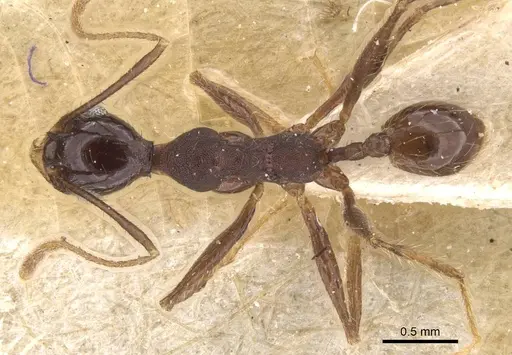
Literature
Loading...Loading products...