

Pheidole pugnax
- Scientific Name
- Pheidole pugnax
- Tribe
- Attini
- Subfamily
- Myrmicinae
- Author
- Dalla Torre, 1892
- Distribution
- Found in 7 countries
Pheidole pugnax Overview
Pheidole pugnax is an ant species of the genus Pheidole. It is primarily documented in 7 countries , including Colombia, Costa Rica, Guyana. Detailed taxonomic data and occurrence records can be further explored via authoritative databases such as AntWeb or the Global Biodiversity Information Facility (GBIF).
Pheidole pugnax
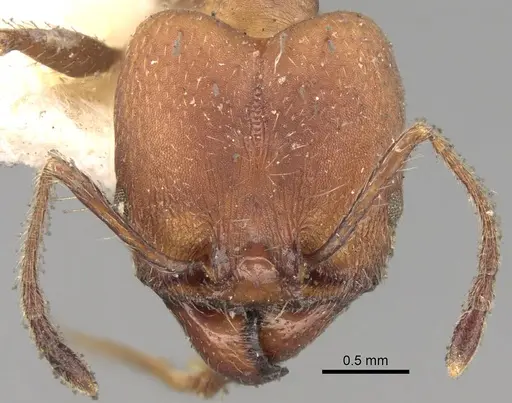
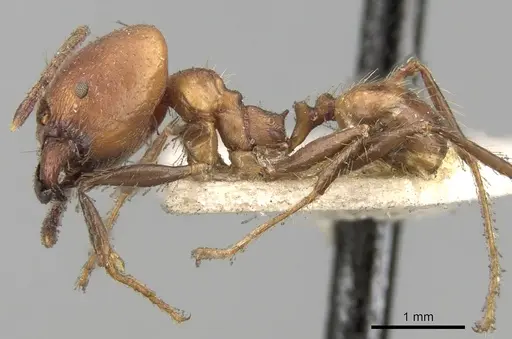
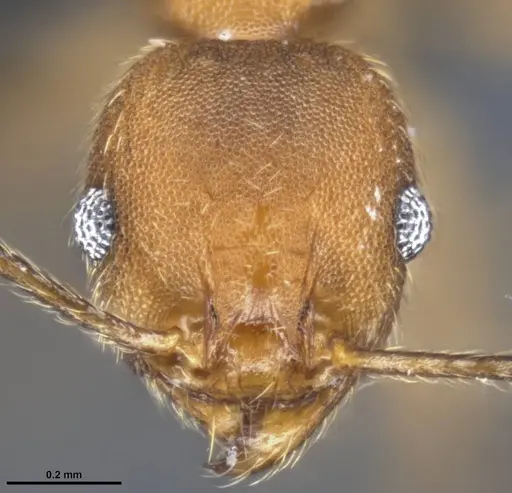
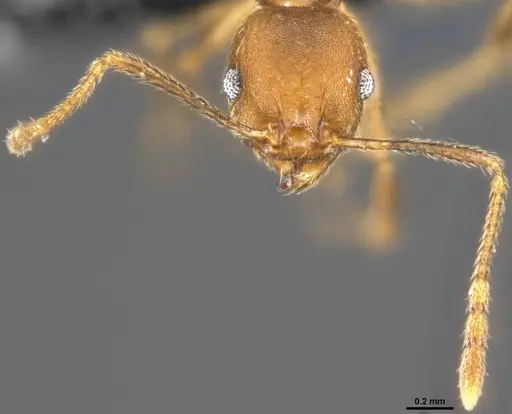
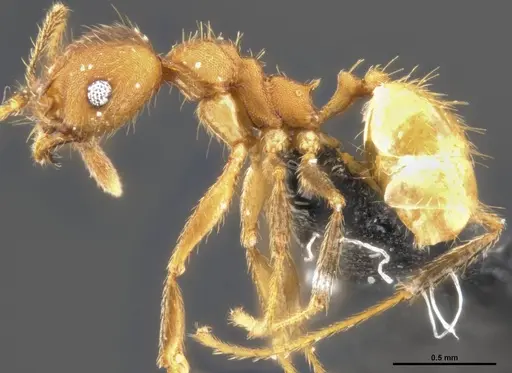
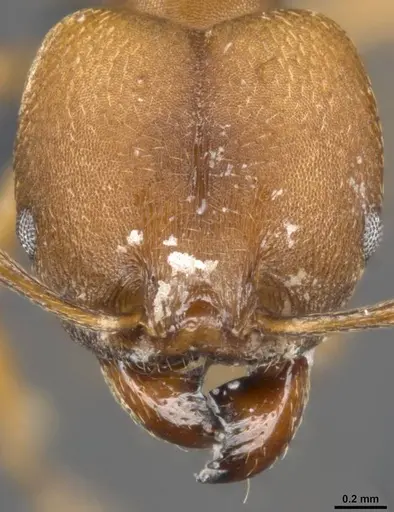
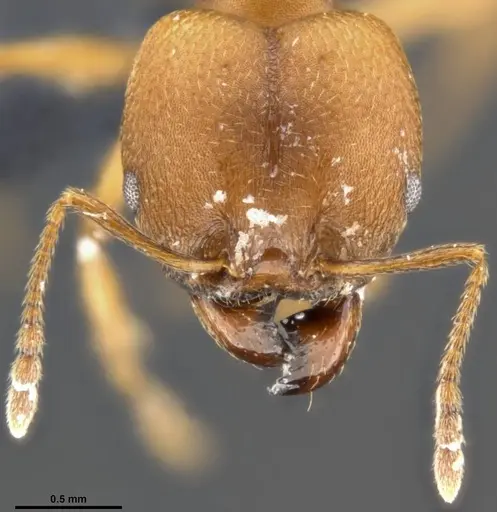
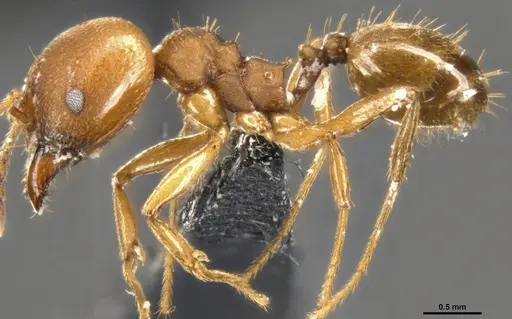
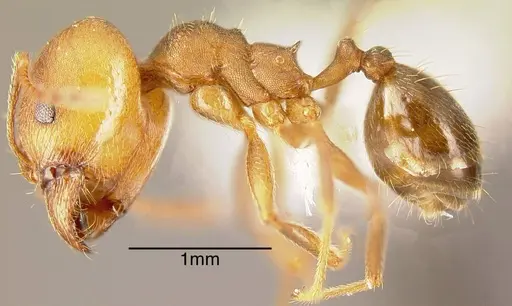
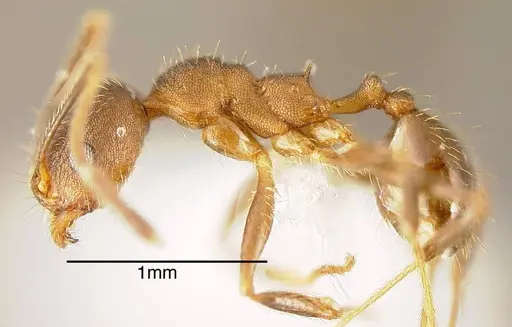
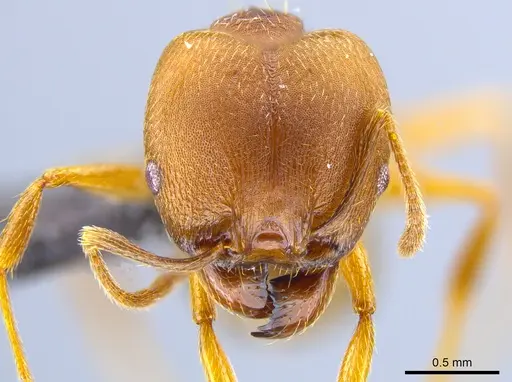
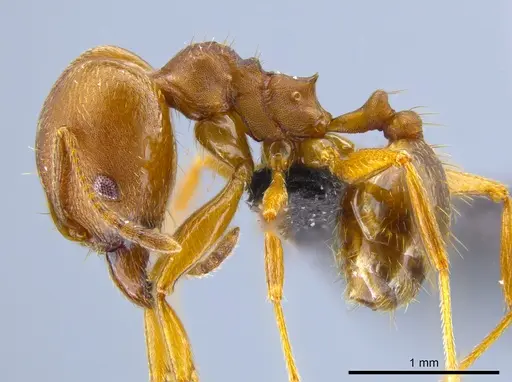
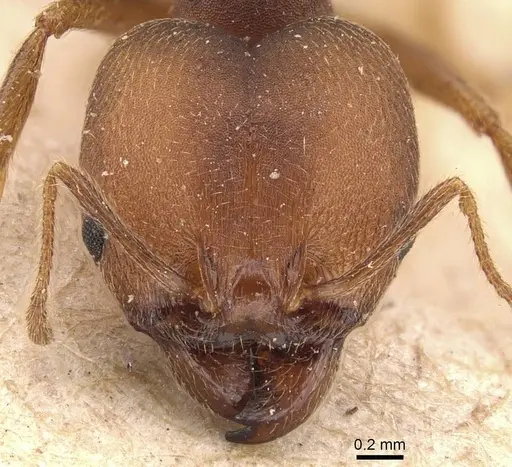
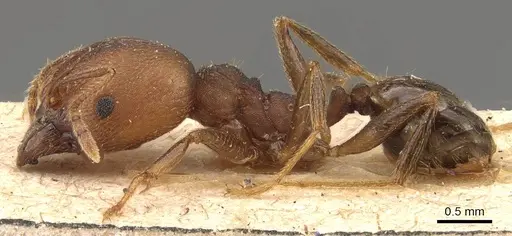
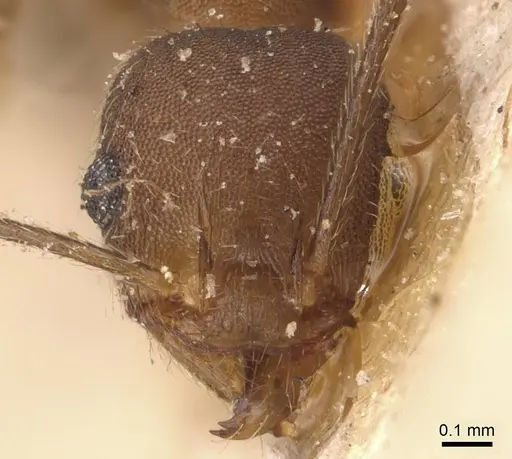
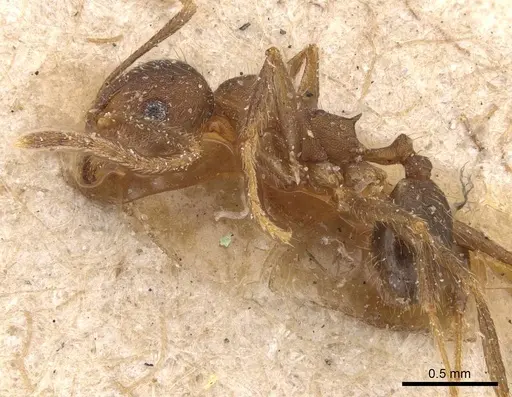
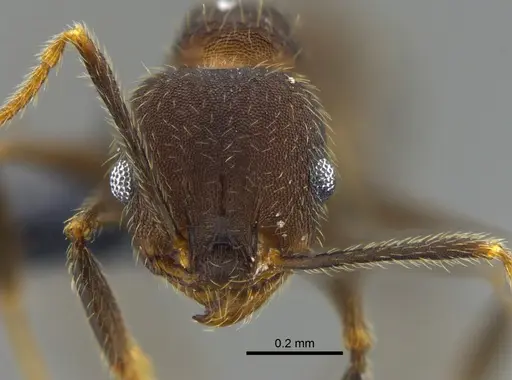
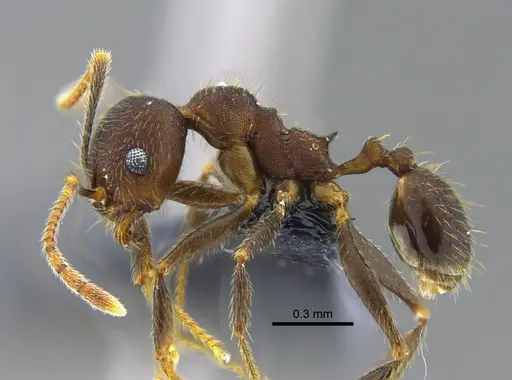
Pheidole pugnax is a small but distinctive ant species native to the Neotropics, ranging from El Salvador through Costa Rica and Panama to Colombia and French Guiana. The name 'pugnax' means 'combative' in Latin, referring to their aggressive defensive behavior. These ants are easily recognized by the dramatic size difference between their two worker castes: minor workers are tiny at around 0.54mm head width, while major workers (soldiers) have large, squared heads measuring about 1.42mm. Their coloration ranges from dark yellow to reddish brown. This species is one of the most common ants in the Pacific lowlands of Costa Rica, thriving in disturbed habitats, second-growth forest, and open areas. Colonies nest in soil and workers forage actively across the ground and up into low vegetation.
Quick Summary
- Difficulty: Easy
- Origin & Habitat: Neotropical region, El Salvador, Honduras, Nicaragua, Costa Rica, Panama, Colombia, and French Guiana. Found in tropical dry forests, second-growth forest, and disturbed areas. Nests in soil, sometimes under loose bark of understory trees [1][2].
- Colony Type: Single-queen colonies (monogyne). Colonies can contain over 300 individuals with distinct minor and major worker castes [1].
- Colony: Monogyne
- Founding: Claustral
- Size & Growth:
- Queen: Approximately 6-8mm (estimated based on genus Pheidole patterns)
- Worker: Minor workers: 0.54mm head width, Major workers (soldiers): 1.42mm head width [1][2]
- Colony: Colonies can exceed 300 workers, with both minor and major castes present [1]
- Growth: Moderate
- Development: 6-8 weeks (estimated based on typical Pheidole development at tropical temperatures) (Development times are inferred from related Pheidole species, direct measurements for P. pugnax are not available)
- Antkeeping:
- Temperature: Keep at 24-28°C. As a tropical species, they need warm conditions similar to their native lowland habitat in Costa Rica. A heating cable on one side of the nest creates a suitable gradient [3].
- Humidity: Moderate to high humidity (60-80%). Keep the nest substrate moist but not waterlogged. These ants are common in tropical forest environments and prefer conditions that mimic the damp forest floor [3].
- Diapause: No, this is a tropical species that does not require hibernation. Maintain warm temperatures year-round [2].
- Nesting: Soil-nesting species. In captivity, a naturalistic setup with moist soil or a Y-tong/plaster nest works well. They do well with a layer of substrate they can tunnel through. Provide some cover and darkness since they naturally nest underground [1].
- Behavior: These ants are active foragers with a distinct division of labor. Minor workers handle most foraging tasks and patrol the area, while major workers (soldiers) are more defensive and rarely leave the nest. They are not aggressive toward humans but will defend their colony vigorously. Minor workers can squeeze through small gaps, so escape prevention should be moderate. They are known to tend aphids for honeydew in their natural habitat [4].
- Common Issues: tropical species needs consistent warmth, cold temperatures will slow or stop brood development, soldier castes rarely forage, if you only see majors outside the nest, the colony may be stressed, small colony size means they can be easily overwhelmed by larger colony intruders, moisture needs are moderate, too wet causes mold, too dry causes desiccation
Housing and Nest Setup
Pheidole pugnax is a soil-nesting species that does well in naturalistic setups with moist substrate. A Y-tong (acrylic) nest with a dirt chamber or a plaster nest with moisture retention works well. The nest should have chambers sized appropriately for their colony size, they don't need huge spaces initially. Provide a water test tube connected to the outworld for humidity. Since they naturally nest underground, include a layer of soil or fine substrate they can work with. The outworld can be simple, these ants are active foragers and will explore. Use a barrier like fluon on the edges of the outworld to prevent escapes, especially given the small size of minor workers. [1][2]
Feeding and Diet
In the wild, these ants are omnivorous foragers that collect honeydew from aphids and hunt small prey. They attended Hysteroneura setariae aphids in Costa Rica [4]. In captivity, offer a varied diet: protein sources like small insects (fruit flies, pinhead crickets, mealworms), and sugar sources like honey water or sugar water. They will likely accept both protein and sugar foods. Feed protein 2-3 times per week and keep sugar water available constantly. Remove uneaten prey after 24 hours to prevent mold.
Temperature and Seasonal Care
As a tropical species from Costa Rica's Pacific lowlands, Pheidole pugnax needs warm temperatures year-round. Keep the nest area at 24-28°C. A heating cable placed on top of the nest (never underneath to avoid drying) can maintain these temperatures. They do not require hibernation or cooling periods. Room temperature in most homes may be too cold, check with a thermometer. If your room stays below 24°C, use supplemental heating. Cold temperatures will slow brood development and can weaken the colony. [3][2]
Colony Structure and Caste System
One of the fascinating aspects of Pheidole pugnax is their distinct worker caste system. Minor workers are tiny at about 0.54mm head width and handle most foraging and general tasks. Major workers (soldiers) have dramatically enlarged heads at about 1.42mm and serve primarily for defense and seed processing. In the wild, soldiers are shy and rarely leave the nest, they stay inside to protect the colony [1]. If you see soldiers out and about frequently, it may indicate disturbance or stress. The colony will grow from a founding queen to include both worker types as the colony expands.
Behavior and Foraging
These ants are active foragers that search for food both on the ground and in low vegetation [2]. They use a division of labor where minor workers do most of the foraging while majors stay closer to the nest. They are not particularly aggressive toward keepers but will defend their nest if threatened. Minor workers are small enough to escape through tiny gaps, so check your setup for any cracks or gaps larger than 1mm. They are not known for climbing smooth surfaces, but their small size means they can fit through surprisingly small openings.
Frequently Asked Questions
How long does it take for Pheidole pugnax to produce first workers?
Expect first workers (nanitics) in about 6-8 weeks at optimal tropical temperatures (24-28°C). This is an estimate based on related Pheidole species, as specific development timing for P. pugnax has not been documented. The queen will seal herself in a claustral chamber and raise the first brood alone using stored fat reserves.
What do Pheidole pugnax ants eat?
They are omnivorous. Offer protein sources like small insects (fruit flies, mealworms, small crickets) 2-3 times per week, and keep sugar water or honey water available constantly. In the wild, they tend aphids for honeydew, so they will likely accept sweet liquids.
What temperature do Pheidole pugnax need?
Keep them warm at 24-28°C. This tropical species from Costa Rica needs year-round warmth. Use a heating cable or mat if your room temperature falls below this range. Cold temperatures will slow or stop brood development.
Can I keep multiple Pheidole pugnax queens together?
No. This species is monogyne, meaning colonies have a single queen. Combining unrelated queens is not recommended and would likely result in fighting. Only keep one queen per colony.
How big do Pheidole pugnax colonies get?
Colonies can exceed 300 workers in the wild, with both minor and major (soldier) castes present [1]. In captivity, expect moderate growth over time. The presence of the distinct soldier caste is a sign of a healthy, established colony.
Do Pheidole pugnax need hibernation?
No. This is a tropical species from Central America that does not require hibernation or cooling periods. Maintain warm temperatures year-round. Cold temperatures can harm the colony.
What type of nest is best for Pheidole pugnax?
A naturalistic setup with moist soil or a Y-tong/plaster nest with a dirt chamber works well. They are soil-nesting ants that naturally excavate tunnels. Provide moisture to the nest substrate and ensure humidity is maintained.
Why are my soldier ants not leaving the nest?
This is normal behavior. In Pheidole pugnax, soldiers (majors) are shy and rarely leave the nest, they stay inside for defense [1]. Only minor workers do most of the foraging. If you see soldiers out frequently, it may indicate the colony is disturbed or stressed.
Are Pheidole pugnax good for beginners?
Yes, they are considered an easy species to keep. They are adaptable, tolerate a range of conditions, and are not aggressive. Their main requirements are warm temperatures and moderate humidity. The main challenges are maintaining tropical temperatures and preventing escapes due to their small size.
References

This caresheet is licensed under CC BY-SA 4.0 .
CASENT0281747
View on AntWeb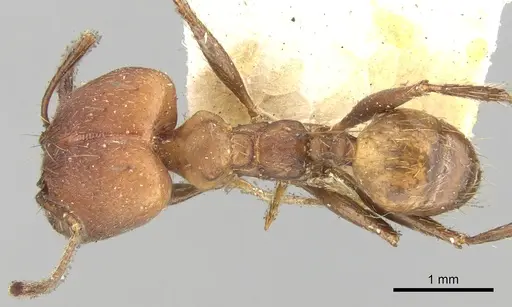
CASENT0282926
View on AntWeb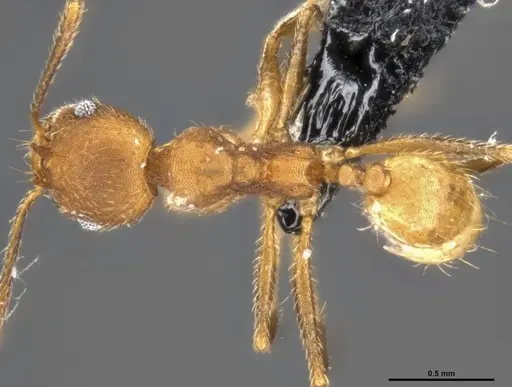
CASENT0283998
View on AntWeb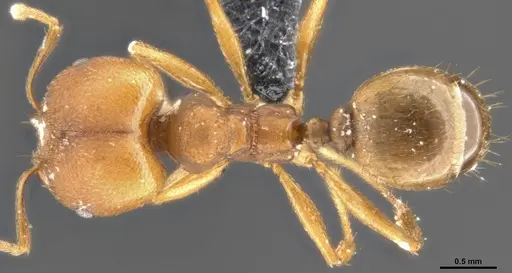
CASENT0635512
View on AntWeb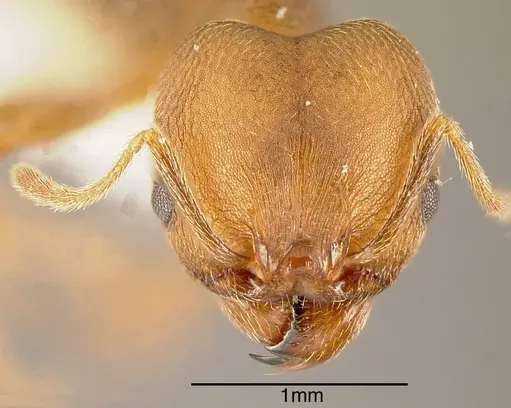
CASENT0635513
View on AntWeb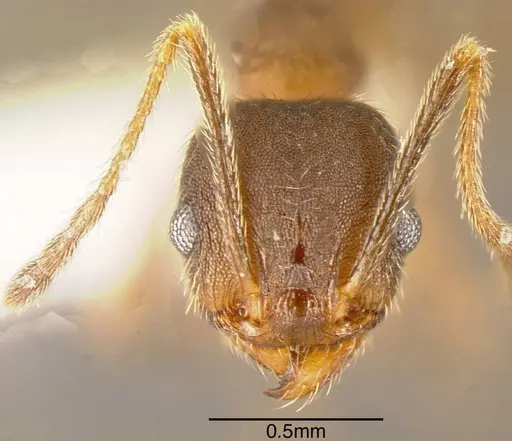
CASENT0635831
View on AntWeb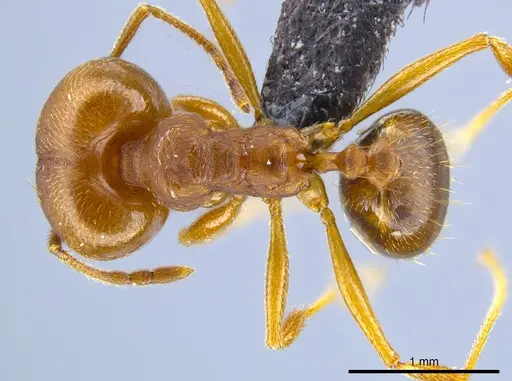
CASENT0908115
View on AntWeb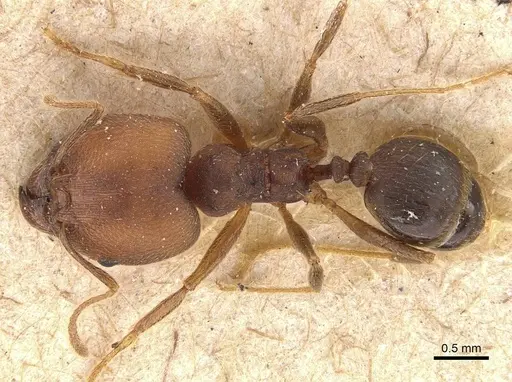
CASENT0908116
View on AntWeb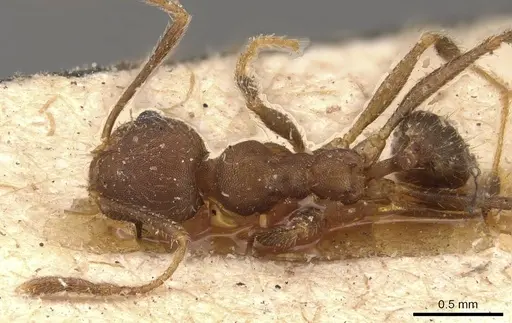
CBUMAGENT42025
View on AntWeb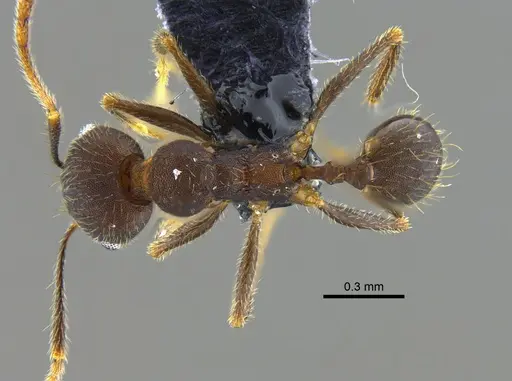
Literature
Loading...Loading products...