

Pheidole psilogaster
- Scientific Name
- Pheidole psilogaster
- Tribe
- Attini
- Subfamily
- Myrmicinae
- Author
- Wilson, 2003
- Distribution
- Found in 4 countries
Pheidole psilogaster Overview
Pheidole psilogaster is an ant species of the genus Pheidole. It is primarily documented in 4 countries , including Costa Rica, Honduras, Mexico. Detailed taxonomic data and occurrence records can be further explored via authoritative databases such as AntWeb or the Global Biodiversity Information Facility (GBIF).
Pheidole psilogaster
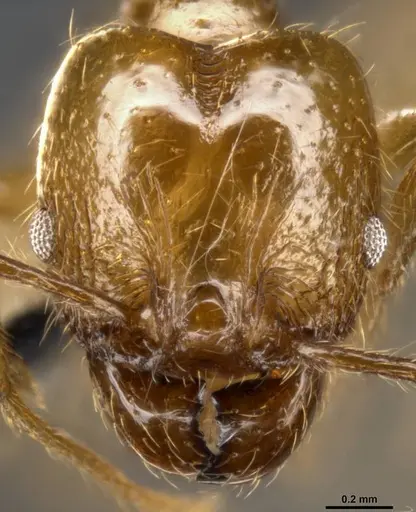
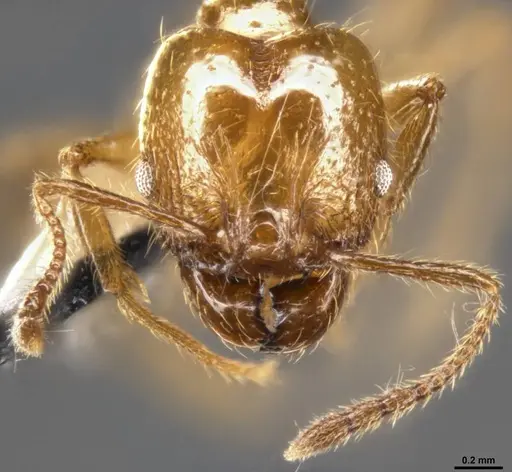
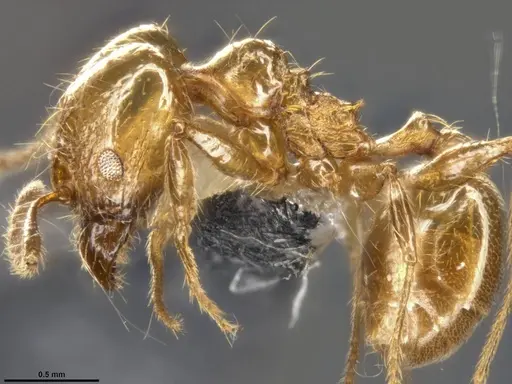
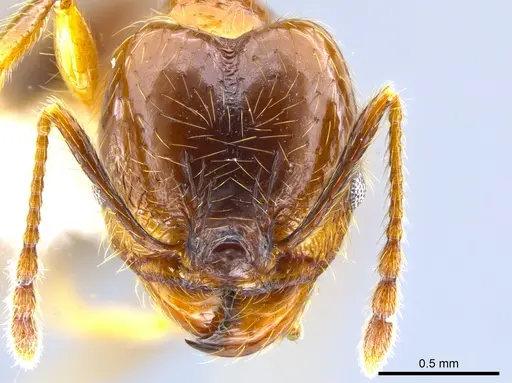
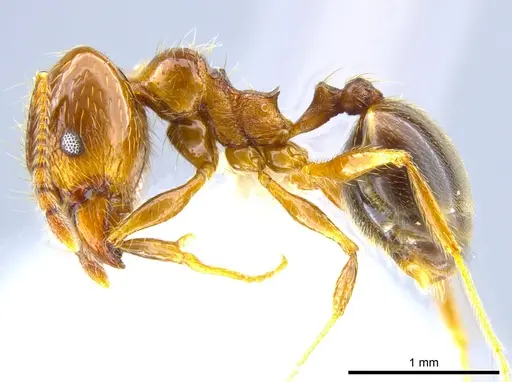
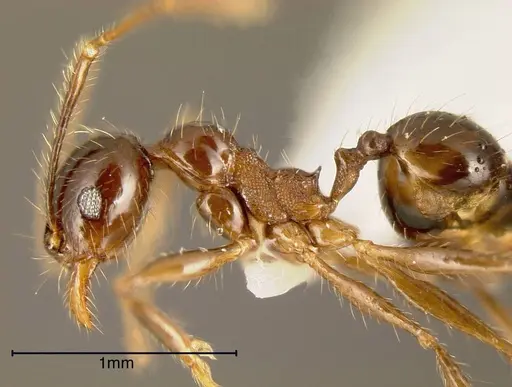
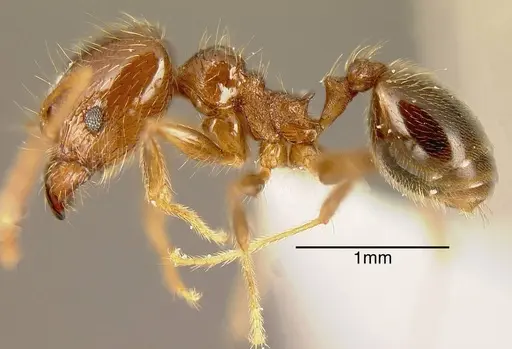
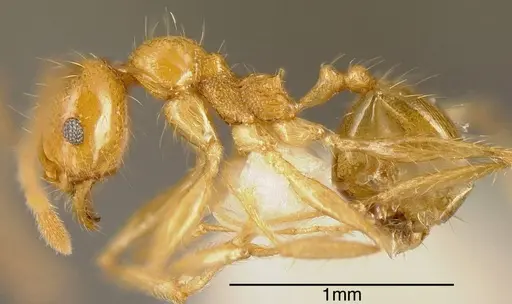
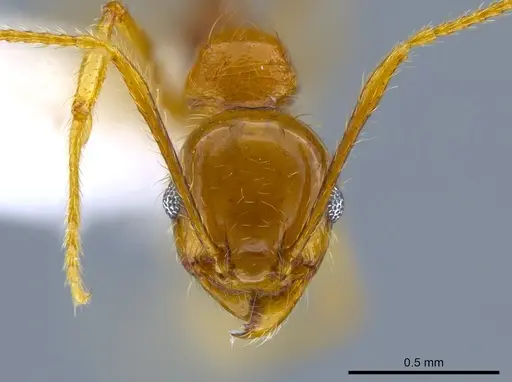
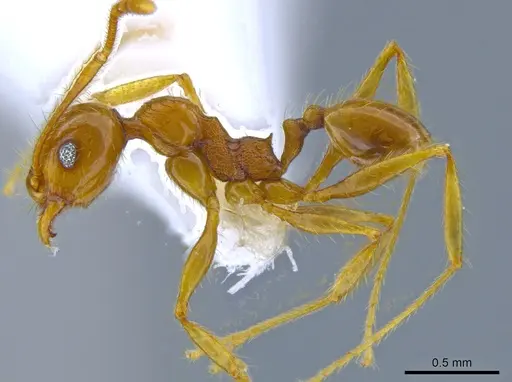
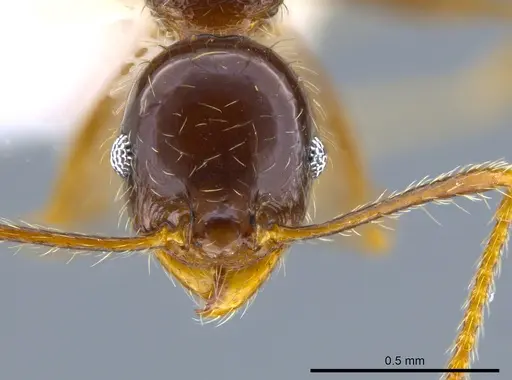
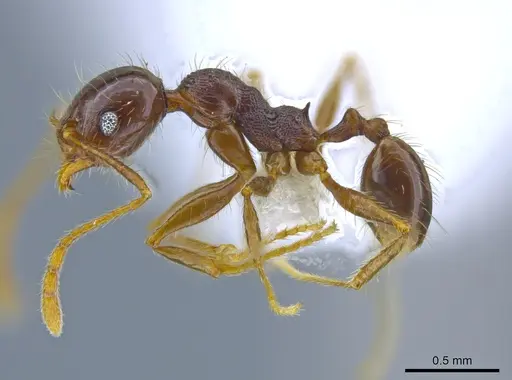
Pheidole psilogaster is a dimorphic ant species native to Central America, ranging from southern Mexico to Costa Rica. The genus Pheidole is known for its distinctive major workers (soldiers) that are significantly larger than the minor workers. Major workers measure approximately 1mm in head length, while minor workers are smaller at around 0.7mm [1][2]. The species gets its name 'psilogaster' meaning 'bare stomach', a reference to the unique velvet-like covering of short hairs on the gaster (abdomen) of major workers, which contrasts with the longer upright hairs found on the rest of their body [1].
This species inhabits wet forest habitats from sea level up to 1400m elevation, where they nest in standing dead wood [1][2]. Workers are commonly found foraging on the forest floor at baits, where major workers often recruit alongside minor workers. The species is part of the fallax group and can be distinguished from related species by the smooth and shiny pronotum of minor workers [1].
Quick Summary
- Difficulty: Medium
- Origin & Habitat: Wet forests of Central America from southern Mexico to Costa Rica, including Guatemala, Honduras, and Nicaragua, at elevations from sea level to 1400m [1][2][3].
- Colony Type: Colony structure is unconfirmed. Pheidole species are typically single-queen colonies, though some can have multiple queens.
- Colony: Monogyne
- Founding: Claustral
- Size & Growth:
- Queen: Unknown for this specific species, Pheidole queens are typically 5-8mm
- Worker: Major workers: HW 0.94mm, HL 1.00mm. Minor workers: HW 0.58mm, HL 0.70mm [1].
- Colony: Unknown, typical Pheidole colonies can reach several thousand workers
- Growth: Moderate, based on typical Pheidole development patterns
- Development: Estimated 6-8 weeks based on typical Pheidole genus development at warm temperatures (Development time is inferred from related Pheidole species, specific data for P. psilogaster is not available)
- Antkeeping:
- Temperature: Keep at 22-26°C. This species comes from warm, humid wet forests in Central America, so they prefer stable warmth. A heating cable on one side of the nest can create a gentle gradient if room temperature is below this range.
- Humidity: High humidity is essential, these are wet forest ants. Keep the nest substrate consistently moist but not waterlogged. The substrate should feel damp to the touch with some condensation visible. Mist occasionally but avoid standing water.
- Diapause: Unknown, being a tropical species from low elevations, they likely do not require a true hibernation period. However, a slight reduction in temperature during winter months may be beneficial.
- Nesting: In the wild, they nest in standing dead wood. In captivity, they do well in Y-tong (AAC) nests, plaster nests, or naturalistic setups with rotting wood pieces. They prefer tight chambers scaled to their size. Avoid dry conditions, these ants are adapted to the humid rainforest floor.
- Behavior: Pheidole psilogaster is a dimorphic species with major and minor workers. Major workers are specialized for defense and seed processing, while minors handle most foraging and brood care. Workers are active on the forest floor and readily recruit to food sources. They are not aggressive toward keepers and rarely sting. Their small size (under 2mm for majors) means escape prevention is important, they can slip through small gaps. Major workers are not equipped with powerful stings and are more of a visual deterrent.
- Common Issues: high humidity requirements mean mold can be a problem if ventilation is poor, balance airflow carefully, small size makes escape prevention critical, use fine mesh barriers and tight-fitting lids, wild-caught colonies may have parasites or diseases that can cause colony collapse in captivity, colonies may grow slowly initially, patience is required during the founding phase, major workers are specialized and less numerous than minors, don't be alarmed if you see fewer majors
Housing and Nest Setup
Pheidole psilogaster does well in several nest types. Y-tong (AAC) nests work excellently because they provide the dark, humid environment these wet forest ants need. Plaster nests are another good option, they hold moisture well and help maintain the high humidity this species requires. If using a naturalistic setup, include pieces of rotting wood or cork bark for them to nest in.
The key is maintaining high humidity without creating stagnant conditions. Use a water reservoir or mist regularly, but ensure some ventilation to prevent mold. The nest chambers should be appropriately sized, Pheidole psilogaster is a small ant, so tight-fitting chambers help them feel secure. An outworld (foraging area) should be connected to the nest with tubing long enough to create a humidity gradient, the nest stays humid while the outworld can be drier. [1]
Feeding and Diet
In the wild, Pheidole psilogaster workers are commonly observed at baits on the forest floor, suggesting they are opportunistic foragers that exploit various food sources [1][2]. As a Pheidole species, they likely consume seeds, dead insects, and honeydew.
In captivity, offer a varied diet. Protein sources like small crickets, mealworms, fruit flies, or other small insects should be provided regularly, twice weekly is a good starting point. Sugar sources like honey water or sugar water are readily accepted. You can also offer small seeds, particularly those with elaiosomes (fat bodies) that Pheidole majors are specialized to process. Remove uneaten prey after 24-48 hours to prevent mold.
Major workers are adapted for processing larger food items and seeds, so don't be surprised if you see majors tackling prey that minors cannot handle alone.
Temperature and Seasonal Care
Being a wet forest species from Central America, Pheidole psilogaster prefers warm, stable temperatures in the range of 22-26°C. They occur from sea level to 1400m elevation, but the majority of records come from lower elevations and wet forest habitats, suggesting they do best in warmer conditions [1][2].
Room temperature is often sufficient if your home is kept in the low-to-mid 20s°C. If your space is cooler, use a heating cable placed on top of the nest (never under it, as direct heat can create drying issues) to create a gentle warm zone. Monitor colony behavior, if workers cluster near the warm side, increase heat slightly, if they avoid it, reduce or remove heating.
Unlike temperate species, these ants likely do not require a true hibernation period. However, a slight reduction in temperature during winter (dropping a few degrees) may simulate natural seasonal patterns and could benefit colony health long-term.
Understanding Major and Minor Workers
Pheidole psilogaster is a dimorphic species, meaning there are two distinct worker castes: minor workers and major workers (also called soldiers). Minor workers are smaller at about 0.7mm head length and handle most day-to-day tasks including foraging, brood care, and nest maintenance. Major workers are larger at about 1mm head length and are specialized for defense and processing larger food items like seeds [1].
The most distinctive feature of this species is the gaster of major workers, which is covered with a plush layer of short, subdecumbent hairs, this is what gives the species its name 'psilogaster' meaning 'bare stomach' [1]. This velvet-like pilosity contrasts with the longer upright hairs found on the rest of the body.
In your colony, you'll typically see many more minor workers than majors. This is normal, Pheidole colonies usually have a ratio of roughly 1 major to 10-20 minors. Major workers develop from the same larvae as minors but receive more food during development, a process called polymorphic caste determination.
Colony Founding and Growth
Pheidole psilogaster queens are inferred to be claustral, meaning the queen seals herself in a chamber after mating and raises her first brood alone without leaving to forage. She survives on stored fat reserves until her first workers emerge. This is typical behavior for the genus Pheidole.
After the claustral founding period (estimated 4-6 weeks based on genus patterns), the first workers called nanitics will emerge. These are typically smaller than normal workers but will begin foraging to feed the growing colony. Growth is moderate, you can expect the colony to reach 50-100 workers within the first year with good care.
Colony growth accelerates once the first batch of normal-sized workers develops. A healthy colony can eventually reach several thousand workers, though exact maximum size for this species is unknown. The presence of major workers typically increases as the colony grows.
Frequently Asked Questions
How long does it take for Pheidole psilogaster to have first workers?
Based on typical Pheidole development patterns, expect first workers (nanitics) to emerge approximately 6-8 weeks after the queen lays her first eggs. This timeline assumes optimal warm temperatures around 24-26°C. The exact timing for P. psilogaster has not been specifically documented.
What do Pheidole psilogaster ants eat?
They are opportunistic foragers that accept a variety of foods. Offer protein sources like small insects (fruit flies, small crickets, mealworms) twice weekly, and provide constant access to sugar sources like honey water or sugar water. They likely also consume seeds in the wild, so you can offer small seeds as enrichment.
What temperature do Pheidole psilogaster ants need?
Keep them warm at 22-26°C. This is a wet forest species from Central America, so they prefer stable warmth. Room temperature in most homes is often suitable, or use a heating cable on one side of the nest to create a warm zone.
Are Pheidole psilogaster good for beginners?
This species is rated as medium difficulty. They require high humidity and warm temperatures, which can be challenging to maintain consistently. Their small size also requires good escape prevention. However, they are not aggressive and don't have painful stings. If you can provide the humid, warm conditions they need, they make interesting pets due to their dimorphic castes.
How big do Pheidole psilogaster colonies get?
The exact maximum colony size is unknown for this species, but typical Pheidole colonies reach several thousand workers. Expect moderate growth, a healthy colony may reach 100-200 workers in the first year and continue growing.
Do Pheidole psilogaster need hibernation?
As a tropical species from low-elevation wet forests in Central America, they likely do not require a true hibernation period. A slight temperature reduction during winter months may be beneficial but is not strictly necessary.
What size nest do Pheidole psilogaster need?
Use a nest with small, tight-fitting chambers scaled to their tiny size. Y-tong (AAC) nests or plaster nests work well. The key requirements are darkness, high humidity retention, and appropriately sized passages. Avoid tall, open spaces.
Can I keep multiple Pheidole psilogaster queens together?
Pheidole species are typically single-queen (monogyne) colonies. While some Pheidole can be polygynous, there is no specific data for P. psilogaster. It is not recommended to combine unrelated foundress queens, as they will likely fight.
Why are my Pheidole psilogaster dying?
Common causes include: low humidity (they need damp conditions), temperatures that are too cold, mold from poor ventilation, or parasites from wild-caught colonies. Ensure humidity is high but not stagnant, temperatures are in the 22-26°C range, and use only clean equipment. Wild-caught colonies often carry parasites that can devastate captive colonies.
References

This caresheet is licensed under CC BY-SA 4.0 .
CASENT0283238
View on AntWeb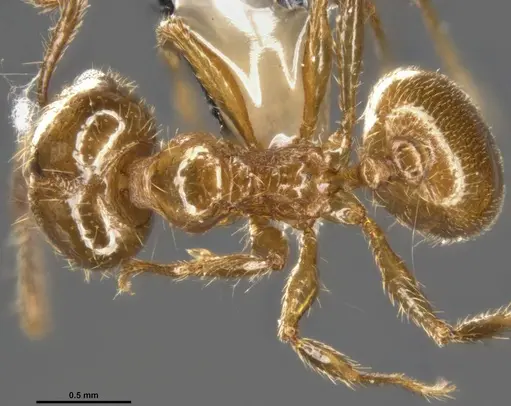
CASENT0628081
View on AntWeb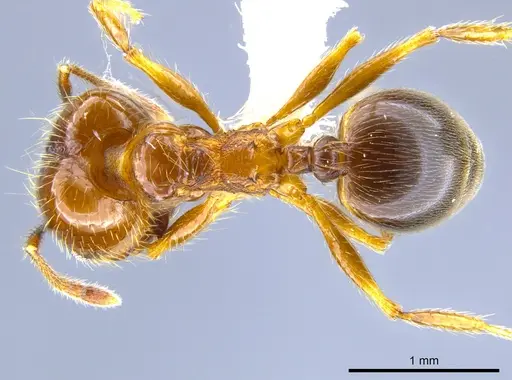
CASENT0635508
View on AntWeb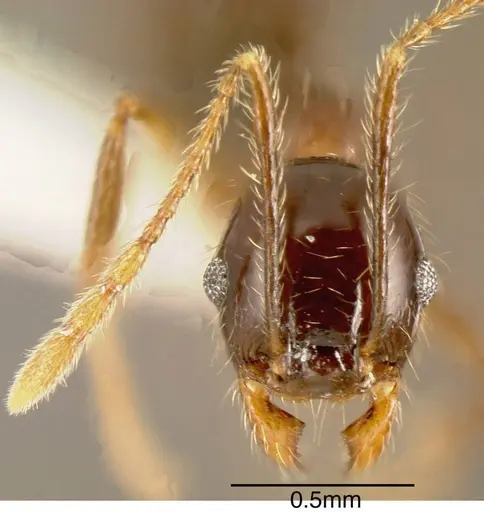
INBIOCRI001243032
View on AntWeb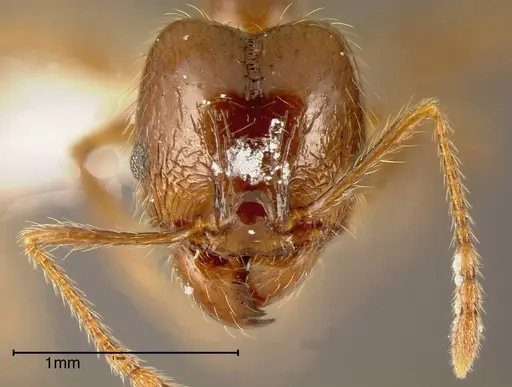
INBIOCRI002272046
View on AntWeb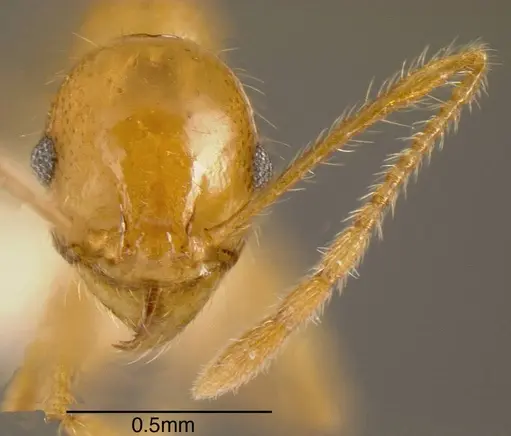
JTLC000014013
View on AntWeb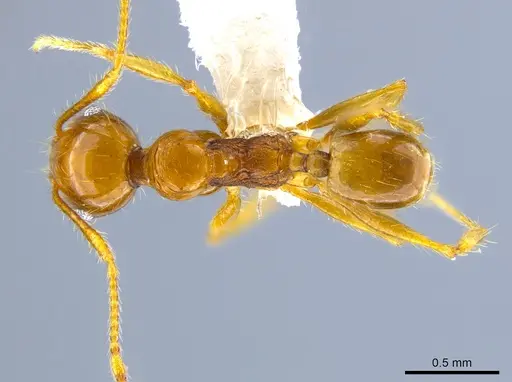
JTLC000014037
View on AntWeb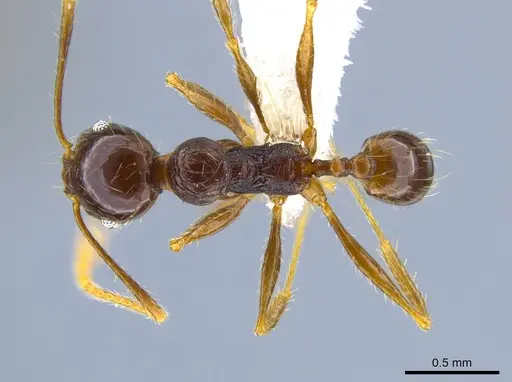
Literature
Loading...Loading products...