

Pheidole proxima
- Scientific Name
- Pheidole proxima
- Tribe
- Attini
- Subfamily
- Myrmicinae
- Author
- Mayr, 1876
- Distribution
- Found in 2 countries
Pheidole proxima Overview
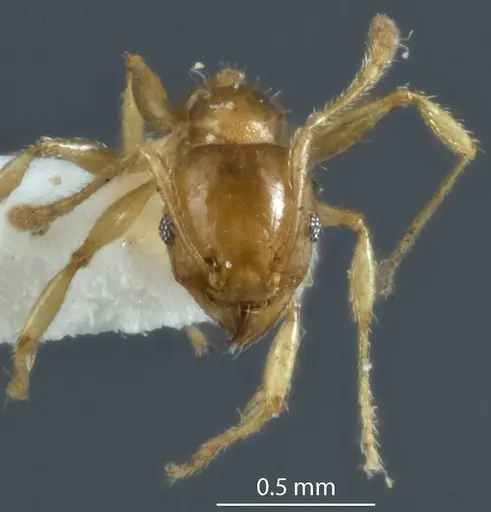
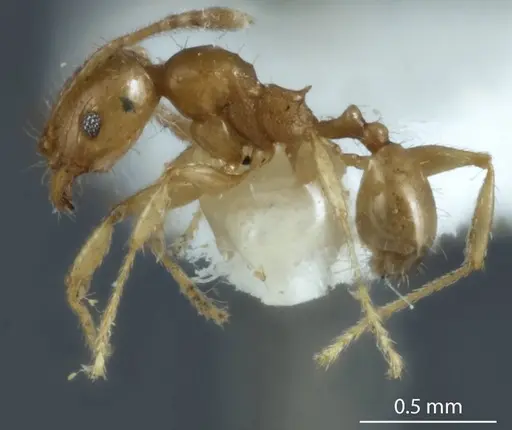
Pheidole proxima is an ant species of the genus Pheidole. It is primarily documented in 2 countries , including Australia, New Zealand. Detailed taxonomic data and occurrence records can be further explored via authoritative databases such as AntWeb or the Global Biodiversity Information Facility (GBIF).
Pheidole proxima
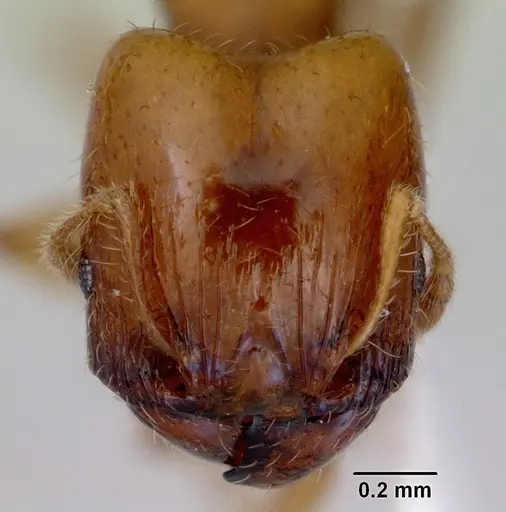
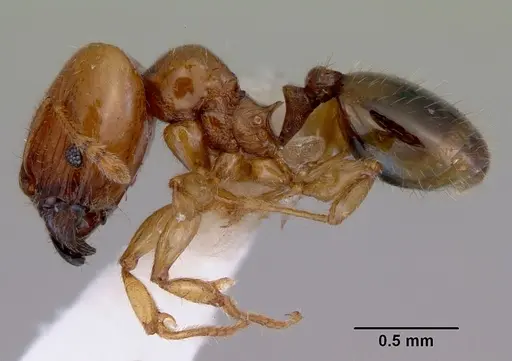
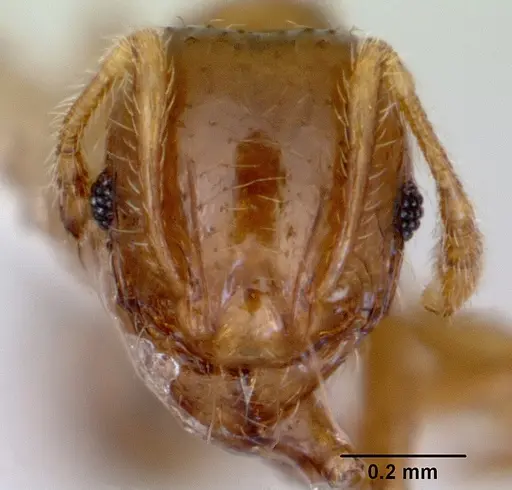
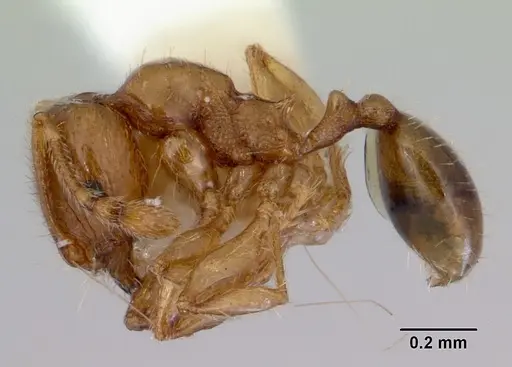
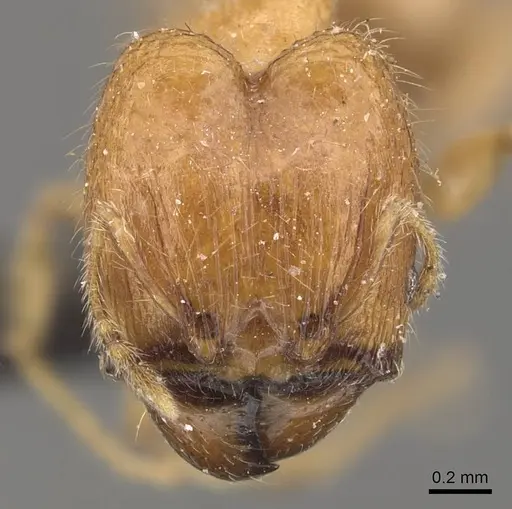
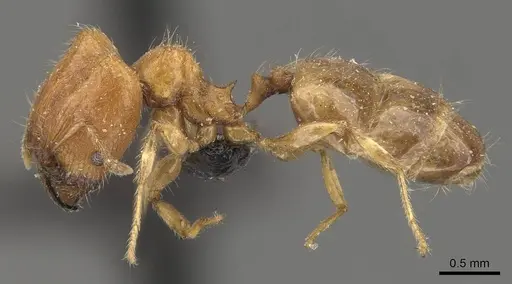
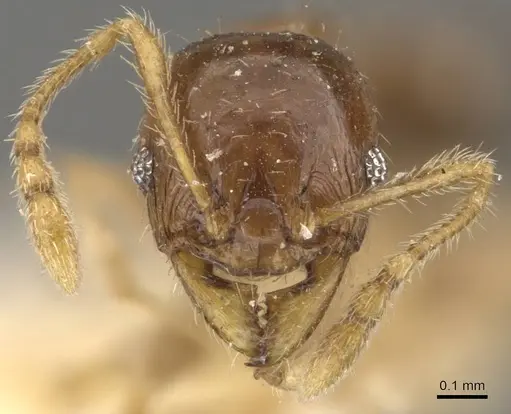
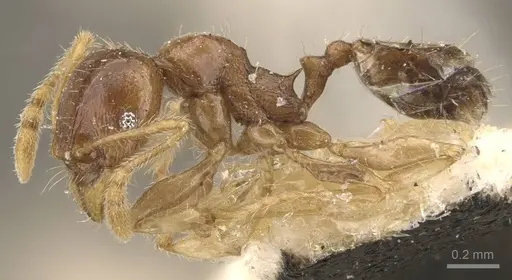
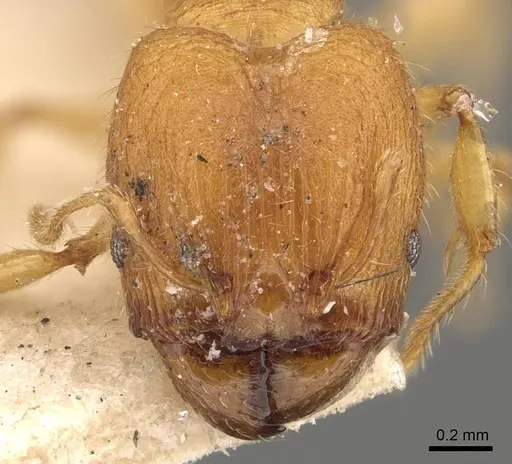
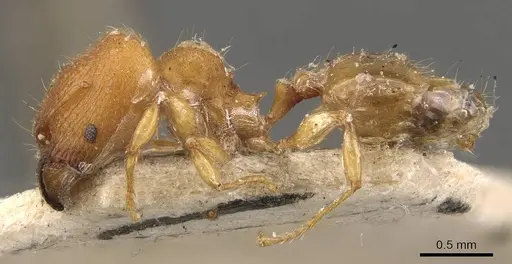
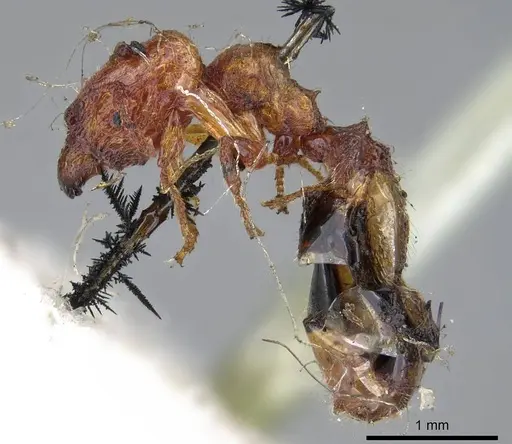
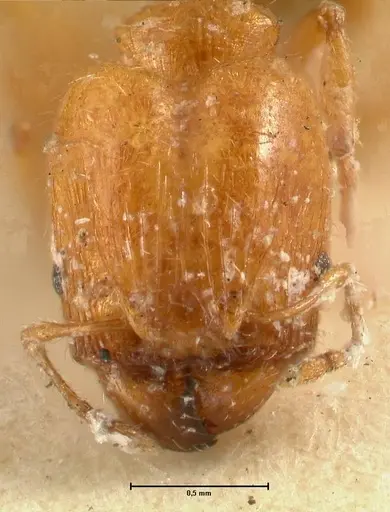
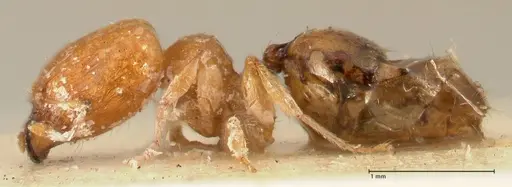
Pheidole proxima is a small ant species native to Australia that has been introduced to New Zealand. Workers are tiny at 2-3mm, with distinctive major workers (soldiers) that have enlarged, square-shaped heads. The species is part of the Attini tribe, known for seed-harvesting behavior, though they also readily accept protein and sugar sources. Colonies are moderate-sized and can reach several thousand workers with well-developed major and minor castes. This species is considered a successful invasive in parts of New Zealand, particularly around the Port of Napier where it was first detected in 2004 and was already well-established [1]. They thrive in urban environments, commonly nesting in buildings, structures, and disturbed areas with broken surfaces [2].
Quick Summary
- Difficulty: Easy
- Origin & Habitat: Native to Australia, introduced to New Zealand where it is established in urban areas around the Port of Napier [1]. Prefers disturbed habitats and is commonly found on buildings, structures, vegetation, and broken surfaces [2].
- Colony Type: Likely monogyne (single queen) based on typical Pheidole patterns, though colony structure is not specifically documented for this species.
- Colony: Monogyne
- Founding: Claustral
- Size & Growth:
- Queen: Estimated 7-9mm based on genus patterns
- Worker: Minor workers 2-3mm, major workers 3-4mm [3]
- Colony: Likely reaches several thousand workers based on typical Pheidole colony sizes
- Growth: Moderate
- Development: Estimated 6-8 weeks at optimal temperature based on related Pheidole species (Development time is inferred from genus patterns as specific data for P. proxima is not available)
- Antkeeping:
- Temperature: Keep at 22-26°C, they tolerate a range from 18-30°C. A heating cable on one side of the nest creates a gradient for them to regulate [3].
- Humidity: Moderate humidity around 50-70%. They do well with a moist nest area and drier outworld. Keep the nest substrate damp but not waterlogged.
- Diapause: Unknown, no specific data on winter requirements. Based on their Australian origin, they likely tolerate cooler temperatures but may benefit from a slight cool period in winter.
- Nesting: Y-tong (AAC) nests work well due to their small size. They also accept test tube setups and plaster nests. Provide a moist nesting area with dry escape routes.
- Behavior: Generally peaceful and not aggressive toward keepers. Major workers can deliver a mild sting if handled roughly, but they are not considered dangerous. They are active foragers that readily recruit nestmates to food sources. Escape prevention is important due to their small size, use fine mesh barriers. They are seed-harvesters by nature but readily accept protein (insects) and sugar (honey water) in captivity.
- Common Issues: escape prevention is critical due to their tiny size, they can squeeze through standard mesh, colonies may decline if protein is not offered regularly, they need balanced nutrition, wild-caught colonies may carry parasites that can devastate captive colonies, slow initial growth during founding phase can lead to overfeeding or disturbance, as an invasive species, never release in countries where they are not native
Housing and Nest Setup
Pheidole proxima does well in standard antkeeping setups. A Y-tong (AAC) nest works excellently because it provides proper humidity control and visibility. Test tube setups are also suitable, especially for founding colonies. The key is providing a moist nesting chamber while allowing access to a drier outworld area. Use a water reservoir to maintain humidity, but avoid flooding. Because of their small size, ensure all connections and barriers are secure, standard tubing connections should be checked regularly for gaps. [3]
Feeding and Diet
As members of the tribe Attini, these ants are natural seed-harvesters, but they are opportunistic omnivores. In captivity, offer a varied diet: seeds (millet, chia, flax) as a staple, protein sources (mealworms, fruit flies, small crickets) 2-3 times weekly, and sugar sources (honey water, sugar water) constantly available. They readily recruit nestmates to good food sources through chemical trails. Remove uneaten protein within 24-48 hours to prevent mold. The 2014 survey data shows they were detected in both carbohydrate and protein baits, confirming their omnivorous nature [2].
Temperature and Seasonal Care
Maintain temperatures between 22-26°C for optimal colony development. They can tolerate range from 18-30°C but growth slows outside this range. A small heating cable placed on one side of the nest creates a temperature gradient allowing ants to self-regulate. For winter, there is no specific data on diapause requirements for this species. Given their Australian origin and establishment in New Zealand's mild climate, they likely do not require true hibernation but may benefit from a slight temperature reduction (5-10°C) during winter months to simulate natural cycles. [3]
Colony Growth and Development
Pheidole colonies develop through distinct castes, minor workers handle most tasks while major workers (soldiers) specialize in defense and seed processing. Founding colonies start with a single claustral queen who seals herself in a chamber and raises the first brood alone. The first workers (nanitics) are typically smaller than normal workers. Colony growth is moderate, expect 6-8 weeks to first workers, then several months to reach 50-100 workers. Mature colonies can contain several thousand workers with significant major worker populations.
Behavior and Temperament
These ants are peaceful and focus on foraging and colony maintenance. They are not aggressive toward keepers and rarely bite. Major workers can deliver a mild sting if threatened, but it is not medically significant. Workers are active foragers that search the outworld for food and quickly recruit nestmates when resources are found. They maintain clear pheromone trails to food sources. Their small size makes them excellent escape artists, always use fine mesh and check all connections. They are well-adapted to urban environments and disturbed areas, which explains their success as an invasive species in New Zealand. [1][2]
Legal and Ethical Considerations
Pheidole proxima is an established invasive species in New Zealand. If you keep this species in New Zealand, never release colonies outdoors, they are already widespread in the Napier area and further spread could impact native ant ecosystems. In Australia, they are native so release is generally safe, but always check local regulations. If keeping outside their native range (Australia) or introduced range (New Zealand), maintain secure containment to prevent accidental establishment. [1][2]
Frequently Asked Questions
Can I keep Pheidole proxima in a test tube?
Yes, test tubes work well for founding colonies. Use a cotton-plugged water reservoir tube connected to a foraging area. Ensure the connection is secure, these tiny ants can squeeze through small gaps.
How long does it take for first workers to emerge?
Expect 6-8 weeks from egg to first worker at optimal temperature (22-26°C). This is estimated from related Pheidole species as specific development data for P. proxima is not available.
What do Pheidole proxima eat?
They are omnivores, offer seeds (millet, chia), protein (mealworms, fruit flies), and sugar sources (honey water). Remove uneaten protein within 24-48 hours to prevent mold.
Are Pheidole proxima good for beginners?
Yes, they are considered easy to keep. They are tolerant of temperature variations, accept a wide variety of foods, and are peaceful. The main challenge is escape prevention due to their tiny size.
When should I move my colony to a formicarium?
Move to a larger nest (Y-tong or formicarium) when the colony reaches 50-100 workers and the test tube water reservoir needs frequent refilling. Pheidole colonies can outgrow test tubes quickly once established.
Do Pheidole proxima need hibernation?
Specific diapause requirements are unknown for this species. Based on their Australian origin and New Zealand establishment, they likely do not require true hibernation but may benefit from a slight cool period (15-18°C) during winter.
How big do colonies get?
Mature colonies likely reach several thousand workers with distinct major and minor castes. This is estimated from typical Pheidole colony sizes.
Can I keep multiple queens together?
Pheidole species are typically single-queen (monogyne) colonies. Combining unrelated queens is not recommended as they will likely fight. Only keep one queen per colony.
Why are my ants escaping?
Their small size means they can squeeze through tiny gaps. Use fine mesh (0.5mm or smaller), check all tubing connections, and ensure lid seals are tight. Apply fluon or similar barrier to tubing connections.
What temperature is best for Pheidole proxima?
Keep at 22-26°C for optimal development. They tolerate 18-30°C but growth slows outside this range. A heating cable on one side of the nest creates a useful gradient.
References

This caresheet is licensed under CC BY-SA 4.0 .
CASENT0172362
View on AntWeb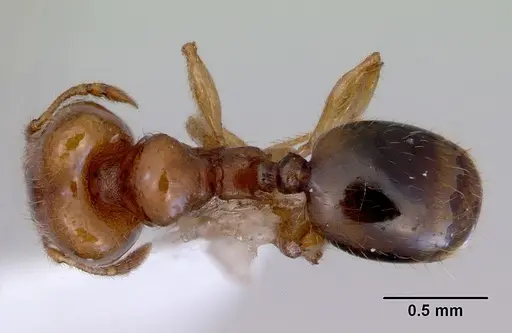
CASENT0172363
View on AntWeb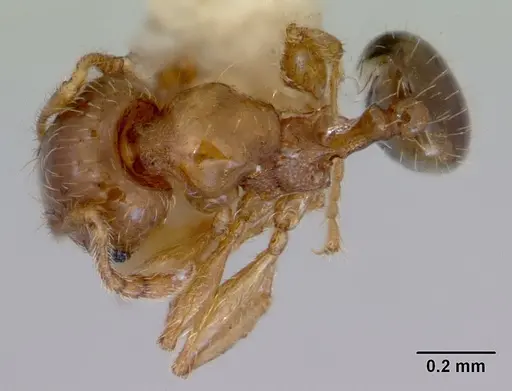
CASENT0908053
View on AntWeb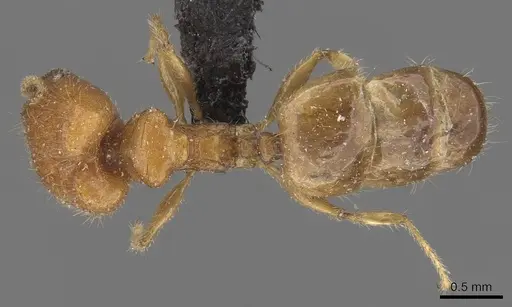
CASENT0908054
View on AntWeb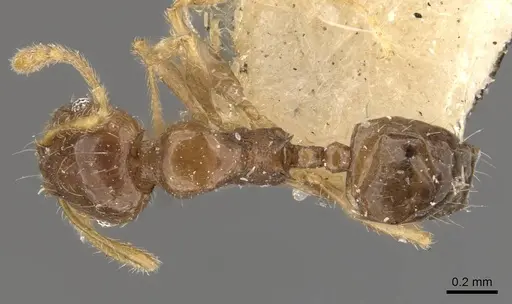
CASENT0908055
View on AntWeb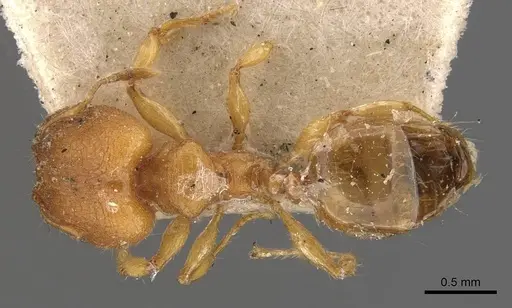
CASENT0908056
View on AntWeb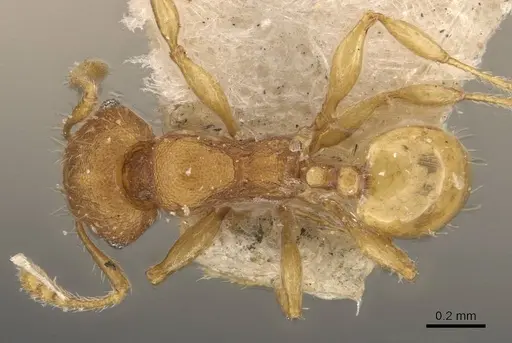
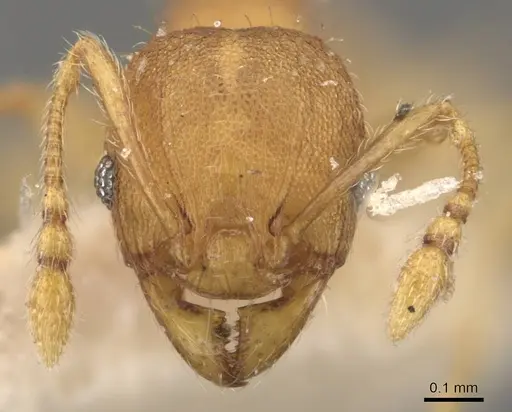
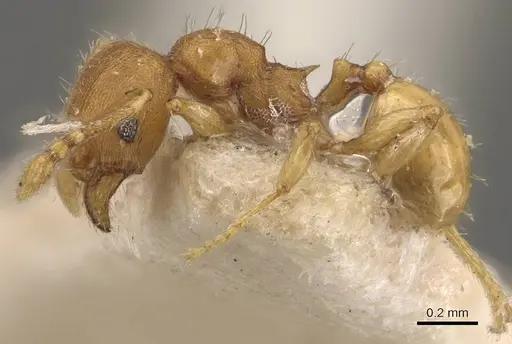
CASENT0919760
View on AntWeb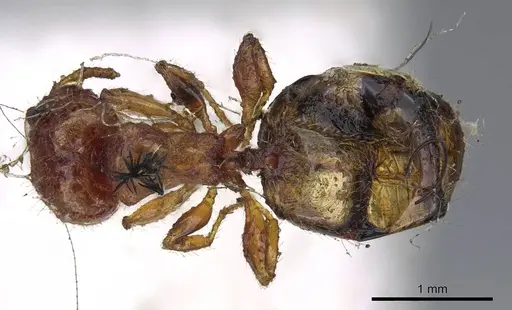
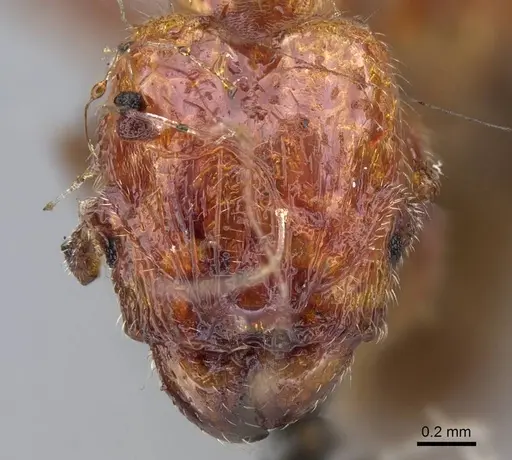
FOCOL1419
View on AntWeb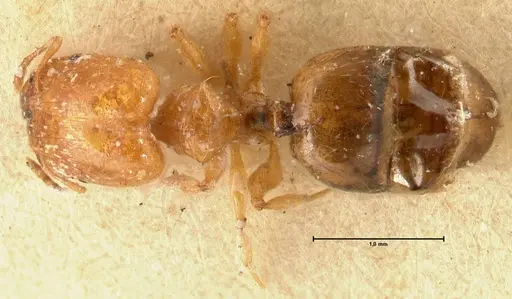
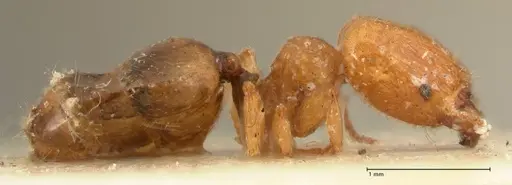
JDM32-004001-1
View on AntWeb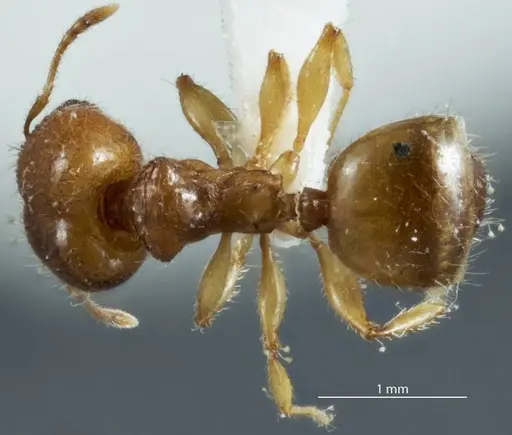
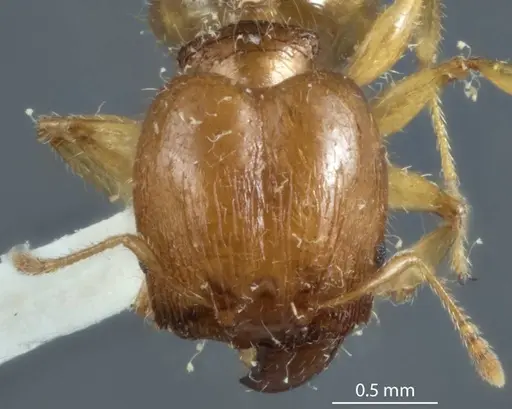
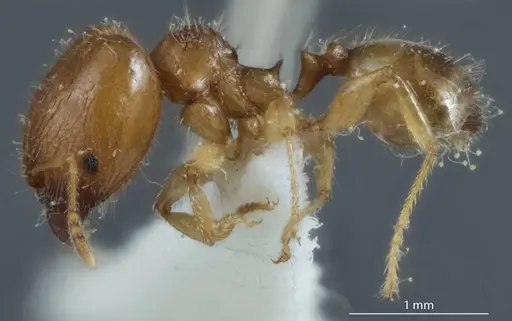
JDM32-004001-2
View on AntWeb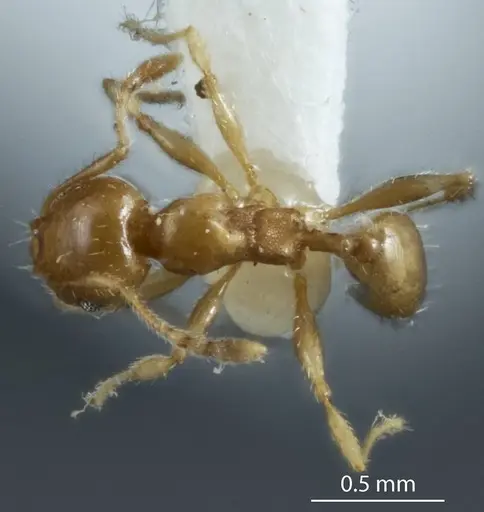
Literature
Loading...Loading products...