

Pheidole protensa
- Scientific Name
- Pheidole protensa
- Tribe
- Attini
- Subfamily
- Myrmicinae
- Author
- Wilson, 2003
- Distribution
- Found in 5 countries
Pheidole protensa Overview
Pheidole protensa is an ant species of the genus Pheidole. It is primarily documented in 5 countries , including Costa Rica, Guatemala, Honduras. Detailed taxonomic data and occurrence records can be further explored via authoritative databases such as AntWeb or the Global Biodiversity Information Facility (GBIF).
Pheidole protensa
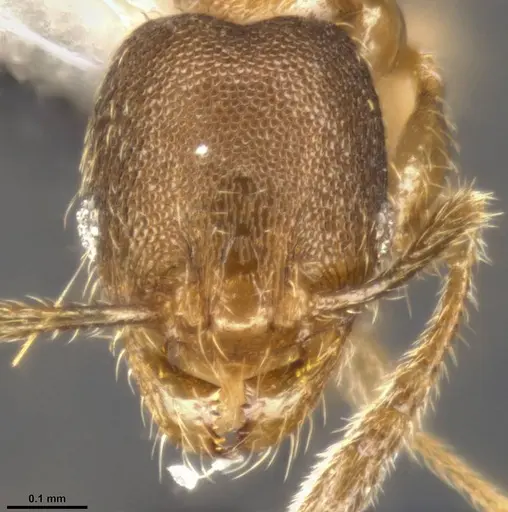
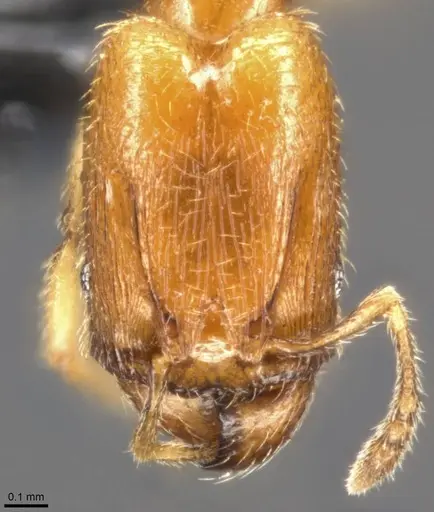
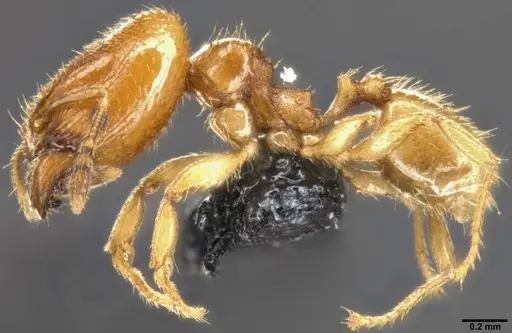
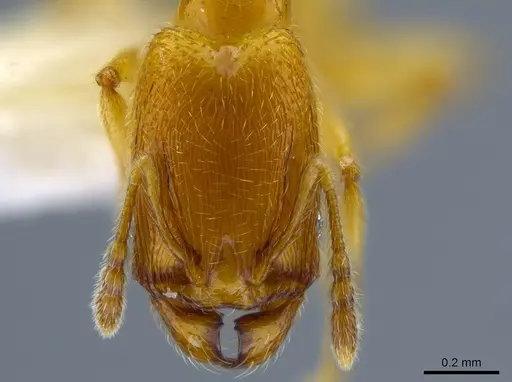
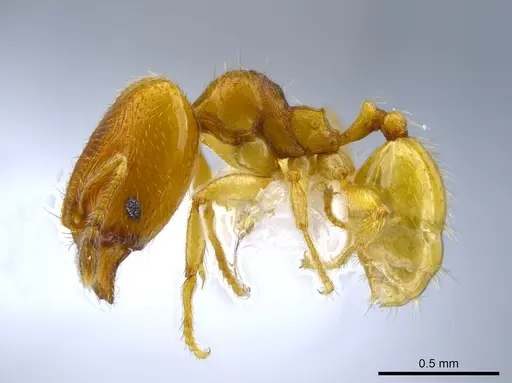
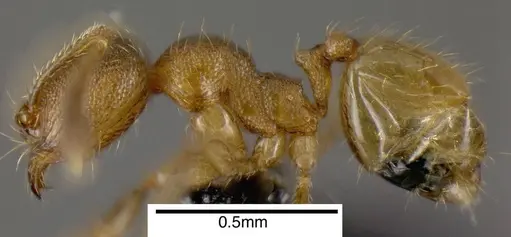
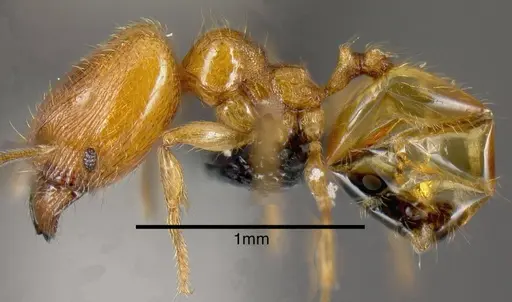
Pheidole protensa is a very small, yellow ant belonging to the flavens group. It was described by E.O. Wilson in 2003 and is easily recognized by its major workers having an elongated head that is entirely covered dorsally with longitudinal carinulae (ridges). The species is dimorphic, meaning it has both major and minor workers, majors have the distinctive stretched head that gives the species its name 'protensa' (stretched out). This ant is native to the Neotropical region, found across Mexico, Guatemala, Honduras, Nicaragua, Costa Rica, and Panama. In the wild, it nests in lowland rainforest and montane coffee forests at elevations around 1600 meters. What makes this species particularly interesting is its role as an effective ground predator in coffee ecosystems, where it preys on the coffee berry borer, a globally disruptive agricultural pest.
Quick Summary
- Difficulty: Easy
- Origin & Habitat: Neotropical species found in Mexico (Veracruz), Nicaragua, Guatemala, Honduras, Costa Rica, and Panama. Inhabits lowland rainforest and montane coffee forests (cafetals) at elevations around 1600m [1].
- Colony Type: Monogyne (single queen) based on typical Pheidole genus patterns. Colonies have many small, widely distributed nests [2].
- Colony: Monogyne
- Founding: Claustral
- Size & Growth:
- Queen: Unknown, not directly measured in type material
- Worker: Major workers: 0.60mm head width. Minor workers: 0.38mm head width.
- Colony: Unknown maximum, but typical Pheidole colonies reach several hundred workers. The species is described as having many small nests widely distributed [2].
- Growth: Moderate, inferred from typical Pheidole development patterns
- Development: 6-8 weeks (estimated based on typical Pheidole genus development at warm temperatures) (Development time is not directly studied for this species. Estimates based on related Pheidole species.)
- Antkeeping:
- Temperature: Keep at 22-26°C. Being a Neotropical species from mid-elevation rainforest areas, they prefer warm but not extreme conditions. A gentle temperature gradient allows workers to regulate their exposure.
- Humidity: Moderate to high, they naturally inhabit rainforest and coffee forest environments. Keep the nest substrate consistently moist but not waterlogged, with some drier areas available for the ants to choose.
- Diapause: No, as a tropical species, they do not require hibernation. Activity may slow slightly during cooler periods but they remain active year-round.
- Nesting: Ground-nesting species that prefers moist substrate. In captivity, a test tube setup works well for founding colonies, transitioning to a Y-tong or plaster nest as the colony grows. The nest should have tight chambers scaled to their very small size.
- Behavior: This is a ground-nesting, ground-foraging species that is slow-moving compared to many ants [2]. They are effective predators, particularly on the coffee berry borer in agricultural settings. Major workers have reduced propodeal spines (appearing as small denticles), so their defensive capabilities are limited. They are not aggressive and pose no threat to keepers. Because of their very small size, escape prevention must be excellent, they can squeeze through tiny gaps. Workers are active foragers that will recruit nestmates to food sources.
- Common Issues: escape prevention is critical due to their very small size, use fine mesh and tight-fitting lids, overheating can be fatal, keep away from direct heat sources and maintain stable temperatures, colonies may be slow to establish, patience is needed during the founding phase, wild-caught colonies may carry parasites that can cause colony failure in captivity, too much moisture can drown founding queens, use appropriate water reservoir sizes in test tubes
Nest Preferences
Pheidole protensa is a ground-nesting species that naturally colonizes moist soil in forested areas. In the wild, they build small nests that are widely distributed across their territory [2]. For captive care, a test tube setup works well for founding colonies, fill the tube one-third with water, plug with cotton, and place the queen in the chamber. The cotton should be snug but not compressed tight enough to cause flooding. As the colony grows to 50+ workers, consider moving to a Y-tong (acrylic) or plaster nest. These nests hold moisture well and provide the dark, humid environment these ants prefer. The chambers should be scaled to their tiny size, narrow passages and small chambers help them feel secure. Avoid naturalistic setups with large open spaces, as these small ants do better in more enclosed environments.
Feeding and Diet
In their natural habitat, Pheidole protensa is an effective ground predator that feeds on small invertebrates, including the coffee berry borer beetle [3][4]. They are one of the most effective ground predators in coffee ecosystems, accounting for a significant portion of pest removal [4]. In captivity, offer a varied diet: protein sources like small fruit flies, pinhead crickets, or mealworms (crushed for the tiny majors), along with sugar sources like honey water or sugar water. They are known to remove 34 prey items from ground level, making them active hunters [4]. Feed protein 2-3 times per week and keep sugar water available constantly. Remove uneaten prey after 24-48 hours to prevent mold. Their small size means even small prey items are substantial meals for them.
Temperature and Care
As a Neotropical species from mid-elevation rainforest areas in Mexico and Central America, Pheidole protensa prefers warm, stable temperatures in the 22-26°C range. They naturally inhabit areas with moderate temperatures, not the extreme heat of lowland tropics but warmer than highland regions. A heating cable on one side of the nest can create a gentle gradient, allowing workers to move between warmer and cooler areas. Place the heating on top of the nest, not underneath, to avoid evaporating moisture too quickly. Avoid temperatures above 30°C, as this can stress or kill the colony. Room temperature within this range works well for most of the year. Monitor colony activity, if workers cluster away from heat, the nest may be too warm, if they cluster near heat sources, they may need more warmth. [1]
Behavior and Temperament
Pheidole protensa is a calm, non-aggressive species that poses no danger to keepers. They are slow-moving ants compared to many other species, which is actually advantageous for observation [2]. The major workers have a distinctive elongated head with longitudinal ridges, but their propodeal spines are reduced to small denticles, meaning they cannot sting effectively. This makes them completely safe to handle. They are ground-foraging and will send workers out to collect food, using recruitment behavior to alert nestmates to good food sources. They are most active during daylight hours in their natural habitat. In captivity, they adapt well to regular feeding schedules. Their small size means they can escape through tiny gaps, always use fine mesh on any ventilation holes and ensure lid seals are tight.
Colony Growth and Development
Pheidole protensa colonies grow moderately fast once established. The claustral founding queen seals herself in a small chamber and raises the first brood using her stored fat reserves. First workers (nanitics) are typically smaller than normal workers and emerge after 6-8 weeks under optimal warm conditions. After the first workers eclose, the queen stops caring for brood directly and focuses on egg-laying while workers take over all nest maintenance and foraging. Colonies are dimorphic from the start, you will see both major and minor workers. Major workers develop later and are used for seed processing, defense (such as it is), and food preparation. A healthy colony will grow to several hundred workers over 1-2 years. Growth can be slower during the first few months, so patience is important during the founding stage.
Humidity Management
Being a species from rainforest and coffee forest environments, Pheidole protensa requires moderate to high humidity. The nest substrate should feel consistently moist but never waterlogged. In test tube setups, the water reservoir provides humidity through the cotton plug. Check regularly that the cotton hasn't dried out or developed mold. In Y-tong or plaster nests, mist the water chamber area or add water directly to the hydration section. The key is balance, too dry and brood will desiccate, too wet and the queen can drown or mold can become a problem. Provide a gradient within the nest so ants can choose their preferred humidity zone. Some slightly drier areas for foraging and some moister areas for brood development works well. [1]
Frequently Asked Questions
How long does it take for Pheidole protensa to have first workers?
Expect first workers (nanitics) to emerge in 6-8 weeks after the queen lays eggs, assuming temperatures are maintained at 22-26°C. This is typical for Pheidole species. The founding phase requires patience, the queen will stay sealed in her chamber until her first brood develops.
Can I keep Pheidole protensa in a test tube?
Yes, test tubes work excellently for founding colonies. Use a standard test tube setup with a water reservoir and cotton plug. The small size of this species means even a small test tube chamber is appropriate. Keep the tube in a dark, quiet location and avoid disturbing the queen during the founding phase.
What do Pheidole protensa eat?
They are predators that prefer small live prey like fruit flies and small insects. They also accept sugar sources like honey water or sugar water. In captivity, offer crushed mealworms or small crickets as protein 2-3 times per week, with sugar water available constantly.
Are Pheidole protensa good for beginners?
Yes, they are an excellent beginner species. They are small, calm, non-aggressive, and have straightforward care requirements. They don't require hibernation and adapt well to typical room temperatures. The main challenges are their small size (requiring good escape prevention) and the patience needed during the slow founding phase.
When should I move Pheidole protensa to a formicarium?
Move them when the colony reaches 50-100 workers and the test tube is becoming crowded. A Y-tong or plaster nest works well for this species. Make sure the new nest has appropriately sized chambers, these tiny ants do better in smaller, tighter spaces rather than large open areas.
Do Pheidole protensa need hibernation?
No, they do not require hibernation. As a tropical Neotropical species, they remain active year-round. You may notice slightly reduced activity during cooler periods, but no special winter preparation is needed.
How big do Pheidole protensa colonies get?
Colonies typically reach several hundred workers over 1-2 years. The species is described as having many small, widely distributed nests in the wild, suggesting they don't form supercolonies but maintain moderate population sizes.
Why are my Pheidole protensa dying?
Common causes include: temperature stress (too hot or cold), improper humidity (too dry or waterlogged), escape-related losses due to their tiny size, or parasites from wild-caught colonies. Ensure stable temperatures in the 22-26°C range, consistent but not excessive moisture, and excellent escape prevention with fine mesh barriers.
Can I keep multiple Pheidole protensa queens together?
Not recommended. Pheidole species are typically monogyne (single queen). Combining unrelated queens has not been documented for this species and would likely result in aggression. A single founding queen will establish a healthy colony on her own.
References

This caresheet is licensed under CC BY-SA 4.0 .
CASENT0282721
View on AntWeb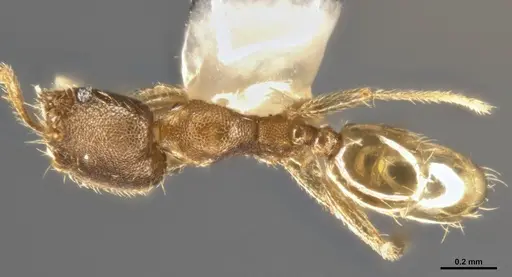
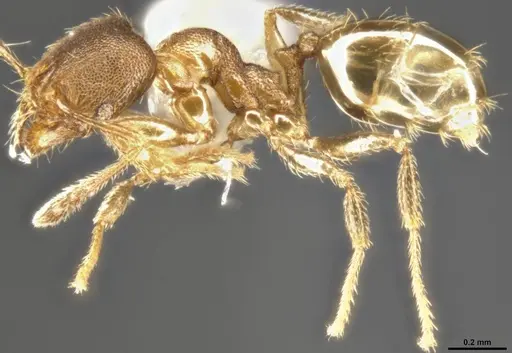
CASENT0283524
View on AntWeb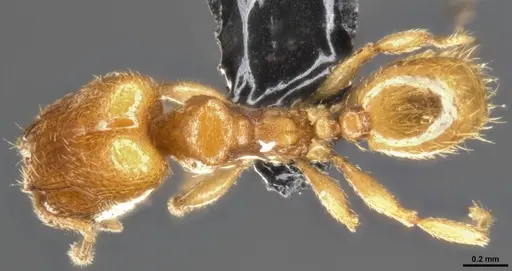
CASENT0633407
View on AntWeb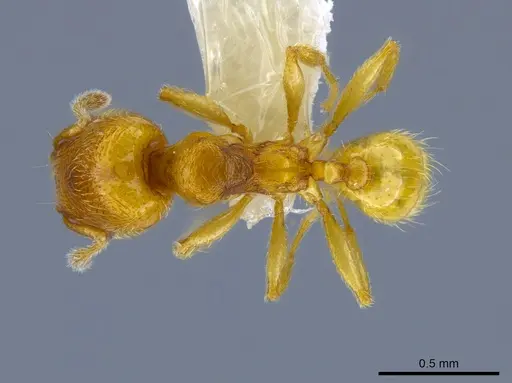
CASENT0635507
View on AntWeb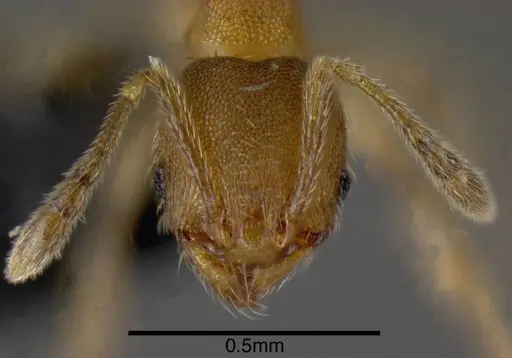
JTLC000006302
View on AntWeb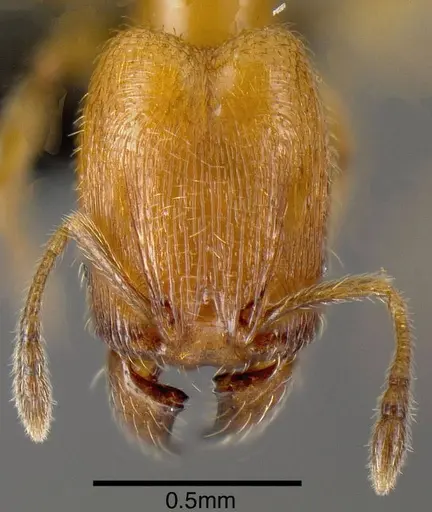
Literature
Loading...Loading products...