

Pheidole prostrata
- Scientific Name
- Pheidole prostrata
- Tribe
- Attini
- Subfamily
- Myrmicinae
- Author
- Wilson, 2003
- Distribution
- Found in 3 countries
Pheidole prostrata Overview
Pheidole prostrata is an ant species of the genus Pheidole. It is primarily documented in 3 countries , including Costa Rica, Guyana, Panama. Detailed taxonomic data and occurrence records can be further explored via authoritative databases such as AntWeb or the Global Biodiversity Information Facility (GBIF).
Pheidole prostrata
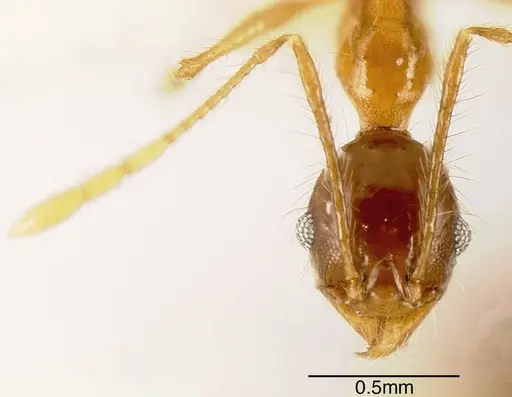
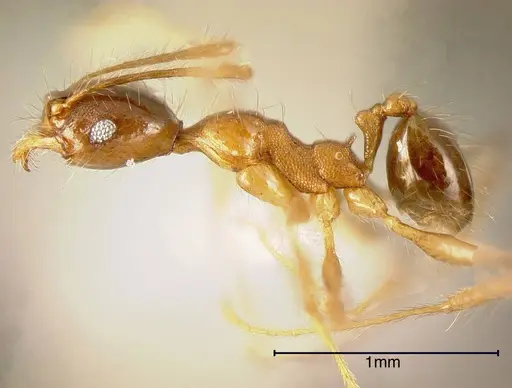
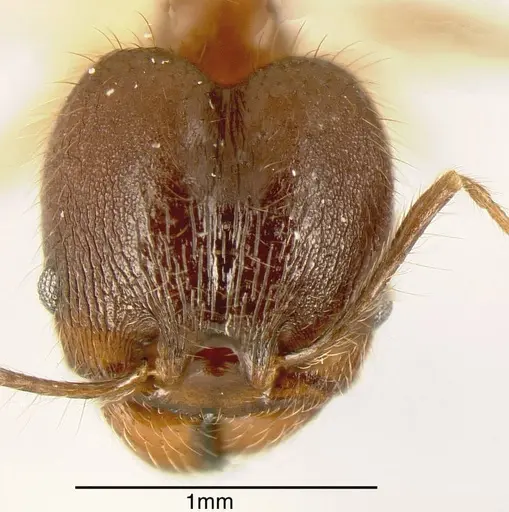
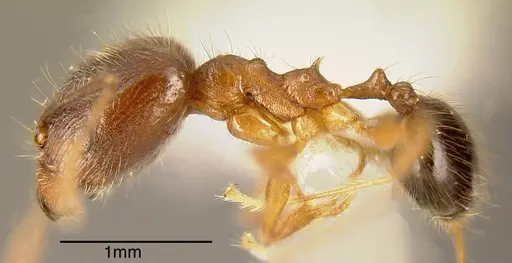
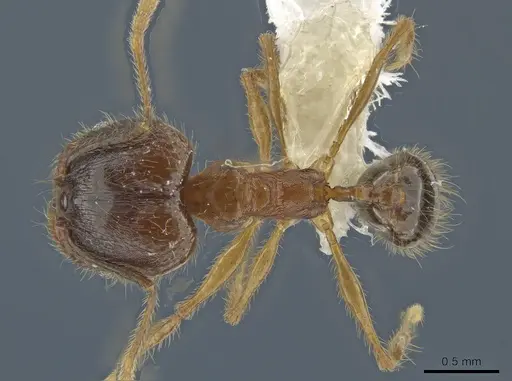
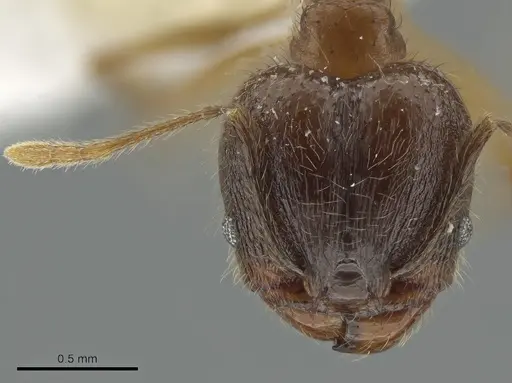
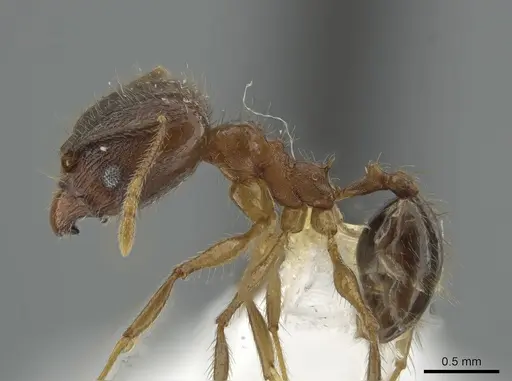
Pheidole prostrata is a small Neotropical ant species described by Wilson in 2003,found in the Atlantic lowlands of Costa Rica and Panama. As with all Pheidole species, they have a distinctive caste system with major workers (soldiers) that have enlarged heads for seed-crushing and defensive duties, while minor workers handle most foraging and brood care. The major workers have a bicolorous head with light brown clypeus and capsule areas, brownish yellow mesosoma, and light brown gaster. Minors are smaller with light brown coloring on the head and gaster. This species nests in the low arboreal zone, typically within a few meters of the ground in mature wet forest, and notably does not forage on the ground, making them unique among many Pheidole species [1].
Quick Summary
- Difficulty: Medium
- Origin & Habitat: Atlantic lowlands of Costa Rica and Panama, in mature wet tropical forest. Nests in the low arboreal zone within a few meters of the ground [1].
- Colony Type: Single-queen (monogyne) colonies based on typical Pheidole colony structure. Pheidole colonies can reach thousands of workers with distinct major and minor castes.
- Colony: Monogyne
- Founding: Claustral
- Size & Growth:
- Queen: Undescribed in original description, estimated 6-8mm based on genus patterns
- Worker: Major: HW 1.12mm, Minor: HW 0.48mm [1]
- Colony: Unknown for this specific species, but typical Pheidole colonies reach several thousand workers
- Growth: Moderate, typical for tropical Pheidole
- Development: Estimated 6-8 weeks at tropical temperatures (25-28°C) based on related Pheidole species (Development time is estimated from genus-level data as specific timing has not been documented for this species)
- Antkeeping:
- Temperature: Keep at 24-28°C. This is a tropical species from lowland Costa Rica, so they need warm conditions year-round. A heating cable on one side of the nest can create a gentle gradient if room temperature is below 24°C.
- Humidity: High humidity, aim for 70-85%. Their natural habitat is mature wet forest, so keep the nest substrate consistently moist but not waterlogged. Mist the outworld occasionally and ensure the water tube is filled.
- Diapause: No, as a tropical species from Costa Rica, they do not require hibernation. Keep them warm year-round.
- Nesting: Arboreal to low-nesting, in captivity, they do well in Y-tong (AAC) nests or plaster nests with tight chambers. The key is keeping them off the ground level, they prefer elevated nest positions. Provide a moist substrate that doesn't dry out quickly.
- Behavior: This species is not aggressive and majors are primarily used for seed processing and colony defense. They are unique in that they do not forage on the ground, they forage in the low vegetation/arboreal zone. In captivity, they will readily take most any protein source and seeds. Escape risk is moderate, majors are chunky but minors are small, so ensure your barrier is reliable. They are not known to sting.
- Common Issues: tropical species needs constant warmth, cold drafts can kill colonies, high humidity requirements mean mold can be an issue if ventilation is poor, small minor workers can escape through standard barriers, use fluon and fine mesh, ground-level foraging is unnatural for this species, provide elevated outworld space or branches, slow founding phase, claustral queens sealed in for 4-8 weeks can worry beginners who disturb them
Housing and Nest Setup
Pheidole prostrata does well in Y-tong (acrylic) nests or plaster nests with tight chambers. The most important factor is elevation, in the wild they nest in the low arboreal zone, so consider placing the nest off the ground or providing climbing structures in the outworld. The nest chambers should be appropriately sized: major workers are about 1.12mm head width, so chambers don't need to be large. Keep the nest humid by connecting a water tube, and place the setup in a warm area away from drafts and direct sunlight. The outworld can be simple, a foraging area where you offer food. Given their arboreal nature, you might add some small branches or twigs to simulate their natural foraging environment. [1]
Feeding and Diet
Pheidole prostrata is an omnivorous species with typical Pheidole diet flexibility. They will readily accept protein sources like small insects (fruit flies, small mealworms, crickets), and like most Pheidole, they also process seeds, the major workers have specialized head muscles for crushing seeds. Offer a mix of protein foods 2-3 times per week and keep a constant sugar source available (honey water, sugar water, or commercial ant sweets). Seeds can be offered as enrichment, they will crack them open using their majors. Remove uneaten prey after 24-48 hours to prevent mold.
Temperature and Seasonal Care
As a tropical species from Costa Rica's Atlantic lowlands, Pheidole prostrata needs warm temperatures year-round. Keep the nest area at 24-28°C. Below 24°C, their metabolism slows significantly, and prolonged cold can be fatal. Unlike temperate species, they do not enter diapause or hibernation. Use a heating cable on one side of the nest if your room temperature is consistently below 24°C, but always provide a temperature gradient so ants can move between warmer and cooler areas. Monitor for signs of chilling: workers clustering together, reduced activity, and reluctance to forage. [1]
Colony Growth and Development
A claustral queen will seal herself in a chamber and not emerge until her first workers (nanitics) hatch, typically after 4-8 weeks depending on temperature. The founding chamber should be kept dark and undisturbed during this time. Once the first majors and minors emerge, the colony enters a fragile early growth phase. The queen stops foraging and focuses on egg-laying. Growth is moderate, expect several months before you have 50+ workers. Pheidole colonies can eventually grow to several thousand workers, with increasing numbers of majors as the colony matures. Major production typically increases with colony size.
Behavior and Temperament
This is a peaceful species with no significant sting. The majors are specialized for seed-crushing and colony defense, but they are not aggressive toward keepers. The minors handle most daily tasks, foraging, caring for brood, and tending to the queen. A unique trait of this species is their arboreal foraging behavior, they do not forage on the ground in the wild. In captivity, they will forage in the outworld but may prefer elevated positions. They are not known for escape artistry, but the small minors can slip through gaps, use fluon on container edges and ensure any ventilation is fine mesh. [1]
Frequently Asked Questions
How long does it take for Pheidole prostrata to get their first workers?
Expect 6-8 weeks from egg to first worker at optimal temperatures (25-28°C). The claustral queen seals herself in and raises the first brood alone. Do not disturb the founding chamber during this time.
What do Pheidole prostrata ants eat?
They are omnivorous, offer protein (small insects like fruit flies, pinhead crickets, small mealworms) 2-3 times per week, and keep a constant sugar source (honey water or sugar water). They also accept seeds, which majors will crush open.
What temperature do Pheidole prostrata need?
Keep them warm at 24-28°C year-round. This is a tropical species that does not tolerate cold well.
Do they need hibernation or diapause?
No. As a tropical species from Costa Rica, they do not require hibernation. Keep them warm year-round.
How big do Pheidole prostrata colonies get?
Exact colony size is unknown for this species, but typical Pheidole colonies reach several thousand workers with distinct major and minor castes.
Can I keep multiple queens together?
This species is monogyne (single queen). Combining unrelated queens is not recommended as they will likely fight.
What makes Pheidole prostrata different from other Pheidole?
They are unusual in that they nest in the low arboreal zone and do not forage on the ground, they forage in vegetation near the ground. They also have distinctive bicolorous majors with light brown and brownish yellow coloring.
What humidity level do they need?
High humidity,70-85%. Their natural habitat is mature wet forest in Costa Rica. Keep the nest substrate moist but not waterlogged.
Are Pheidole prostrata good for beginners?
They are moderate difficulty. The main challenges are maintaining tropical warmth and high humidity year-round. They are peaceful and not aggressive, which makes them easier to handle than some species.
References

This caresheet is licensed under CC BY-SA 4.0 .
Literature
Loading...Loading products...