

Pheidole prattorum
- Scientific Name
- Pheidole prattorum
- Tribe
- Attini
- Subfamily
- Myrmicinae
- Author
- Wilson, 2003
- Distribution
- Found in 5 countries
Pheidole prattorum Overview
Pheidole prattorum is an ant species of the genus Pheidole. It is primarily documented in 5 countries , including Costa Rica, Guatemala, Honduras. Detailed taxonomic data and occurrence records can be further explored via authoritative databases such as AntWeb or the Global Biodiversity Information Facility (GBIF).
Pheidole prattorum
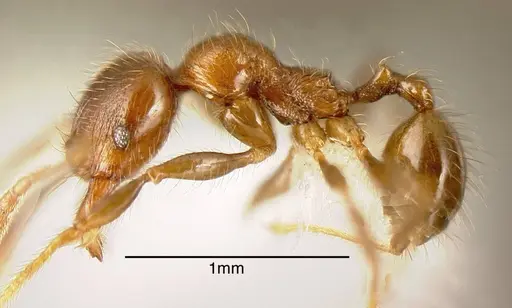
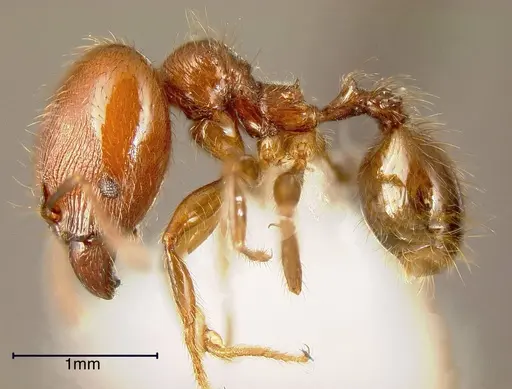
Pheidole prattorum is a dimorphic ant species native to the Neotropical region, found from Mexico down to Costa Rica. This small ant has two worker castes: majors with a reddish-yellow coloration and distinctive head sculpture, and smaller minors that are almost entirely smooth and shiny. Majors measure around 1.22mm head width while minors are much smaller at around 0.54mm. The species was described by Wilson in 2003 and named in honor of Joe D. Pratt and his family for their support of biodiversity studies. In the wild, colonies have been found nesting beneath epiphyte mats in old treefalls within mature lowland rainforest at elevations between 140 and 1,100 meters.
Quick Summary
- Difficulty: Medium
- Origin & Habitat: Neotropical region, Costa Rica, Guatemala, Honduras, Mexico, and Nicaragua. Inhabits cloud forest and tropical rainforest at 140 to 1,100m elevation [1]. Colonies found in mature lowland rainforest beneath epiphyte mats in treefalls [2].
- Colony Type: Single-queen colonies (monogyne), typical for Pheidole genus. Dimorphic colonies with major and minor workers [3].
- Colony: Monogyne
- Founding: Claustral
- Size & Growth:
- Queen: Approximately 5-7mm (estimated from genus patterns)
- Worker: Major: 1.22mm HW, Minor: 0.54mm HW [2]
- Colony: Unknown for this species, but typical Pheidole colonies reach several hundred workers
- Growth: Moderate, typical for tropical Pheidole species
- Development: 6-10 weeks (estimated from genus patterns for tropical species at 24-26°C) (Development time estimated based on typical Pheidole development at optimal tropical temperatures)
- Antkeeping:
- Temperature: Keep at 24-28°C, they are a tropical species adapted to warm, stable conditions. A gentle temperature gradient allows workers to regulate their exposure [1].
- Humidity: High humidity required, think damp rainforest floor. Keep nest substrate consistently moist but not waterlogged. Provide a water tube for drinking water.
- Diapause: No, as a tropical species, they do not require hibernation. Maintain warm conditions year-round.
- Nesting: Prefers humid nest chambers. Y-tong (AAC) nests or plaster nests work well for this species. The nest should retain moisture well. Avoid drying out.
- Behavior: These ants are active foragers with majors that help process larger food items. They are not aggressive toward keepers but majors can deliver mild bites if handled. Minor workers are very small (0.54mm) so escape prevention must be excellent, they can squeeze through standard test tube cotton if it becomes loose. Foraging activity is highest when temperatures are warm and stable.
- Common Issues: high humidity needs mean mold can develop if ventilation is poor, balance airflow carefully, tiny minor workers can escape through small gaps, use fine mesh barriers and check all connections, tropical species will become sluggish or die if temperatures drop below 20°C for extended periods, colonies may struggle if kept too dry, rainforest species need consistent moisture, majors take longer to develop than minors, so colony structure may appear delayed
Housing and Nest Setup
Pheidole prattorum does well in Y-tong (AAC) nests or plaster formicariums that retain moisture well. Since they come from humid rainforest environments, the nest material should stay damp without becoming waterlogged. A test tube setup can work for founding colonies, but monitor moisture levels closely, these ants need consistent humidity. The outworld should have a water tube or damp cotton as a drinking source. Because minor workers are tiny (0.54mm), ensure all connections are tight and consider using fine mesh on any ventilation holes. A small foraging area works well since they are not large colony builders. [1][2]
Feeding and Diet
Pheidole species are typically granivorous and protein-seeking. Offer small seeds (millet, sesame, or cracked grain) as a staple carbohydrate source. Protein should come from small insects like fruit flies, small mealworms, or cricket pieces. Sugar water or honey can be offered occasionally but is not a primary food source for this genus. Feed seeds continuously and protein 2-3 times per week. Remove uneaten seeds if they develop mold. Majors help process larger food items that minors cannot handle alone.
Temperature and Seasonal Care
As a tropical species from Costa Rica and surrounding regions, Pheidole prattorum needs warm conditions year-round. Keep the nest area at 24-28°C. A heating cable on one side of the nest creates a temperature gradient that lets workers choose their comfort zone. Avoid temperatures below 20°C for extended periods, this species is not cold-tolerant and may stop brood development or die. There is no diapause requirement since they come from a non-seasonal tropical environment. Room temperature in heated homes usually works well, but monitor during winter if your ant room cools down. [1]
Colony Development
This is a dimorphic species with distinct major and minor worker castes. Majors develop larger heads and can help with food processing and nest defense. The first workers (nanitics) will be smaller but the colony will gradually produce larger majors as it grows. Pheidole colonies can live for several years with a healthy queen producing workers continuously. Expect the colony to reach several hundred workers over time. The queen is long-lived and will continue laying eggs as long as conditions are good. [3]
Behavior and Handling
These ants are active foragers but not particularly aggressive toward humans. If threatened, majors may deliver a mild bite with their larger mandibles. Minors are very small and numerous, handling most day-to-day tasks. The colony will establish scent trails to food sources and efficiently recruit workers. They are not known for painful stings, the minor workers are too small to penetrate human skin effectively. Watch for escape attempts, especially through the smallest gaps, as minors are only 0.54mm wide.
Frequently Asked Questions
How long does it take for Pheidole prattorum to produce first workers?
Expect first workers (nanitics) in about 6-10 weeks at optimal temperatures of 24-28°C. This is an estimate based on typical Pheidole development patterns for tropical species. The exact timeline depends on temperature and whether the queen was well-fed before catching.
What do Pheidole prattorum ants eat?
They are granivorous and protein-seeking. Offer small seeds like millet or sesame as a staple, along with small insects (fruit flies, small mealworms) for protein. Sugar water or honey can be offered occasionally. Remove uneaten food to prevent mold.
Do Pheidole prattorum ants need hibernation?
No, they do not need hibernation. This is a tropical species from Costa Rica and surrounding regions. Keep them warm year-round at 24-28°C. They are not cold-tolerant and may die if temperatures drop significantly.
Can I keep multiple Pheidole prattorum queens together?
No, this is not recommended. Pheidole prattorum is typically monogyne, single-queen colonies. Combining unrelated queens has not been documented for this species and would likely result in fighting.
How big do Pheidole prattorum colonies get?
Colony size is not specifically documented for this species, but typical Pheidole colonies reach several hundred workers. The colony grows gradually over several years with the queen continuously producing new workers.
What temperature is ideal for Pheidole prattorum?
Keep them at 24-28°C. This tropical species needs warm, stable conditions. A temperature gradient of 24-30°C across the nest allows workers to regulate their own exposure. Avoid temperatures below 20°C.
Are Pheidole prattorum good for beginners?
They are rated as medium difficulty. The main challenges are maintaining high humidity and preventing escapes due to their very small minor workers. If you can provide warm, humid conditions and have good escape prevention, they are a rewarding species to keep.
When should I move Pheidole prattorum to a formicarium?
Keep them in a test tube setup for the founding stage. Once the colony reaches 30-50 workers and you see the nest becoming crowded or the water tube running low, consider moving to a Y-tong or plaster nest. Always have a second nest connected before disturbing the colony.
Why are my Pheidole prattorum dying?
Common causes include: temperatures dropping below 20°C, nest drying out (they need high humidity), poor escape prevention allowing minors to escape, or mold from overwatering with poor ventilation. Check each of these factors and adjust accordingly.
References

This caresheet is licensed under CC BY-SA 4.0 .
CASENT0635505
View on AntWeb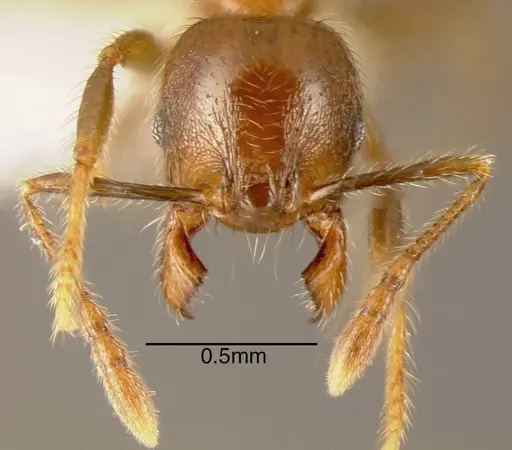
JTLC000003456
View on AntWeb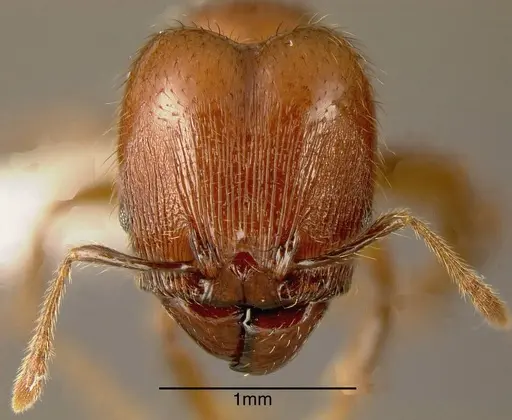
Literature
Loading...Loading products...