

Pheidole praeusta
- Scientific Name
- Pheidole praeusta
- Tribe
- Attini
- Subfamily
- Myrmicinae
- Author
- Roger, 1863
- Distribution
- Found in 1 countries
Pheidole praeusta Overview
Pheidole praeusta is an ant species of the genus Pheidole. It is primarily documented in 1 countries , including Colombia. Detailed taxonomic data and occurrence records can be further explored via authoritative databases such as AntWeb or the Global Biodiversity Information Facility (GBIF).
Pheidole praeusta
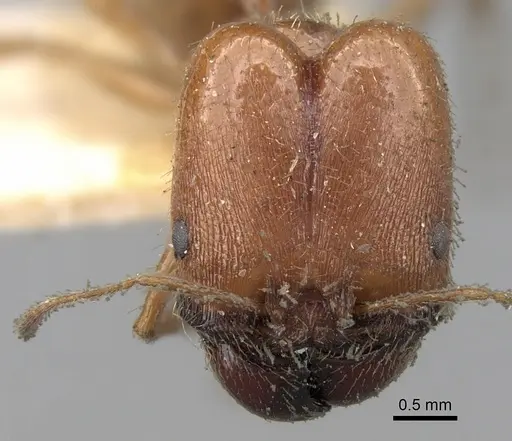
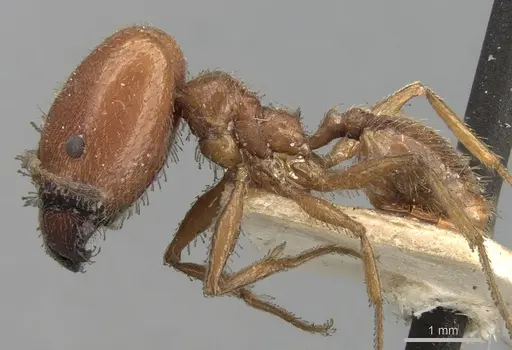
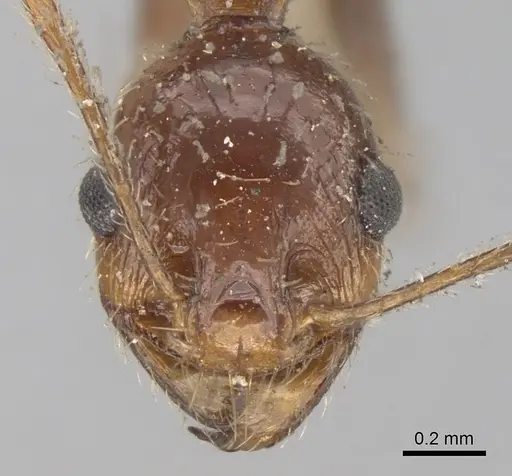
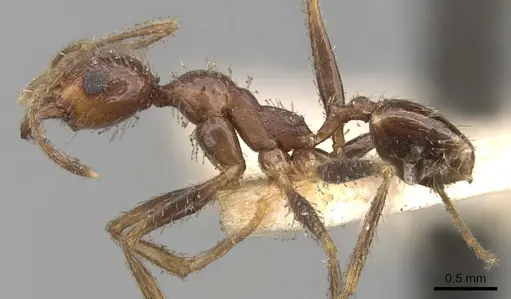
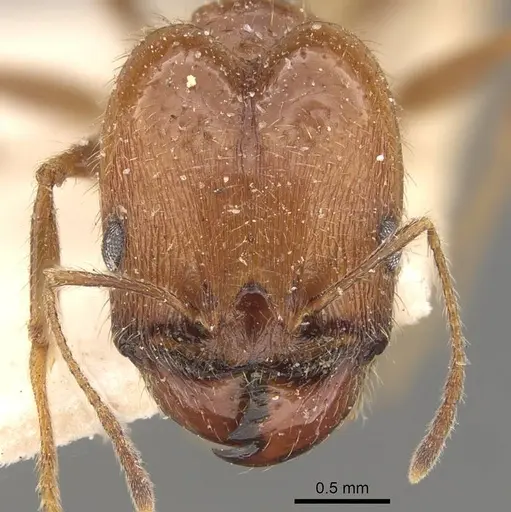
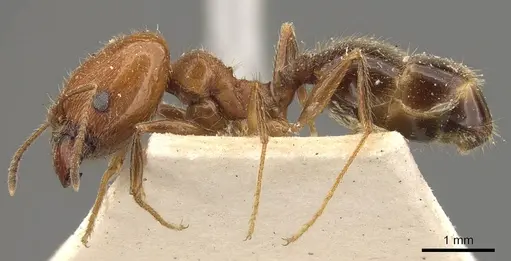
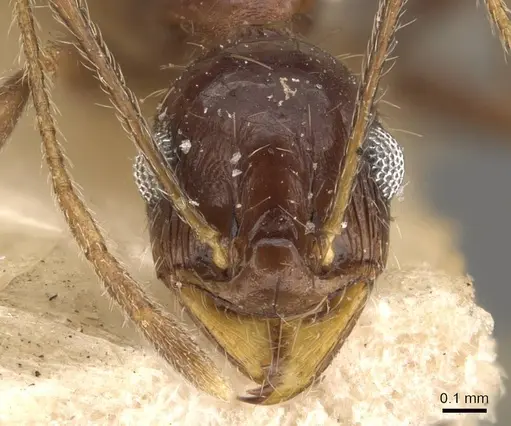
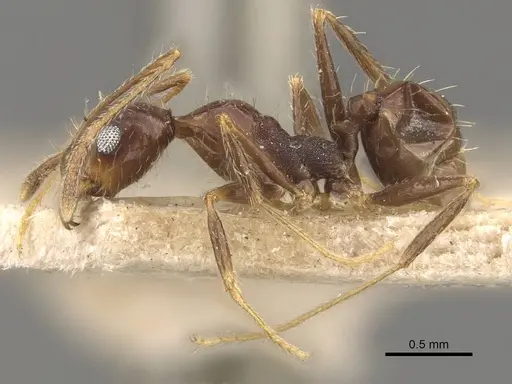
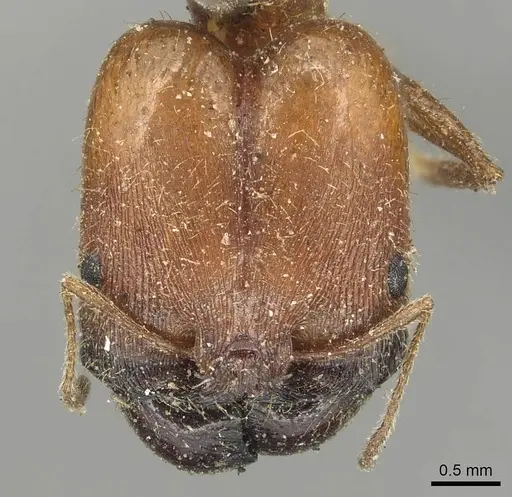
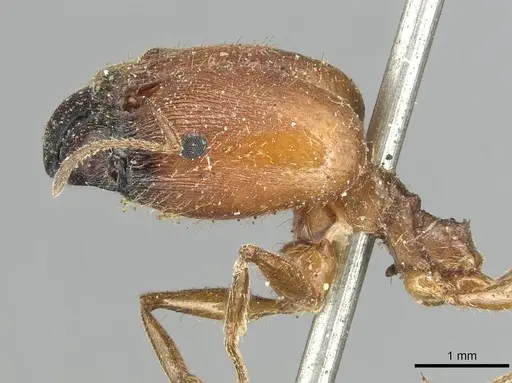
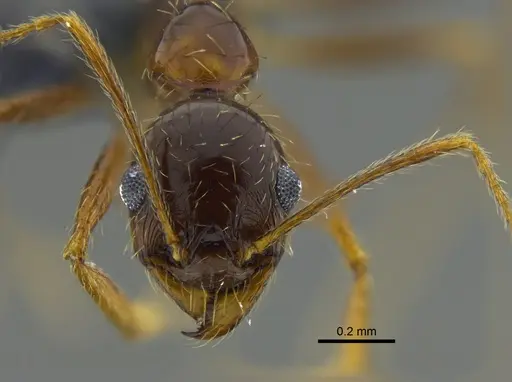
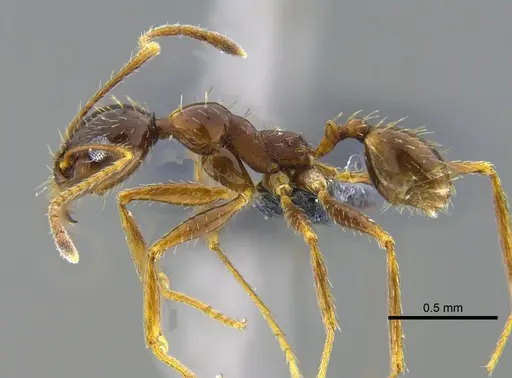
Pheidole praeusta is a striking Neotropical ant known for its remarkable trimorphic worker caste system, the first of its kind documented in South America. This species produces three distinct worker types: minor workers, soldiers, and super soldiers, each serving different roles within the colony. Majors and super soldiers feature massive, reddish-yellow heads with distinctive sculpturing, while minors are smaller at 0.47-0.61mm with smooth, shiny bodies and very long antennae [1]. The species is native to Colombia's Magdalena department and surrounding regions, where it inhabits tropical dry forests and has even been found in agricultural settings like orange crops [2]. What makes this species particularly fascinating is its unique nest architecture, the entrance is a convoluted slit surrounded by a raised earthen wall, creating a structure that resembles the calyx of a flower [1].
Quick Summary
- Difficulty: Medium
- Origin & Habitat: Colombia (Magdalena, Barranquilla, Aracataca, Santa Marta), with records also in Ecuador and Brazil. Inhabits tropical dry forest regions and agricultural areas [1][2].
- Colony Type: Likely monogyne (single queen colonies) based on typical Pheidole genus patterns. Colonies contain three worker castes: minor workers, soldiers, and super soldiers, a rare trimorphic system [1].
- Colony: Monogyne
- Founding: Claustral
- Size & Growth:
- Queen: Not directly measured, estimated at 8-10mm based on genus patterns
- Worker: Minor workers: 0.47-0.61mm head width, soldiers: 1.51-1.55mm, super soldiers: 2.17-2.46mm head width [1]
- Colony: Estimated moderate colony size, likely several hundred workers based on typical Pheidole patterns
- Growth: Moderate, colony development takes time due to multiple worker castes developing
- Development: 8-12 weeks estimated based on typical Pheidole genus development at tropical temperatures (Development timeline is estimated, minor workers appear first, with soldiers and super soldiers developing as colony matures)
- Antkeeping:
- Temperature: Keep at 24-28°C, this is a tropical species from Colombia requiring warm conditions. A heating cable on one side of the nest creates a suitable gradient.
- Humidity: Moderate to high humidity (60-80%). Keep the nest substrate consistently moist but not waterlogged. Provide a water source.
- Diapause: Unlikely required, as a tropical species, they probably do not need a true hibernation. However, a slight cooling period during winter months may be beneficial.
- Nesting: Y-tong (AAC) nests or plaster nests work well. This species prefers nesting in soil with their characteristic raised entrance structure, provide a deep soil chamber or substrate they can manipulate. Test tubes can work for founding colonies.
- Behavior: This species is generally non-aggressive toward keepers but soldiers will defend the colony vigorously if threatened. Minor workers forage for seeds and small insects while the larger castes focus on defense and seed processing. They are not known to be particularly escape-prone, but the small minor workers (under 1mm) mean escape prevention should still be taken seriously. The super soldiers with their massive heads are impressive defenders.
- Common Issues: slow colony growth due to trimorphic caste system, soldiers and super soldiers take longer to develop, small minor workers can escape through standard barrier setups, use fine mesh and tight-fitting lids, tropical humidity requirements can lead to mold if ventilation is poor, colonies may fail if kept too cool, maintain warm temperatures year-round, wild-caught colonies may carry parasites that affect captive success
Housing and Nest Setup
Pheidole praeusta does well in Y-tong (acrylic) nests or plaster formicariums that maintain humidity. For founding colonies, a standard test tube setup works well, fill it one-third with water stopped with a cotton ball, and place the queen in the humid chamber. As the colony grows to 50+ workers, consider moving to a larger nest. This species naturally builds distinctive nest entrances with raised earthen walls, so providing deep soil or a naturalistic setup allows them to exhibit this behavior. The nest should have chambers large enough for the impressive super soldiers to move through comfortably, their heads can reach 2.5mm in size. [1]
Feeding and Diet
Like other Pheidole species, P. praeusta is an omnivore with a strong preference for seeds. Offer a variety of seeds (millet, chia, flax, cracked sunflower seeds) as a staple food source. They also readily accept protein in the form of small insects like fruit flies, pinhead crickets, and mealworms. Sugar water or honey can be offered occasionally, though seeds should form the primary diet. Feed minor workers every 2-3 days, removing any uneaten prey after 24 hours to prevent mold. The large soldiers and super soldiers use their powerful mandibles to crack and process seeds for the colony.
Temperature and Seasonal Care
As a tropical species from Colombia, P. praeusta requires warm conditions year-round. Maintain temperatures between 24-28°C for optimal brood development. A heating cable placed on one side of the nest creates a temperature gradient allowing ants to self-regulate. Avoid temperatures below 20°C for extended periods. Unlike temperate species, this ant does not require a true hibernation diapause. However, a slight reduction in temperature during winter months (down to 22°C) mimics natural seasonal variation and may benefit colony health. Monitor colony activity, if workers become sluggish and cluster together, the colony may be too cold. [1]
The Trimorphic Caste System
One of the most fascinating aspects of Pheidole praeusta is its trimorphic worker system, the first documented in South America. The colony produces three distinct worker castes: minor workers (0.47-0.61mm head width) handle most foraging and nursing duties, soldiers (1.51-1.55mm) serve as defenders and seed processors, and super soldiers (2.17-2.46mm) represent an additional defensive caste with even larger heads [1]. This is unusual, most Pheidole species are dimorphic with only minors and soldiers. The super soldiers develop as the colony matures, and their massive heads filled with powerful muscles make them formidable defenders against predators. Watching these impressive soldiers emerge is one of the joys of keeping this species.
Unique Nest Architecture
In the wild, P. praeusta builds remarkable nest entrances that set it apart from most ants. The nest opening is a convoluted slit surrounded by a raised earthen wall, about 2cm high and 4-6cm in diameter, that curves outward toward the upper rim. Auguste Forel, who first described these nests in Colombia, noted they resemble 'the calyx of a large monopetalous flower' [1]. This is remarkably similar to the fortified nest entrances of some stingless bees (meliponine bees). While your captive colony won't build this structure in a formicarium, providing soil or a naturalistic setup allows them to express more natural behaviors. This unique architecture may help with ventilation, predator defense, or microclimate control.
Behavior and Colony Dynamics
This species shows typical Pheidole behavior, minor workers are active foragers that venture out searching for seeds and small prey, while the larger castes remain closer to the nest as defenders. When threatened, soldiers and super soldiers rush to the nest entrance to confront intruders with their powerful mandibles. The colony will establish clear foraging trails once established. Minor workers are small enough to potentially escape through standard barriers, so use fine mesh (at least 0.5mm) and check for gaps. The colony will expand brood production as it grows, eventually producing the impressive super soldiers that make this species so rewarding to keep.
Frequently Asked Questions
How long does it take for Pheidole praeusta to produce first workers?
Expect first workers (nanitics) to emerge in 6-8 weeks after the queen lays her first eggs, assuming temperatures around 26-28°C. This is typical for Pheidole species. The first batch will be minor workers. Soldiers and super soldiers appear later as the colony grows, typically after the colony reaches 100+ workers.
What do Pheidole praeusta ants eat?
They are omnivores with a seed-eating preference. Offer various seeds (millet, chia, cracked sunflower) as a staple. Supplement with small insects like fruit flies, pinhead crickets, or mealworms twice weekly. Occasional honey or sugar water is accepted but not required.
Can I keep multiple Pheidole praeusta queens together?
Not recommended. Like most Pheidole species, P. praeusta is likely monogyne (single queen). Combining unrelated queens typically results in fighting. If you obtain a colony, it should already have one established queen.
What temperature is best for Pheidole praeusta?
Keep them warm at 24-28°C. This tropical species requires consistent heat for proper brood development. Use a heating cable on one side of the nest to create a gradient, but avoid direct heat that could dry out the nest.
How big do Pheidole praeusta colonies get?
Colony size is estimated at several hundred workers based on related species. The trimorphic caste system means not all workers are the same size, the colony produces minors, soldiers, and super soldiers in proportions that change as the colony matures.
Are Pheidole praeusta good for beginners?
This species is rated as medium difficulty. While not the easiest species, it is manageable for intermediate antkeepers. The main challenges are maintaining warm tropical temperatures and providing appropriate seed-based nutrition. The impressive super soldiers make it a rewarding species for those willing to put in the effort.
Do Pheidole praeusta need hibernation?
No, as a tropical species from Colombia, they do not require true hibernation. However, a slight temperature reduction to around 22°C during winter months can mimic natural seasonal patterns and may benefit the colony.
When should I move my colony to a formicarium?
Move from a test tube to a larger nest (Y-tong or plaster formicarium) when the colony reaches 50-100 workers. Make sure the new nest has appropriately sized chambers, super soldiers can reach 2.5mm in head width, so avoid overly narrow tunnels.
Why are my super soldiers dying?
Super soldier mortality can occur if the colony is stressed, if temperatures are too low, or if humidity is inadequate. Ensure the nest is at 24-28°C with 60-80% humidity. Some super soldier loss is normal as the colony establishes its caste balance. However, significant die-offs may indicate underlying health issues.
References

This caresheet is licensed under CC BY-SA 4.0 .
CASENT0281752
View on AntWeb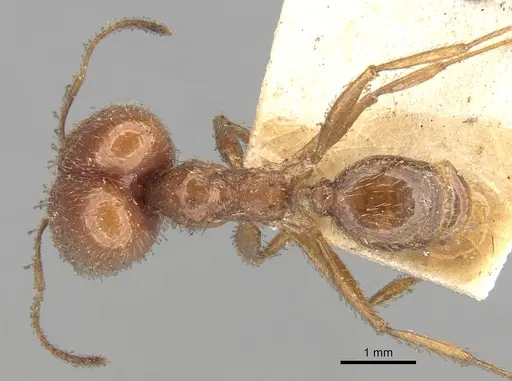
CASENT0281753
View on AntWeb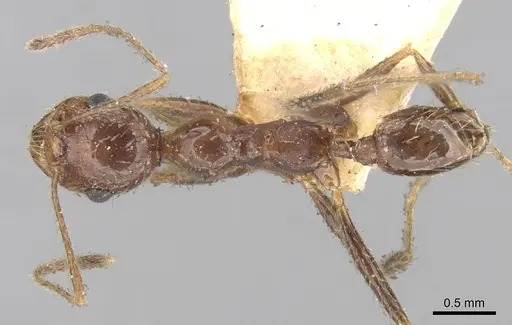
CASENT0908158
View on AntWeb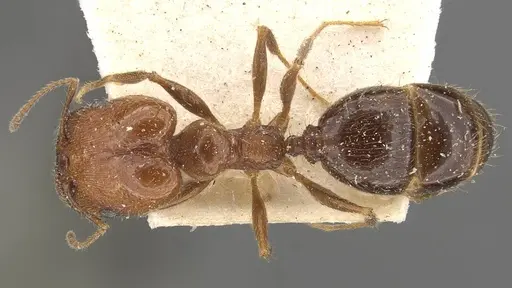
CASENT0908159
View on AntWeb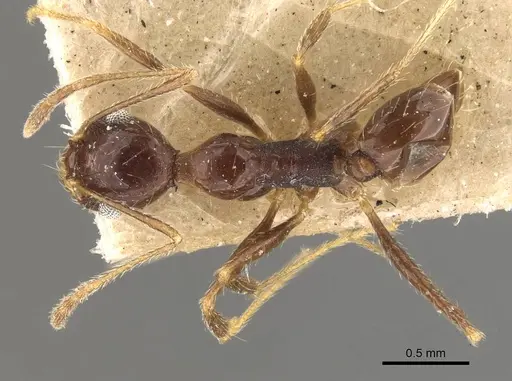
CASENT0915435
View on AntWeb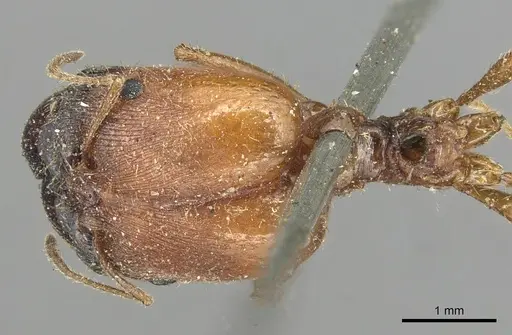
CBUMAGENT42035
View on AntWeb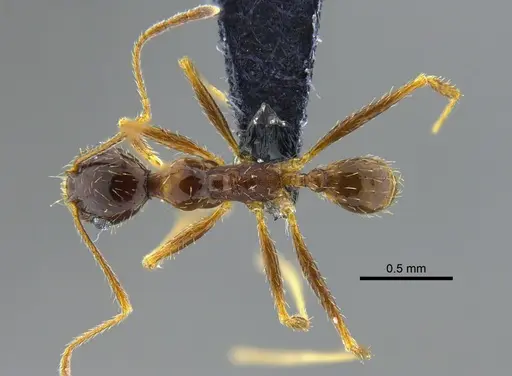
Literature
Loading...Loading products...