

Pheidole potosiana
- Scientific Name
- Pheidole potosiana
- Tribe
- Attini
- Subfamily
- Myrmicinae
- Author
- Wilson, 2003
- Distribution
- Found in 2 countries
Pheidole potosiana Overview
Pheidole potosiana is an ant species of the genus Pheidole. It is primarily documented in 2 countries , including Costa Rica, Mexico. Detailed taxonomic data and occurrence records can be further explored via authoritative databases such as AntWeb or the Global Biodiversity Information Facility (GBIF).
Pheidole potosiana
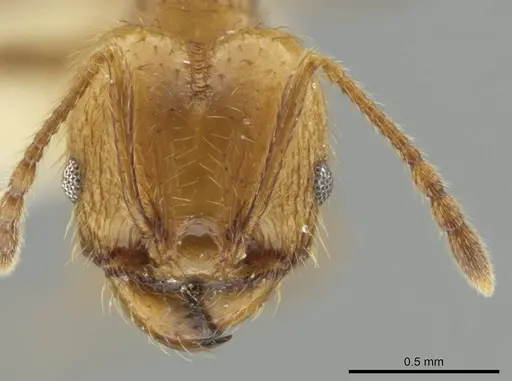
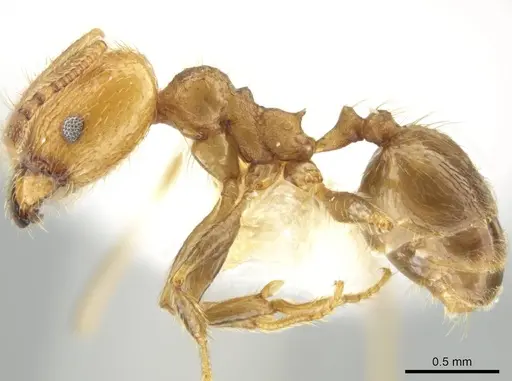
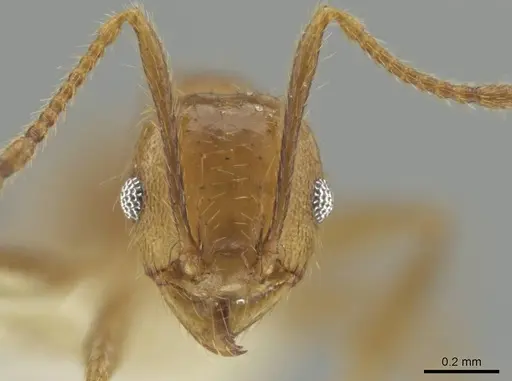
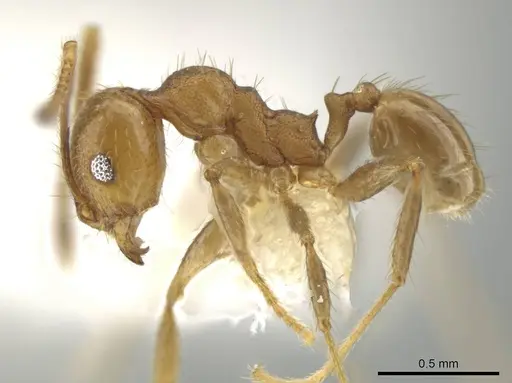
Pheidole potosiana is a small Neotropical ant belonging to the fallax group, native to wet and dry forests from southern Mexico to Costa Rica. These ants are famous for their dimorphic caste system, majors (soldiers) have notably larger heads than minors and feature a distinctive plush layer of short, velvety hairs covering their gaster, while the rest of the body has longer, sparser hairs. Major workers measure about 0.94mm head width, while minors are around 0.52mm. Their coloration ranges from reddish-yellow to medium brown depending on location. In the wild, they are primarily ground-foragers, almost always collected from bait on the forest floor, making them active scavengers and predators in their natural habitat [1][2].
Quick Summary
- Difficulty: Medium
- Origin & Habitat: Southern Mexico to Costa Rica, wet to dry forest habitats. In the wild, they forage on the forest floor and are commonly attracted to bait [1][2].
- Colony Type: Likely single-queen (monogyne) colonies based on typical Pheidole patterns. Colony size is unknown but likely reaches several hundred to a few thousand workers given the genus typical size.
- Colony: Monogyne
- Founding: Claustral
- Size & Growth:
- Queen: Approximately 5-6mm estimated (typical for Pheidole)
- Worker: Major: 0.94mm HW, Minor: 0.52mm HW
- Colony: Estimated several hundred to a few thousand workers based on genus patterns
- Growth: Moderate, typical for tropical Pheidole
- Development: 6-10 weeks at tropical temperatures (estimated based on related Pheidole species) (Development time is estimated from genus-level data since species-specific timing is unconfirmed)
- Antkeeping:
- Temperature: Keep at 24-28°C. Being tropical, they need warm conditions year-round. A heating cable on one side of the nest creates a suitable gradient.
- Humidity: Moderate to high humidity (60-80%). These forest-floor ants prefer damp substrate but not waterlogged conditions. Keep the nest substrate moist but allow some drying between waterings.
- Diapause: No, as a tropical species, they do not require hibernation. Keep them warm year-round.
- Nesting: Y-tong (AAC) or plaster nests work well. They prefer tight chambers scaled to their size. A naturalistic setup with soil substrate also works since they naturally nest in forest floor environments.
- Behavior: Active foragers that readily scavenge for protein and sugar. Majors can defend the colony but overall temperament is manageable. They are not aggressive toward keepers but will defend if threatened. Escape risk is moderate, use standard barriers but they are not particularly escape-prone like tiny species. They are primarily nocturnal or crepuscular foragers based on their bait-collection patterns in the wild.
- Common Issues: tropical species requires consistent warmth, cold drafts can stress or kill colonies, colonies may be slow to establish initially, patience is needed during founding phase, overfeeding can lead to mold problems in enclosed nests, wild-caught colonies may carry parasites that affect captive survival, major workers are not true soldiers, they help with food processing but colony defense is limited compared to some Pheidole
Housing and Nest Setup
Pheidole potosiana does well in Y-tong (AAC) nests, plaster nests, or naturalistic setups with soil. Since they are forest-floor ants, they prefer some depth to the substrate. Use chambers scaled to their size, minors are tiny at 0.52mm head width, but majors are chunkier at 0.94mm. A hydration system that keeps part of the nest moist while allowing drier areas works best. Outworld space should include areas for foraging. Use standard escape prevention (Fluon on rim edges), while not tiny, they are small enough to exploit gaps.
Feeding and Diet
Like most Pheidole, these ants are omnivorous scavengers. In captivity, offer protein sources like small insects (fruit flies, small crickets, mealworms), and sugar sources like honey water or sugar water. They readily come to bait in the wild, so they are not picky eaters. Feed protein 2-3 times per week and keep sugar water available at all times. Remove uneaten prey after 24-48 hours to prevent mold.
Temperature and Seasonal Care
As a tropical species from southern Mexico to Costa Rica, Pheidole potosiana needs warm conditions year-round. Keep the nest at 24-28°C. A heating cable on one side of the nest creates a temperature gradient that lets ants choose their preferred zone. Avoid temperatures below 20°C for extended periods. No hibernation or diapause is required, maintain warm conditions throughout the year. Room temperature in heated homes is often suitable, but monitor with a thermometer.
Colony Development and Growth
Pheidole colonies grow through their distinctive caste system. The queen produces both major and minor workers. Majors develop from larvae that receive more food, they have specialized roles in food processing and colony defense. Expect slow initial growth during founding (queen alone raises first workers), then moderate growth once the first nanitic workers emerge. Full colony development to several hundred workers may take 1-2 years under optimal conditions. The distinctive velvety gaster pilosity that separates this species from relatives becomes more visible as majors develop.
Behavior and Observation
These ants are primarily ground-foragers, most active at night or during crepuscular hours in the wild. They readily discover and recruit to food sources. The majors (soldiers) have enlarged heads but are not aggressive, they primarily help process large food items. Minors handle most foraging and brood care. Watching majors and minors work together to process prey is one of the joys of keeping this species. They are not skittish and can be observed during active foraging periods.
Frequently Asked Questions
How long does it take for Pheidole potosiana to produce first workers?
Expect first workers (nanitics) in 6-10 weeks after the queen lays eggs, assuming temperatures around 24-28°C. This is estimated from related Pheidole species since specific development timing for this species is unconfirmed.
What do Pheidole potosiana ants eat?
They are omnivorous. Offer small insects (fruit flies, pinhead crickets, mealworms) as protein 2-3 times per week, and keep sugar water or honey available at all times. They readily accept both protein and sugar sources.
Do Pheidole potosiana ants need hibernation?
No. As a tropical species from Mexico and Costa Rica, they do not require hibernation. Keep them warm year-round at 24-28°C.
How big do Pheidole potosiana colonies get?
Colony size is not documented specifically, but based on typical Pheidole patterns, colonies likely reach several hundred to a few thousand workers over 1-2 years.
Are Pheidole potosiana ants good for beginners?
They are moderate difficulty. They require warm, humid conditions and are slower to establish than some common species. Their small size and tropical requirements make them better suited for keepers with some experience.
Can I keep multiple Pheidole potosiana queens together?
This species is likely monogyne (single queen) based on typical Pheidole behavior. Combining unrelated queens is not recommended as they would likely fight. A single established queen colony is the standard approach.
What makes Pheidole potosiana different from other Pheidole?
They belong to the fallax group and have a distinctive velvety appearance on the gaster (abdomen) due to short, plush hairs. This feature separates them from many related species that have more uniform pilosity across their body.
When should I move Pheidole potosiana to a formicarium?
Keep them in a founding setup (test tube or small container) until the colony reaches 30-50 workers. Once the colony is established and growing, you can move them to a larger nest. They do well in Y-tong or plaster nests.
Why are my Pheidole potosiana dying?
Common causes include: temperatures below 20°C (tropical species are cold-sensitive), too dry or too wet substrate, mold from overfeeding, or stress from excessive disturbance. Check temperature and humidity first. Also ensure they are not being exposed to drafts or air conditioning.
References

This caresheet is licensed under CC BY-SA 4.0 .
CASENT0609503
View on AntWeb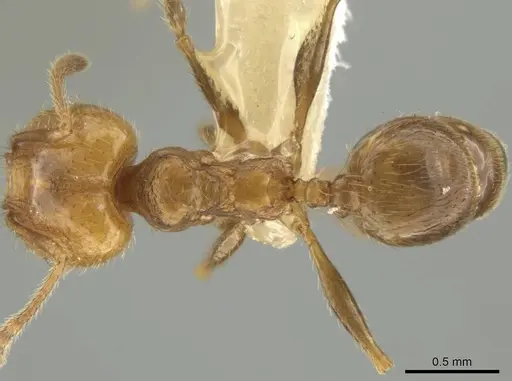
CASENT0609506
View on AntWeb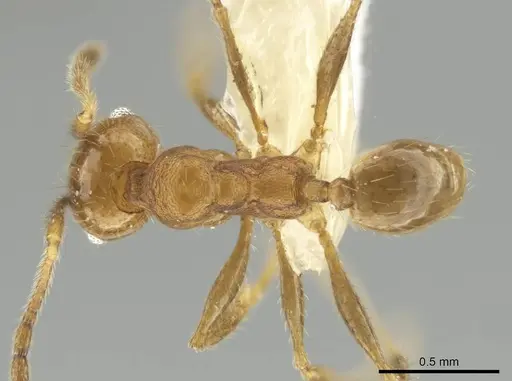
Literature
Loading...Loading products...