

Pheidole portalensis
- Scientific Name
- Pheidole portalensis
- Tribe
- Attini
- Subfamily
- Myrmicinae
- Author
- Wilson, 2003
- Distribution
- Found in 2 countries
Pheidole portalensis Overview
Pheidole portalensis is an ant species of the genus Pheidole. It is primarily documented in 2 countries , including Mexico, United States of America. Detailed taxonomic data and occurrence records can be further explored via authoritative databases such as AntWeb or the Global Biodiversity Information Facility (GBIF).
Pheidole portalensis
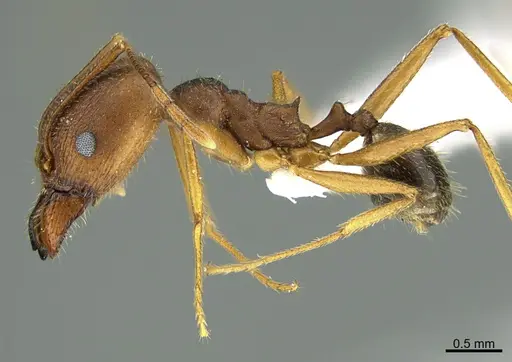
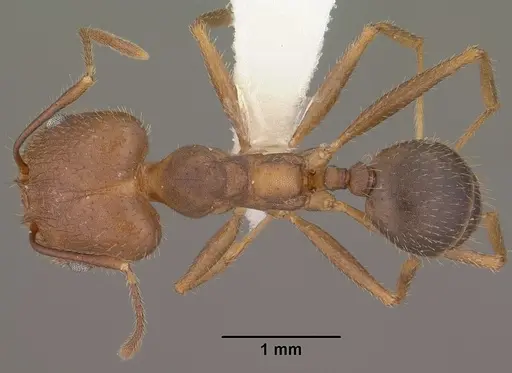
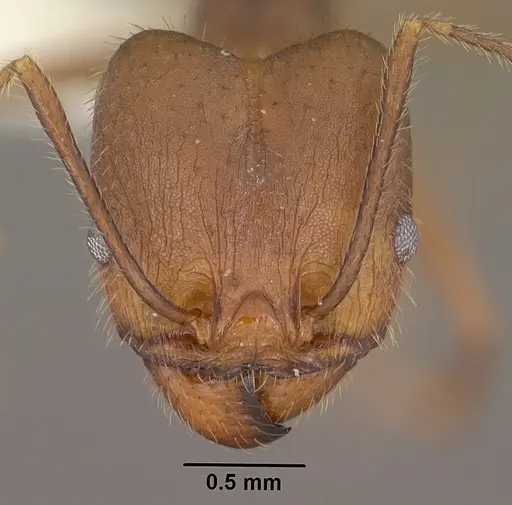
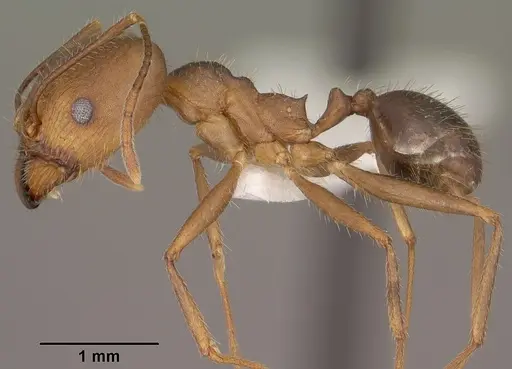
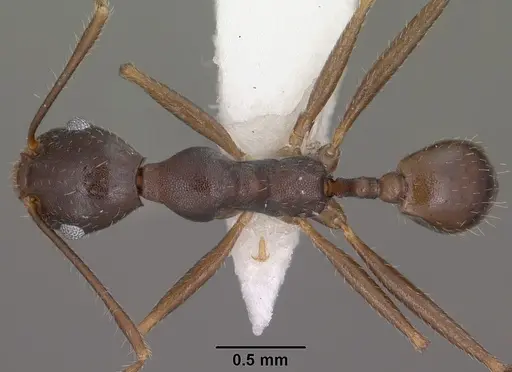
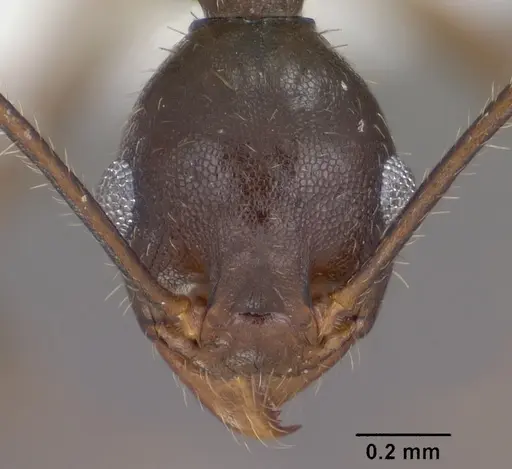
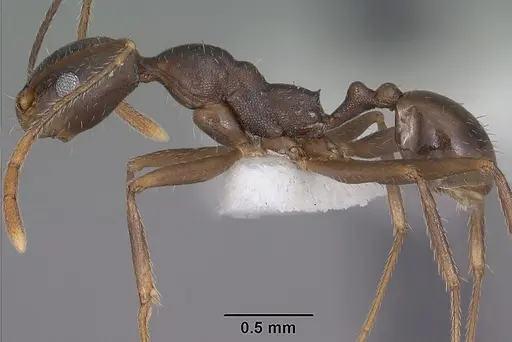
Pheidole portalensis is a dimorphic ant species native to the mountains of southern Arizona and northern Mexico. This species belongs to the fallax group and features two distinct worker castes: large majors with powerful mandibles and smaller minors that handle most foraging tasks. Majors measure around 1.4mm head width while minors are approximately 0.74mm. The body is light reddish brown with a medium brown gaster, and the entire surface has a distinctive foveolate (pitted) and opaque texture [1].
This species is uniquely adapted to life on rock faces. It nests in cracks and crevices on rock walls at elevations between 1100 and 1800 meters. Colonies typically contain several hundred workers. Minor workers forage individually on rock surfaces and use recruitment to summon nestmates when they discover good food sources. This rock-dwelling lifestyle makes them a fascinating species for keepers interested in naturalistic setups [1].
Quick Summary
- Difficulty: Medium
- Origin & Habitat: Mountainous regions of southern Arizona (Santa Catalinas to Pajaritos) and northern Mexico (Sonora). Found at elevations 1100-1800m, nesting in cracks on rock walls [1][2].
- Colony Type: Likely monogyne (single queen colony). Pheidole species typically have one founding queen that establishes a colony alone.
- Colony: Monogyne
- Founding: Claustral
- Size & Growth:
- Queen: Approximately 6-8mm (estimated based on genus Pheidole patterns)
- Worker: Major: 1.4mm HW, Minor: 0.74mm HW [1]
- Colony: Several hundred workers [1]
- Growth: Moderate, Pheidole colonies grow steadily but not rapidly
- Development: 6-8 weeks (estimated based on typical Pheidole development at warm temperatures) (Development time varies with temperature, warmer conditions within safe range speeds development)
- Antkeeping:
- Temperature: Keep at 22-26°C. These mountain-dwelling ants prefer cooler conditions than lowland tropical species. Avoid overheating, they naturally occur at higher elevations where temperatures are moderate [1].
- Humidity: Low to moderate. Rock wall habitat suggests they prefer drier conditions. Provide some moisture but ensure good ventilation to prevent mold. The nest area should have a moisture gradient so ants can choose their preferred humidity [1].
- Diapause: Yes, given their Arizona mountain habitat, they likely experience a winter dormancy period. Reduce temperature to 10-15°C for 2-3 months during winter [1].
- Nesting: Provide a naturalistic setup with rock structures or tight crevices. Y-tong nests with narrow chambers work well, or a formicarium with slate/rock pieces. They prefer tight spaces and will not use large open chambers. Ensure dark nesting areas as they naturally nest in rock crevices [1].
- Behavior: Minor workers forage individually and recruit nestmates to food sources using chemical trails. They are not particularly aggressive but will defend the colony if threatened. Major workers have large mandibles used for seed processing and defense. Escape risk is moderate, use standard barrier methods but they are not known escape artists like some tiny Camponotus species [1].
- Common Issues: colonies may stagnate if temperatures are too high, keep them cooler than typical tropical ants, mold can be an issue if humidity is too high, ensure good ventilation, foundating queens often fail if disturbed, provide quiet, dark conditions during claustral founding, colonies grow slowly compared to some species, patience is required, wild-caught colonies may have parasites that cause problems in captivity
Housing and Nest Setup
Pheidole portalensis requires careful attention to their natural rock-dwelling habitat. In captivity, they do best in naturalistic setups that mimic rock crevices. You can use a Y-tong (acrylic) nest with narrow chambers, or create a hybrid setup with a formicarium containing flat stones or slate pieces that create tight crevices. The chambers should be relatively small, these ants prefer cozy spaces rather than large open areas. Place the nest in a quiet location with minimal vibration, as disturbing a founding colony can cause queen abandonment of brood. The outworld should include some rock surfaces or textured materials that allow minor workers to forage naturally. Keep the entire setup away from direct sunlight and drafts. [1]
Feeding and Diet
Like most Pheidole species, these ants are omnivorous with a preference for protein. In captivity, offer protein sources such as small insects (fruit flies, pinhead crickets, mealworms), and provide sugar water, honey, or diluted sugar syrup as an energy source. Minor workers will forage individually and recruit others when they find good food. You may observe the classic Pheidole behavior where majors process larger prey items while minors handle recruitment. Feed protein 2-3 times per week, and keep a sugar source available at all times. Remove uneaten prey after 24-48 hours to prevent mold. Some keepers report that Pheidole portalensis accepts seeds, which is common for the genus, you can occasionally offer small seeds as enrichment. [1]
Temperature and Seasonal Care
These mountain-dwelling ants prefer cooler temperatures than many common ant species. Maintain temperatures between 22-26°C during the active season. Because they naturally live at elevations of 1100-1800m in Arizona, they are adapted to moderate temperatures and will do poorly in hot conditions. Avoid placing the nest near heat sources that could cause overheating. During winter, simulate their natural seasonal cycle by providing a diapause period. Reduce temperatures to 10-15°C for 2-3 months, typically from late fall through early spring. Reduce feeding during this period but ensure some moisture remains available. This winter rest is important for colony health and may trigger reproductive behavior in the spring. [1]
Colony Development and Growth
Pheidole portalensis colonies grow at a moderate pace compared to some faster-growing genera like Solenopsis or Tapinoma. A newly mated queen will seal herself in a claustral chamber and lay eggs after 1-2 weeks. The first brood develops over 6-8 weeks at optimal temperatures, producing nanitic (first) workers that are smaller than normal minors. These initial workers begin foraging and caring for subsequent brood. Colony growth accelerates as more workers emerge, but you should not expect rapid expansion, Pheidole colonies typically reach several hundred workers over 1-2 years. The presence of major workers (soldiers) typically appears once the colony reaches several dozen workers. Major production is triggered by colony needs and resource availability. Be patient with these ants, they are not fast growers but can live for many years once established. [1]
Behavior and Observation
One of the most interesting aspects of keeping Pheidole portalensis is observing their dimorphic caste system. Minor workers handle most daily tasks: foraging, caring for brood, and maintaining the nest. Major workers have enlarged heads and powerful mandibles, they serve as defenders and can process larger food items. You will often see minors foraging individually on surfaces, then returning to recruit nestmates by laying chemical trails. When a good food source is discovered, you may observe a trail of workers following the pheromone path. This recruitment behavior is fascinating to watch and demonstrates their sophisticated communication. The species is not particularly aggressive toward keepers, but majors will defend if the nest is threatened. They are diurnal and most active during daylight hours. [1]
Frequently Asked Questions
How long does it take for Pheidole portalensis to produce first workers?
Expect first workers (nanitics) to emerge 6-8 weeks after the queen lays eggs, assuming temperatures around 24-26°C. This is typical for Pheidole species. The queen will remain sealed in her chamber during this time, living off her stored fat reserves.
What temperature do Pheidole portalensis ants need?
Keep them at 22-26°C during the active season. These mountain-dwelling ants prefer cooler conditions than tropical species. Avoid temperatures above 28°C, which can stress or kill the colony. A slight temperature gradient in the nest allows ants to choose their preferred zone.
Do Pheidole portalensis ants need hibernation?
Yes, they benefit from a winter dormancy period. Reduce temperatures to 10-15°C for 2-3 months during winter (typically November through February in the Northern Hemisphere). This mimics their natural seasonal cycle in the Arizona mountains and helps maintain colony health.
How big do Pheidole portalensis colonies get?
Wild colonies contain several hundred workers. In captivity, expect colonies to reach similar sizes over 1-2 years with good care. They are not supercolonies but can become substantial.
What do Pheidole portalensis ants eat?
They are omnivorous. Offer protein sources like small insects (fruit flies, pinhead crickets, mealworms) 2-3 times per week, and keep a sugar source available constantly (sugar water, honey, or diluted syrup). Some keepers also offer small seeds occasionally.
Are Pheidole portalensis good for beginners?
They are moderate difficulty, not the easiest but not difficult either. The main challenges are providing proper rock-dwelling habitat, maintaining cooler temperatures, and being patient with their moderate growth rate. They are more challenging than species like Lasius or Messor but easier than many tropical species.
Can I keep multiple Pheidole portalensis queens together?
Pheidole species are typically monogyne (single queen). Combining unrelated queens is not recommended as they will likely fight. Only keep one queen per colony setup.
When should I move Pheidole portalensis to a formicarium?
Wait until the colony has at least 30-50 workers before moving to a formicarium. They do well in test tubes for the founding stage and early growth. Once the colony is established with a decent worker count, you can transfer to a naturalistic setup with rock structures.
Why are my Pheidole portalensis dying?
Common causes include: temperatures too high (keep below 28°C), excessive humidity causing mold, disturbing the queen during founding, or poor nutrition. Also check for parasites. Review your temperature, humidity, and feeding schedule. Ensure the colony is in a quiet location with minimal disturbance.
References

This caresheet is licensed under CC BY-SA 4.0 .
Literature
Loading...Loading products...