

Pheidole porcula
- Scientific Name
- Pheidole porcula
- Tribe
- Attini
- Subfamily
- Myrmicinae
- Author
- Wheeler, 1908
- Distribution
- Found in 2 countries
Pheidole porcula Overview
Pheidole porcula is an ant species of the genus Pheidole. It is primarily documented in 2 countries , including Mexico, United States of America. Detailed taxonomic data and occurrence records can be further explored via authoritative databases such as AntWeb or the Global Biodiversity Information Facility (GBIF).
Pheidole porcula
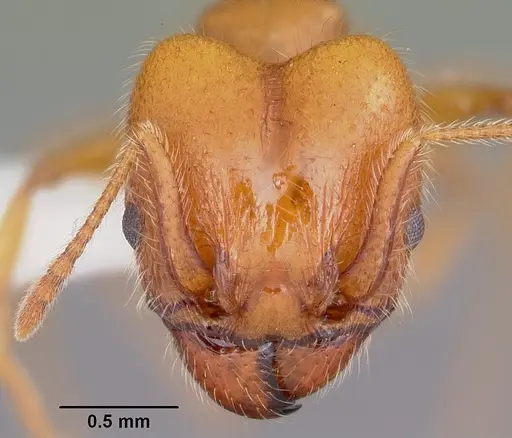
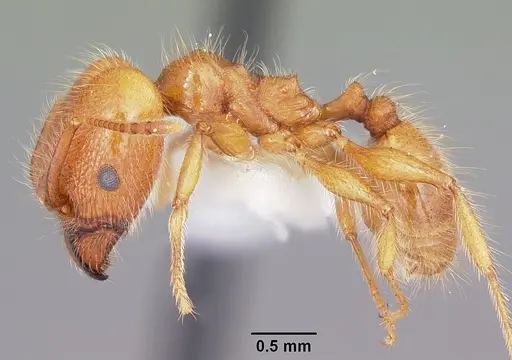
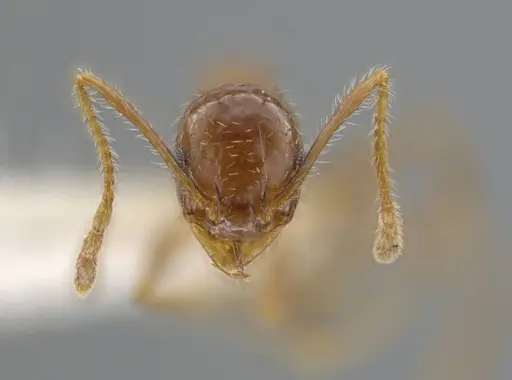
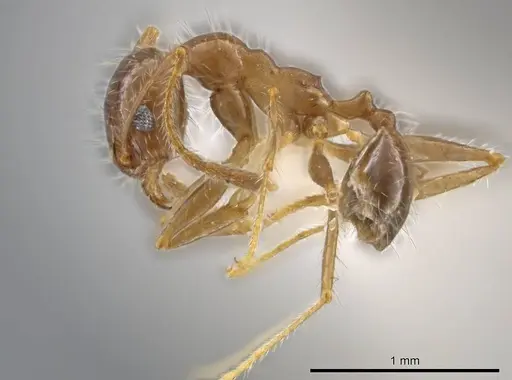
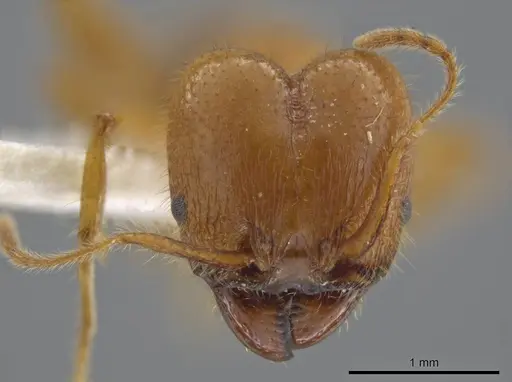
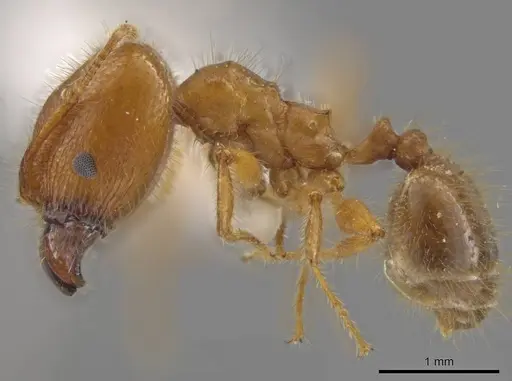
Pheidole porcula is a small but striking ant species native to the American Southwest. The major workers have a distinctive appearance, they're bright yellow with an unusually shaped antenna that widens near the base and narrows toward the tip, almost like a tiny paddle. The minors are lighter reddish-brown. This species belongs to the crassicornis group and reaches about 1.6mm for majors and 0.6mm for minors. They nest in semi-arid habitats across western Texas and into northern Mexico, typically under stones, logs, or in rocky soil [1].
These ants are known for being quite feisty when their nest is disturbed, both the smaller workers and especially the large majors will bite to defend their colony. They're a classic example of the Pheidole genus, which is famous for having two distinct worker castes: tiny minor workers that handle most daily tasks, and bulky major workers that serve as soldiers and seed processors. This species has been found nesting from near sea level up to 1700 meters in elevation, showing they can adapt to various conditions within their range.
Quick Summary
- Difficulty: Easy
- Origin & Habitat: Western Texas and northern Mexico (Chihuahua, Coahuila). Found in semi-arid habitats including grasslands, cypress-oak forests, and rocky areas up to 1450m elevation [1][2].
- Colony Type: Single-queen colonies (monogyne). Pheidole species typically have one queen per colony, though some related species can have multiple.
- Colony: Monogyne
- Founding: Claustral
- Size & Growth:
- Queen: Approximately 6-8mm (estimated based on genus Pheidole patterns)
- Worker: Major: 1.58mm head width, Minor: 0.60mm head width
- Colony: Likely several hundred workers based on typical Pheidole colony sizes
- Growth: Moderate, Pheidole species typically grow at a moderate pace
- Development: 6-8 weeks (estimated based on typical Pheidole development at room temperature) (Development time is estimated from genus-level data since specific timing for P. porcula has not been studied)
- Antkeeping:
- Temperature: Keep at room temperature, roughly 20-26°C. They tolerate the typical temperature range of western Texas, from cool nights to warm days. A slight gradient is beneficial but not required.
- Humidity: Low to moderate. These ants come from semi-arid habitats, so keep the nest substrate moderately dry. A small water tube is sufficient, avoid over-wetting the substrate.
- Diapause: Yes, western Texas ants experience winter. Keep them in a cool location (around 10-15°C) for 2-3 months during winter months, mimicking their natural seasonal cycle.
- Nesting: They naturally nest under stones and in rocky soil. In captivity, a Y-tong (AAC) nest or plaster nest works well. Provide a small outworld for foraging. They do well in relatively dry conditions compared to many ants.
- Behavior: Pheidole porcula is defensive when threatened, majors will bite and minors swarm to defend the colony. They're active foragers that search for seeds and small insects. Escape risk is moderate since majors are about 1.6mm, but use standard barrier methods. They're not aggressive toward keepers unless the nest is disturbed.
- Common Issues: colonies may be defensive during inspections, work carefully and use minimal disturbance, major workers are large-headed and can be clumsy in narrow setups, semi-arid species, overwatering the nest can cause mold problems, winter dormancy is required for long-term colony health, wild-caught colonies may have parasites, quarantine and observe new colonies
Nest Preferences
In the wild, Pheidole porcula nests under stones, logs, cow dung, and pieces of metal debris, as well as in open soil. They prefer clayey, rocky loam soil and are often found in semi-arid habitats with good drainage. For captive care, a Y-tong (acrylic) nest or plaster nest works well. These ants do not need high humidity, keep the nest material relatively dry. A small water tube for drinking is sufficient. Since they nest under objects in the wild, providing a flat stone or similar cover over part of the nesting area can help them feel secure. Avoid overly moist conditions that can lead to mold. [2][1]
Feeding and Diet
Pheidole species are generalist foragers that collect seeds and small insects. In captivity, offer a varied diet: protein sources like small crickets, mealworms, or other feeder insects twice weekly. They also readily accept sugar water, honey, or diluted syrup as an energy source. Seeds can be offered as enrichment, the major workers are specially adapted to process seeds with their large heads. Remove uneaten prey after 24-48 hours to prevent mold. A constant sugar source is recommended for active foragers like this species. [1]
Temperature and Seasonal Care
These ants come from western Texas and northern Mexico, where temperatures fluctuate significantly between seasons. Keep them at room temperature (20-26°C) year-round, with a slight gradient if possible. During winter, they benefit from a cool period around 10-15°C for 2-3 months, this mimics their natural dormancy and helps maintain colony health. Do not keep them warm continuously without a winter rest period. They tolerate dry conditions well, so avoid humid setups. Room temperature is typically suitable for this species. [1]
Behavior and Defense
When their nest is disturbed, Pheidole porcula becomes aggressive. Both minor and major workers will bite to defend the colony, with majors being particularly effective due to their large heads and strong mandibles. This is typical Pheidole behavior, they're not dangerous to humans but the bites can be noticeable. When working with this species, move slowly and minimize nest disturbances. They're active foragers that will readily explore the outworld for food. Major workers are larger and more conspicuous than minors, giving the colony a distinctive appearance when they're out and about. [1]
Colony Growth and Development
Pheidole colonies grow through a typical pattern: the claustral queen seals herself in a chamber and raises the first brood using stored energy. These first workers (nanitics) are smaller than normal workers. Once the first workers emerge, the queen focuses on egg-laying while workers expand the nest and forage for food. Colony growth is moderate, expect several months before you see significant numbers. The colony will develop two distinct worker castes: minor workers handle most tasks while major workers (soldiers) specialize in defense and seed processing. A healthy colony can reach several hundred workers over time. [1]
Frequently Asked Questions
Is Pheidole porcula good for beginners?
Yes, this species is beginner-friendly. They're hardy, tolerate a range of conditions, and don't require high humidity. The main consideration is their defensive behavior, they will bite when disturbed, so handle them with care. Their modest colony size and simple care requirements make them a good choice for new antkeepers.
How long does it take for Pheidole porcula to produce first workers?
Expect 6-8 weeks from founding to first workers emerging. This is typical for Pheidole species at room temperature. The queen will lay eggs, which develop through larval and pupal stages before emerging as workers. Once the first workers (nanitics) arrive, the colony enters a growth phase.
What do I feed Pheidole porcula?
Offer a mixed diet: protein (small insects like crickets, mealworms) twice weekly, plus a constant sugar source (sugar water, honey, or diluted syrup). They also accept seeds, which major workers can process with their large mandibles. Remove uneaten food promptly.
Do Pheidole porcula need hibernation?
Yes, they benefit from a winter rest period. Keep them cool (10-15°C) for 2-3 months during winter. This mimics their natural cycle in western Texas and helps maintain colony health long-term.
What humidity level does Pheidole porcula need?
Low to moderate humidity. These are semi-arid ants from western Texas. Keep the nest relatively dry, a small water tube is sufficient. Avoid over-wetting the substrate, which can cause mold problems.
Can I keep multiple Pheidole porcula queens together?
No, this species is monogyne, they have single-queen colonies. Unlike some Pheidole species, they don't form multi-queen colonies. Only keep one queen per colony.
What size colony does Pheidole porcula reach?
Colonies typically reach several hundred workers. This is moderate for the genus, they're not among the largest Pheidole species but can still form substantial colonies over time.
What nest type is best for Pheidole porcula?
A Y-tong (AAC) nest or plaster nest works well. They prefer relatively dry conditions, so avoid setups that retain moisture. Provide a small outworld for foraging. They naturally nest under stones, so some keepers add a flat cover over part of the nest area.
Are Pheidole porcula aggressive?
Yes, they're defensive when their nest is threatened. Workers and especially majors will bite to defend the colony. They're not aggressive toward keepers outside the nest, but expect a defensive response during inspections or nest disturbances.
References

This caresheet is licensed under CC BY-SA 4.0 .
CASENT0104783
View on AntWeb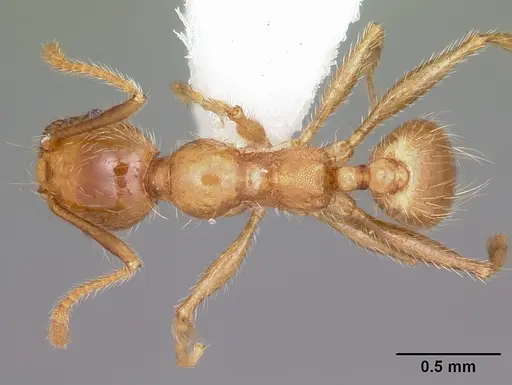
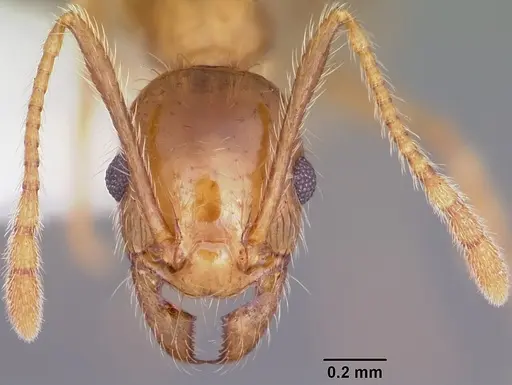
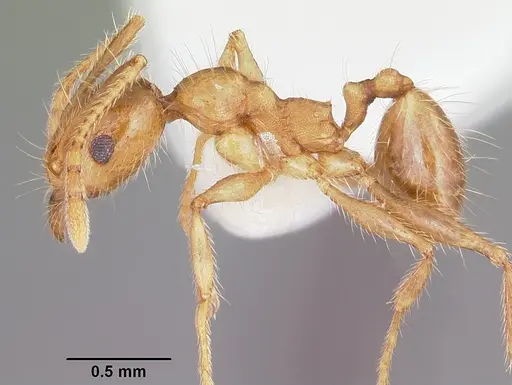
CASENT0104784
View on AntWeb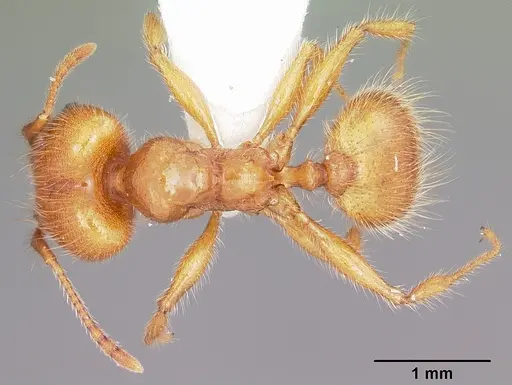
CASENT0636790
View on AntWeb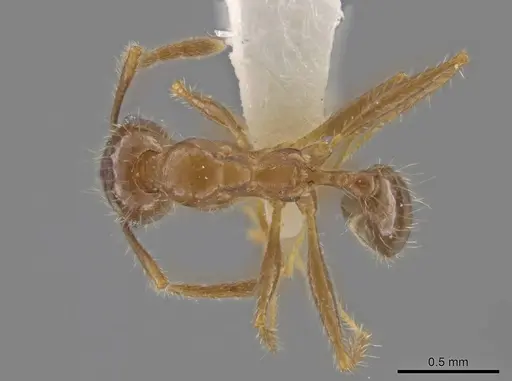
JTLC000013741
View on AntWeb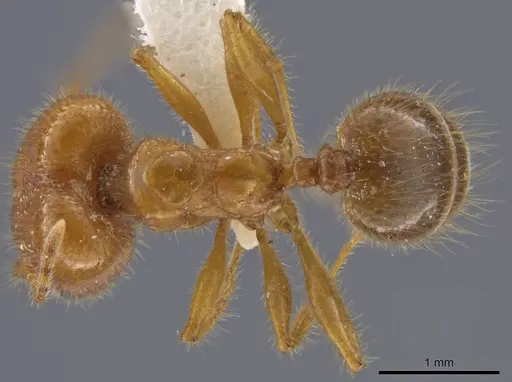
Literature
Loading...Loading products...