

Pheidole plebecula
- Scientific Name
- Pheidole plebecula
- Tribe
- Attini
- Subfamily
- Myrmicinae
- Author
- Forel, 1899
- Distribution
- Found in 6 countries
Pheidole plebecula Overview
Pheidole plebecula is an ant species of the genus Pheidole. It is primarily documented in 6 countries , including Costa Rica, French Guiana, Guatemala. Detailed taxonomic data and occurrence records can be further explored via authoritative databases such as AntWeb or the Global Biodiversity Information Facility (GBIF).
Pheidole plebecula
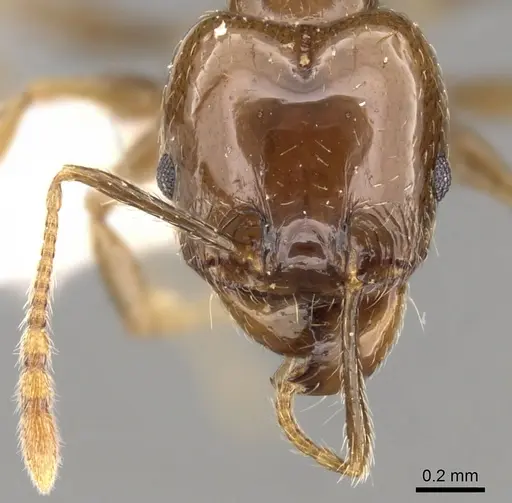
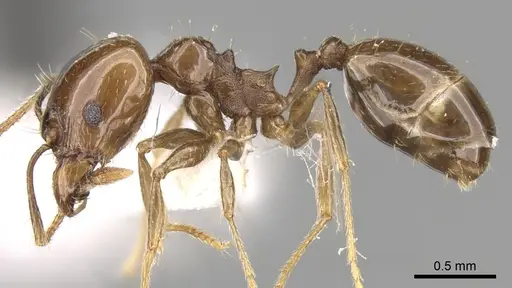
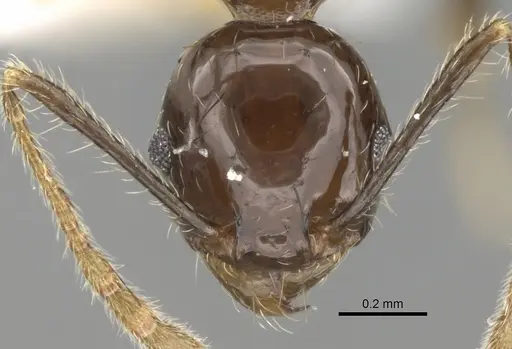
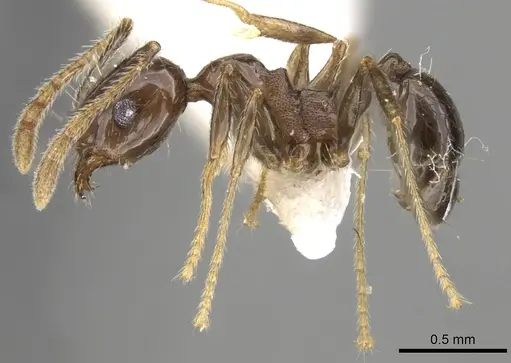
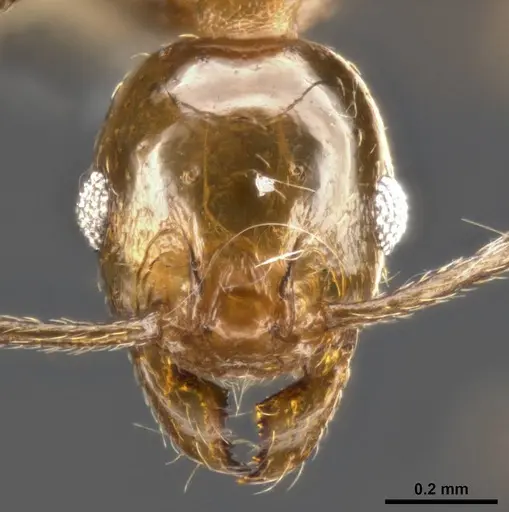
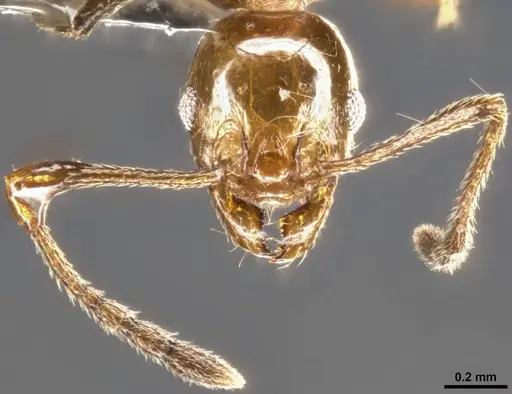
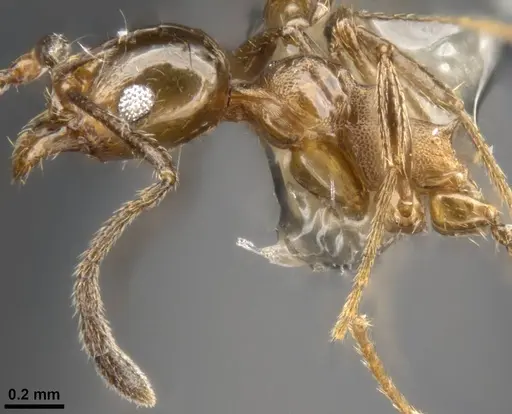
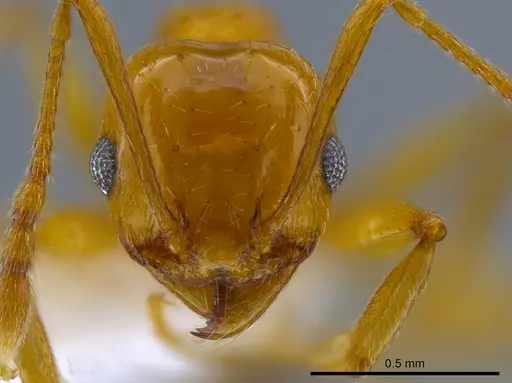
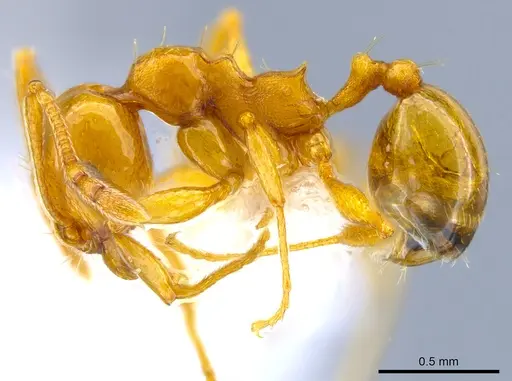
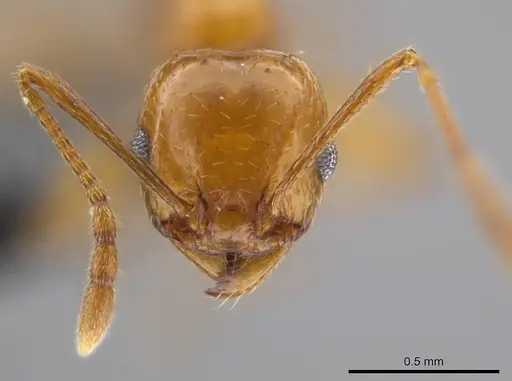
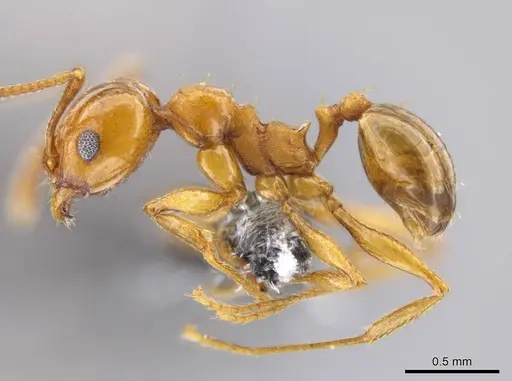
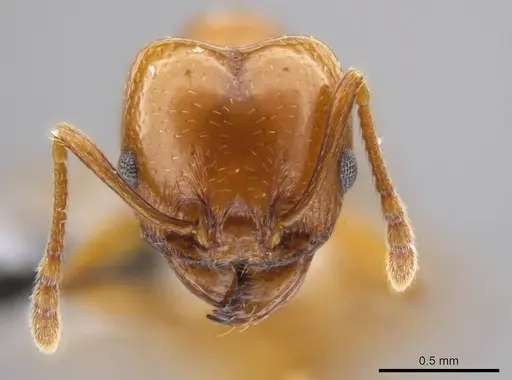
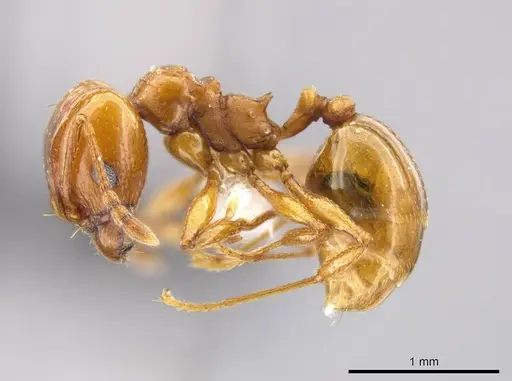
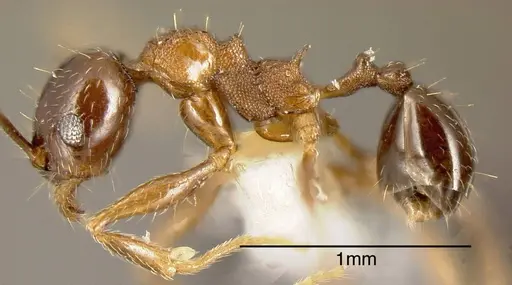
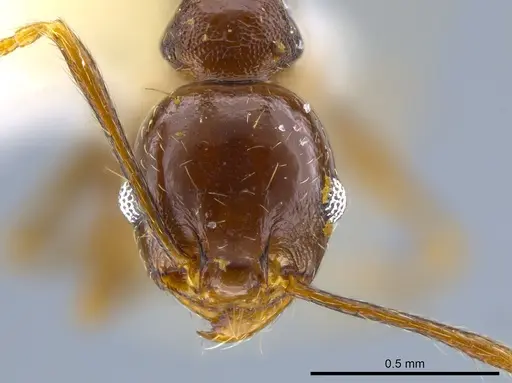
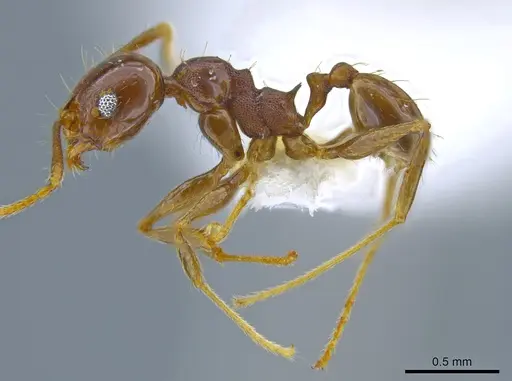
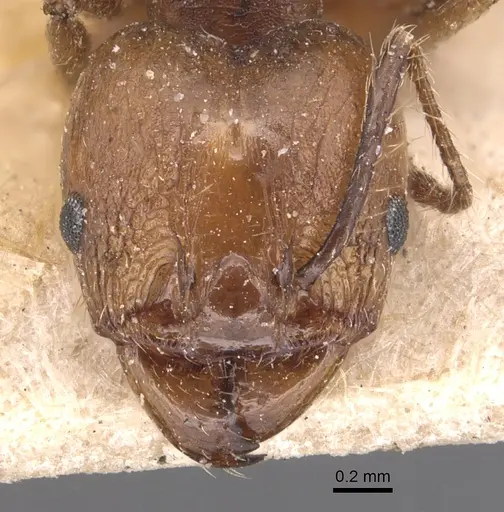
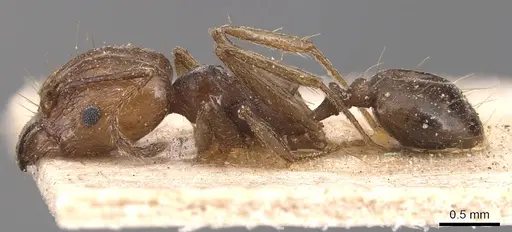
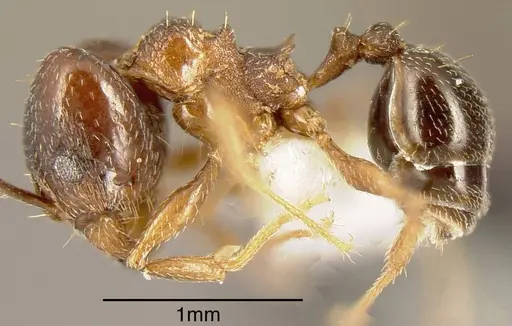
Pheidole plebecula is a small but striking ant species native to the wet forests of Central America, ranging from southern Mexico through Costa Rica to Panama, with populations also in Honduras, Nicaragua, and French Guiana [1][2]. The species is easily recognized by its pronounced major workers, which have a bicolored appearance with a light brown head, mesosoma, and legs contrasting against a dark brown gaster, while minor workers are darker overall with blackish brown head and gaster [1]. A distinctive feature of this species is the very high mesosomal convexity, the middle body section arches dramatically when viewed from the side, giving the workers a hunched appearance [1].
What makes P. plebecula particularly interesting for antkeepers is its highly social foraging behavior. These ants readily recruit nestmates to food sources, and you'll often see both major and minor workers working together at baits, the larger majors help process and carry food back to the nest while minors do the heavy lifting of recruitment [1]. This division of labor, called caste polymorphism, makes them fascinating to watch. The species also shows remarkable color variation across its range, with populations ranging from yellow-orange to dark brown, even within the same region [1].
Quick Summary
- Difficulty: Medium
- Origin & Habitat: Wet forest habitats in Central America, from southern Mexico through Costa Rica to Panama, with populations also in Honduras, Nicaragua, and French Guiana. Found in primary rainforest, commonly on the ground and low vegetation [1][2][3].
- Colony Type: Monogyne, colonies contain a single queen. The two nests that have been excavated both contained single queens [1][2].
- Colony: Monogyne
- Founding: Claustral
- Size & Growth:
- Queen: Not directly measured in the research, but Pheidole queens are typically 6-9mm. Estimated 7-9mm based on genus patterns.
- Worker: Major workers: 0.90mm head width (HW), minor workers: 0.52mm HW. Total worker length 3.7-3.8mm [4][1].
- Colony: Colony size is not directly documented in research. Based on typical Pheidole patterns, expect colonies to reach several hundred to a few thousand workers.
- Growth: Moderate, based on typical Pheidole development patterns
- Development: 6-10 weeks, estimated based on typical Pheidole genus development at warm tropical temperatures (Development time is estimated from related Pheidole species. Warmer temperatures within the acceptable range will speed up development.)
- Antkeeping:
- Temperature: Keep at 24-28°C, mimicking their tropical wet forest origin. A slight gradient allowing cooler areas around 22°C is beneficial. Avoid temperatures below 20°C for extended periods [1].
- Humidity: High humidity is essential, these ants come from wet forest habitats. Keep nest substrate consistently moist but not waterlogged. Provide a water source in the outworld. Mist occasionally but monitor for mold [1].
- Diapause: No, as a tropical species, they do not require hibernation. Maintain warm, stable temperatures year-round [1].
- Nesting: In the wild, they nest in soil with a simple gallery leading to a chamber about 10cm deep [1]. In captivity, a Y-tong (acrylic) nest or plaster nest works well. Keep the nest chamber humid and provide a moisture gradient. They do well in naturalistic setups with moist substrate.
- Behavior: Pheidole plebecula is an active and social species. Workers readily recruit to food sources using pheromone trails, and both major and minor workers participate in food collection, majors often stay at the bait to process food while minors transport it [1]. They are not particularly aggressive toward keepers but will defend their nest. Major workers have functional mandibles and can bite, though the pain is minimal. Escape prevention is important due to their small size, use fine mesh and tight-fitting barriers. Workers are most active during the day, foraging on the ground and low vegetation in nature [1].
- Common Issues: tropical humidity requirements mean mold can be a problem if ventilation is poor, ensure adequate airflow while maintaining moisture, small worker size (3.7-3.8mm) means escape prevention must be excellent, use fine mesh barriers and check for gaps, colonies may be slow to establish initially, patience is needed during the founding phase, wild-caught colonies may carry parasites that can cause colony loss in captivity, overheating is a risk, keep them away from direct sunlight and strong heat sources
Housing and Nest Setup
Pheidole plebecula can be housed in various setups, but Y-tong (acrylic) nests or plaster nests work best for maintaining the humidity they need. In the wild, they nest in soil about 10cm deep with a simple gallery leading to a chamber [1], so replicate this by providing a nest chamber that allows for some depth. The nest should have a water reservoir or moisture chamber to keep humidity stable. For the outworld, a simple foraging area with a water tube and feeding station is sufficient. Because they readily recruit to baits, you'll want easy access for offering food. Use a test tube setup for the founding colony, then transition to a formicarium once the colony reaches 30-50 workers. Escape prevention is critical, these are small ants that can squeeze through surprisingly small gaps. Apply fluon or use fine mesh on all openings.
Feeding and Diet
In the wild, P. plebecula workers are commonly found at baits, showing they are opportunistic foragers that will exploit various food sources [1]. They likely collect honeydew from aphids and scale insects, along with small insects and other protein sources. In captivity, offer a varied diet: sugar water or honey as an energy source (they will readily take it given their bait-recruitment behavior), and protein sources like small crickets, mealworms, or other small insects. Feed protein 2-3 times per week, and keep sugar water available constantly. Remove uneaten protein after 24-48 hours to prevent mold. Given their small size, cut prey into appropriately small pieces or use small feeder insects.
Temperature and Seasonal Care
As a tropical wet forest species, P. plebecula requires warm, stable temperatures year-round. Keep the nest area at 24-28°C, with a slight gradient allowing workers to self-regulate by moving between warmer and cooler areas. Room temperature in most homes (20-24°C) may be slightly cool, consider using a heating cable on one side of the nest to create a warm zone around 26-28°C. Do not let temperatures drop below 20°C for extended periods. Unlike temperate species, they do not require a diapause or winter rest period. Maintain humidity consistently high, think damp forest floor. Monitor water levels in any moisture reservoirs and mist the nest occasionally if needed, but avoid creating standing water. [1]
Behavior and Colony Dynamics
One of the most fascinating aspects of keeping P. plebecula is observing their caste system. The species has distinct major and minor workers, and they coordinate their roles effectively. When you offer food, you'll see minor workers rapidly recruit nestmates using pheromone trails, while majors help process larger food items and may remain at the bait site [1]. This makes feeding time particularly entertaining. The colony will grow from a small founding cluster to a bustling society over time. Majors become more prominent as the colony grows. Workers are diurnal in nature, being most active during daylight hours when they forage on the ground and low vegetation [1]. In captivity, they'll adjust their activity patterns to your feeding schedule.
Growth and Development
Pheidole plebecula colonies start with a single claustral queen (inferred from genus patterns) who seals herself in a chamber and raises the first brood alone on stored fat reserves. The first workers, called nanitics, are typically smaller than normal workers and may include more minors than majors initially. As the colony grows, the ratio of majors to minors stabilizes. Development from egg to worker takes an estimated 6-10 weeks at optimal temperatures (around 26°C), though this is based on typical Pheidole patterns rather than direct observation of this species. Colonies can live for many years with proper care, with queens potentially living 15-20 years. Growth is moderate, expect the colony to reach 100 workers within the first year with good feeding and conditions.
Common Problems and Solutions
The most common issues with P. plebecula relate to their tropical humidity requirements. Mold can quickly become a problem if the nest is too wet and ventilation is poor, balance humidity with airflow. Escape is another major concern due to their small size (workers are only 3.7-3.8mm), inspect all connections and use fluon or fine mesh. Wild-caught colonies may arrive with parasites that can decimate the colony, quarantine and observe new colonies before introducing them to your collection. Overheating is a real risk, keep them away from direct sunlight and monitor temperatures if using heating equipment. Finally, underfeeding can slow growth significantly, offer protein regularly and ensure sugar water is always available.
Frequently Asked Questions
Can I keep Pheidole plebecula in a test tube?
Yes, you can start them in a test tube setup for the founding phase. Use a standard test tube with a water reservoir plugged with cotton, keeping it horizontal so the queen can retreat to the humid end. Once the colony reaches 30-50 workers, transition to a formicarium with better humidity control.
When should I move Pheidole plebecula to a formicarium?
Move them when the colony reaches roughly 30-50 workers or when the test tube becomes cramped. The test tube method works well for founding, but a formicarium provides better humidity control and space for growth. Make sure the formicarium has adequate moisture and a suitable nest chamber.
How long until first workers appear?
Expect first workers (nanitics) to appear within 6-10 weeks after the queen lays her first eggs, assuming temperatures around 24-28°C. This is an estimate based on typical Pheidole development, as specific timing for this species hasn't been documented.
How fast do Pheidole plebecula colonies grow?
Growth is moderate. A well-fed colony at optimal temperatures (24-28°C) can reach 100 workers within the first year. Growth accelerates as the colony establishes and more workers are available to forage and care for brood.
Can I keep multiple queens together?
No, this species is monogyne, colonies have a single queen. The two nests excavated in the wild both contained single queens [1]. Combining unrelated queens is not recommended and would likely result in fighting.
How big do Pheidole plebecula colonies get?
Colony size is not directly documented, but based on typical Pheidole patterns, expect colonies to reach several hundred to a few thousand workers over several years with proper care.
Are Pheidole plebecula good for beginners?
They are rated as medium difficulty. They require warm, humid conditions typical of tropical ants, which can be challenging for beginners who live in dry or cool climates. However, their active foraging and interesting caste system make them rewarding for those willing to meet their needs.
What do Pheidole plebecula eat?
They are opportunistic feeders. Offer sugar water or honey constantly for energy, and protein sources like small crickets, mealworms, or other small insects 2-3 times per week. They readily recruit to baits in the wild, so they should accept captive feeding readily [1].
What temperature do they need?
Keep them at 24-28°C. This tropical species needs warmth year-round. Avoid temperatures below 20°C. A heating cable on one side of the nest can help maintain optimal temperatures, but avoid direct heat.
Do they need hibernation?
No, they do not require hibernation. As a tropical wet forest species from Central America, they need warm, stable temperatures year-round. Do not attempt to cool them down for winter.
Why are my Pheidole plebecula dying?
Common causes include: temperatures too low (below 20°C), humidity too low or too high (mold), escape-prone setup allowing them to find gaps, parasites from wild-caught colonies, or insufficient feeding. Check your temperature, humidity, and escape prevention first.
References

This caresheet is licensed under CC BY-SA 4.0 .
CASENT0281743
View on AntWeb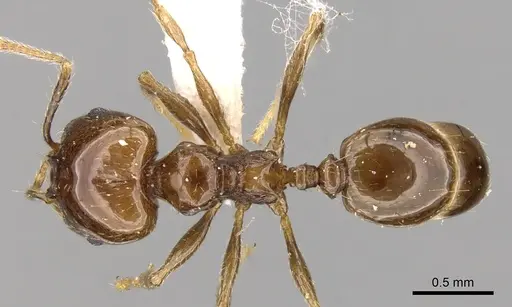
CASENT0281744
View on AntWeb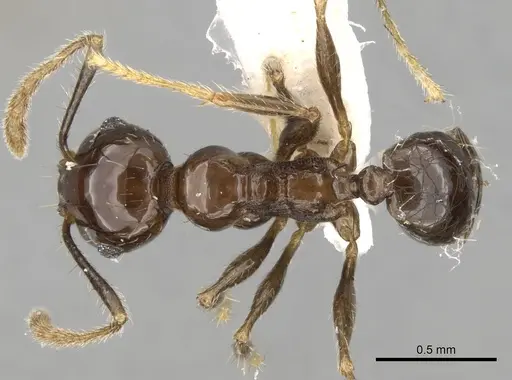
CASENT0283526
View on AntWeb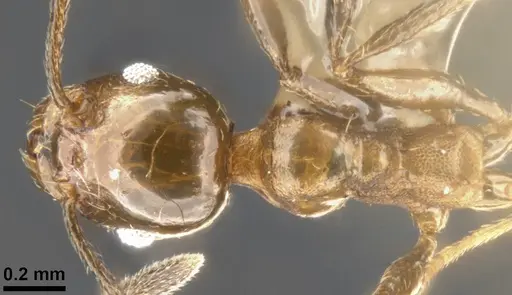
CASENT0612743
View on AntWeb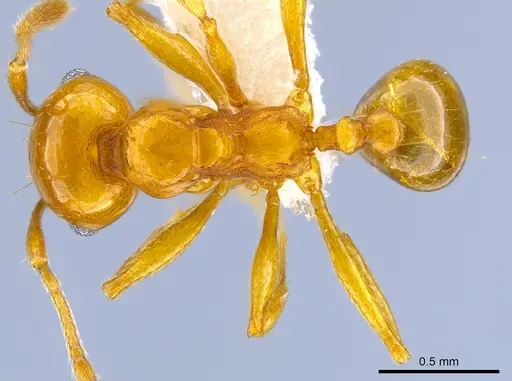
CASENT0612752
View on AntWeb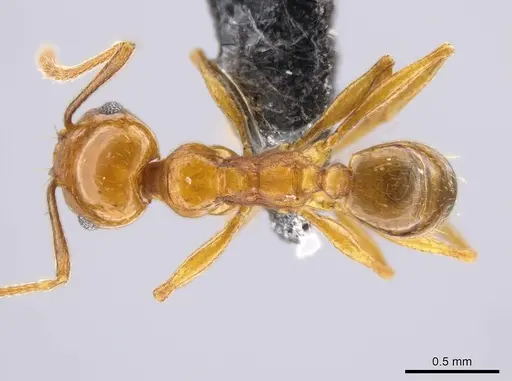
CASENT0612753
View on AntWeb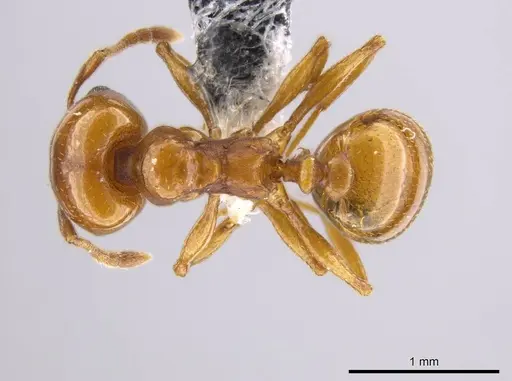
CASENT0635536
View on AntWeb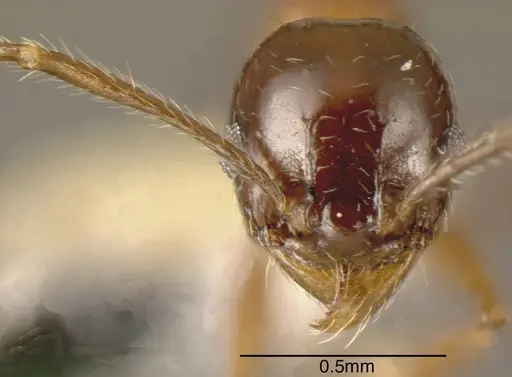
CASENT0636057
View on AntWeb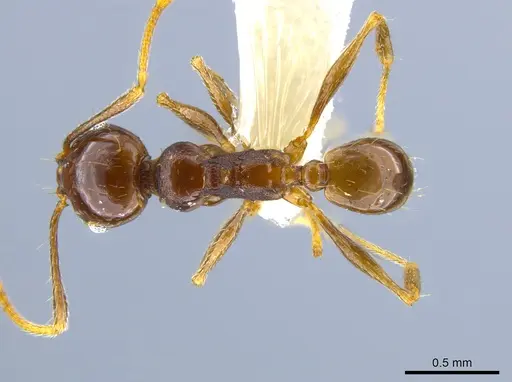
CASENT0904359
View on AntWeb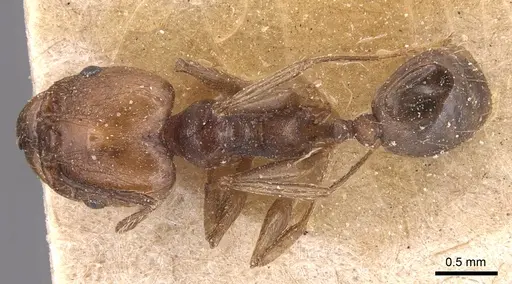
INBIOCRI002279634
View on AntWeb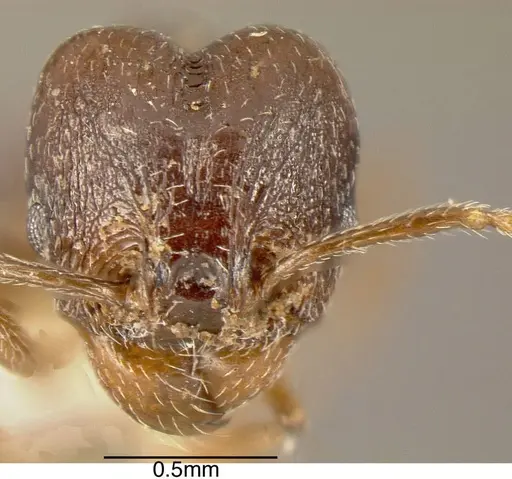
Literature
Loading...Loading products...