

Pheidole planifrons
- Scientific Name
- Pheidole planifrons
- Tribe
- Attini
- Subfamily
- Myrmicinae
- Author
- Santschi, 1920
- Distribution
- Found in 3 countries
Pheidole planifrons Overview
Pheidole planifrons is an ant species of the genus Pheidole. It is primarily documented in 3 countries , including China, Thailand, Viet Nam. Detailed taxonomic data and occurrence records can be further explored via authoritative databases such as AntWeb or the Global Biodiversity Information Facility (GBIF).
Pheidole planifrons
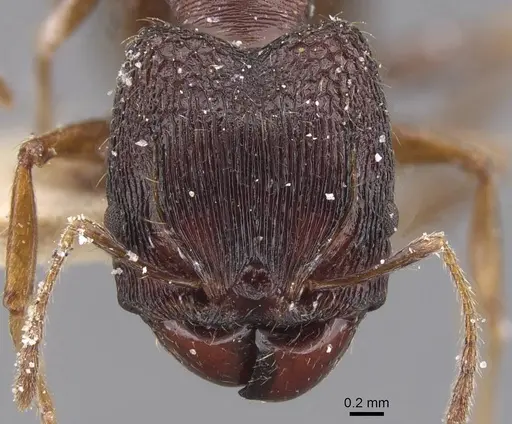
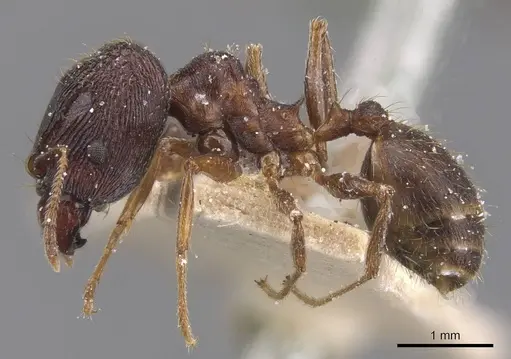
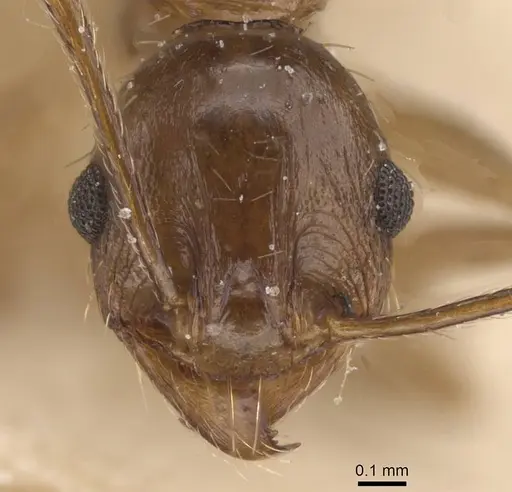
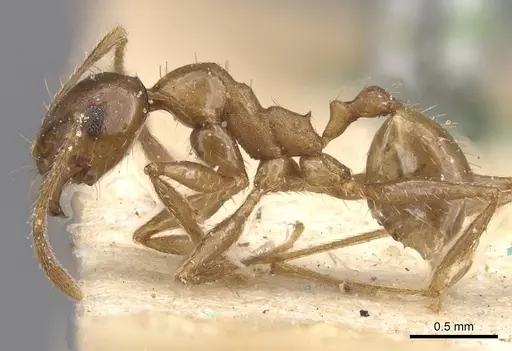
Pheidole planifrons is a small ant species native to Southeast Asia, found across northern Vietnam, southern Vietnam, Thailand, and Java, with recent records extending into Yunnan, China. This species is a member of the tribe Attini and is known for its distinctive caste system with major and minor workers. Majors measure 2.01-2.11mm with a well-developed frontal carina that partly overhangs the antennal scrobe, while minors are tiny at just 0.65-0.71mm. The species has a longitudinally rugoso-punctate first gastral tergite in majors and a characteristic mound on the posterior slope of the promesonotal dome in both castes [1].
This ant is a forest specialist that thrives in primary and secondary forests, particularly in leaf litter and soil habitats. It occupies forest edges and woody areas, and occasionally nests in the walls of termite mounds. Studies show it avoids disturbed areas like rubber plantations, with zero abundance recorded in such habitats while maintaining healthy populations in rainforest and limestone forest [2][3]. This preference for natural forest environments makes it a challenging species for keepers who cannot provide appropriate microhabitats.
Quick Summary
- Difficulty: Medium
- Origin & Habitat: Southeast Asia, northern Vietnam, southern Vietnam, Thailand, Java, and Yunnan province (China). Found in forest edges, woody habitats, leaf litter in rainforests and limestone forests at 552-840m elevation [1][4][2].
- Colony Type: Single-queen (monogyne) colonies typical of most Pheidole species. Colonies contain both major and minor workers.
- Colony: Monogyne
- Founding: Claustral
- Size & Growth:
- Queen: Unknown for this species, estimated 5-7mm based on genus patterns
- Worker: Majors: 2.01-2.11mm, Minors: 0.65-0.71mm [1]
- Colony: Unknown maximum, typical Pheidole colonies reach several hundred workers
- Growth: Moderate, estimated based on related species
- Development: 6-8 weeks (estimated based on typical Pheidole development at 24-26°C) (Development time estimated from genus-level data, direct measurements not available for this species)
- Antkeeping:
- Temperature: Keep at 24-28°C. This is a tropical forest species from Southeast Asia that prefers warm, stable conditions. A gentle gradient allowing workers to self-regulate is beneficial.
- Humidity: Moderate to high (60-80%). Forest floor species that thrives in humid leaf litter environments. Keep substrate consistently moist but not waterlogged.
- Diapause: No, being a tropical species, it does not require hibernation. Maintain warm conditions year-round.
- Nesting: Soil-nesting species that naturally burrows into ground substrate. In captivity, a naturalistic setup with moist soil or a Y-tong/plaster nest works well. Provide deep substrate (at least 5cm) for tunneling. They also accept leaf litter material for nest building.
- Behavior: This species is generally peaceful and not aggressive toward keepers. Majors serve as defenders and help process large food items while minors handle most foraging and brood care. As a leaf litter specialist, they are active foragers that search for seeds, small insects, and honeydew. Escape risk is moderate, minors are very small (under 1mm) and can squeeze through small gaps, so use fine mesh barriers. They are not known to be particularly defensive.
- Common Issues: escape prevention is critical due to tiny minor workers (0.65mm), use fine mesh and tight-fitting lids, colonies may struggle in dry conditions, this forest species needs consistent humidity, not suitable for beginners due to specific forest habitat requirements, avoid keeping in completely artificial setups, they need access to soil/substrate for nesting, rubber plantation data shows they cannot survive in disturbed habitats, do not keep in bare plastic containers
Housing and Nest Setup
Pheidole planifrons requires a setup that mimics its natural forest floor habitat. A naturalistic terrarium with moist soil substrate (at least 5-8cm deep) works best, allowing the colony to excavate tunnels like they would in the wild. You can also use a Y-tong (acrylic) nest with soil-filled chambers or a plaster nest with high humidity. This species does not do well in bare plastic test tube setups long-term, they need actual soil or substrate to thrive. Include leaf litter or small pieces of decaying wood in the outworld to provide foraging enrichment. Ensure the nest area stays humid while the outworld can be slightly drier. [1][5]
Feeding and Diet
Like most Pheidole species, this ant is omnivorous and will accept a variety of foods. Offer protein sources like small insects (fruit flies, small crickets, mealworms) twice weekly. They also readily consume seeds and grain, Pheidole are known seed harvesters. Sugar water, honey, or diluted syrup can be offered as an energy source, though acceptance varies. In the outworld, provide a shallow water dish with a cotton wick for drinking. Remove uneaten prey after 24 hours to prevent mold. Given their small size, ensure food items are appropriately sized, minors are only 0.65mm so very small prey items work best.
Temperature and Humidity Management
Maintain temperatures between 24-28°C year-round. This tropical species does not tolerate cool conditions, avoid temperatures below 20°C. A small heating cable on one side of the nest can create a gradient, but ensure the colony can move away from heat if needed. Humidity should remain at 60-80% in the nest area. Use a moisture reservoir or mist the substrate regularly, checking that it stays consistently damp but never waterlogged. This forest species is sensitive to drying out, monitor substrate moisture every few days. Good ventilation is essential to prevent mold while maintaining humidity. [4][2]
Colony Development and Growth
Colonies start with a claustral founding queen who seals herself in a chamber and raises the first brood alone on stored fat reserves. The first workers (nanitics) will be smaller than normal minors. After the claustral period (estimated 4-6 weeks), the queen resumes egg-laying and the colony grows. Based on typical Pheidole development, expect first workers approximately 6-8 weeks after founding at optimal temperature. Growth rate is moderate, colonies typically reach several hundred workers over 1-2 years. The presence of major workers (soldiers) typically appears once the colony reaches around 50-100 workers. Major workers develop from larvae fed a protein-rich diet and serve defensive and food-processing roles. [1]
Behavior and Foraging
Pheidole planifrons is a ground-nesting species that forages actively through leaf litter and along forest floor surfaces. Workers search for seeds, small insects, and honeydew from aphids or scale insects. The caste system is well-defined: minor workers handle most foraging, brood care, and general colony maintenance, while major workers (soldiers) defend the colony and help break down larger food items. This species is not particularly aggressive or defensive, majors will respond to threats but they are not known for painful stings. They are diurnal foragers active during daylight hours. In captivity, they will readily explore the outworld and establish foraging trails. [5][3]
Seasonal Care
As a tropical species from Southeast Asia, Pheidole planifrons does not require hibernation or diapause. Maintain warm, humid conditions year-round. The species shows seasonal abundance patterns in the wild, specimens per hectare vary significantly between seasons (1,625 in winter,3,500 in summer,500 in rainy season), suggesting some behavioral response to seasonal changes [5]. However, in captivity, stable conditions are more important than mimicking these fluctuations. Avoid exposing the colony to temperatures below 20°C or sudden temperature drops, as this can stress or kill the colony.
Escape Prevention
Because minor workers are extremely small (0.65-0.71mm), escape prevention requires attention. Use tight-fitting lids on all containers and formicarium connections. Fine mesh (at least 0.5mm or smaller) on any ventilation holes or barriers. When connecting tubes, ensure secure fitments, these tiny ants can squeeze through surprisingly small gaps. Check connections regularly and apply fluon or barrier tape to any potential escape routes. This is especially important when the colony is small or during feeding times when the outworld lid is opened. [1]
Frequently Asked Questions
Can I keep Pheidole planifrons in a test tube setup?
Test tube setups are not ideal for this species long-term. Pheidole planifrons is a soil-nesting forest species that needs substrate to burrow into. A naturalistic setup with moist soil or a Y-tong nest with soil-filled chambers works much better. Test tubes can be used temporarily for founding colonies but should be moved to a proper nest setup once workers emerge.
How long until first workers appear in Pheidole planifrons?
Expect first workers approximately 6-8 weeks after founding at optimal temperature (24-28°C). This is an estimate based on typical Pheidole development patterns, as specific development timing has not been documented for this species. The claustral founding period lasts several weeks while the queen raises the first brood on stored fat reserves.
What do Pheidole planifrons eat?
They are omnivorous like most Pheidole species. Offer small insects (fruit flies, pinhead crickets, small mealworms) as protein twice weekly. They also eat seeds and grain, plus sugar sources like honey water or sugar water. Ensure food items are small enough for their tiny minors (under 1mm body size).
Are Pheidole planifrons good for beginners?
This species is not ideal for complete beginners. It has specific humidity requirements (60-80%) and needs a naturalistic soil-based setup rather than simple test tubes. It also cannot tolerate cool temperatures or dry conditions. However, antkeepers with some experience keeping tropical species should find this species manageable.
Do Pheidole planifrons need hibernation?
No, this is a tropical species from Southeast Asia and does not require hibernation. Keep the colony warm year-round (24-28°C). Temperatures below 20°C can stress or harm the colony.
How big do Pheidole planifrons colonies get?
Maximum colony size is not documented for this specific species, but typical Pheidole colonies reach several hundred workers over 1-2 years. The colony will develop major workers (soldiers) once the population reaches around 50-100 workers.
When should I move Pheidole planifrons to a formicarium?
Move the colony when it outgrows its founding setup or when you see workers actively tunneling in the test tube. For this soil-nesting species, provide a naturalistic setup with deep moist substrate (5-8cm) rather than a bare acrylic nest. The transition works best when the colony has 20+ workers.
Why are my Pheidole planifrons dying?
Common causes include: too dry conditions (this forest species needs consistent humidity), temperatures below 20°C, poor escape prevention allowing ants to escape, or keeping them in artificial setups without soil. They are sensitive to disturbed habitats, ensure the setup mimics their natural forest floor environment with moist substrate.
Can I keep multiple Pheidole planifrons queens together?
Pheidole planifrons is typically monogyne (single-queen colonies). Combining unrelated queens is not recommended and has not been documented for this species. If you acquire a wild colony, it will likely have just one functional queen.
References

This caresheet is licensed under CC BY-SA 4.0 .
CASENT0913394
View on AntWeb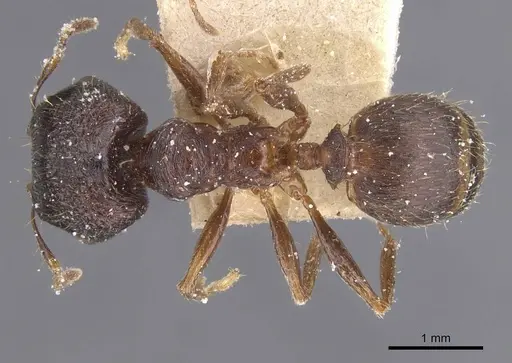
CASENT0913395
View on AntWeb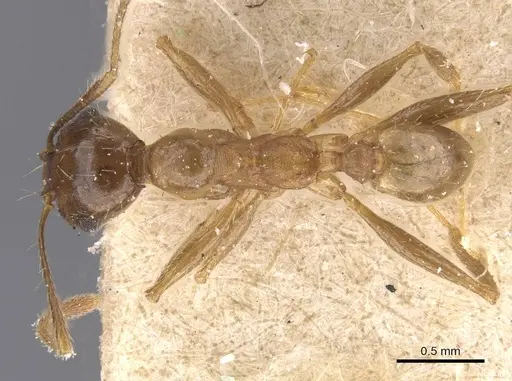
Literature
Loading...Loading products...