

Pheidole pinealis
- Scientific Name
- Pheidole pinealis
- Tribe
- Attini
- Subfamily
- Myrmicinae
- Author
- Wheeler, 1908
- Distribution
- Found in 2 countries
Pheidole pinealis Overview
Pheidole pinealis is an ant species of the genus Pheidole. It is primarily documented in 2 countries , including Mexico, United States of America. Detailed taxonomic data and occurrence records can be further explored via authoritative databases such as AntWeb or the Global Biodiversity Information Facility (GBIF).
Pheidole pinealis
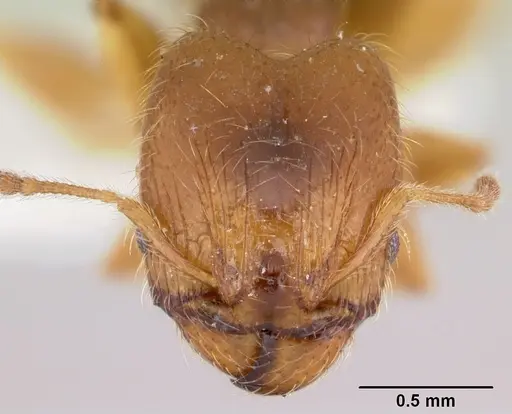
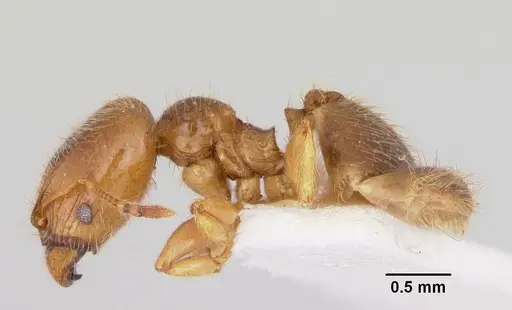
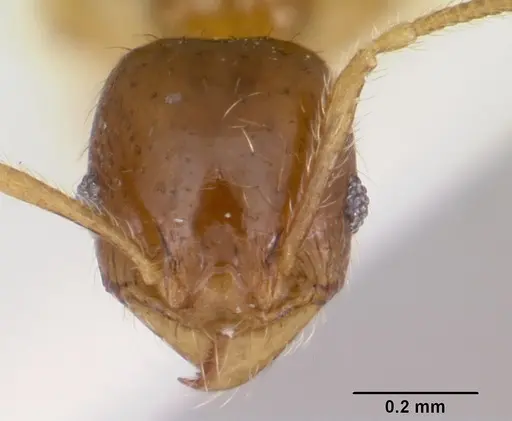
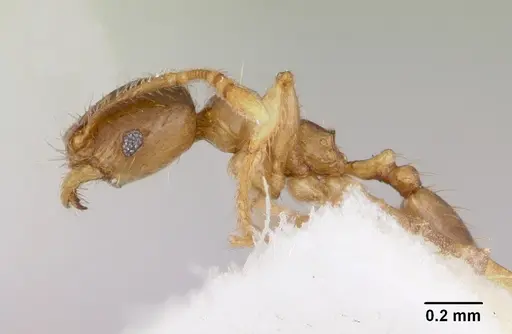
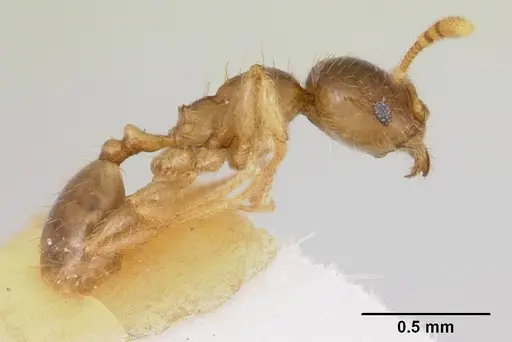
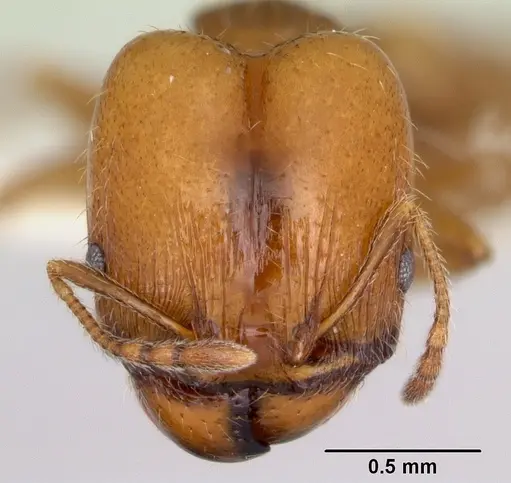
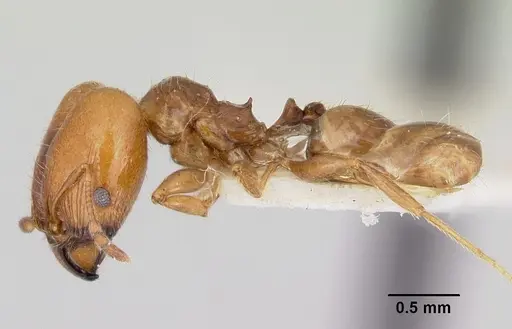
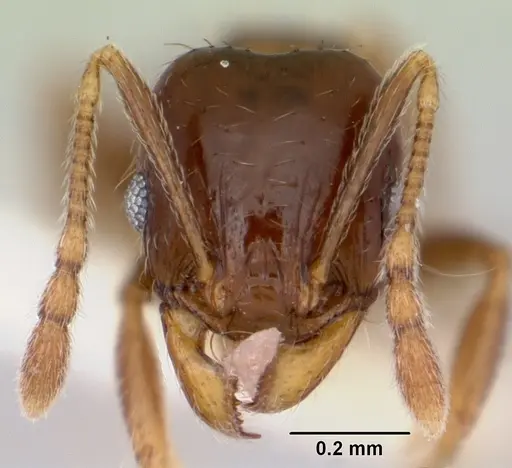
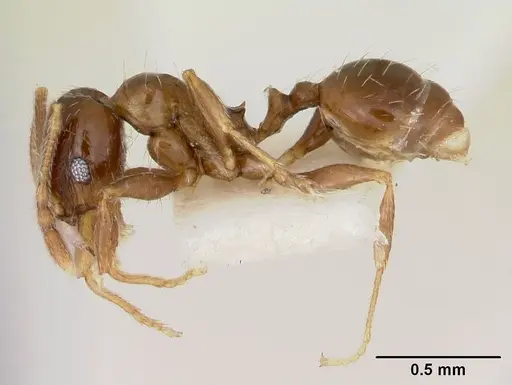
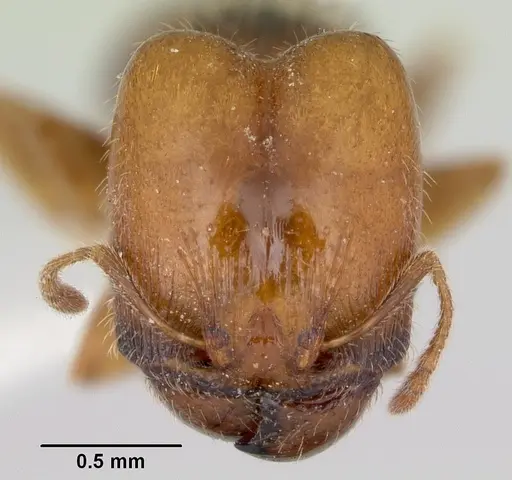
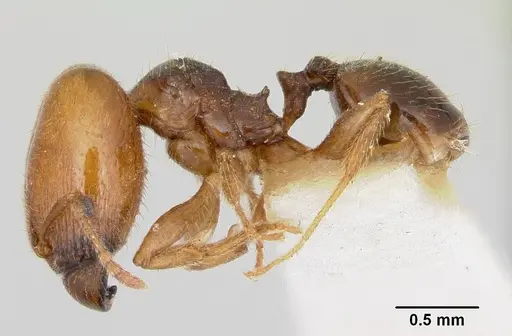
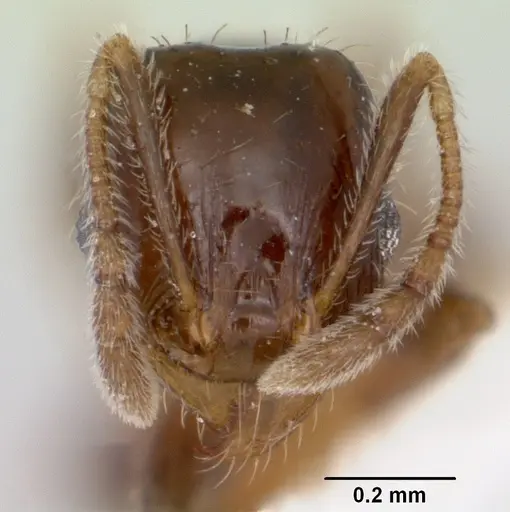
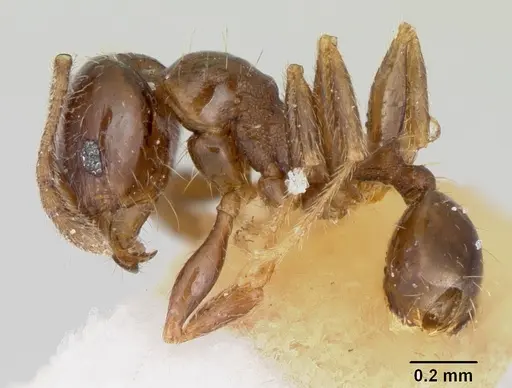
Pheidole pinealis is a small harvesting ant native to the southwestern United States and northern Mexico. As with all Pheidole species, they have two worker castes: majors (also called soldiers) with notably larger heads, and minors that make up the majority of the workforce. Majors measure around 1mm in head width, while minors are about half that size. The species is part of the 'bicarinata complex' within the pilifera group, characterized by their large forward-set eyes. The major has a distinctive dark spot on the top of its head, and the body is light brown with a reddish tinge. Colonies are small, typically containing fewer than 50 workers total including both castes[1].
This species is a seed-harvesting ant, the type colony was found with seed caches, suggesting they collect and store seeds as a food source. They nest in small colonies under stones, in open soil, or occasionally under cow dung at elevations between 1000-1200m in their Texas range. Their distribution is limited to western Texas and central Mexico, making them a relatively rare find for antkeepers.
Quick Summary
- Difficulty: Medium
- Origin & Habitat: Western Texas and central Mexico (Guanajuato). Found in arid to semi-arid habitats at elevations of 1000-1200m in Texas, though recent finds in Oaxaca are at much lower elevations (119m). Nests are located under stones, in open soil, or occasionally under cow dung[2].
- Colony Type: Small colonies with one queen. Colonies documented with 8-21 majors and 24-36 minors, suggesting total worker populations of roughly 30-60 individuals. This is a monogyne species (single queen colony).
- Colony: Monogyne
- Founding: Claustral
- Size & Growth:
- Queen: Not specifically documented in available literature, estimated at 5-7mm based on typical Pheidole queen size
- Worker: Minor workers: 0.48mm head width (HW),0.54mm head length (HL). Major workers: 1.06mm HW,1.24mm HL.
- Colony: Small, documented colonies range from 33 to 57 total workers (majors + minors combined). Maximum likely under 100 workers.
- Growth: Moderate, small colony size suggests moderate growth rate
- Development: Estimated 6-8 weeks based on typical Pheidole development patterns (Direct development data not available for this species. Pheidole genus typically develops from egg to worker in 6-8 weeks at warm temperatures.)
- Antkeeping:
- Temperature: Keep at room temperature, roughly 20-26°C. Being from the southwestern US and Mexico, they prefer warmer conditions but can tolerate typical indoor temperatures. A gentle heat gradient is beneficial but not required.
- Humidity: Low to moderate. These ants come from arid to semi-arid regions. Keep nest substrate moderately dry, damp but not wet. Allow areas to dry out between waterings.
- Diapause: Likely yes. As a species from temperate latitudes (Texas), they probably require a winter rest period. Provide 2-3 months of cooler temperatures (10-15°C) during winter.
- Nesting: Test tube setups work well for founding colonies. For established colonies, a small formicarium or Y-tong nest with tight chambers suits their small colony size. They prefer nesting in soil or under stones in the wild, a naturalistic setup with soil substrate works well.
- Behavior: Generally peaceful and non-aggressive. As harvesting ants, they are primarily foragers for seeds and small food items. They are not known to be escape artists, but being small ants, standard escape prevention (tight-fitting lids, barrier tape) is still recommended. Workers are active foragers that will collect seeds and protein sources. Major workers assist with seed processing and defense but are not particularly aggressive. They have a minor stinger but are too small to pose any threat to humans.
- Common Issues: small colony size means slow population growth, don't expect rapid expansion, seed-harvesting behavior means they may ignore some protein foods in favor of seeds, winter dormancy is required but specific timing and duration is not well documented, limited distribution in the hobby means founding colonies may be difficult to obtain, arid-adapted species is sensitive to overwatering, keep conditions dry
Housing and Nest Setup
Pheidole pinealis does well in standard test tube setups for founding colonies. The queen can be housed in a basic test tube with a water reservoir, she will seal herself into a chamber and raise her first brood alone. Once the colony reaches 10-15 workers, you can consider moving them to a small formicarium. Given their small colony size, avoid large setups that could overwhelm them, a compact Y-tong nest or small acrylic formicarium works well. In the wild, they nest under stones and in open soil, so a naturalistic setup with a soil chamber mimics their natural preferences. Keep the nest relatively dry, these are arid-adapted ants that don't need high humidity. [2]
Feeding and Diet
As a harvesting ant species, Pheidole pinealis primarily collects and stores seeds. In captivity, offer a mix of seeds (grass seeds, millet, cracked sunflower seeds) as a staple food. They will also accept protein sources like small insects (fruit flies, small mealworms, crickets) and can be offered sugar water or honey occasionally. The type colony was found with seed caches, confirming their seed-harvesting behavior in the wild. Feed seeds constantly and protein 1-2 times per week. Remove uneaten seeds periodically to prevent mold. While they prefer seeds, they will likely accept protein when offered, don't be surprised if they ignore live prey in favor of seeds initially.
Temperature and Seasonal Care
Keep these ants at warm room temperature, ideally between 22-26°C. Being from the southwestern US and Mexico, they prefer heat but can adapt to typical indoor temperatures. A small heat gradient (heating cable on one side of the nest) can be offered but is not strictly necessary. During winter, provide a diapause period of 2-3 months at cooler temperatures around 10-15°C. This mimics their natural seasonal cycle in Texas where winters are cool but not freezing. Reduce feeding during this period and keep the nest slightly drier. Resume normal care in spring when temperatures rise again.
Colony Development and Growth
Pheidole pinealis colonies remain small throughout their lifecycle. Documented wild colonies contain only 30-60 workers total, including both majors and minors. This is characteristic of the species rather than an indication of incomplete sampling, they are simply small colonies. Expect slow, steady growth rather than the rapid expansion seen in some other Pheidole species. The presence of major workers (soldiers) with their distinctive large heads is a defining feature of Pheidole. Majors assist with seed processing and colony defense but make up a small portion of the workforce. Don't be alarmed if your colony stays small, this is normal for this species.
Behavior and Foraging
Workers are active foragers that search for seeds and small prey items. They are not particularly aggressive or defensive, and the minor stinger is too small to penetrate human skin. In the wild, they nest under stones at elevations between 1000-1200m in Texas, though the newly discovered Mexican populations are at much lower elevations (119m in Oaxaca). They are ground-nesting ants that prefer open soil or sheltered locations under stones. In captivity, they will readily forage for food and establish clear trails once the colony is established. Their large eyes (especially in minors) are a distinguishing feature of the bicarinata complex they belong to. [2]
Frequently Asked Questions
How long does it take for Pheidole pinealis to raise first workers?
Expect first workers (nanitics) in about 6-8 weeks after the queen lays eggs, assuming warm temperatures (around 24-26°C). This estimate is based on typical Pheidole development patterns since specific timing for this species hasn't been documented.
Can I keep multiple Pheidole pinealis queens together?
No. This is a monogyne species with single-queen colonies. Combining unrelated queens is not recommended and would likely result in fighting.
What do Pheidole pinealis eat?
They are seed-harvesting ants. Offer a constant supply of small seeds (grass seeds, millet, cracked sunflower seeds) as their primary food. They also accept protein like small insects and can occasionally have sugar water or honey. The type colony was found with seed caches, confirming their harvesting behavior.
How big do Pheidole pinealis colonies get?
They remain small, wild colonies contain only 30-60 workers total. Your colony will likely stay under 100 workers even when fully established. This is normal for the species.
Do Pheidole pinealis need hibernation?
Yes, likely. As a species from Texas (temperate latitudes), they probably require a winter rest period. Provide 2-3 months at 10-15°C during winter months.
Are Pheidole pinealis good for beginners?
They are intermediate in difficulty. Their small colony size and specific temperature needs make them slightly more challenging than common species, but they are not difficult to keep once you understand their preferences for dry, warm conditions.
References

This caresheet is licensed under CC BY-SA 4.0 .
CASENT0103477
View on AntWeb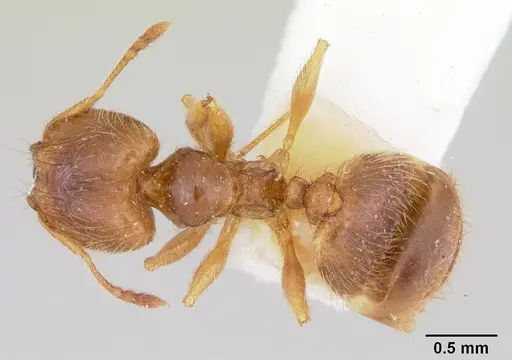
CASENT0103478
View on AntWeb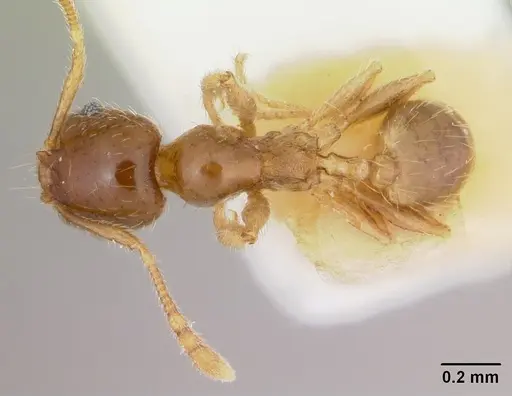
CASENT0103479
View on AntWeb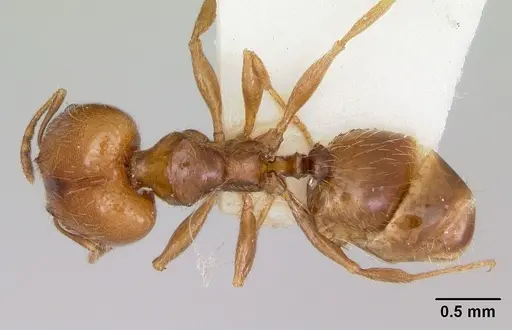
CASENT0103480
View on AntWeb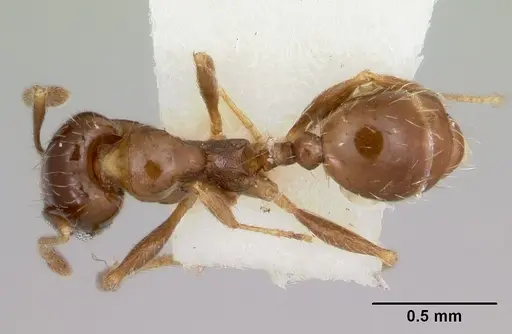
CASENT0103481
View on AntWeb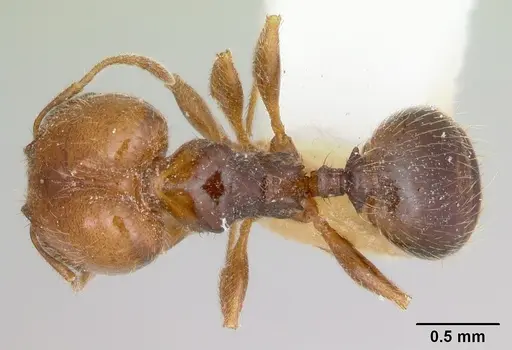
CASENT0103482
View on AntWeb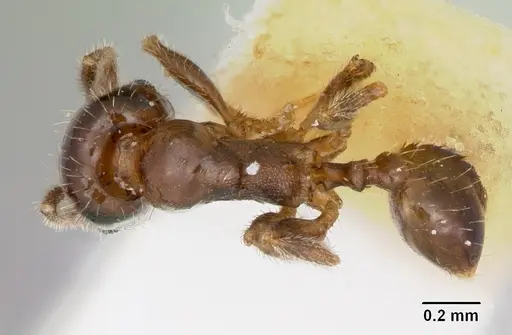
Literature
Loading...Loading products...