

Pheidole pholeops
- Scientific Name
- Pheidole pholeops
- Tribe
- Attini
- Subfamily
- Myrmicinae
- Author
- Wilson, 2003
- Distribution
- Found in 3 countries
Pheidole pholeops Overview
Pheidole pholeops is an ant species of the genus Pheidole. It is primarily documented in 3 countries , including Colombia, Ecuador, Peru. Detailed taxonomic data and occurrence records can be further explored via authoritative databases such as AntWeb or the Global Biodiversity Information Facility (GBIF).
Pheidole pholeops
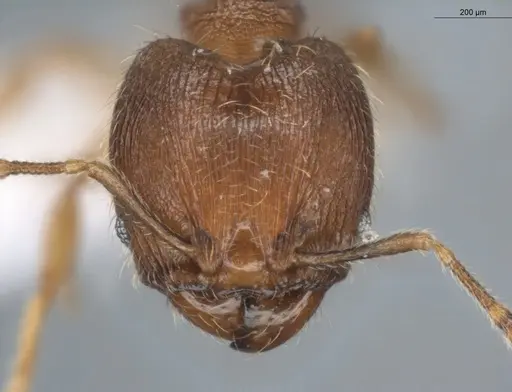
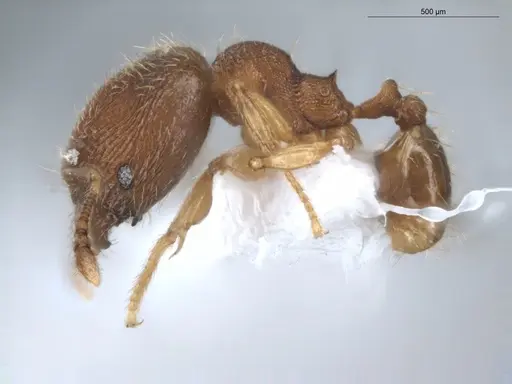
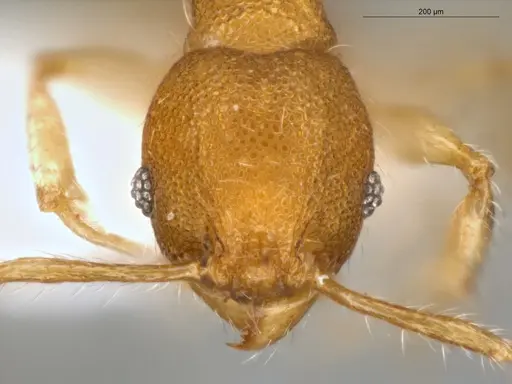
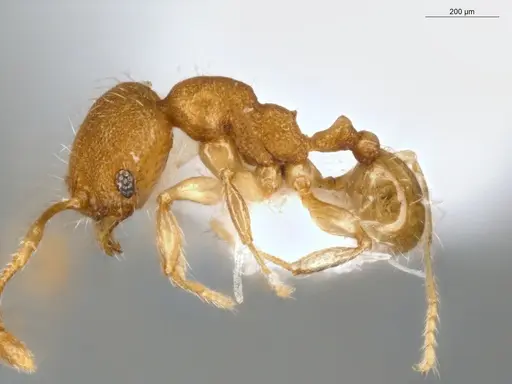
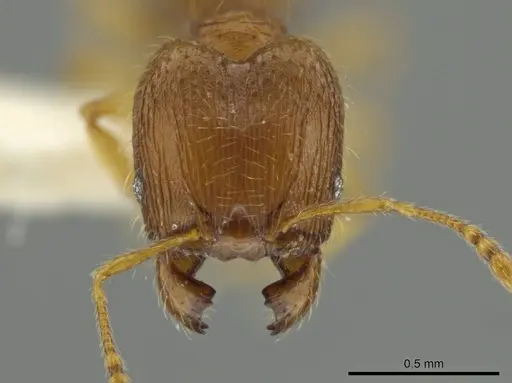
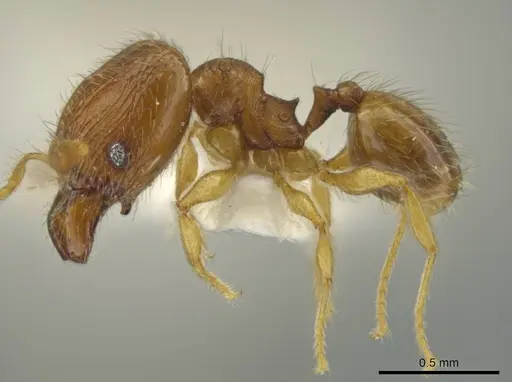
Pheidole pholeops is a small Neotropical ant species first described by Wilson in 2003. Major workers measure around 0.70mm in head width and have a distinctive light brownish-yellow (bronze) body color with clear medium yellow appendages. The species gets its name 'pholeops' (meaning 'like a hole') from a small depression in the center of the head vertex that creates the illusion of a tiny hole. Minor workers are considerably smaller at about 0.34mm head width. This species is known from terra firme forests in Peru, Brazil, and Ecuador, where it nests in rotting sticks, logs, and occasionally soil on the forest floor[1].
What makes P. pholeops interesting is its twig-nesting behavior combined with generalist flood tolerance, a rare combination in the ant world. Studies in Amazonian Ecuador show this species forages very close to its nests, averaging only about 0.5 meters from the colony entrance, which is the shortest foraging distance recorded among Pheidole species in that region. This suggests a highly localized foraging strategy that may help them thrive in competitive forest floor environments [2].
Quick Summary
- Difficulty: Medium
- Origin & Habitat: Found across the Neotropical region including Peru (type locality Cuzco Amazónico), Brazil (Manaus), Ecuador (Yasuni National Park), and French Guiana. Inhabits terra firme forest and transitional forest between terra firme and seasonally flooded areas, nesting in rotting sticks and logs on the forest floor and occasionally in soil[1].
- Colony Type: Colony structure is unconfirmed for this specific species. Most Pheidole species are monogyne (single queen colonies), though some can be polygynous. Further research is needed to confirm the exact colony structure of P. pholeops.
- Size & Growth:
- Queen: Unknown, no documented measurements for queens of this species. Based on typical Pheidole genus patterns, queens are likely 4-6mm.
- Worker: Major workers: 0.70mm HW,0.76mm HL. Minor workers: 0.34mm HW,0.36mm HL.
- Colony: Unknown, no colony size data exists for this species. Related Pheidole species in similar habitats typically reach several hundred to a few thousand workers.
- Growth: Unknown, no development timing data exists for this species. Based on typical Amazonian Pheidole patterns, expect moderate to fast growth in warm, humid conditions.
- Development: Estimated 5-8 weeks based on typical Amazonian Pheidole development at optimal tropical temperatures (around 26-28°C). This is an estimate as specific development data does not exist for this species. (Development timeline is estimated from related Amazonian Pheidole species. Actual timing may vary based on temperature and colony health.)
- Antkeeping:
- Temperature: Keep at 24-28°C. As a tropical Amazonian species, P. pholeops requires warm, stable temperatures. A heating cable on one side of the nest can create a gentle gradient. Avoid temperatures below 22°C for extended periods.
- Humidity: Keep substrate consistently moist but not waterlogged. This forest floor species prefers damp conditions similar to rotting wood in a tropical rainforest. Aim for substrate that feels damp to the touch with some condensation on the nest walls. Provide a water tube for drinking access.
- Diapause: No, as a tropical species, P. pholeops does not require hibernation. Keep temperatures stable year-round without seasonal cooling.
- Nesting: Twig-nesting species that naturally nests in rotting sticks and logs on the forest floor. In captivity, a Y-tong (AAC) nest or plaster nest with narrow chambers works well. The chambers should be appropriately scaled to their small size. Avoid dry, airy conditions, they prefer humid, enclosed spaces. Test tubes can work for founding colonies if provided with a moist cotton ball and kept humid.
- Behavior: Pheidole pholeops is a ground-foraging species with a highly localized foraging range, workers typically stay within 0.5 meters of the nest entrance. This is one of the shortest foraging distances recorded for Amazonian Pheidole, suggesting they may be more territorial or efficient at resource exploitation close to home [2]. They show generalist flood tolerance, meaning they can handle periodic flooding events in their natural habitat [2]. Major workers have the characteristic large heads of Pheidole species for seed processing and defense. Escape prevention is important, while not extremely tiny, their small size means they can escape through small gaps. Use standard barrier methods. Temperament is typical of Pheidole, generally non-aggressive toward humans but will defend the nest if threatened.
- Common Issues: flood tolerance means they can handle moisture but avoid waterlogging, standing water in the nest will drown colonies, their very small minor workers (0.34mm) can escape through standard test tube cotton if not packed tightly, twig-nesting nature means they prefer enclosed nests with high humidity, open-air formicariums may cause stress, no specific colony size data exists, beginners may struggle with unknown growth patterns, foraging close to the nest means food placed far from the colony may not be discovered quickly
Housing and Nest Setup
Pheidole pholeops naturally nests in rotting sticks and logs on the forest floor, making them a twig-nesting species. In captivity, Y-tong (AAC) nests or plaster nests with appropriately scaled chambers work well. The chambers should be tight enough that the small minor workers (0.34mm) feel enclosed but large enough for the major workers with their larger heads. Test tubes can work for founding colonies, use a small water reservoir with cotton ball, packed tightly to prevent the tiny minors from escaping through the cotton fibers. This species requires high humidity, so whatever nest type you choose, maintain moisture in the setup. Avoid dry, airy conditions, these ants are adapted to the humid microclimate inside rotting wood on the forest floor. A naturalistic setup with actual rotting wood pieces can also work if you can maintain the humidity. [2][1]
Feeding and Diet
Like most Pheidole species, P. pholeops is a generalist feeder. In their natural Amazonian habitat, they likely consume seeds, small insects, and honeydew from aphids or other homopterans. For captive care, offer a varied diet: protein sources like small crickets, mealworms, or other small insects should be provided regularly. They will also accept sugar sources like honey water or sugar water, though protein is likely more important for colony growth. As ground-foraging ants that stay close to the nest, place food near the nest entrance where workers will find it quickly. Given their small foraging range, they may not discover food placed far from the nest. Feed every 2-3 days and remove uneaten food to prevent mold. [2][1]
Temperature and Humidity
Being a tropical Amazonian species, P. pholeops requires warm and humid conditions. Keep the nest area at 24-28°C, this matches their natural habitat in the Amazon basin. A heating cable on one side of the nest can create a gentle temperature gradient, allowing the ants to choose their preferred temperature. Place the heating element on top of the nest, not underneath, to avoid evaporating the water too quickly. For humidity, maintain substrate that feels consistently damp but not waterlogged. The natural habitat is the humid forest floor where rotting wood maintains moisture. Mist occasionally and provide a water tube for drinking access. Avoid both drying out (which can kill brood) and waterlogging (which can drown colonies). Good ventilation is important to prevent mold while maintaining humidity. [2][1]
Colony Development and Growth
Specific development data does not exist for P. pholeops, but based on typical Amazonian Pheidole species, expect eggs to develop into workers in approximately 5-8 weeks at optimal temperatures (26-28°C). The first workers, called nanitics, will be smaller than normal workers as the queen conserves energy during founding. Once the first nanitics emerge, the colony enters a growth phase. The queen will continue laying eggs, and subsequent workers will be larger as the colony can allocate more resources to brood development. Pheidole colonies can grow quite large over time, though maximum size for this specific species is unknown. Patience is key, small colonies grow slowly at first, then accelerate as the worker population increases. Major workers (soldiers) typically appear once the colony reaches several hundred workers, as the colony invests in defense specialization.
Behavior and Foraging
One of the most interesting aspects of P. pholeops is their extremely localized foraging behavior. Studies in Amazonian Ecuador found that workers foraged an average of only 0.5 meters from the nest, the shortest distance recorded among Pheidole species in that study [2]. This suggests they are highly efficient at exploiting resources close to the nest rather than ranging widely. They also show generalist flood tolerance, meaning they can survive periodic flooding events in their natural habitat of transitional forest between terra firme and seasonally flooded areas [2]. In captivity, this means they may not travel far to find food, so place offerings near the nest entrance. They are not particularly aggressive but will defend the nest if threatened. Major workers can deliver a mild sting if provoked, though their small size limits the effect on humans.
Frequently Asked Questions
How long does it take for Pheidole pholeops to get first workers?
The egg-to-worker timeline is estimated at 5-8 weeks based on typical Amazonian Pheidole development at optimal temperatures (26-28°C). This is an estimate as specific development data does not exist for this species. The first workers (nanitics) will be smaller than normal workers.
Can I keep Pheidole pholeops in a test tube?
Yes, test tubes work well for founding colonies. Use a small water reservoir with a cotton ball packed tightly, the tiny minor workers (0.34mm) can escape through loosely packed cotton. Keep the test tube humid and maintain temperatures of 24-28°C. Once the colony grows beyond 50-100 workers, consider moving to a Y-tong or plaster nest.
What do Pheidole pholeops ants eat?
They are generalists that accept protein and sugar. Offer small insects like crickets, mealworms, or fruit flies as protein sources. They will also take sugar water or honey water. Place food near the nest entrance since they forage very close to the colony (around 0.5 meters).
Do Pheidole pholeops ants need hibernation?
No, they do not need hibernation. As a tropical Amazonian species, they require year-round warm temperatures (24-28°C). Do not cool them down or expose them to temperatures below 20°C for extended periods.
Are Pheidole pholeops good for beginners?
They are rated as medium difficulty. While not extremely demanding, the lack of specific care data and their need for warm, humid conditions make them better suited for keepers with some experience. Their small size and specific humidity requirements require attention to detail.
How big do Pheidole pholeops colonies get?
The maximum colony size is unknown for this specific species. Based on related Amazonian Pheidole, colonies likely reach several hundred to a few thousand workers over time. Major workers (soldiers) typically appear once the colony reaches several hundred workers.
What temperature is best for Pheidole pholeops?
Keep them at 24-28°C. This tropical species requires warm, stable temperatures. A heating cable on one side of the nest can create a gradient. Avoid temperatures below 22°C for extended periods.
When should I move my colony to a formicarium?
Move from a test tube to a Y-tong or plaster nest once the colony reaches 50-100 workers or when the test tube becomes crowded. This species prefers enclosed, humid nests, so choose a nest type that maintains moisture well.
Why are my Pheidole pholeops dying?
Common causes include: temperatures below 22°C (they need warmth), dry conditions (they need high humidity), improper escape prevention (tiny minors can slip through gaps), and waterlogging (which drowns colonies). Check that your setup maintains 24-28°C and consistently damp (not wet) substrate.
References

This caresheet is licensed under CC BY-SA 4.0 .
CASENT0645853
View on AntWeb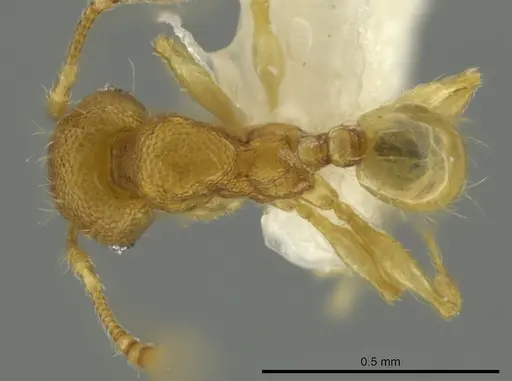
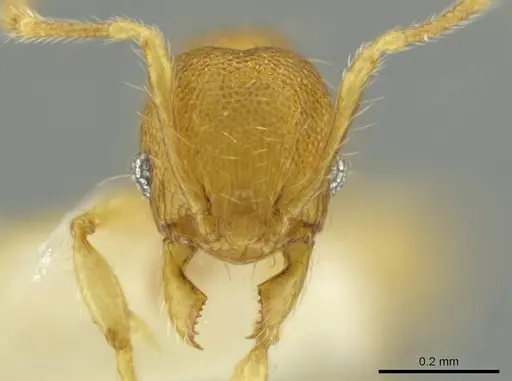
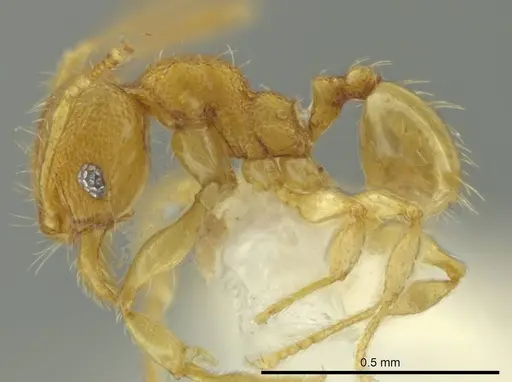
ECOFOG-CNI20-0062-11-S
View on AntWeb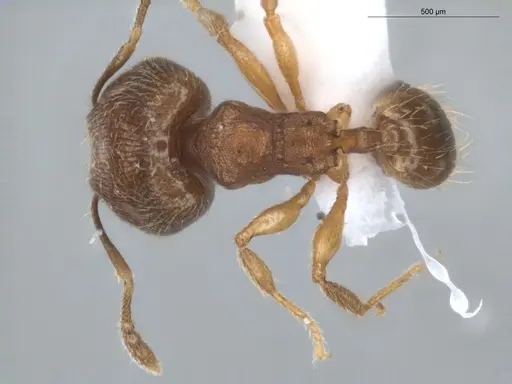
ECOFOG-MI15-0084-72
View on AntWeb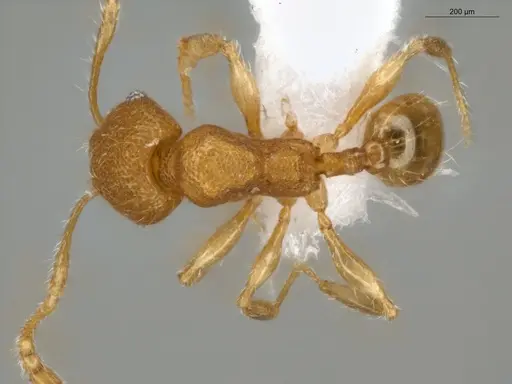
JTLC000016493
View on AntWeb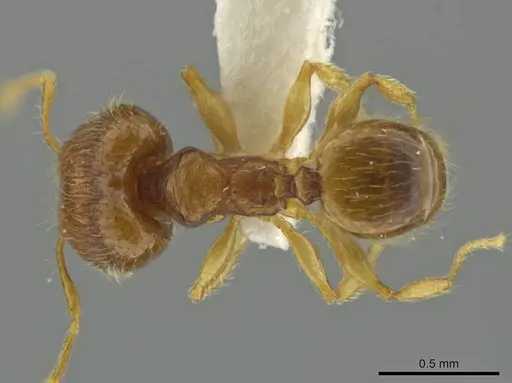
Literature
Loading...Loading products...