

Pheidole phipsoni
- Scientific Name
- Pheidole phipsoni
- Tribe
- Attini
- Subfamily
- Myrmicinae
- Author
- Forel, 1902
- Distribution
- Found in 1 countries
Pheidole phipsoni Overview
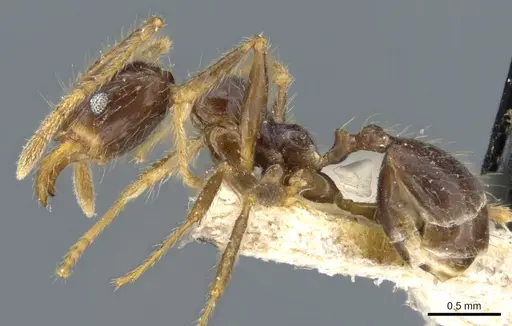
Pheidole phipsoni is an ant species of the genus Pheidole. It is primarily documented in 1 countries , including India. Detailed taxonomic data and occurrence records can be further explored via authoritative databases such as AntWeb or the Global Biodiversity Information Facility (GBIF).
Pheidole phipsoni
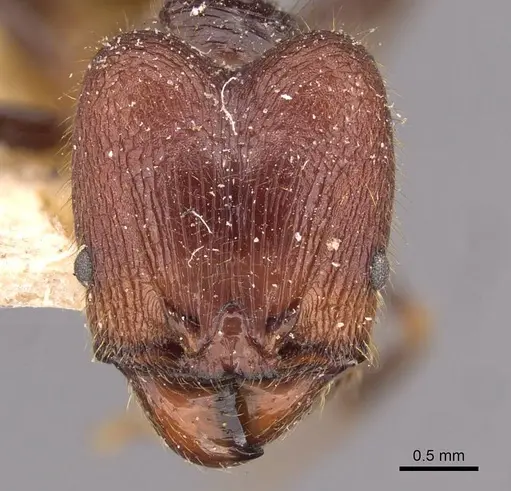
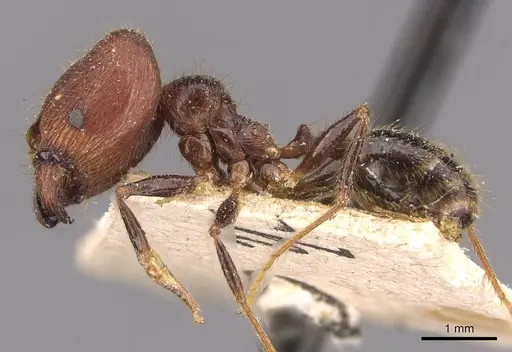
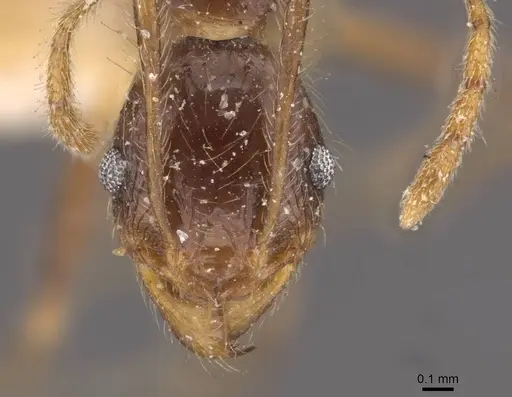
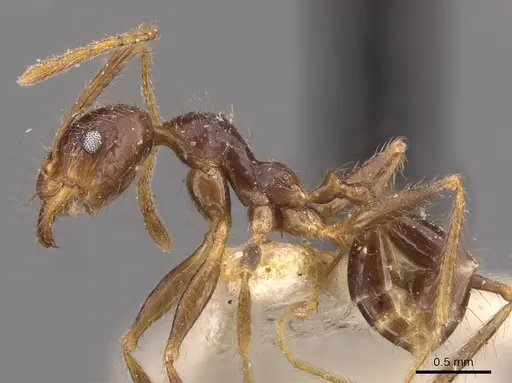
Pheidole phipsoni is a big-headed ant species native to India, described by Forel in 1902. Workers are small at 2-5mm, while soldiers have the characteristic enlarged heads that give Pheidole their common name. The species is known from southern Indian states including Karnataka, Maharashtra, and Tamil Nadu, typically found in tropical and subtropical environments [1][2]. Like other Pheidole, they are seed-harvesting ants that play an important role in their ecosystem as both predators and seed dispersers. Colonies can grow large, with the genus known to produce thousands of workers over time.
Quick Summary
- Difficulty: Medium
- Origin & Habitat: India (Karnataka, Maharashtra, Tamil Nadu) in tropical/subtropical regions [2]
- Colony Type: Likely single-queen colonies based on typical Pheidole patterns
- Colony: Monogyne
- Founding: Claustral
- Size & Growth:
- Queen: Estimated 7-9mm based on genus patterns
- Worker: 2-5mm [1]
- Colony: Likely thousands of workers based on genus typical size
- Growth: Moderate to fast
- Development: Estimated 6-8 weeks at optimal temperature based on related Pheidole species (Development time is inferred from genus patterns, specific data for P. phipsoni is not available)
- Antkeeping:
- Temperature: Keep around 24-28°C, they prefer warm, tropical conditions. A heating cable on one side of the nest creates a suitable gradient.
- Humidity: Maintain moderate to high humidity, around 60-80%. Keep the nest substrate moist but not waterlogged.
- Diapause: Likely minimal or no true diapause given their tropical origin, they may slow slightly in cooler months but probably don't need a full hibernation
- Nesting: In captivity, they do well in Y-tong nests, plaster nests, or naturalistic setups. They prefer enclosed spaces with some damp substrate.
- Behavior: Pheidole phipsoni is generally calm and not aggressive toward keepers. Soldiers defend the colony but the species is not known for painful stings. Workers are active foragers that harvest seeds and small insects. Escape risk is moderate, their small size means they can squeeze through small gaps, so standard barrier precautions apply.
- Common Issues: large colony size requires eventual upgrade to spacious formicarium, seed-harvesting behavior means they need durable food dishes that won't tip over, humidity control is important to prevent mold in nest areas, fast growth can surprise new keepers, prepare for colony expansion, wild-caught colonies may carry parasites that affect captive survival
Housing and Nest Setup
Pheidole phipsoni does well in a variety of captive setups. Y-tong (acrylic) nests work excellently because they provide the dark, enclosed spaces these ants prefer while allowing you to monitor colony progress. Plaster nests with built-in water reservoirs maintain humidity well. For larger colonies, naturalistic setups with soil substrates allow for more natural behaviors. Start colonies in test tubes with cotton water reservoirs, once the colony reaches 30-50 workers, consider moving to a proper formicarium. Always ensure escape prevention is adequate, as workers can slip through small gaps.
Feeding and Diet
As seed-harvesting ants, Pheidole phipsoni primarily collects and stores seeds. In captivity, offer a mix of bird seed, grass seeds, and commercial ant diet formulated for seed-harvesters. They also readily accept protein sources like small insects (fruit flies, pinhead crickets, mealworms) and will collect honeydew or sugar water. Feed protein sources 2-3 times per week, and keep a constant supply of seeds and sugar water. Remove uneaten seeds periodically to prevent mold. Workers will store seeds in the nest, so don't be alarmed if food disappears underground.
Temperature and Humidity
Being from tropical India, this species prefers warm conditions. Maintain temperatures between 24-28°C for optimal brood development. A slight temperature gradient allows ants to self-regulate, place a heating cable on one side of the nest, never directly on the formicarium. Humidity should stay around 60-80%. Use a moisture reservoir in the nest and mist occasionally, but avoid constant saturation which promotes mold. The nest substrate should feel damp to the touch but not appear wet. Monitor condensation levels as a rough humidity guide.
Colony Development
A founding queen will seal herself in a chamber and raise the first brood alone, surviving on stored fat reserves (claustral founding). First workers, called nanitics, are typically smaller than mature workers. As the colony grows, soldiers begin appearing, these are workers with enlarged heads specialized for defense and seed processing. Colony growth is relatively fast once established, and you can expect significant expansion through the first year. A mature colony can contain thousands of workers and dozens of soldiers. Regular feeding and proper temperature will maximize growth rate.
Behavior and Temperament
Pheidole phipsoni is a calm species that rarely bites or stings. Soldiers defend the colony but pose minimal threat to keepers. Workers are active foragers, constantly searching for seeds and small prey. They establish well-defined foraging trails and can become quite bold once a colony is established. The species shows typical Pheidole behavior with clear division of labor between minor workers (foraging, nursing) and major workers/soldiers (defense, seed processing). They are not known for aggressive swarming or colony defense beyond what is typical.
Frequently Asked Questions
How long does it take for Pheidole phipsoni to produce first workers?
Expect first workers (nanitics) in about 6-8 weeks after the queen lays eggs, assuming optimal temperature around 26°C. This timeline is estimated from related Pheidole species since specific development data for P. phipsoni is not available.
Can I keep multiple Pheidole phipsoni queens together?
Not recommended. Like most Pheidole, this species is likely single-queen (monogyne). Combining unrelated queens typically results in fighting. If you capture a queen during nuptial flights, house her alone in a test tube until colony establishment.
What do Pheidole phipsoni ants eat?
They are seed-harvesters, offer seeds, grains, and bird seed as a staple. They also need protein from small insects like fruit flies, pinhead crickets, or mealworms. Sugar water or honey provides additional energy. Feed protein 2-3 times weekly with constant access to seeds and sugar.
Are Pheidole phipsoni good for beginners?
They are moderate difficulty, easier than some exotic species but require attention to humidity and space as colonies grow. Their calm temperament makes them manageable, but their eventual colony size requires planning for expansion.
What temperature is best for Pheidole phipsoni?
Keep them warm at 24-28°C. A heating cable on part of the nest creates a gradient. Avoid temperatures below 20°C for extended periods as they are adapted to tropical conditions.
How big do Pheidole phipsoni colonies get?
Mature colonies can reach several thousand workers. Expect significant growth through the first year, with colonies typically reaching several hundred workers by the end of year one under good conditions.
Do Pheidole phipsoni need hibernation?
Probably not. Being from tropical India, they likely don't require a true diapause. They may slow activity in cooler months but a full hibernation period is not necessary for this species.
When should I move Pheidole phipsoni from a test tube to a formicarium?
Move them once the colony reaches 30-50 workers or the test tube becomes crowded. Signs include workers clustering near the cotton, reduced activity, or the water reservoir running low. Have the new nest ready before moving.
Why are my Pheidole phipsoni dying?
Common causes include: too low humidity (leading to desiccation), temperatures outside their 24-28°C range, mold from over-wetting, or poor nutrition. Wild-caught colonies may also carry parasites. Review each factor and adjust accordingly.
References

This caresheet is licensed under CC BY-SA 4.0 .
CASENT0281680
View on AntWeb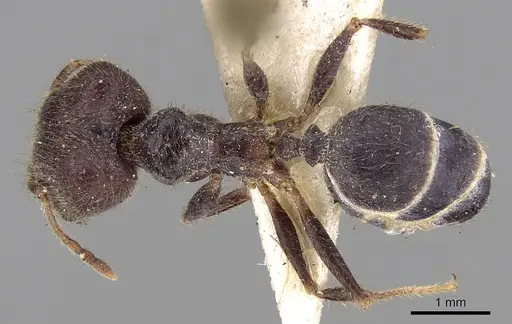
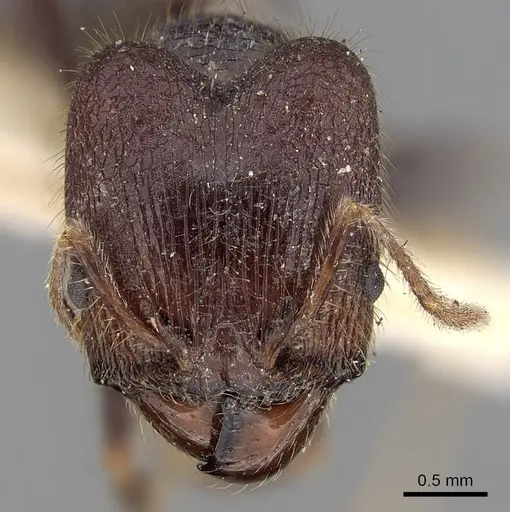
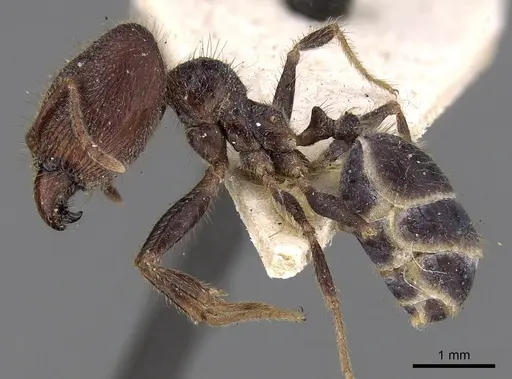
CASENT0281681
View on AntWeb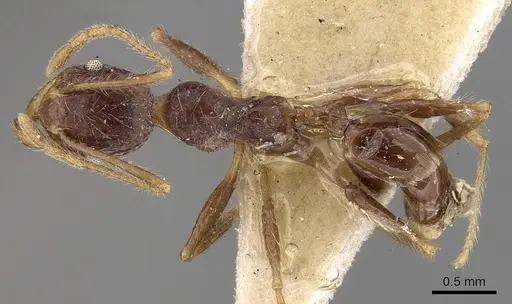
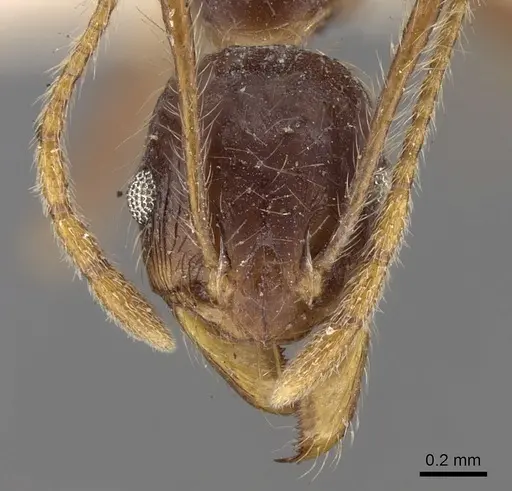
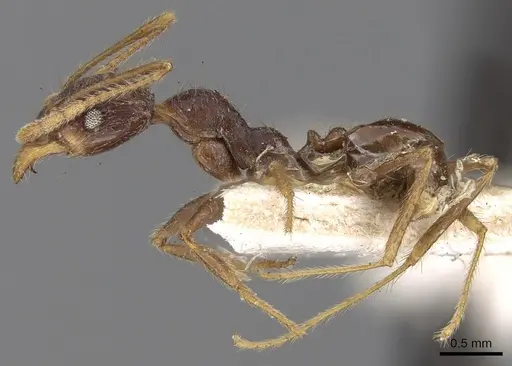
CASENT0904273
View on AntWeb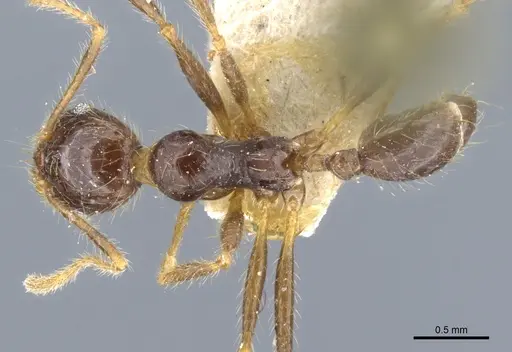
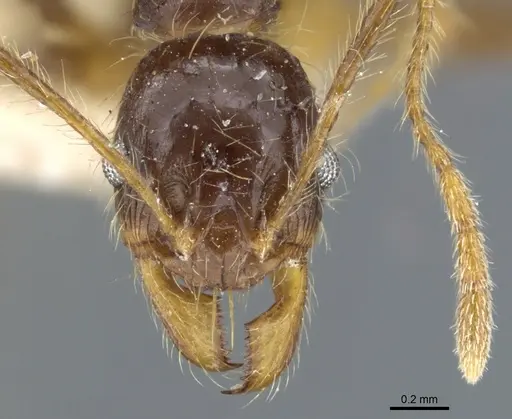
CASENT0907933
View on AntWeb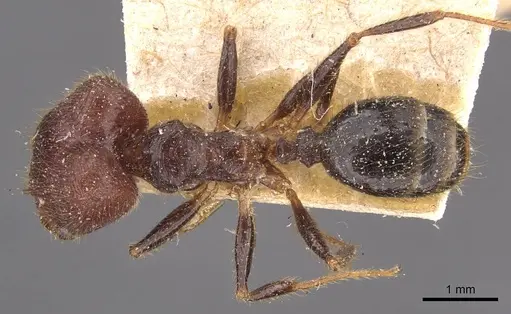
CASENT0907934
View on AntWeb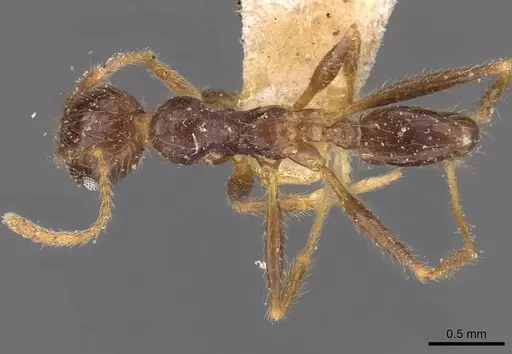
Literature
Loading...Loading products...