

Pheidole philemon
- Scientific Name
- Pheidole philemon
- Tribe
- Attini
- Subfamily
- Myrmicinae
- Author
- Forel, 1910
- Distribution
- Found in 1 countries
Pheidole philemon Overview
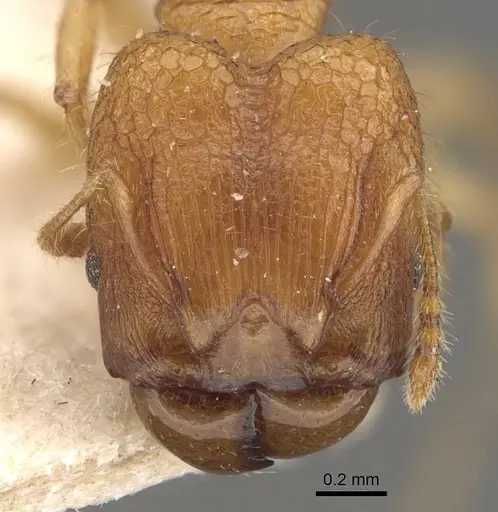
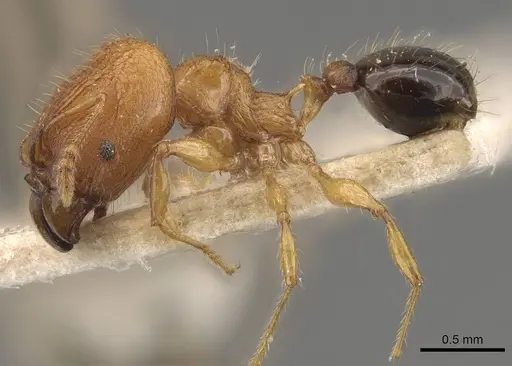
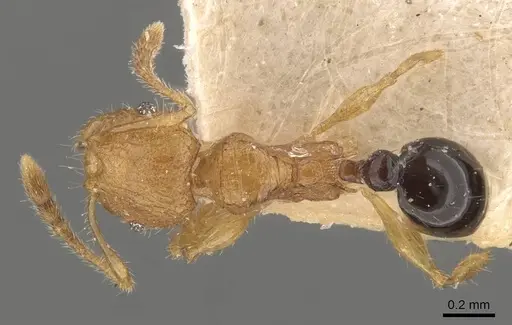
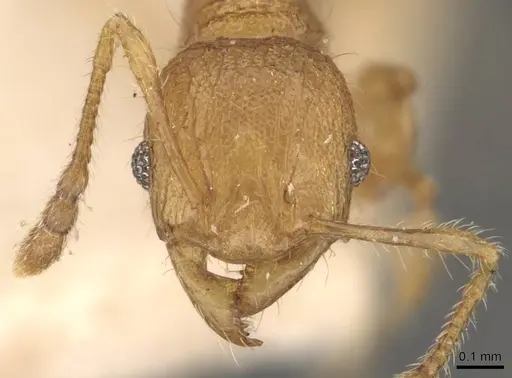
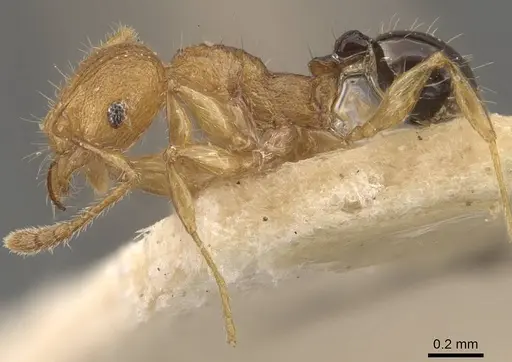
Pheidole philemon is an ant species of the genus Pheidole. It is primarily documented in 1 countries , including Solomon Islands. Detailed taxonomic data and occurrence records can be further explored via authoritative databases such as AntWeb or the Global Biodiversity Information Facility (GBIF).
Pheidole philemon
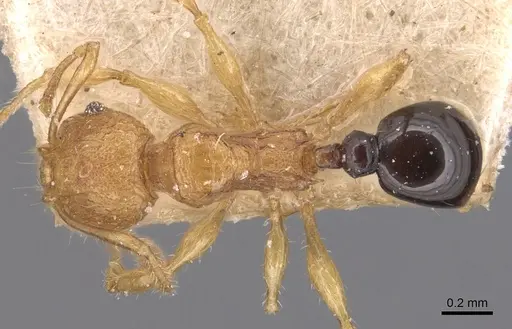
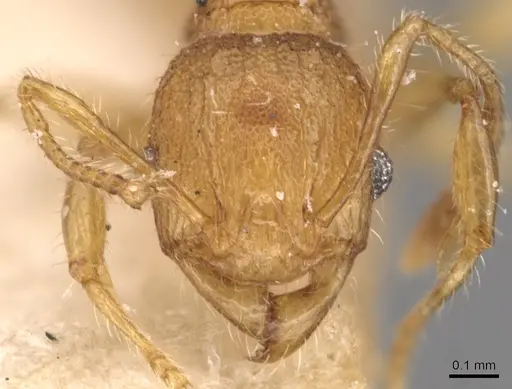
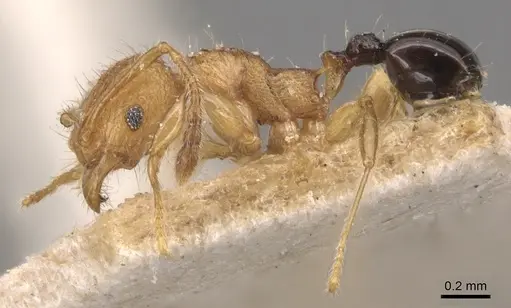
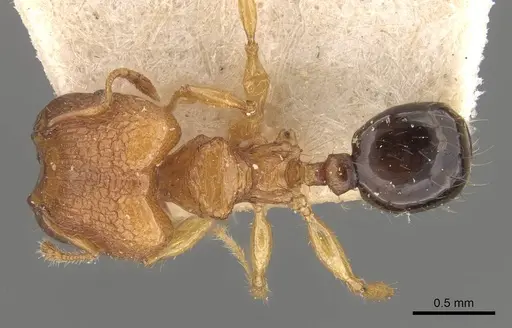
Pheidole philemon is a small to medium-sized ant species native to the Solomon Islands region in Oceania. Like all Pheidole species, they have two worker castes: larger major workers (soldiers) with distinctive large heads for seed-crushing, and smaller minor workers that make up the majority of the colony. The species was first described by Forel in 1910 and is found across multiple islands in the Solomon Islands group, including Makira, Guadalcanal, Malaita, and Santa Isabel [1]. These ants are part of the Attini tribe, which includes the famous leafcutter ants, though Pheidole are primarily seed-harvesters and omnivores rather than fungus growers.
Quick Summary
- Difficulty: Easy
- Origin & Habitat: Solomon Islands, a tropical archipelago in the western Pacific. They inhabit forest edges and disturbed areas, typically nesting in soil or under stones in warm, humid conditions [1][2].
- Colony Type: Likely monogyne (single queen) based on typical Pheidole genus patterns. Colonies develop major and minor worker castes.
- Colony: Monogyne
- Founding: Claustral
- Size & Growth:
- Queen: Estimated 7-9mm based on genus patterns for medium-sized Pheidole
- Worker: Minor workers: 2-3mm, Major workers: 4-6mm, typical for Pheidole genus [3]
- Colony: Likely several hundred to a few thousand workers based on typical Pheidole colony sizes
- Growth: Moderate
- Development: Estimated 6-8 weeks at tropical temperatures (25-28°C), based on typical Pheidole development [3] (Development is faster in warmer conditions, slower in cooler temperatures)
- Antkeeping:
- Temperature: Keep at 24-28°C (warm tropical conditions). A heating cable on one side of the nest can create a gentle gradient if room temperature is below this range.
- Humidity: High humidity (70-80%). Keep the nest substrate consistently moist but not waterlogged. Mist occasionally and provide a water source.
- Diapause: No, being a tropical species, they do not require hibernation or winter rest. Maintain warm conditions year-round.
- Nesting: Y-tong (AAC) nests work well for this species. They can also be kept in test tube setups during founding and small formicariums as the colony grows. Provide moist substrate for brood chambers.
- Behavior: Pheidole philemon is generally calm and not aggressive toward keepers. Major workers use their large heads to crack seeds and process protein sources. They are active foragers and will send out recruitment trails to food sources. Minor workers handle most daily tasks while majors defend the colony and process tough food items. Escape risk is moderate, they are not particularly small, but standard escape prevention measures (fluon barriers, tight-fitting lids) should still be used.
- Common Issues: mold growth can be a problem if the nest is kept too wet, ensure adequate ventilation, tropical species may struggle if temperatures drop below 22°C for extended periods, colonies can become trapped in water reservoirs if test tube setups flood, major workers may get stuck in smooth-sided nests if passages are too large
Housing and Nest Setup
Pheidole philemon can be started in a simple test tube setup with a water reservoir. The queen will seal herself into a small chamber and remain there until her first workers (nanitics) emerge. Once the colony reaches 10-20 workers, you can move them to a small formicarium or Y-tong nest. Y-tong (acrylic) nests work particularly well because they provide good humidity control and allow you to observe the colony easily. For the outworld (foraging area), a simple plastic container with smooth walls and fluon barrier on the rim will keep them contained. Add a shallow water dish for drinking and mist the nest regularly to maintain humidity. [3]
Feeding and Diet
Pheidole species are omnivorous and accept a wide variety of foods. Offer protein sources such as small insects (fruit flies, small crickets, mealworms), and provide carbohydrates in the form of sugar water, honey, or ripe fruit. Like other Attini tribe members, they also collect and store seeds, so you can occasionally offer grass seeds or bird seed as enrichment. Feed small amounts every 2-3 days and remove any uneaten food to prevent mold. Major workers will crack open seeds and tough prey items with their large mandibles. [3]
Temperature and Humidity
Being from the Solomon Islands, this species requires warm, humid conditions. Keep the nest area at 24-28°C. You can use a heating cable placed on top of the nest (never underneath where it could dry out the moisture) to maintain warmth if your room temperature is lower. Humidity should be kept high, the substrate should feel consistently moist but never waterlogged. A water tube or small dish in the outworld provides drinking water. Avoid placing the nest near air conditioning or drafty areas. [3]
Colony Development
A newly mated queen will dig a small chamber and seal herself inside (claustral founding). She lays eggs and feeds the larvae from her stored fat reserves until the first workers emerge. These first workers (nanitics) are typically smaller than normal workers. Once they emerge, the queen stops caring for the brood directly and focuses on egg-laying. The colony will grow gradually at first, then accelerate as the worker population increases. Major workers typically appear once the colony reaches a few dozen workers. A mature colony may contain several thousand workers across multiple generations. [3]
Handling and Observation
Pheidole philemon is a rewarding species to watch because of the clear division of labor between major and minor workers. Minor workers handle foraging, brood care, and nest maintenance, while major workers defend the colony and process tough food items like seeds. They are not aggressive and rarely sting, making them suitable for observation. Use red film over the nest if you want to observe them without disturbing them with light. Avoid shaking or moving the nest frequently, especially during the founding stage. [3]
Frequently Asked Questions
How long does it take for Pheidole philemon to have first workers?
Expect first workers (nanitics) in about 6-8 weeks at optimal temperatures of 25-28°C. Development is faster in warmer conditions and slower if kept cooler.
Can I keep multiple Pheidole philemon queens together?
Not recommended. Like most Pheidole species, they are likely monogyne (single queen). Combining unrelated queens typically results in fighting. Only attempt pleometrosis (multiple queens founding together) if you have experience and can separate them if needed.
What do I feed Pheidole philemon?
They are omnivorous. Offer protein (small insects like fruit flies or mealworms) 2-3 times per week, and provide constant access to sugar water or honey. They will also collect seeds, so occasional seeds make good enrichment.
Do Pheidole philemon need hibernation?
No. Being a tropical species from the Solomon Islands, they do not require hibernation. Keep them warm year-round at 24-28°C.
When should I move Pheidole philemon to a formicarium?
Move them once the colony reaches 15-30 workers. A Y-tong or acrylic nest works well. Make sure the chambers are appropriately sized, too large a space can stress small colonies.
Are Pheidole philemon good for beginners?
Yes, they are considered a good beginner species. They are hardy, tolerate some variation in care, and are not aggressive. Their interesting caste system (major and minor workers) makes them engaging to watch.
How big do Pheidole philemon colonies get?
Based on typical Pheidole genus patterns, colonies can reach several thousand workers over several years. Major workers typically appear once the colony is established.
Why are my Pheidole philemon dying?
Common causes include: temperatures below 22°C (tropical species need warmth), mold from overly wet conditions, poor ventilation, or feeding moldy food. Check that humidity is balanced and remove uneaten food promptly.
References

This caresheet is licensed under CC BY-SA 4.0 .
Literature
Loading...Loading products...