

Pheidole phanigaster
- Scientific Name
- Pheidole phanigaster
- Tribe
- Attini
- Subfamily
- Myrmicinae
- Author
- Longino, 2009
- Distribution
- Found in 1 countries
Pheidole phanigaster Overview
Pheidole phanigaster is an ant species of the genus Pheidole. It is primarily documented in 1 countries , including Mexico. Detailed taxonomic data and occurrence records can be further explored via authoritative databases such as AntWeb or the Global Biodiversity Information Facility (GBIF).
Pheidole phanigaster
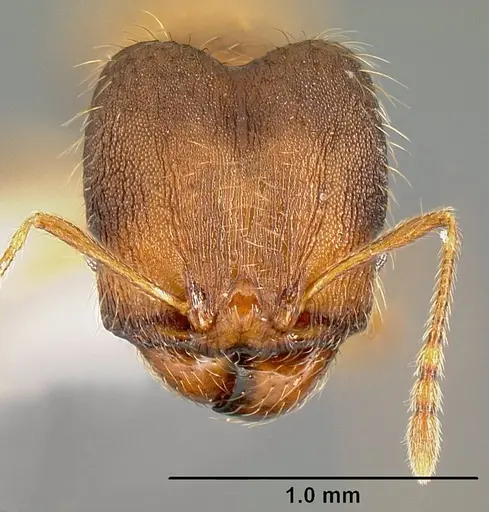
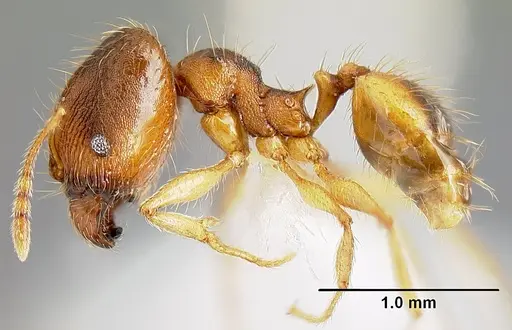
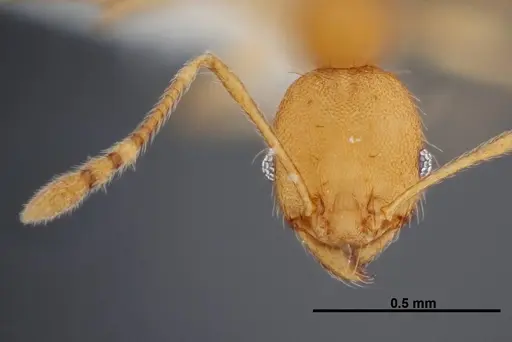
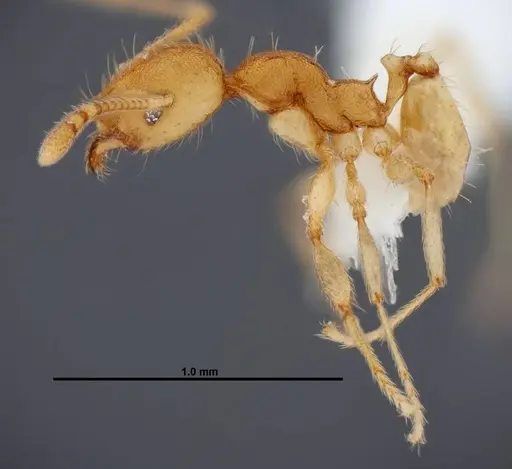
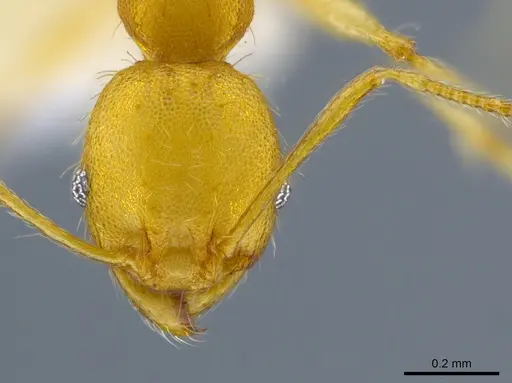
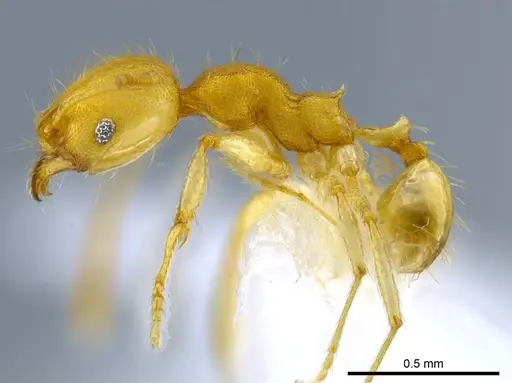
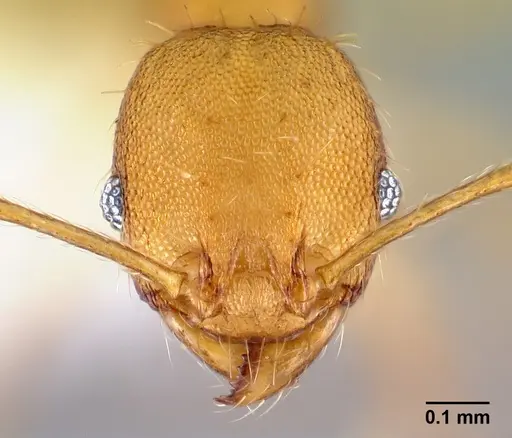
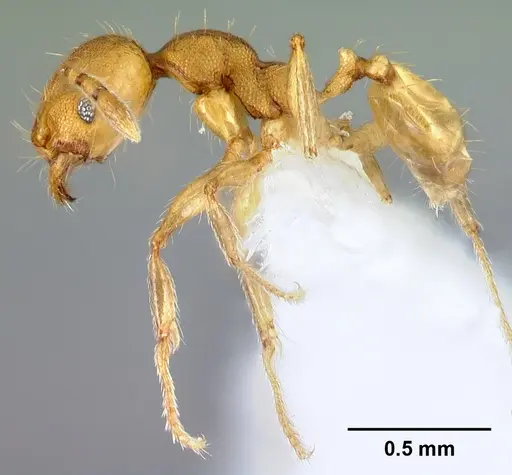
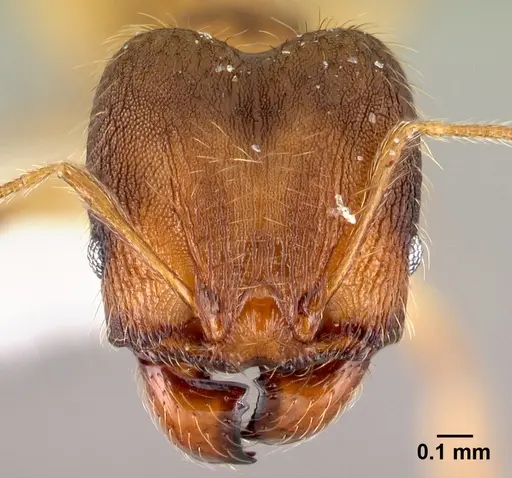
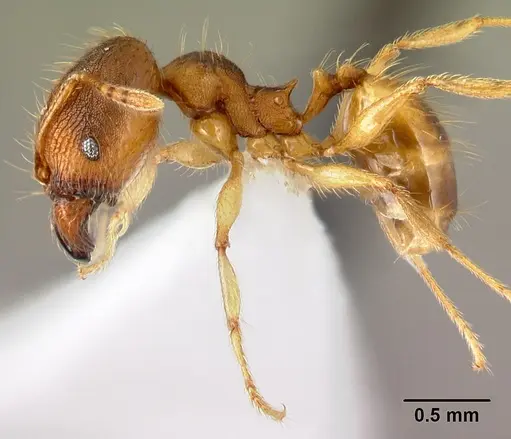
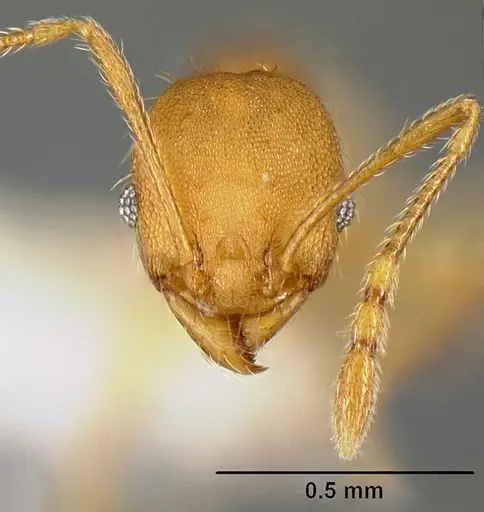
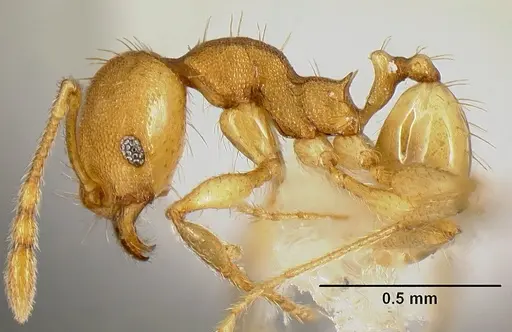
Pheidole phanigaster is a small Neotropical ant species described by Longino in 2009,found only in the northern Chiapas lowlands of Mexico. Minor workers are tiny at 0.46-0.50mm with a distinctive shiny orange gaster (the species name 'phanigaster' refers to this smooth, shining abdomen). Major workers are larger at 0.95-1.08mm with a red-brown coloration and matte (non-shiny) gaster. This species is known from wet forest habitat at low elevation (180m), where it was collected at bait samples. The genus Pheidole is famous for its soldier ants, the major workers have enlarged heads used for seed-crushing and colony defense. This species is relatively new to science and has limited distribution in the wild, making it an interesting species for more advanced antkeepers who want something uncommon.
Quick Summary
- Difficulty: Medium
- Origin & Habitat: Northern Chiapas lowlands, Mexico. Known only from wet forest habitat at 180m elevation in one locality near Salto de Agua [1][2].
- Colony Type: Colony structure is unconfirmed. Based on typical Pheidole patterns, likely single-queen (monogyne) colonies with major workers for defense and seed processing.
- Size & Growth:
- Queen: Not documented in original description, estimate based on genus patterns at 7-9mm
- Worker: Minor: 0.46-0.50mm, Major: 0.95-1.08mm [2]
- Colony: Likely several hundred to a few thousand workers based on typical Pheidole colony sizes
- Growth: Moderate, typical for tropical Pheidole species
- Development: Estimated 6-8 weeks at tropical temperatures based on related Pheidole species (Development time is estimated from genus-level data since species-specific timing has not been studied)
- Antkeeping:
- Temperature: Keep at 24-28°C, this is a tropical wet forest species from lowland Mexico [1]. A gentle gradient allowing workers to move between warmer and cooler areas is ideal.
- Humidity: High humidity required, think damp forest floor. Keep nest substrate consistently moist but not waterlogged. Provide a water tube for drinking water.
- Diapause: Likely minimal or no true diapause given the tropical origin. However, slight seasonal reduction in activity during cooler months may occur.
- Nesting: In captivity, standard test tube setups work well for founding colonies. For established colonies, Y-tong or plaster nests with moisture reservoirs maintain humidity well. This species accepts typical formicarium setups.
- Behavior: Pheidole phanigaster shows typical Pheidole behavior, major workers (soldiers) guard the nest and process seeds, while minor workers forage and care for brood. They are likely omnivorous, collecting seeds and hunting small insects. Workers are moderately aggressive when defending the nest but not particularly dangerous to humans. Escape prevention should be moderate, while smaller than many Pheidole, standard barriers like fluon should work well.
- Common Issues: colonies may be slow to establish due to small founding colony size, humidity control is critical, too dry causes brood failure, wild-caught colonies may have parasites or diseases, limited distribution means this species is rarely available, major workers may not appear until colony reaches moderate size
Nest Preferences and Housing
In the wild, Pheidole phanigaster nests in the moist soil of wet forest habitat at low elevation in Chiapas, Mexico [1]. For captive colonies, start with a standard test tube setup for founding queens, the queen will seal herself in a chamber and raise the first workers (nanitics) alone. Once the colony reaches 20-30 workers, you can transition to a proper formicarium. Y-tong nests or plaster nests work well because they hold moisture effectively, which is important for this moisture-loving species. Avoid overly dry setups, the nest substrate should feel damp to the touch. A water tube connected to the nest helps maintain humidity and provides drinking water.
Feeding and Diet
Pheidole species are typically omnivorous with a preference for protein-rich foods and seeds. In the wild, major workers use their powerful jaws to crack seeds, while minor workers forage for protein (insects) and carbohydrates (honeydew, nectars). Feed your colony a varied diet: protein sources like small crickets, mealworms, or fruit flies 2-3 times per week, and a sugar source like honey water or sugar water constantly. Seeds can be offered as enrichment once the colony has major workers, though this species may not process seeds as intensively as some other Pheidole. Remove uneaten protein within 24 hours to prevent mold.
Temperature and Seasonal Care
As a tropical wet forest species from lowland Mexico, Pheidole phanigaster needs warm, stable temperatures. Keep the nest area at 24-28°C, this range supports normal colony activity and brood development. A heating cable on one side of the nest creates a temperature gradient so workers can self-regulate. Avoid temperatures below 20°C for extended periods. Unlike temperate species, this ant likely does not require a true winter diapause. However, you may notice slightly reduced activity during cooler months (winter), which is normal. Maintain warmth year-round for optimal growth. [1]
Behavior and Colony Structure
Pheidole phanigaster follows the typical Pheidole social structure with distinct minor workers (foragers and nurses) and major workers (soldiers). Major workers have enlarged heads and powerful mandibles used for seed processing and colony defense. The colony will start with only minor workers, major workers typically appear once the colony grows to around 50-100 workers. Workers are moderately active and will establish clear foraging routes. They are not particularly aggressive toward humans and rarely sting. The species name 'phanigaster' refers to the minor worker's distinctive shiny gaster, which differentiates it from similar species like P. anastasii that have matte gasters. [2]
Growth and Development
The founding queen seals herself in a chamber (claustral founding) and raises the first brood using stored fat reserves. The first workers, called nanitics, are typically smaller than normal workers and appear after several weeks. After the nanitics emerge, the queen stops foraging and the workers take over all colony tasks. Growth rate is moderate, expect the colony to reach 50 workers within a few months under good conditions, with major workers appearing once the colony is established. Maximum colony size is not documented but likely reaches several thousand workers based on typical Pheidole patterns.
Frequently Asked Questions
How long does it take for Pheidole phanigaster to produce first workers?
First workers (nanitics) typically appear in 6-8 weeks after the queen lays eggs, assuming temperatures around 24-28°C. This is an estimate based on related Pheidole species since specific development timing for P. phanigaster has not been studied.
What do Pheidole phanigaster ants eat?
They are omnivorous. Feed protein (small insects like fruit flies, crickets, or mealworms) 2-3 times per week and provide a constant sugar source (honey water or sugar water). Seeds can be offered once major workers are present.
Are Pheidole phanigaster ants good for beginners?
This species is rated as medium difficulty. While not the hardest species, it requires warm temperatures and high humidity, which may require more equipment than beginner-friendly temperate species. The limited availability (known from only one locality) also makes them harder to obtain.
What temperature do Pheidole phanigaster ants need?
Keep them at 24-28°C. This is a tropical wet forest species from lowland Mexico, so warmth is important for colony health and brood development.
How big do Pheidole phanigaster colonies get?
Maximum colony size is not documented, but based on typical Pheidole patterns, colonies likely reach several hundred to a few thousand workers.
When do major workers appear in Pheidole phanigaster colonies?
Major workers (soldiers) typically appear once the colony reaches 50-100 workers. The queen focuses on producing minor workers initially, then begins producing majors as the colony grows.
Can I keep multiple queen Pheidole phanigaster together?
Colony structure is unconfirmed for this species. Based on typical Pheidole patterns, they likely form single-queen colonies. Combining unrelated foundress queens is not recommended as they would likely fight.
Do Pheidole phanigaster ants need hibernation?
Likely no true hibernation is required. This is a tropical species from wet forest habitat in Mexico, so they prefer warm conditions year-round. A slight reduction in activity during cooler months is normal.
Why is my Pheidole phanigaster colony not growing?
Common causes include: temperatures too low (below 24°C), humidity too dry, poor nutrition, or the queen has died. Check that the nest is warm (24-28°C), damp but not waterlogged, and offer varied protein foods regularly.
References

This caresheet is licensed under CC BY-SA 4.0 .
CASENT0609087
View on AntWeb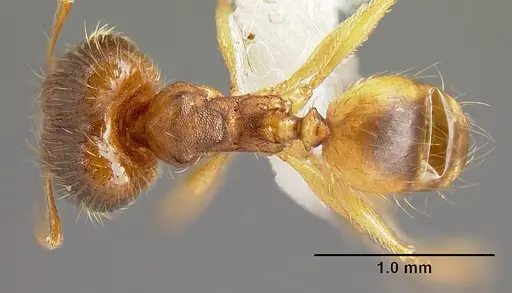
CASENT0609089
View on AntWeb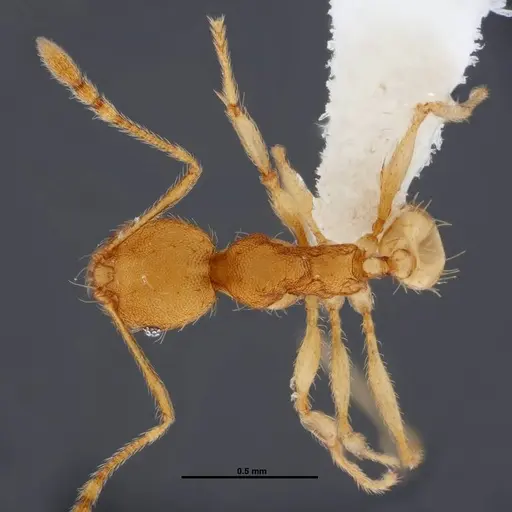
CASENT0609092
View on AntWeb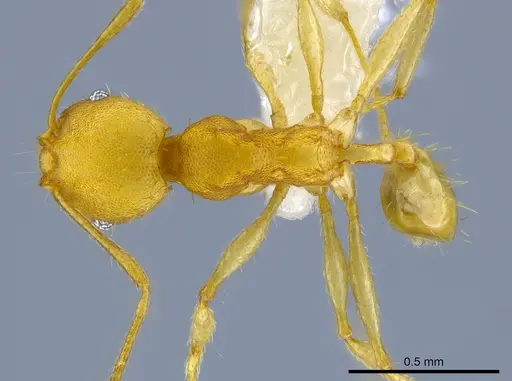
CASENT0609093
View on AntWeb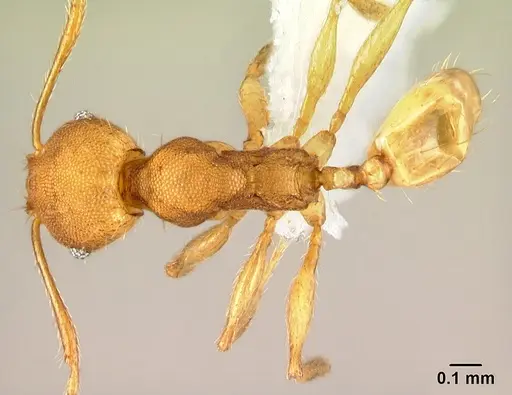
CASENT0609100
View on AntWeb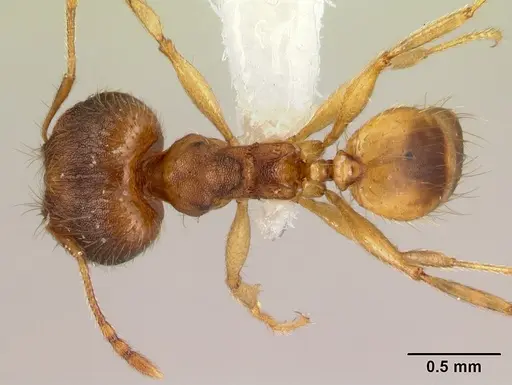
CASENT0609106
View on AntWeb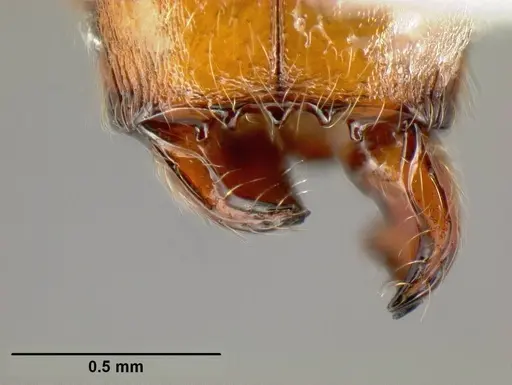
CASENT0609108
View on AntWeb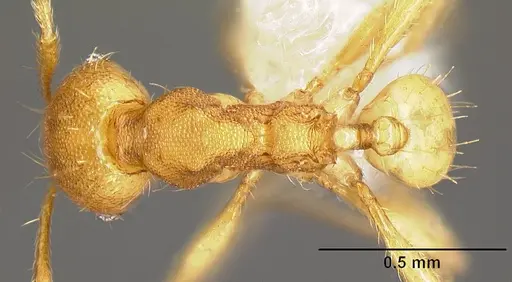
Literature
Loading...Loading products...