

Pheidole perryorum
- Scientific Name
- Pheidole perryorum
- Tribe
- Attini
- Subfamily
- Myrmicinae
- Author
- Wilson, 2003
- Distribution
- Found in 1 countries
Pheidole perryorum Overview
Pheidole perryorum is an ant species of the genus Pheidole. It is primarily documented in 1 countries , including Brazil. Detailed taxonomic data and occurrence records can be further explored via authoritative databases such as AntWeb or the Global Biodiversity Information Facility (GBIF).
Pheidole perryorum
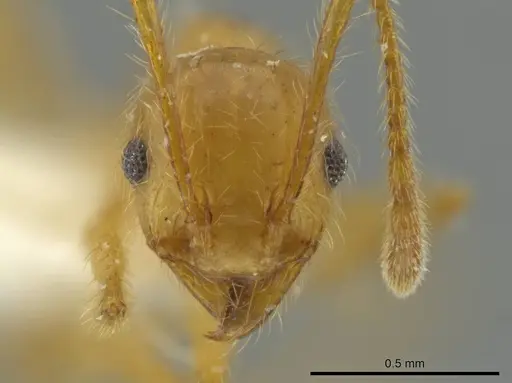
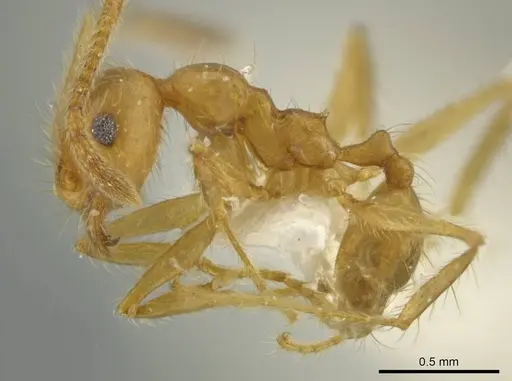
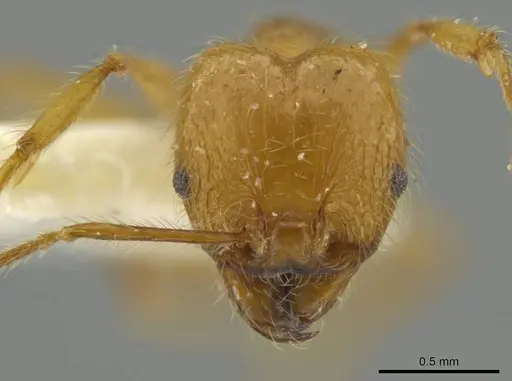
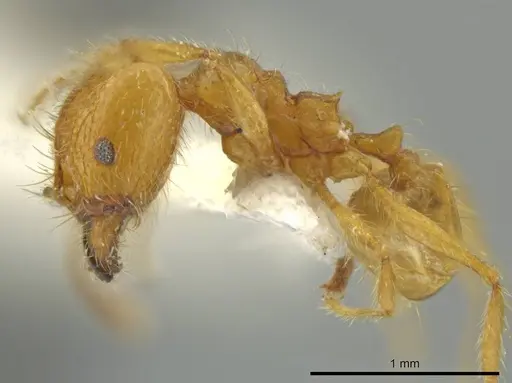
Pheidole perryorum is a small yellow ant belonging to the diligens group, native to Brazil. Majors measure 0.94mm in head width with a stocky yellow body, while minors are more slender at 0.56mm. The species is distinguished by dense pilosity (long hairs) on the waist and abdomen, and the antennal scape just reaches the occipital corner in majors. This ant was discovered in the lowland swamp forests of São Paulo state and named in honor of Noel Perry and family for their conservation efforts. Only known from the type locality, making it a relatively rare species in the antkeeping hobby.
Quick Summary
- Difficulty: Medium
- Origin & Habitat: Lowland swamp forest in São Paulo state, Brazil [1]. Also recorded in the understory of Pinus elliottii forests in southern Brazil [2].
- Colony Type: Monogyne (single queen colonies), typical for the genus Pheidole. Colony size likely reaches several hundred to over a thousand workers given the typical growth pattern of Pheidole species.
- Colony: Monogyne
- Founding: Claustral
- Size & Growth:
- Queen: Unknown for this species, estimated 5-7mm based on genus patterns
- Worker: Major: HW 0.94mm, Minor: HW 0.56mm [1]
- Colony: Likely several hundred to over 1000 workers based on typical Pheidole colony growth
- Growth: Moderate, typical for tropical Pheidole species
- Development: Estimated 6-8 weeks at optimal temperature based on related Pheidole species (Development time inferred from genus patterns, direct data for this species unavailable)
- Antkeeping:
- Temperature: Keep at 24-28°C, they are a tropical Brazilian species that prefers warm conditions. A gentle gradient allowing cooler areas around 22°C is recommended.
- Humidity: High humidity required, their natural habitat is lowland swamp forest. Keep nest substrate consistently moist but not waterlogged. Aim for 70-80% humidity.
- Diapause: No true diapause required, being tropical, they remain active year-round if kept warm. However, slight temperature reduction in winter (down to 20-22°C) may slow activity naturally.
- Nesting: Y-tong (AAC) nests or plaster nests work well. The key is maintaining humidity while providing good ventilation. They do well in naturalistic setups with moist substrate. Avoid completely dry environments.
- Behavior: Typical Pheidole temperament, generally peaceful but majors will defend the colony if threatened. They are active foragers with majors (soldiers) helping process larger food items. Minor workers handle most daily tasks. They have a stinger but due to their small size, it rarely penetrates human skin. Escape prevention is important, use fine mesh and tight-fitting lids as they can squeeze through small gaps.
- Common Issues: high humidity maintenance is critical, dry conditions will kill the colony, escape prevention requires attention due to their small size and ability to fit through tiny gaps, colonies may decline if not provided adequate protein sources, they need regular insect feeding, test tube setups can flood if water reservoirs are overfilled, use proper drainage, slow initial founding phase is normal, Pheidole queens can take time to establish first workers
Nest Preferences and Housing
Pheidole perryorum originates from lowland swamp forests in Brazil, which means they need consistently moist conditions with good ventilation. Y-tong (AAC) nests work excellently for this species because they hold humidity well while allowing proper air flow. Plaster nests are another good option, just ensure the plaster doesn't dry out completely. If using a naturalistic setup, provide a deep layer of moist substrate (at least 5-10cm) so the ants can create their own chambers. Avoid completely dry test tube setups, these ants need humidity to survive. The nest should have a water reservoir or be connected to a hydration setup that maintains moisture over time. A good rule is keeping the nest substrate damp to the touch without standing water. [1]
Feeding and Diet
Pheidole perryorum is a typical omnivorous Pheidole species. They need regular protein sources (insects) and will also accept sugar. Feed small insects like fruit flies, pinhead crickets, or small mealworms twice weekly. Crush larger prey so minors can process it, majors will help but prefer smaller, manageable pieces. Sugar water, honey, or commercial ant sweets should be available constantly. In the wild, they likely forage for small arthropods and tend aphids for honeydew. In captivity, they do well on a varied diet. Remove uneaten prey after 24-48 hours to prevent mold. A diverse diet helps promote faster colony growth and healthier brood development.
Temperature and Seasonal Care
Being a tropical species from Brazil, Pheidole perryorum needs warm temperatures to thrive. Keep the nest area at 24-28°C for optimal brood development. A heating cable on one side of the nest can create a gentle gradient, place it on top of the nest, not underneath, to avoid evaporating all the moisture. Room temperature (around 22-24°C) is acceptable if your home runs warm. They do not require true hibernation like temperate species, but you can allow a slight temperature drop in winter (down to 20-22°C) which may naturally slow their activity. Just don't let temperatures drop below 18°C for extended periods. Consistent warmth year-round produces the best results for colony growth.
Behavior and Colony Structure
This species exhibits the typical Pheidole caste system with distinct major and minor workers. Majors have enlarged heads and are specialized for defense and processing large food items, while minors handle most foraging, brood care, and daily tasks. The colony will start slowly, claustral founding queens seal themselves in and may take 4-8 weeks to produce first workers (nanitics). Once established, growth accelerates as more workers emerge. Majors typically appear when the colony reaches several dozen workers. They are not aggressive toward keepers but will defend if the nest is disturbed. Their small size means they can escape through remarkably tiny gaps, always use fine mesh (at least 0.5mm) and check lid seals regularly.
Frequently Asked Questions
How long does it take for Pheidole perryorum to produce first workers?
Expect 6-8 weeks from egg to first worker at optimal temperature (24-28°C). This is typical for tropical Pheidole species. The queen seals herself in during founding and lives off stored fat until her first nanitic workers emerge.
What do Pheidole perryorum ants eat?
They are omnivorous. Feed small insects (fruit flies, pinhead crickets, small mealworms) twice weekly as protein, and provide constant access to sugar water or honey. Crush larger prey for easier processing by minor workers.
Can I keep multiple Pheidole perryorum queens together?
No, Pheidole perryorum is monogyne (single queen). Unlike some Pheidole species, they do not form multi-queen colonies. Only keep one queen per colony.
What temperature do Pheidole perryorum ants need?
Keep them at 24-28°C. They are a tropical Brazilian species requiring warm conditions. A slight drop to 20-22°C in winter is acceptable but not required.
Do Pheidole perryorum ants need hibernation?
No, as a tropical species from Brazil, they do not require true hibernation. They remain active year-round if kept warm. A slight temperature reduction in winter is optional but not necessary.
How big do Pheidole perryorum colonies get?
Based on typical Pheidole growth patterns, colonies likely reach several hundred to over 1000 workers at maturity. The presence of major workers (soldiers) typically appears once the colony reaches 50-100 workers.
What humidity level do Pheidole perryorum ants need?
High humidity, their natural habitat is lowland swamp forest. Keep nest substrate consistently moist but not waterlogged. Aim for 70-80% humidity. Dry conditions will kill the colony.
When should I move Pheidole perryorum to a formicarium?
Wait until the colony has at least 50-100 workers before moving from a founding setup. Pheidole colonies are sensitive to disturbance during early founding. A Y-tong or plaster nest works well once they outgrow a test tube setup.
Are Pheidole perryorum ants good for beginners?
They are rated Medium difficulty. The main challenges are maintaining high humidity and escape prevention due to their small size. Experienced antkeepers will have better success with this species.
References

This caresheet is licensed under CC BY-SA 4.0 .
CASENT0645848
View on AntWeb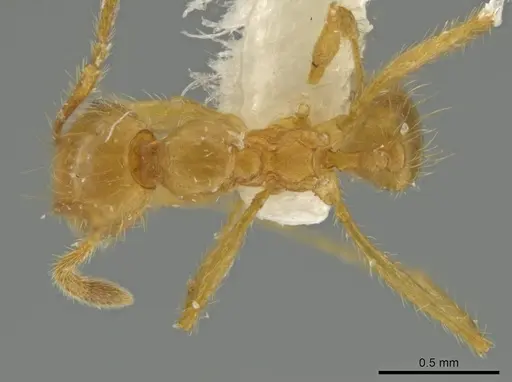
JTLC000016490
View on AntWeb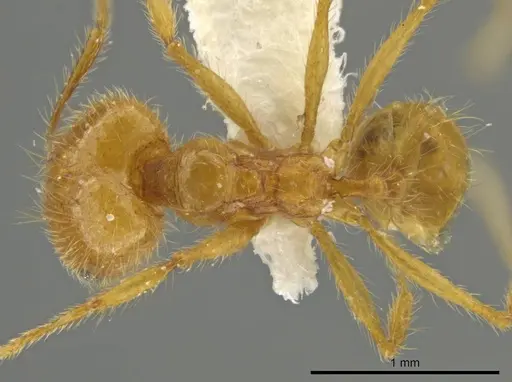
Literature
Loading...Loading products...