

Pheidole peregrina
- Scientific Name
- Pheidole peregrina
- Tribe
- Attini
- Subfamily
- Myrmicinae
- Author
- Wheeler, 1916
- Distribution
- Found in 1 countries
Pheidole peregrina Overview
Pheidole peregrina is an ant species of the genus Pheidole. It is primarily documented in 1 countries , including Brazil. Detailed taxonomic data and occurrence records can be further explored via authoritative databases such as AntWeb or the Global Biodiversity Information Facility (GBIF).
Pheidole peregrina
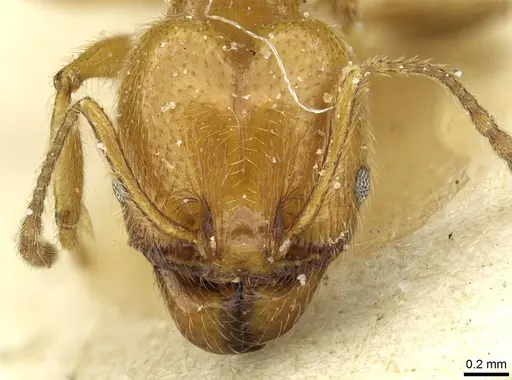
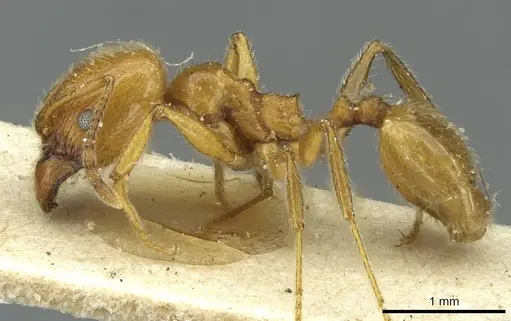
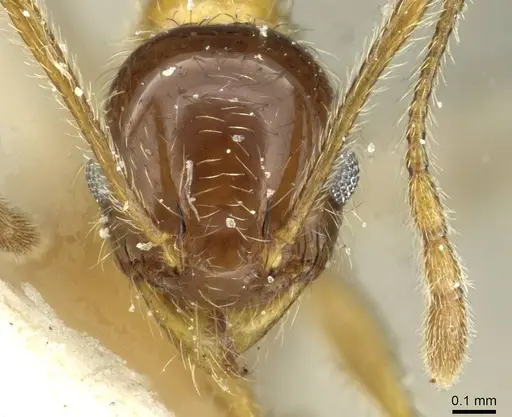
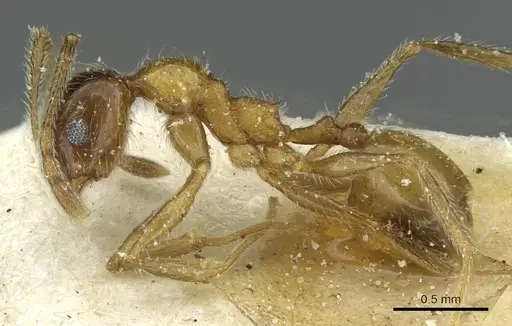
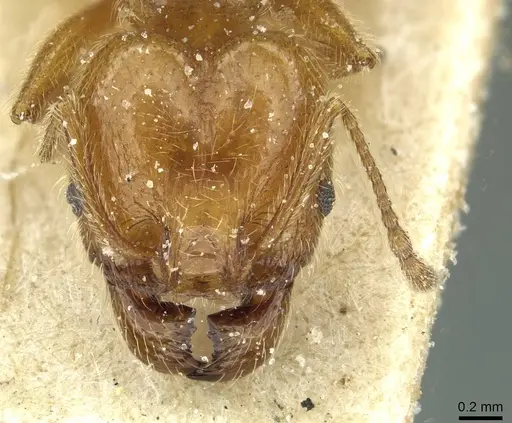
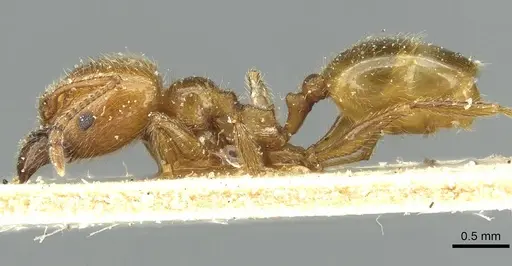
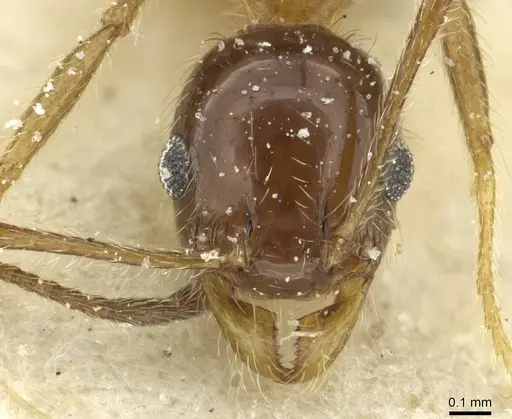
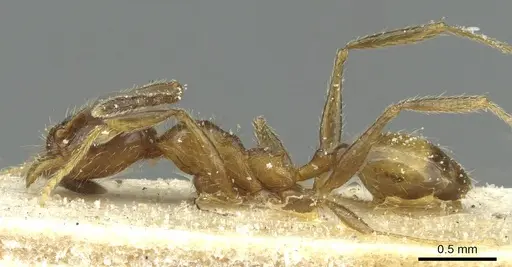
Pheidole peregrina is a small, yellow ant species belonging to the diligens group, native to the São Paulo region of Brazil. Majors measure around 1.0mm in head width, while minors are roughly half that size at 0.54mm. The species is entirely yellow to golden-brown in color, with majors having a distinctive smooth and shiny posterior head capsule. This species was originally discovered when a colony was found inside a floating tree trunk that had washed ashore on Isla São Sebastião, an island off the coast of São Paulo. The name 'peregrina' means 'traveling' or 'foreign' in Latin, referring to this unusual discovery method.
Like other Pheidole species, P. peregrina has major and minor worker castes. The majors have a small rugoreticulum patch just mesad to the eye and moderately abundant pilosity (hairs) across the body. This species is part of a group of small, yellow Pheidole that specialize in marginal habitats, similar to the widespread vafra. The type specimens were collected from Ilha dos Alcatrazes, another island in the São Paulo archipelago.
Quick Summary
- Difficulty: Medium
- Origin & Habitat: São Paulo state, Brazil, islands off the coast including Isla São Sebastião and Ilha dos Alcatrazes. Found in the Neotropical region, likely in forest margins or coastal areas.
- Colony Type: Colony structure is unconfirmed. Most Pheidole species are monogyne (single queen), though some can be polygyne.
- Founding: Claustral
- Size & Growth:
- Queen: Unconfirmed, likely around 6-8mm based on genus patterns for small Pheidole
- Worker: Majors: ~1.0mm head width (HW), Minors: ~0.54mm HW
- Colony: Likely several hundred to a few thousand workers based on genus patterns
- Growth: Moderate, typical for small Myrmicinae
- Development: Estimated 6-10 weeks based on related small Pheidole species (Development time is temperature-dependent, tropical/subtropical species typically develop faster)
- Antkeeping:
- Temperature: Keep at 24-28°C, they are a Brazilian tropical species [1]
- Humidity: Moderate to high humidity preferred, provide moist substrate
- Diapause: Unlikely, Brazilian species from subtropical region may have reduced activity in cooler months but probably no true diapause
- Nesting: In nature they nest in soil, under stones, or in rotting wood. A Y-tong (AAC) nest or naturalistic setup with soil works well [1]
- Behavior: Pheidole are generally non-aggressive but will defend their nest vigorously. Majors serve as soldiers and food processors. They are active foragers that harvest seeds and hunt small insects. Escape prevention is important, use fine mesh as minors are small enough to escape through standard gaps [1].
- Common Issues: colonies may be slow to establish initially, patience is needed during founding, small colony size means they can be easily overwhelmed by excessive disturbance, minors can escape through tiny gaps, use fine mesh barriers, humidity must be maintained but substrate should not become waterlogged, wild-caught colonies may carry parasites that can cause colony loss
Housing and Nest Setup
Pheidole peregrina can be kept in standard ant housing setups. A test tube setup works well for founding colonies, use a standard test tube with a water reservoir separated by a cotton plug. The tube should be kept horizontal or slightly elevated so the queen can retreat to the darker end. Once the colony reaches 20-30 workers, you can consider moving them to a formicarium. A Y-tong (AAC) nest works excellently for Pheidole because the narrow chambers are scaled to their small size. Alternatively, a naturalistic setup with a soil chamber and outworld allows them to forage naturally. Ensure all connections between nest and outworld are secure, these ants are small and can squeeze through surprisingly small gaps. Use fluon or another barrier on the rim of the outworld to prevent escapes [1].
Feeding and Diet
Pheidole peregrina is an omnivorous species that will accept a variety of foods. In captivity, they readily eat small insects such as fruit flies, pinhead crickets, and mealworms. Offer protein sources 2-3 times per week. They also consume sweet liquids, a drop of sugar water or honey water in the outworld will be readily accepted. Like other Pheidole, they may also collect seeds, so you can occasionally offer small seeds like sesame or millet. Fresh water should always be available. Remove uneaten food after 24-48 hours to prevent mold. A varied diet helps keep colonies healthy, alternate between different protein sources and don't forget the sugar component [1].
Temperature and Humidity
As a Brazilian species from the São Paulo region, Pheidole peregrina prefers warm conditions. Keep the nest at 24-28°C for optimal brood development. Room temperature in most homes (20-24°C) is acceptable, but you may want to use a heating cable or mat on one side of the nest to create a warm zone around 26°C. Place the heating on top of the nest, not underneath, to avoid evaporating moisture too quickly. Humidity should be moderate, the substrate should feel damp but not waterlogged. Mist the nest occasionally, but allow it to dry slightly between mistings. A humidity gradient is ideal, with one area slightly damper than the other so the ants can choose their preferred spot. Avoid placing the nest near air conditioning vents or drafty areas [1].
Colony Development
The founding process for Pheidole peregrina follows the typical claustral pattern. The queen seals herself in a small chamber and does not leave to forage, she lives entirely on her stored fat reserves while raising the first brood. This founding period can take 4-8 weeks or longer depending on temperature. The first workers (nanitics) will be smaller than normal workers but the colony will quickly produce larger workers as it grows. Expect the colony to grow gradually over the first few months, then accelerate once the colony reaches 50+ workers. Pheidole colonies can eventually reach several thousand workers. The presence of major workers (soldiers) becomes more noticeable as the colony grows, these larger workers help process food and defend the nest. Be patient during the founding phase as this is when colonies are most vulnerable [1].
Behavior and Temperament
Pheidole peregrina is a relatively calm species that is not particularly aggressive toward keepers. They will retreat into their nest rather than engage in prolonged aggression. However, majors will readily defend the colony if the nest is threatened. Workers are active foragers that will emerge quickly when food is introduced. They communicate through chemical trails, you may see them forming a line to food sources. The majors use their larger heads to process seeds and dismember larger prey items, passing the processed food to minors who carry it back to the nest. This division of labor is fascinating to observe. The species is not known for biting or stinging humans, their main defense is simply retreating into the nest. Escape prevention is important because minors are small enough to slip through standard gaps in housing [1].
Frequently Asked Questions
How long does it take for Pheidole peregrina to raise first workers?
The time from egg to first worker typically takes 6-10 weeks, depending on temperature. At optimal temperatures (around 26-28°C), development is faster. The queen will seal herself in during founding and raise the first brood alone, this claustral founding period usually lasts 4-8 weeks [1].
What do Pheidole peregrina ants eat?
They are omnivores that accept both protein and sugar. Feed small insects like fruit flies, pinhead crickets, or mealworms 2-3 times per week. They also readily consume sugar water, honey water, or honey. You can occasionally offer small seeds. Remove uneaten food after 24-48 hours to prevent mold [1].
Can I keep multiple Pheidole peregrina queens together?
The colony structure for this specific species is unconfirmed. Most Pheidole are monogyne (single queen), though some species can be polygyne. It is generally not recommended to combine unrelated foundress queens as they may fight. If you have multiple founding queens, keep them in separate test tubes until you are certain they are from the same colony [1].
What temperature is best for Pheidole peregrina?
Keep them at 24-28°C. They are a Brazilian tropical species and prefer warm conditions. A heating cable on one side of the nest can help maintain optimal temperatures. Avoid temperatures below 20°C for extended periods [1].
Are Pheidole peregrina good for beginners?
This species is rated as Medium difficulty. They are more challenging than some common species because they are small and require careful escape prevention. However, they are not aggressive and their care requirements are straightforward once established. Beginners should be prepared for the slow initial founding phase [1].
When should I move my colony to a formicarium?
Move the colony once you see 20-30 workers in a test tube setup. Before then, the colony is too small and moving them risks damaging the queen or losing workers. Make sure the formicarium has appropriately sized chambers, Pheidole prefer tight, snug chambers rather than large open spaces [1].
How big do Pheidole peregrina colonies get?
Based on genus patterns, colonies can reach several hundred to a few thousand workers. Major workers (soldiers) become more common as the colony grows. Full colony maturity may take 1-2 years under good conditions [1].
Do Pheidole peregrina need hibernation?
No, this is a Brazilian tropical/subtropical species that does not require true hibernation. They may have reduced activity during cooler months but should be kept at warm temperatures year-round (24-28°C). Do not expose them to cold temperatures [1].
Why are my Pheidole peregrina escaping?
Minors are very small and can squeeze through tiny gaps. Check all connections between the nest and outworld, use fine mesh (at least 0.5mm or smaller) and apply fluon to rim edges. Even a small gap that seems insignificant can allow these tiny ants to escape [1].
What size nest chamber should I use?
Use chambers scaled to their small size. For a Y-tong nest, the standard small chambers work well. The chambers should feel snug for the ants, they prefer tight spaces. Avoid large, open chambers that can make them feel exposed [1].
References

This caresheet is licensed under CC BY-SA 4.0 .
CASENT0913339
View on AntWeb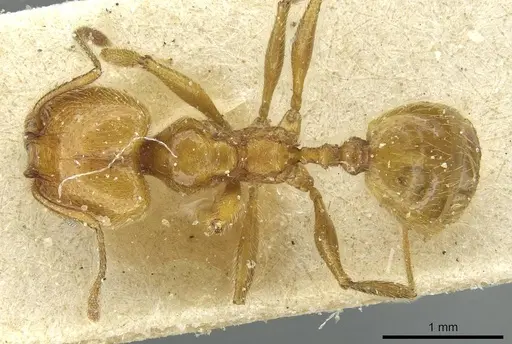
CASENT0913340
View on AntWeb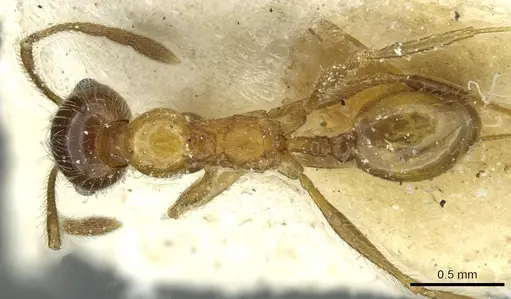
CASENT0913341
View on AntWeb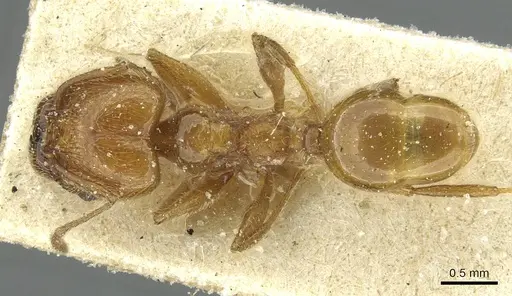
CASENT0913342
View on AntWeb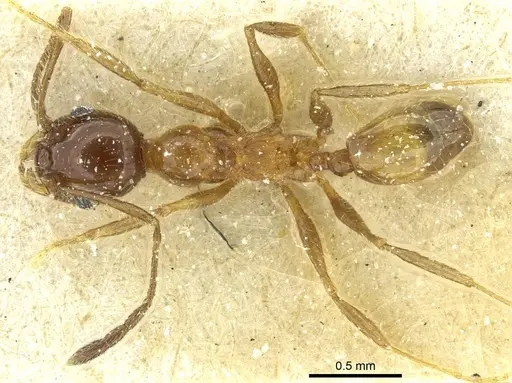
Literature
Loading...Loading products...