
Pheidole parva exhibits a clear seasonal flight window. Peak flight activity is concentrated in November, with the overall period spanning April to December. This extended season suggests multiple flight events or varying conditions across its range.
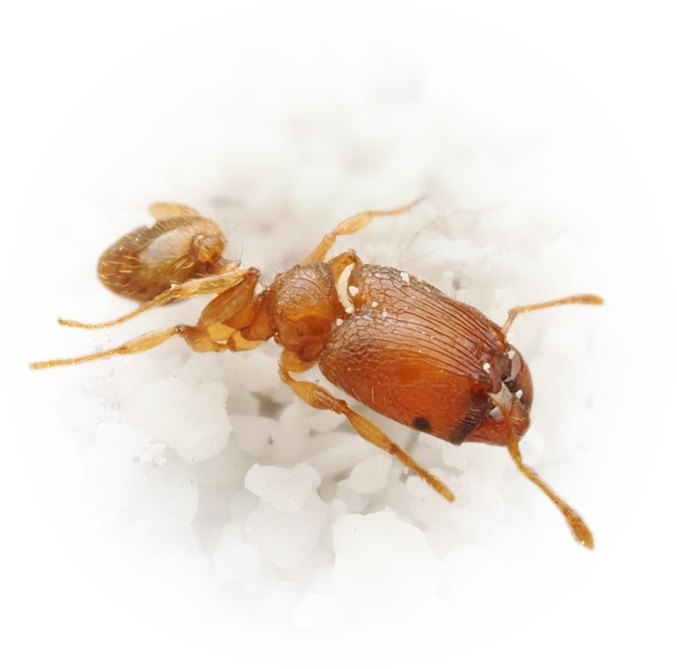
Pheidole parva
- Scientific Name
- Pheidole parva
- Tribe
- Attini
- Subfamily
- Myrmicinae
- Author
- Mayr, 1865
- Distribution
- Found in 15 countries
- Nuptial Flight
- from April to December, peaking in November
AI Identifiable
try →
Pheidole parva Overview
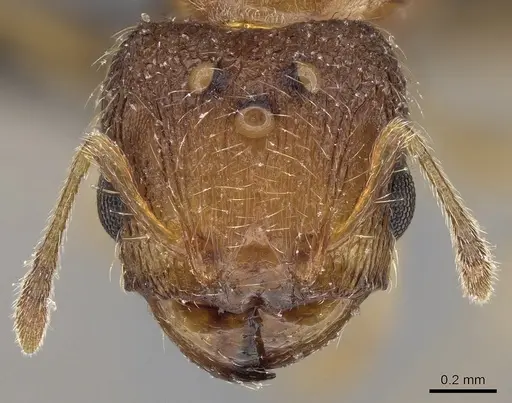
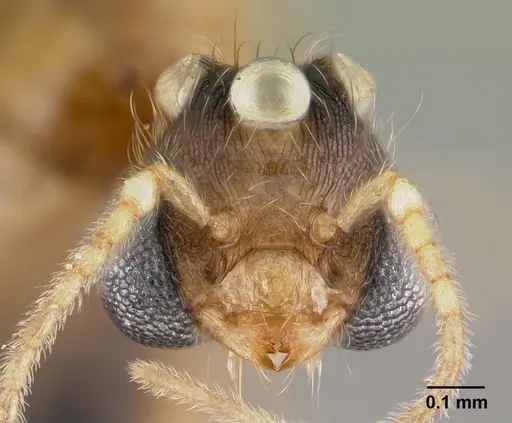
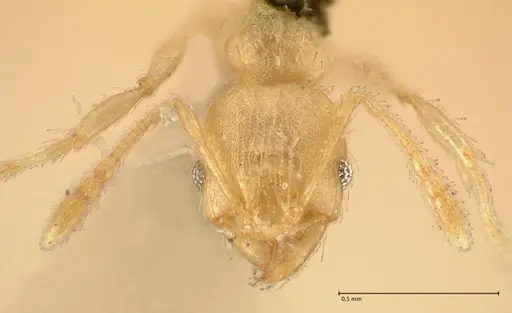
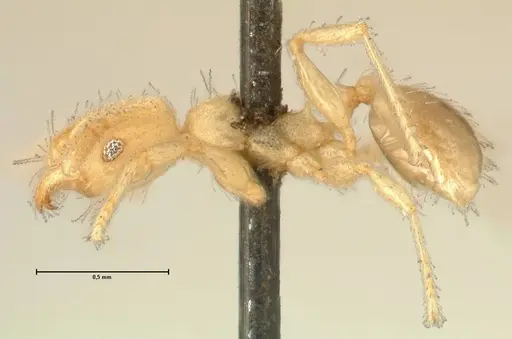
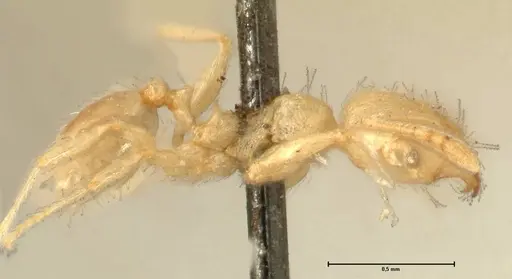
Pheidole parva is an ant species of the genus Pheidole. It is primarily documented in 15 countries , including China, Hong Kong, Indonesia. Detailed taxonomic data and occurrence records can be further explored via authoritative databases such as AntWeb or the Global Biodiversity Information Facility (GBIF).
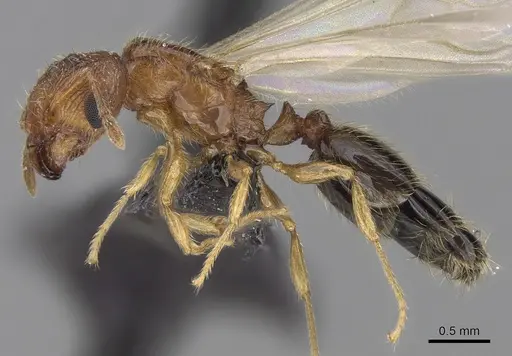
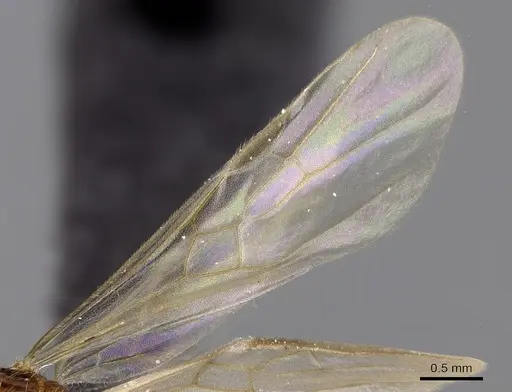
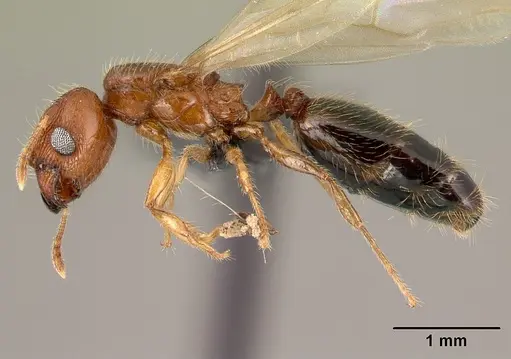
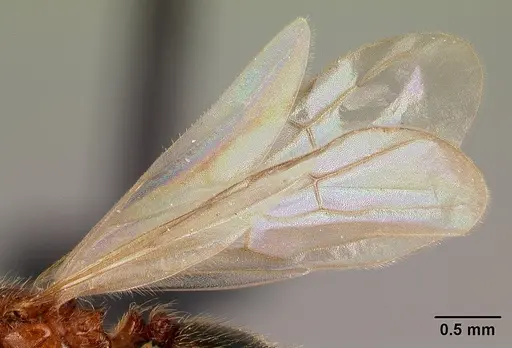
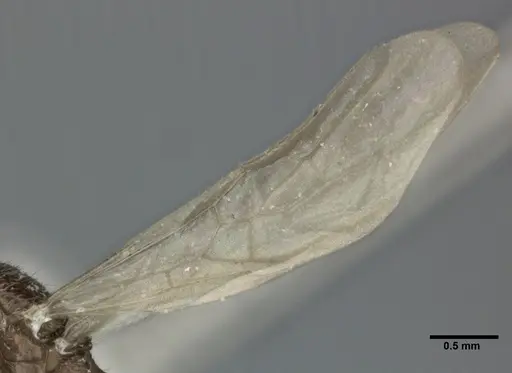
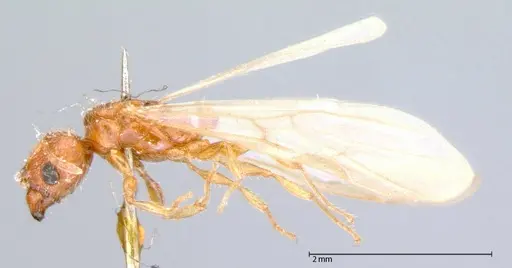
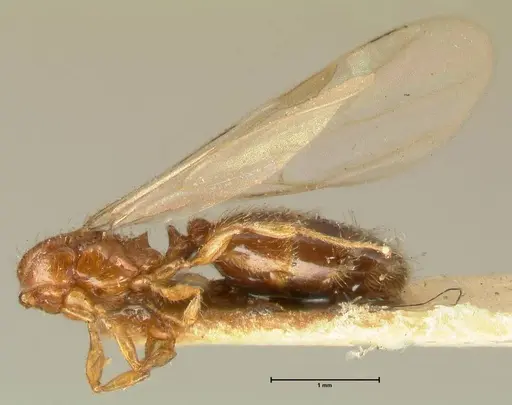
The nuptial flight of Pheidole parva is a significant biological event, typically occurring from April to December, peaking in November. During this time, winged queens and males leave the nest to mate and establish new colonies.
Pheidole parva
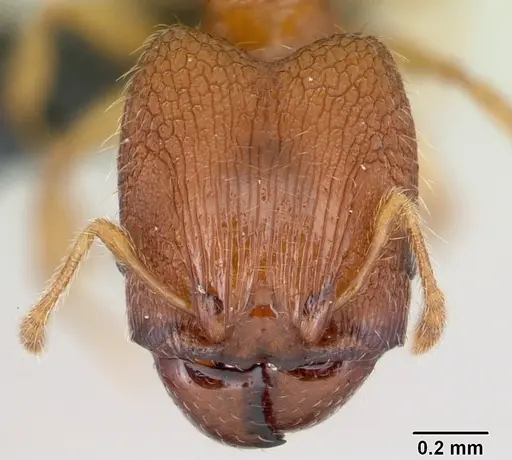
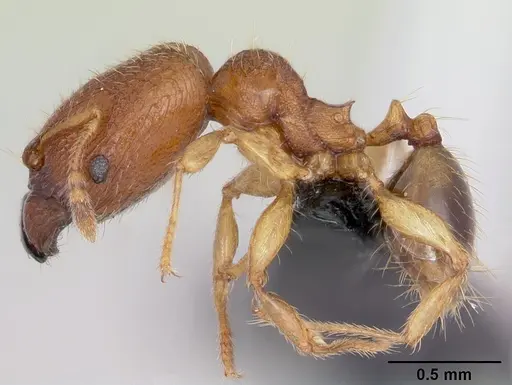
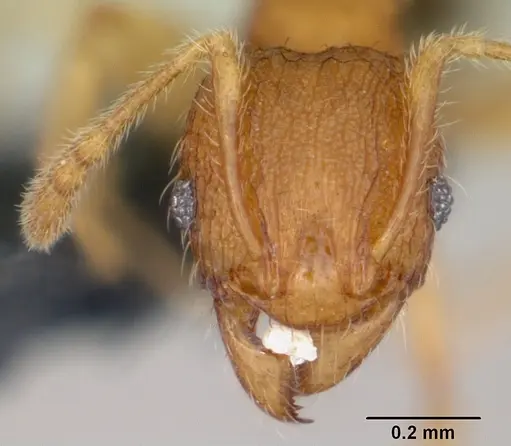
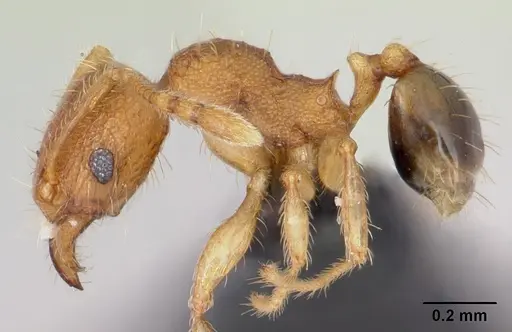
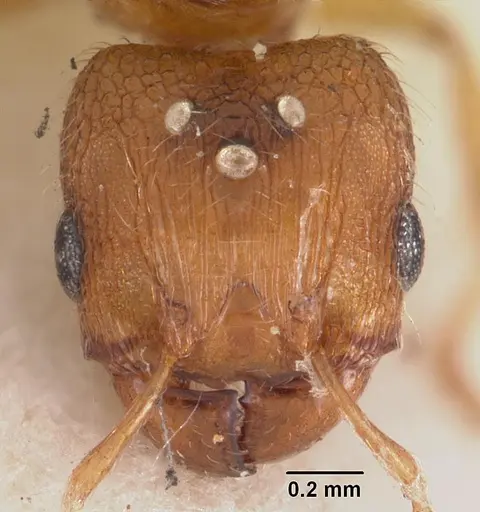
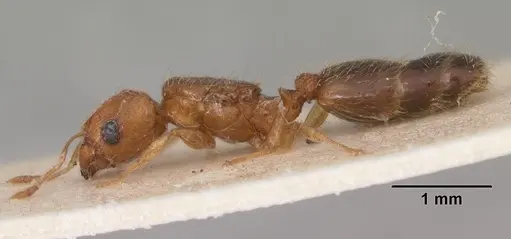
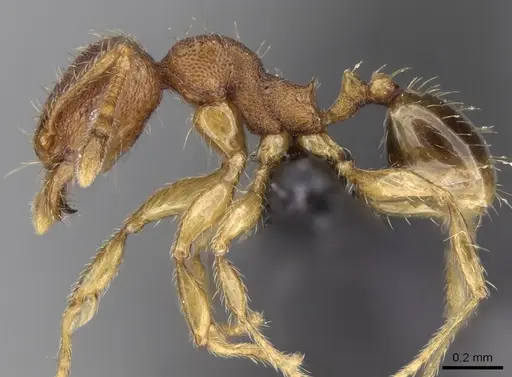
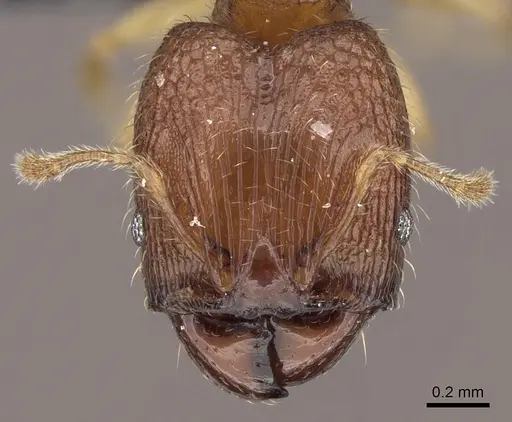
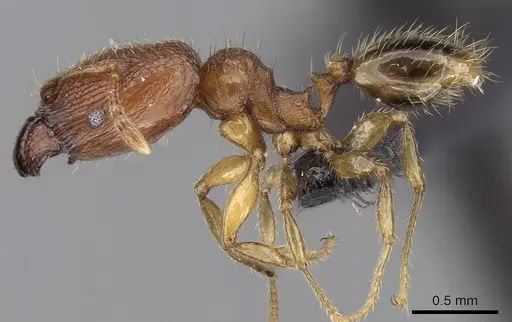
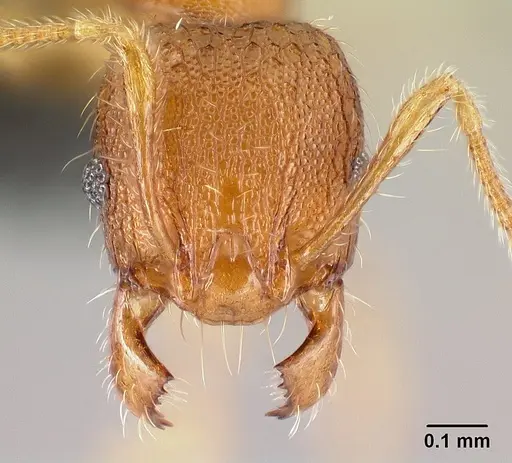
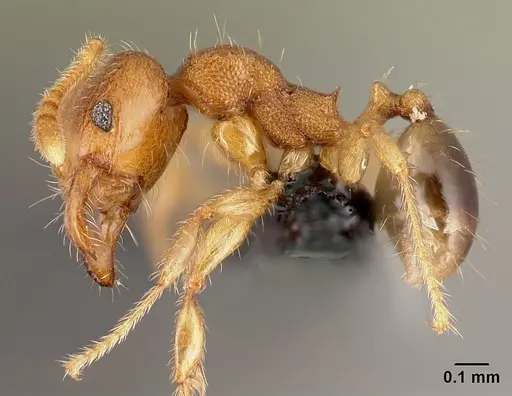
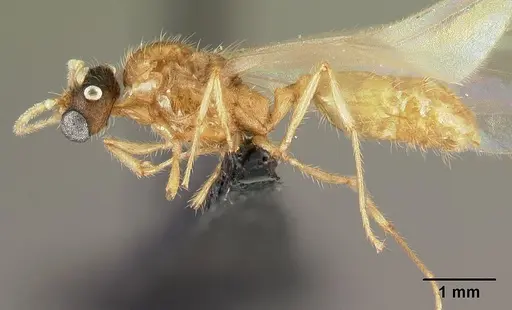
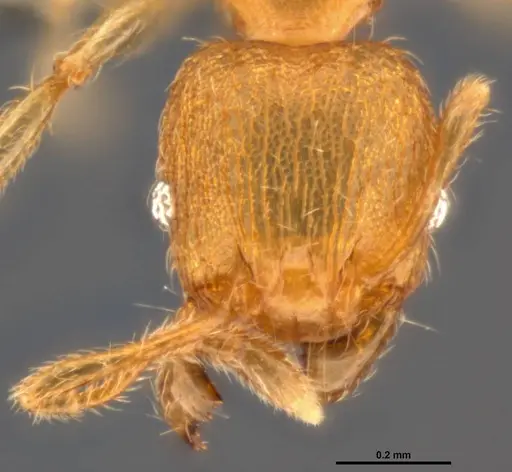
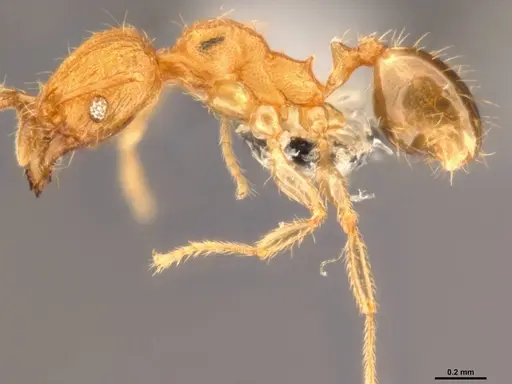
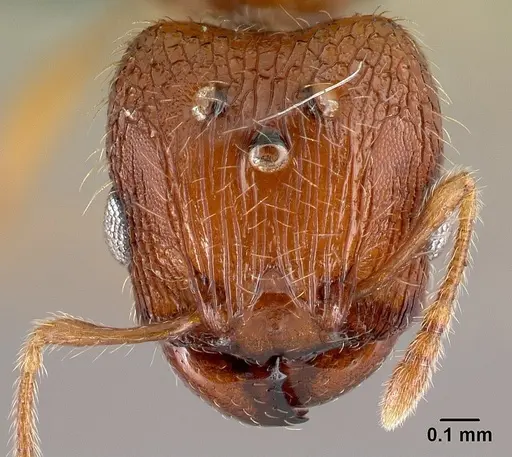
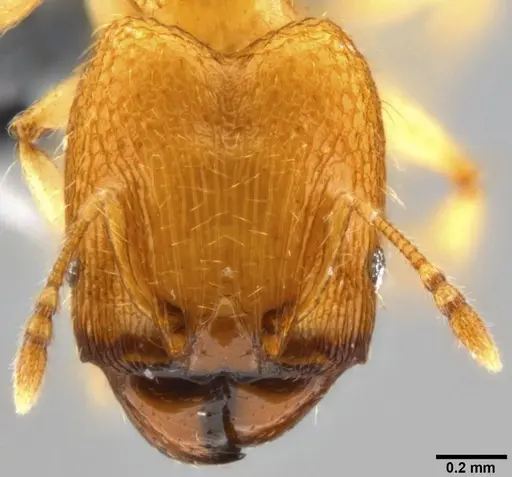
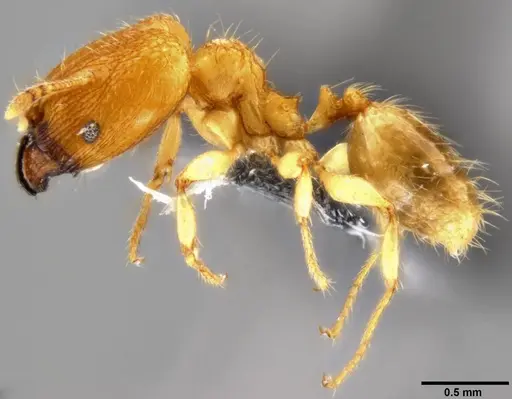
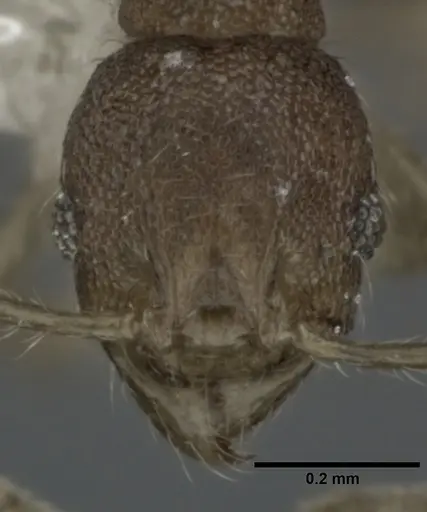
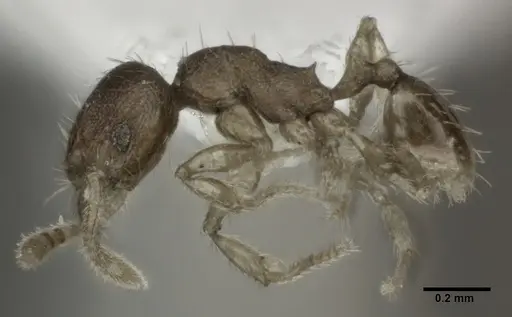
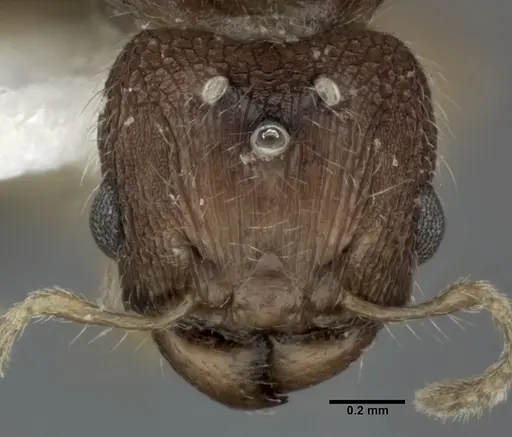
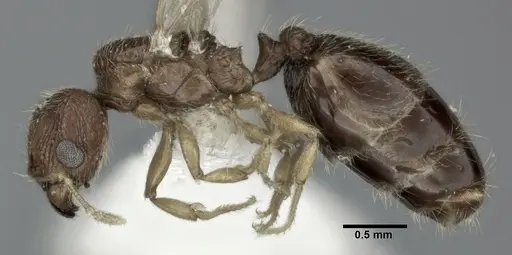
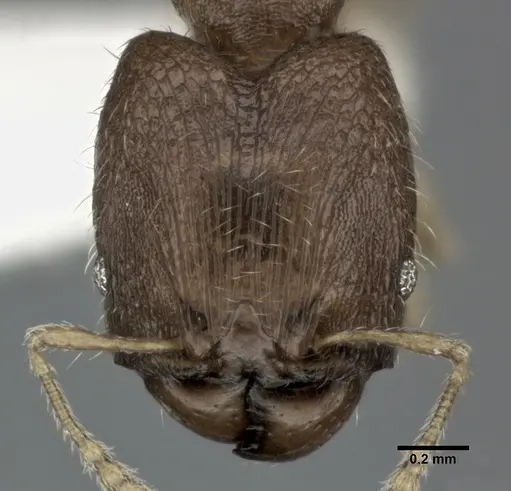
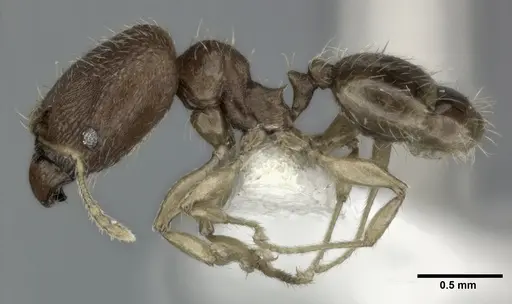
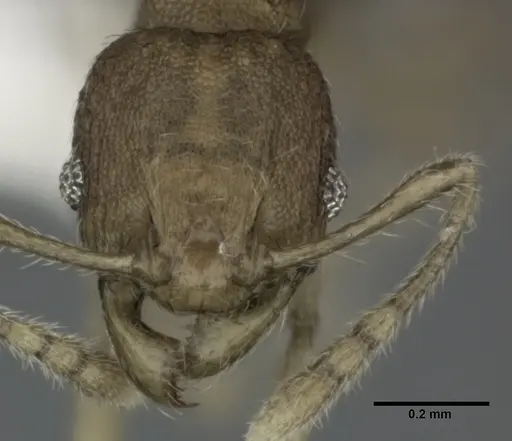
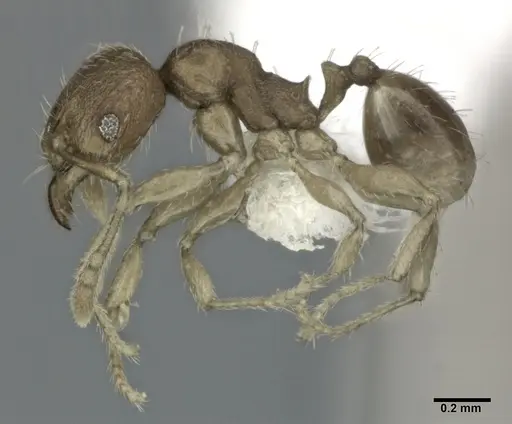
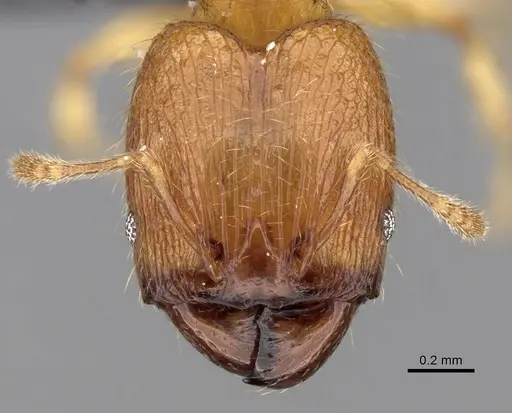
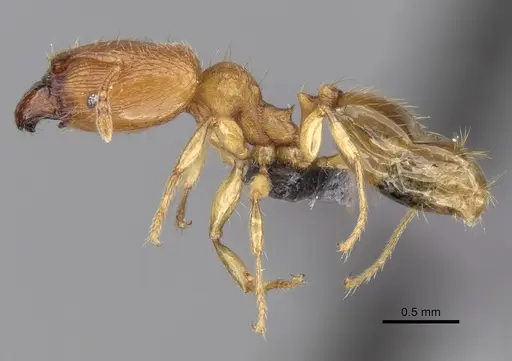
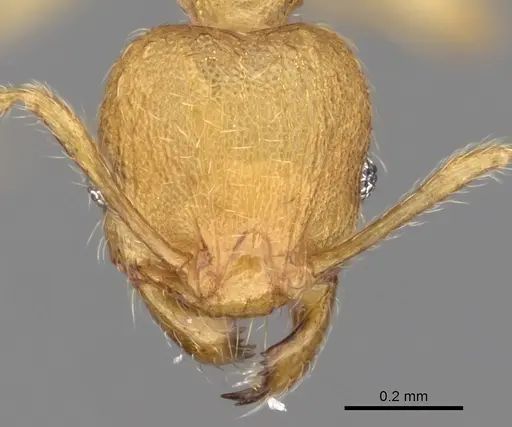
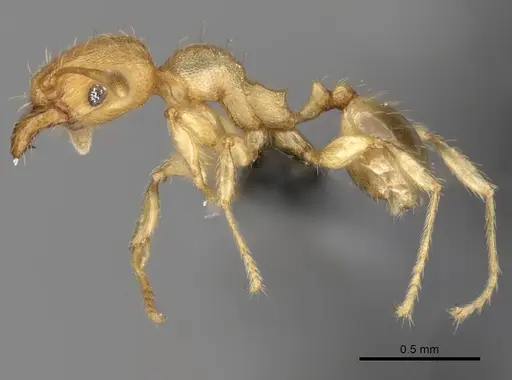
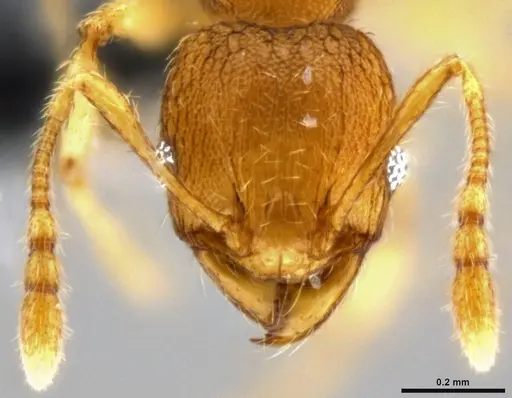
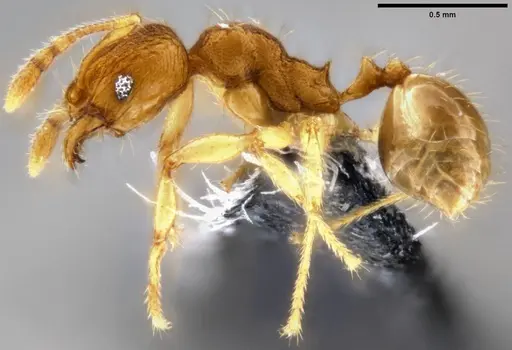
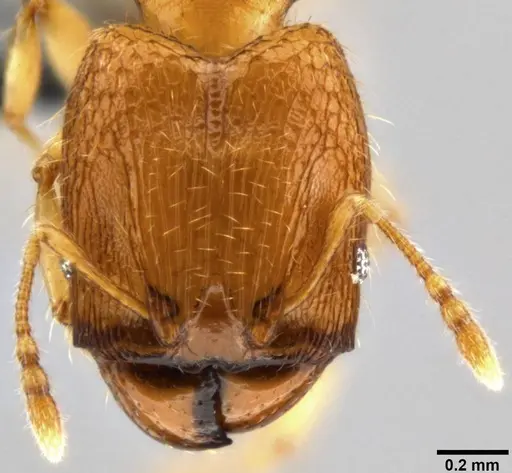
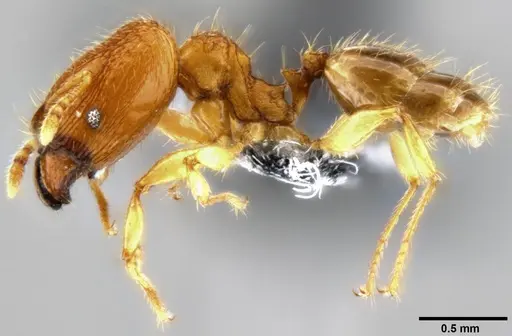
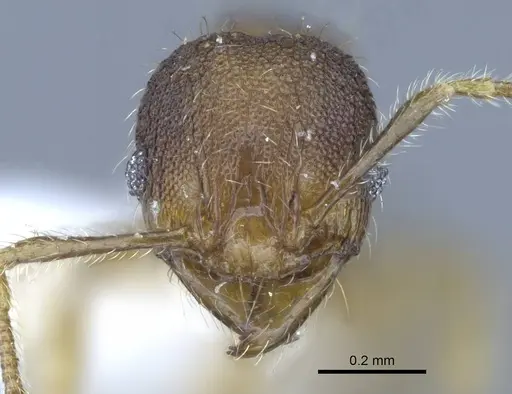
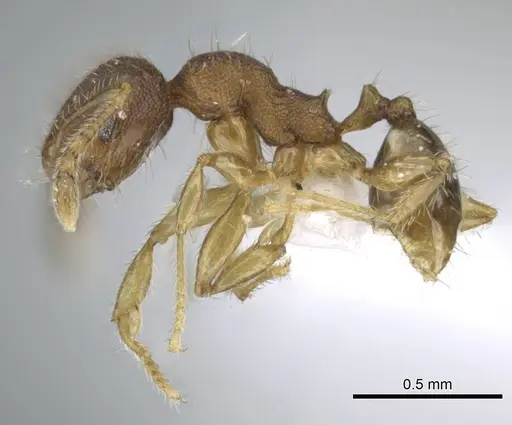
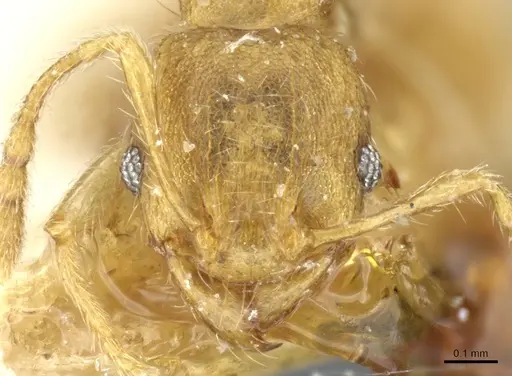
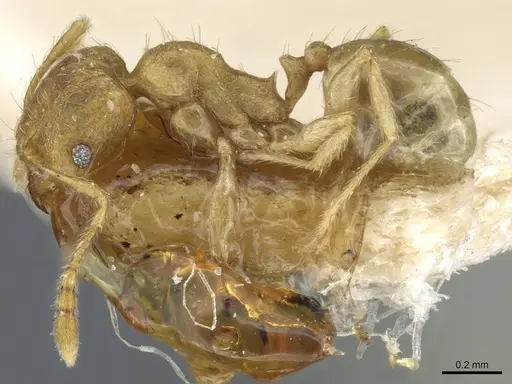
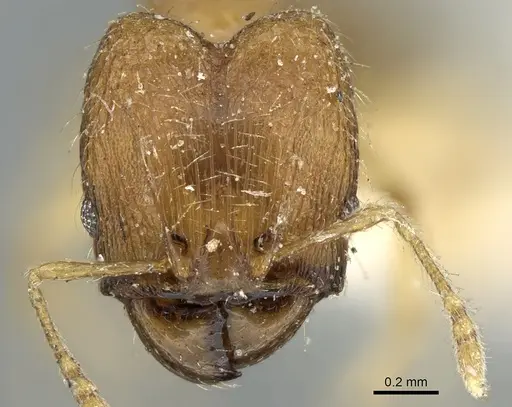
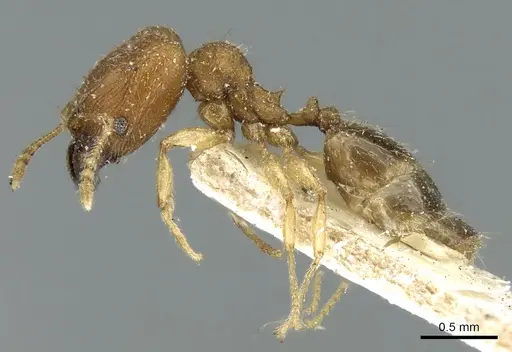
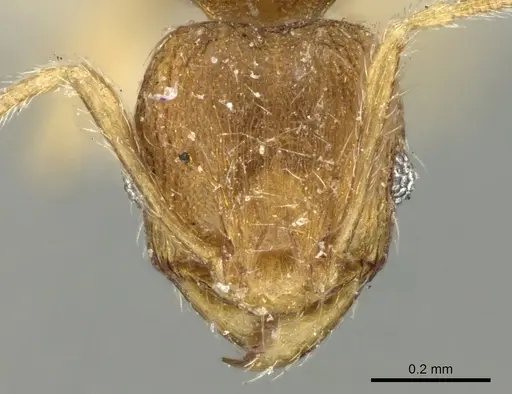
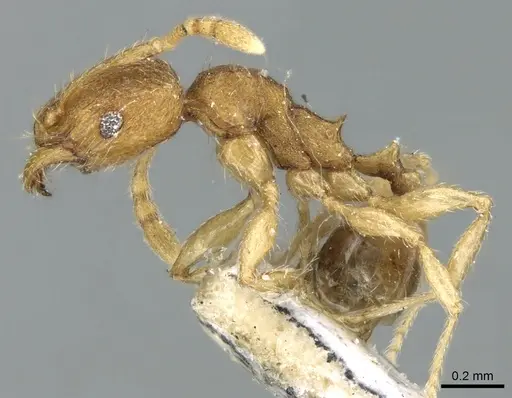
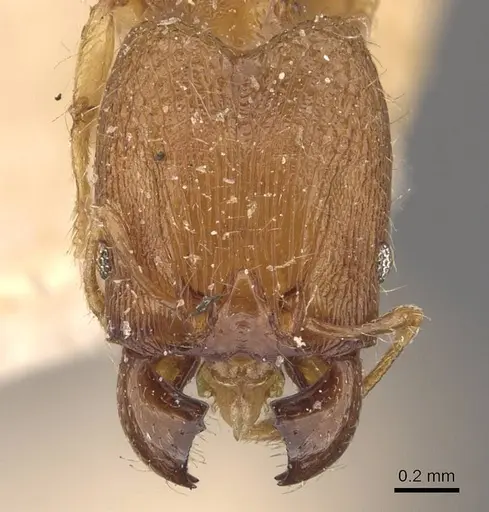
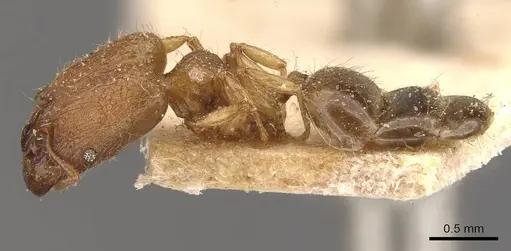
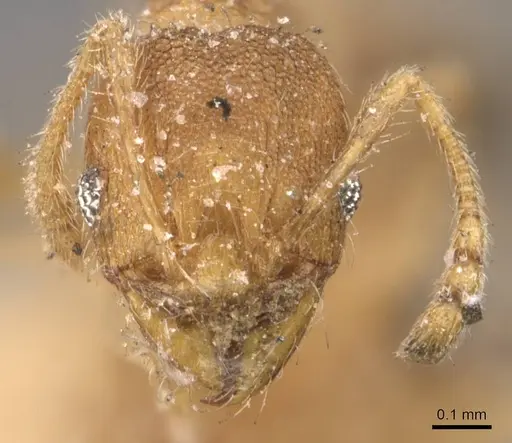
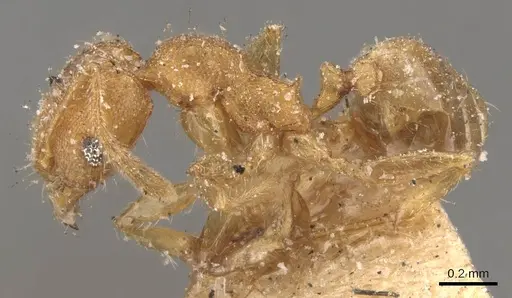
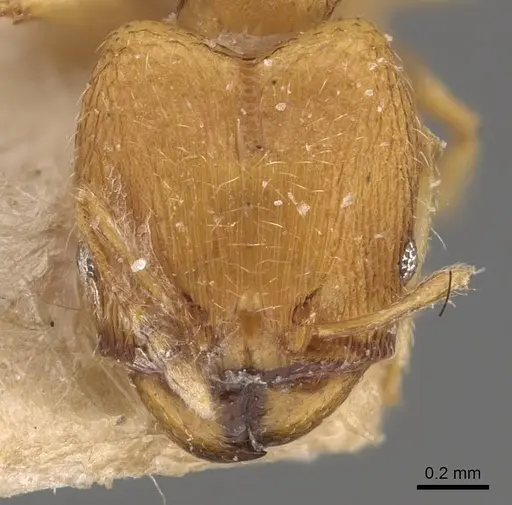
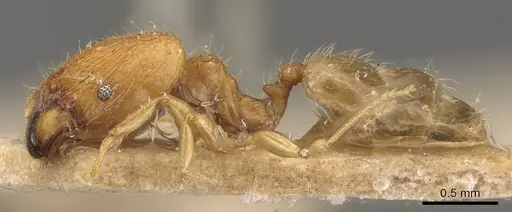
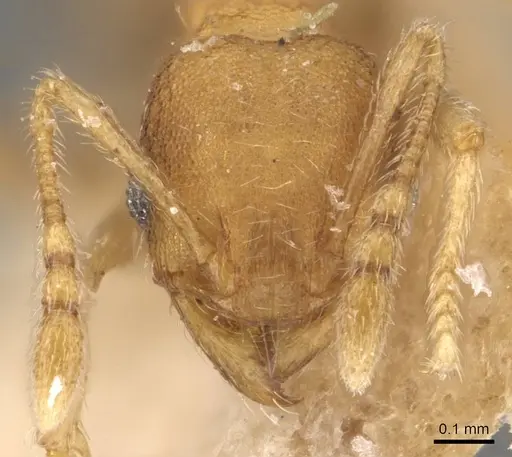
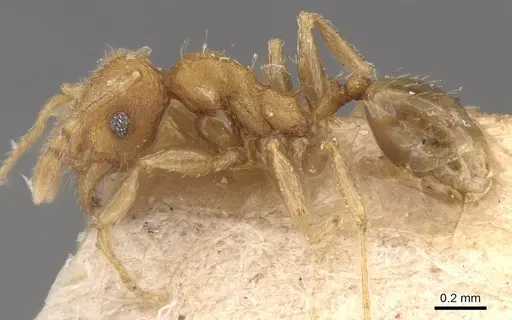
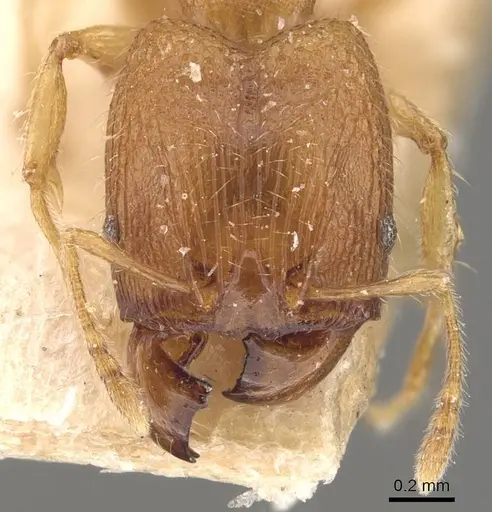
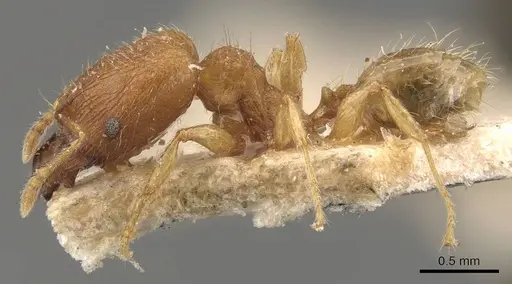
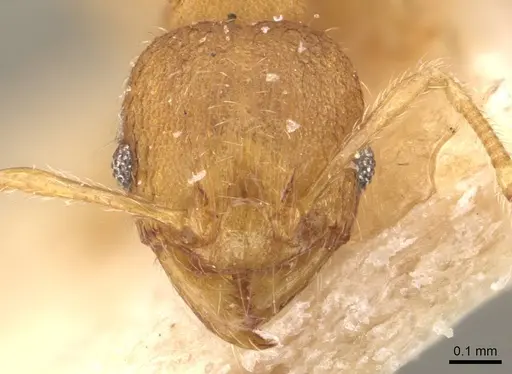
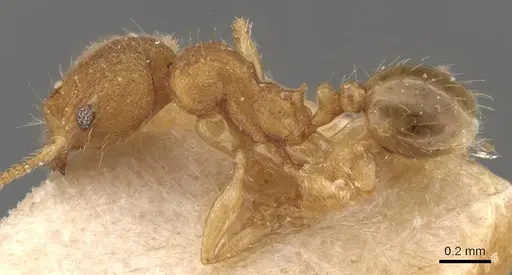
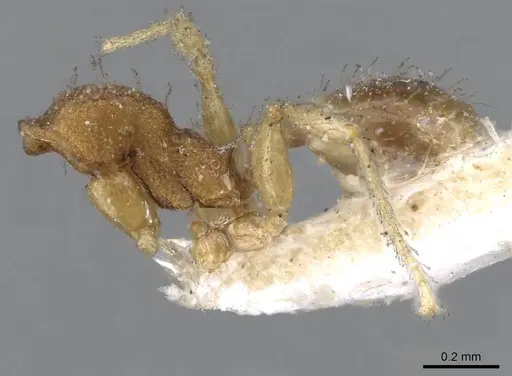
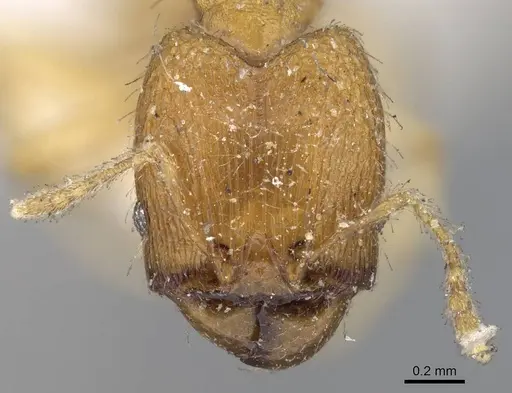
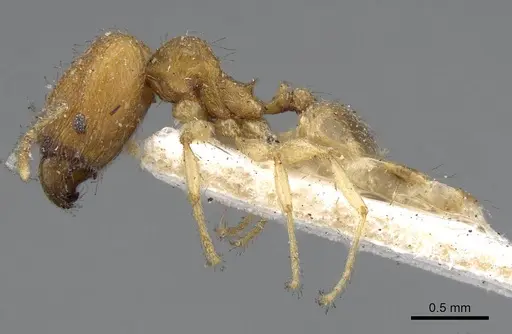
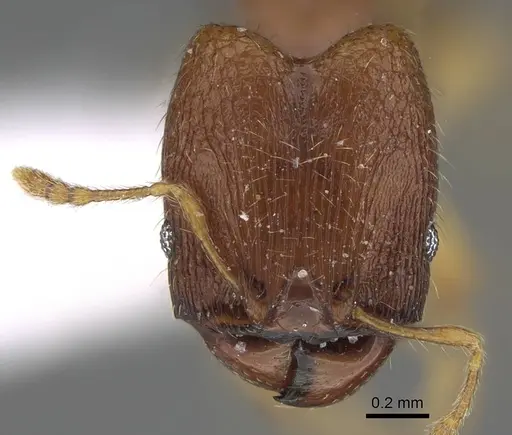
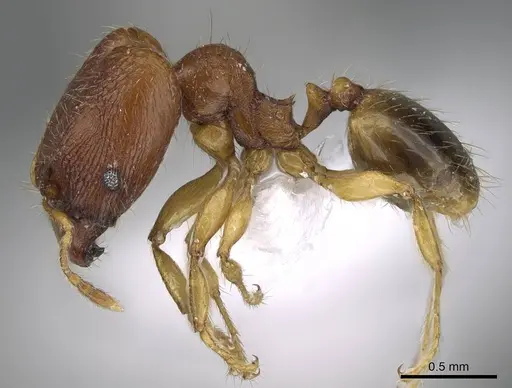
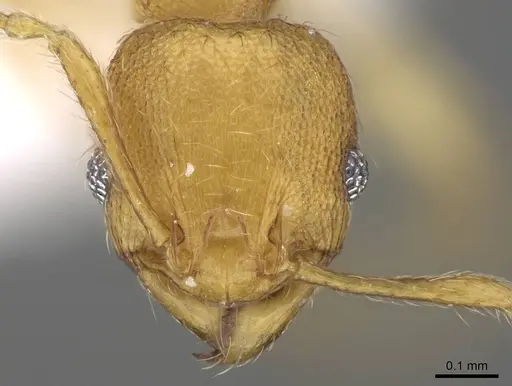
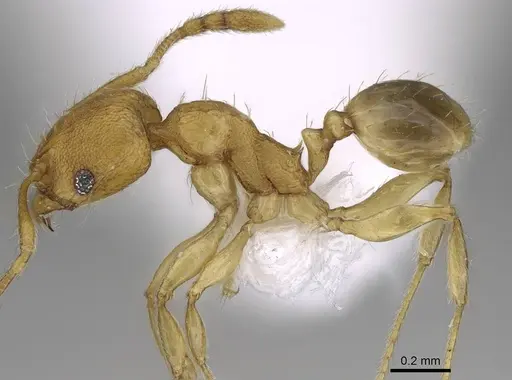
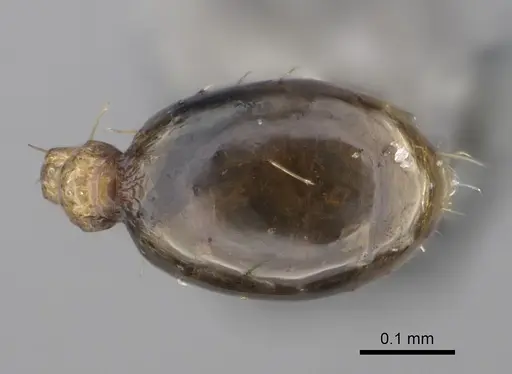
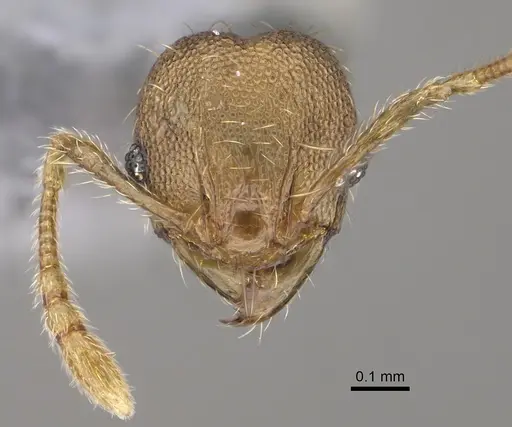
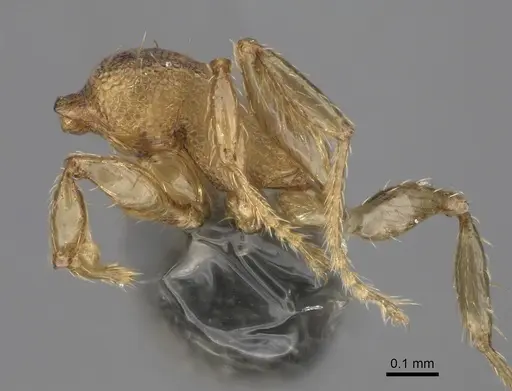
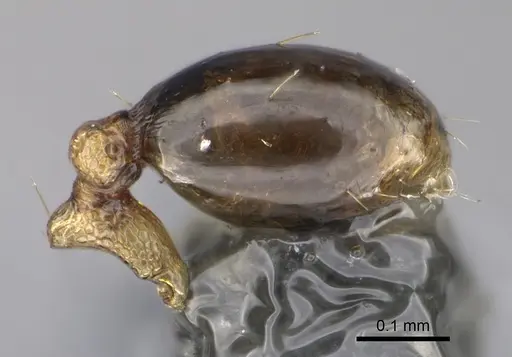
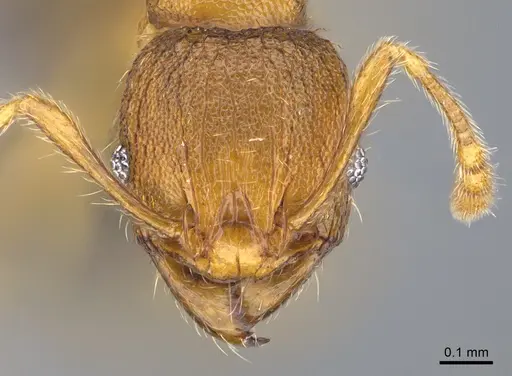
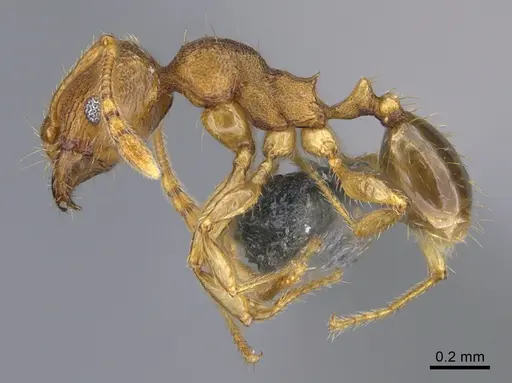
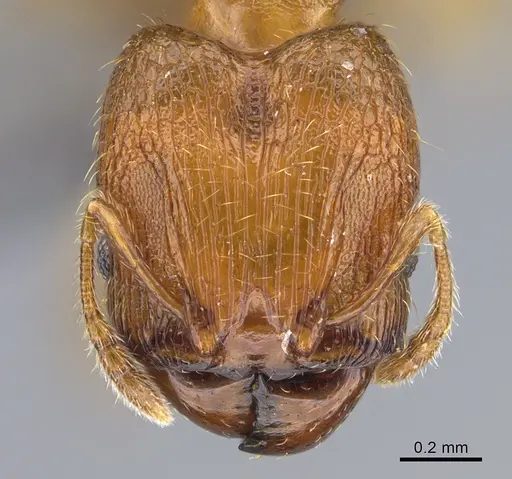
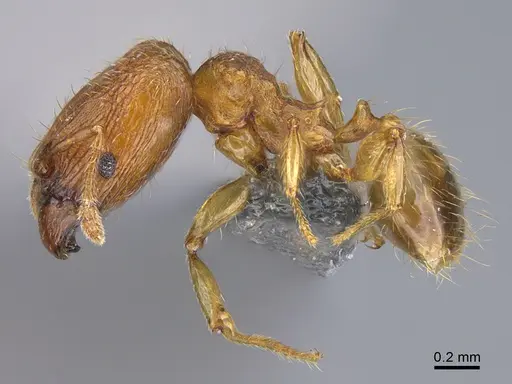
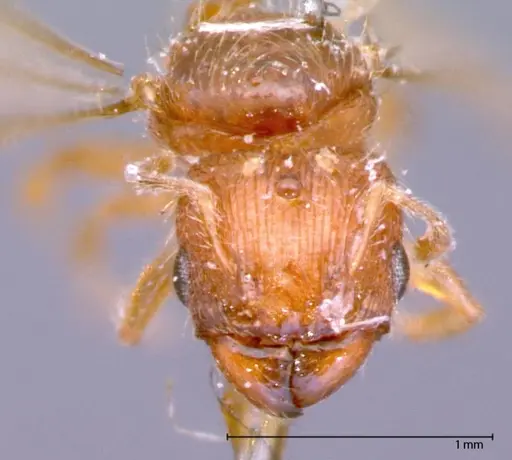
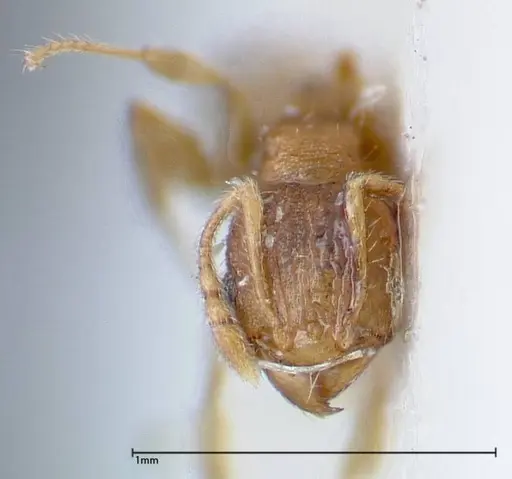
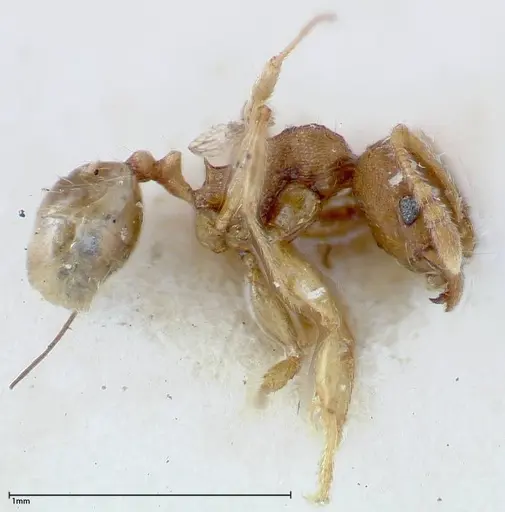
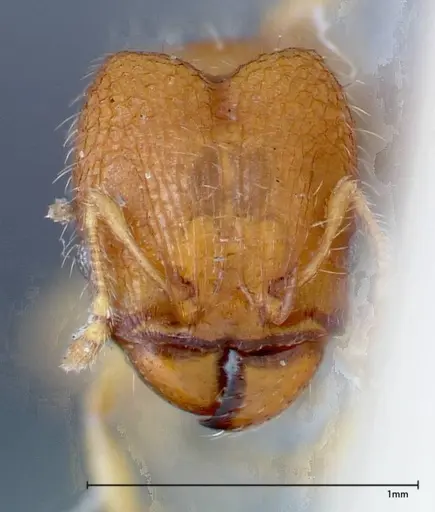
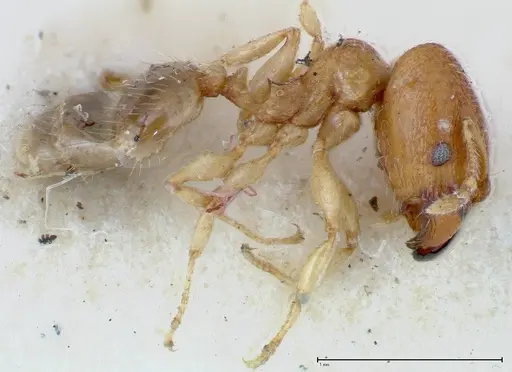
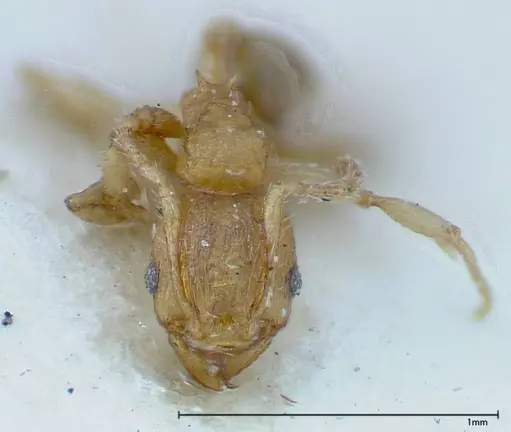
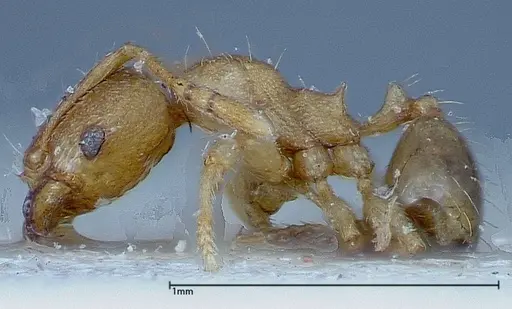
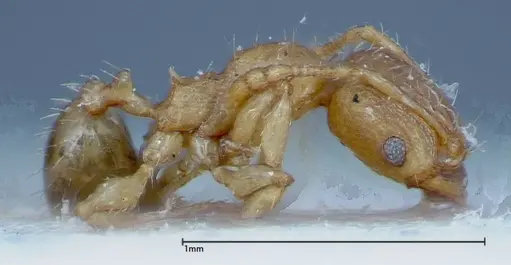
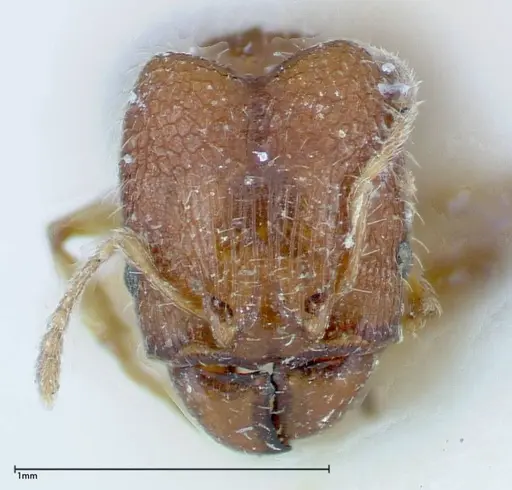
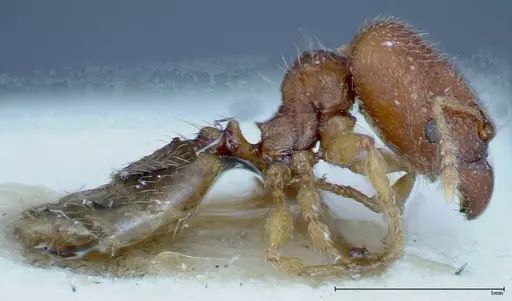
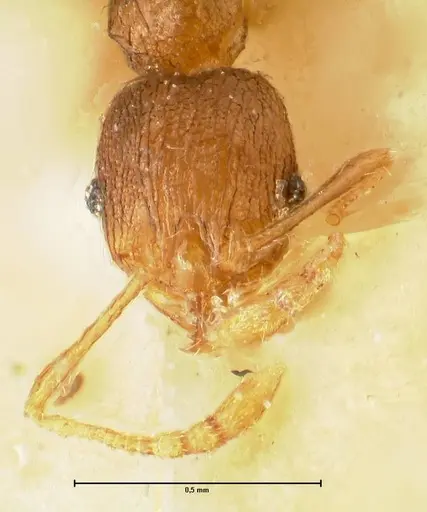
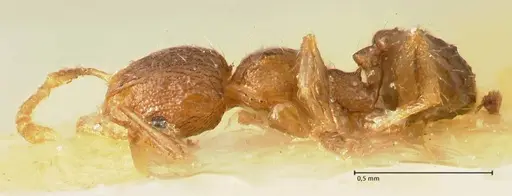
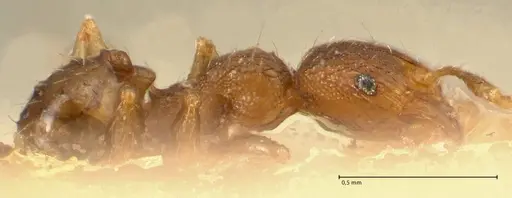
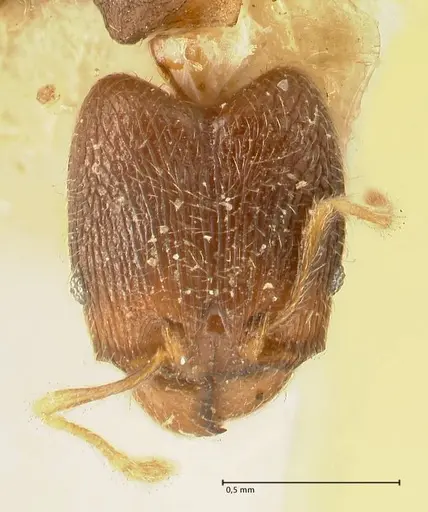
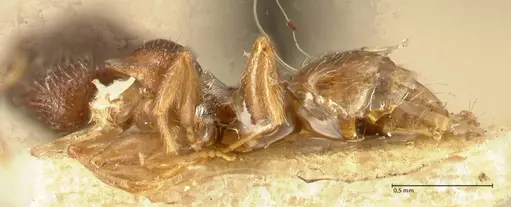
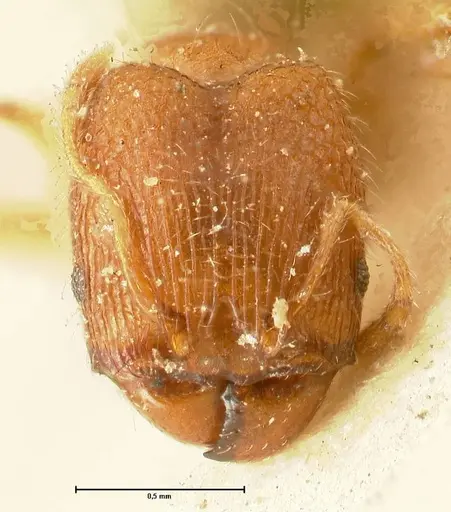
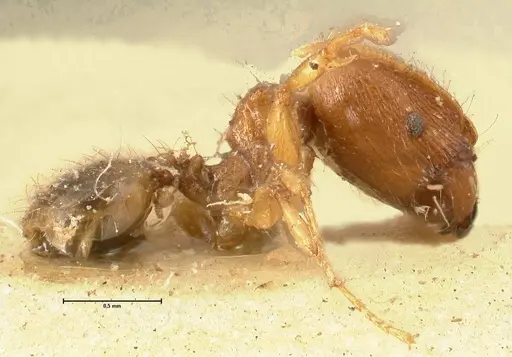
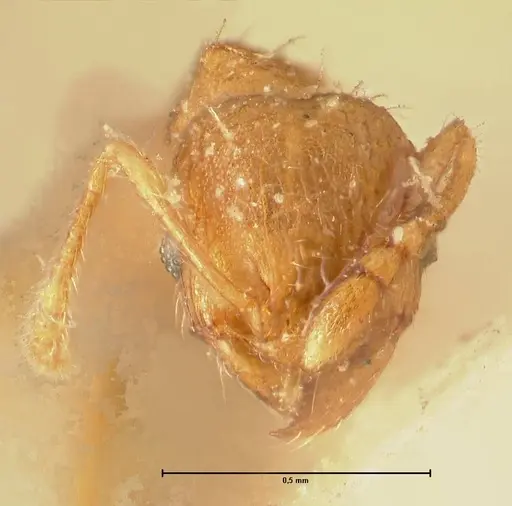
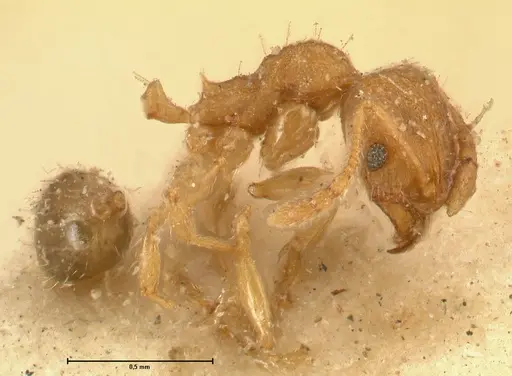
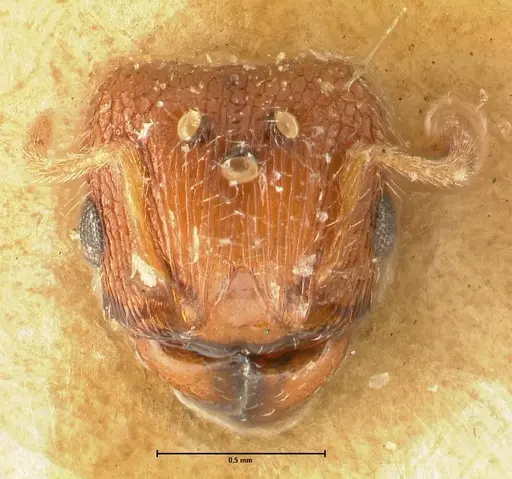
Pheidole parva is a small, strongly dimorphic ant species native to Southeast Asia and the Oriental region. The species features two distinct worker castes: major workers (soldiers) with large, rectangular heads measuring 0.82-0.92mm in width, and minor workers at just 0.39-0.50mm width [1]. Both castes have orange-brown to reddish-brown coloration with darker gasters, and show prominent sculpturing on the head and mesosoma [2]. This ant is widely distributed across Sri Lanka, India, Myanmar, Vietnam, the Philippines, Indonesia, Malaysia, Thailand, China, Taiwan, and Nepal [3]. It has been introduced to the Seychelles, Mauritius, Saudi Arabia, the UAE, and the Ryukyu Islands of Japan, where it has become established in various habitats from coastal areas to inland forests [1][4]. The species is a tramp ant that spreads through human commerce and has been found traveling on ships, making it a successful invasive species in many regions [1].
Quick Summary
- Difficulty: Easy
- Origin & Habitat: Native to Southeast Asia and the Oriental region (Sri Lanka, India, Myanmar, Vietnam, Philippines, Indonesia, Malaysia, Thailand, China, Taiwan). Found in open lands, gardens, agricultural fields, and various forest habitats from sea level to 445m elevation [2][1].
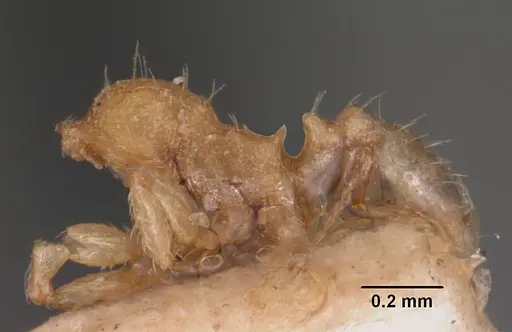
- Colony Type: Monogyne (single-queen colonies). Queens are approximately 3.2-4.3mm in body length [5]. The species forms colonies with major and minor worker castes.
- Colony: Monogyne
- Founding: Claustral
- Size & Growth:
- Queen: 3.2-4.3 mm [5]
- Worker: Minor: 1.3-1.5 mm (total length), Major: 2.5-3 mm (total length) [6][7]. Minor workers measure HL 0.43-0.54mm, HW 0.39-0.50mm, Major workers measure HL 0.96-1.07mm, HW 0.85-0.92mm [2].
- Colony: Colonies can reach several thousand workers. In urban environments, colonies are often large and persistent [8].
- Growth: Moderate
- Development: 6-8 weeks (estimated based on typical Pheidole genus patterns) (Development time is inferred from related species. Actual timing may vary based on temperature and conditions.)
- Antkeeping:
- Temperature: Keep at 24-28°C. This tropical species prefers warm conditions. Room temperature within this range is suitable, or use a heating cable on one side of the nest for a gentle gradient [2].
- Humidity: Moderate to high humidity. Keep nest substrate moist but not waterlogged. These ants naturally nest in moist soil and leaf litter, so occasional misting and a water reservoir work well [1].
- Diapause: No true hibernation required. As a tropical species, reduce feeding and activity slightly during cooler winter months but maintain room temperature above 20°C.
- Nesting: Natural nesting: underground in soil, under stones, in leaf litter, and occasionally in rotting wood [2][1]. Captive options: Test tube setups work well for founding colonies. For established colonies, a Y-tong (AAC) nest or plaster/formicarium with moist substrate mimics their natural underground nesting preferences. Keep the nest area humid.
- Behavior: Pheidole parva is a generalist forager that actively searches for protein (small insects, dead animals) and sugar sources (honeydew, fruit). Workers are aggressive toward other ant species and will defend food resources vigorously [9]. They are prolific breeders and can establish large colonies quickly. Minor workers are small (~2mm) and can escape through standard barriers if not careful. Major workers (soldiers) are larger but still capable of escaping through small gaps. Use fine mesh and tight-fitting lids. They are not known for biting or stinging humans, their stingers are too small to penetrate human skin.
- Common Issues: escape prevention is critical, their small size means they can slip through standard barrier gaps, colonies can grow very large very quickly, requiring frequent feeding and space upgrades, invasive status means you must never release this species outside its native range, may become a nuisance pest if colonies are not managed, as they invade healthcare facilities and kitchens in urban areas, test tube flooding can kill founding colonies, use appropriate water reservoir sizes
Nuptial Flight Activity Analysis 356 observations
Flight Activity by Hour 356 observations
Pheidole parva nuptial flight activity peaks around 21:00 during the night. Activity is spread across a 24-hour window (00:00–23:00). Times may be influenced by human observation patterns.
Housing and Nest Setup
Pheidole parva is a versatile nester that adapts well to various captive setups. For founding colonies, a simple test tube setup works perfectly, fill a test tube one-third with water, plug with a cotton ball, and place the queen in the dark. The queen will seal herself in and raise her first brood claustrally. Once you have 20+ workers, consider upgrading to a Y-tong (AAC) nest or a plaster formicarium. These ants prefer humid conditions, so a nest with a water reservoir or moisture chamber helps maintain appropriate humidity. The nest material should be able to hold moisture without molding, plaster, acrylic, or ytong work well. Provide an outworld (foraging area) connected to the nest where you can offer food. Because they are small, ensure all connections and barriers are tight, even minor gaps can lead to escapes. [2][1][3]
Feeding and Diet
Pheidole parva is a generalist feeder that accepts both protein and sugar sources. In captivity, offer protein foods like small crickets, mealworms, fruit flies, or other tiny insects 2-3 times per week. Sugar sources like honey water, sugar water, or diluted maple syrup should always be available. These ants are opportunistic scavengers and will also accept small pieces of fruit, seeds, or dead insects. In their native range, they forage on the ground and lower vegetation, hunting small invertebrates and scavenging. They are known to dominate food resources and will aggressively defend against other ant species. Feed them appropriately sized prey, the prey should be no larger than the minor workers can handle. Remove uneaten protein after 24-48 hours to prevent mold. [4][8]
Temperature and Seasonal Care
As a tropical species from Southeast Asia, Pheidole parva prefers warm temperatures in the range of 24-28°C. They can tolerate slightly cooler conditions down to about 20°C but may become less active. In their introduced range in Japan, they have been found in heated greenhouses, showing they can survive in modified microclimates [9]. Room temperature within the 24-28°C range is ideal. If your room is cooler, use a heating cable placed on top of the nest (never under it, as this can cause drying and condensation issues) to create a gentle temperature gradient. During winter, maintain at least 20°C, they do not require true hibernation but may reduce activity. Do not let temperatures drop below 15°C for extended periods. These ants are found from sea level to over 700m elevation in their introduced range, showing some adaptability, but warmth promotes faster colony growth.
Colony Growth and Development
Pheidole parva colonies grow moderately fast once established. The queen lays eggs after mating (nuptial flight timing is not well documented). The eggs develop through larval and pupal stages to become first-generation workers (nanitics), which are typically smaller than normal workers. This process takes approximately 6-8 weeks under optimal conditions (estimated from related Pheidole species). After the first workers emerge, the colony enters a growth phase where the queen continues laying eggs and workers take over all foraging and brood care. Colonies can reach several thousand workers within a year or two under good conditions. The species is strongly dimorphic, major workers (soldiers) develop from larger larvae and have distinct large heads for defense and seed processing. The ratio of majors to minors varies by colony age and environmental conditions. Major workers typically appear once the colony reaches several hundred workers. [2][1]
Invasive Status and Legal Considerations
Pheidole parva is considered a tramp ant species and has been introduced to multiple regions outside its native range, including the Seychelles, Mauritius, Saudi Arabia, the UAE, and the Ryukyu Islands of Japan [1][10]. It spreads through human commerce, including shipping and plant material transport, and has been found traveling on ships [1]. In its introduced ranges, it can become a dominant species and may compete with native ants. It is also a known pest in healthcare facilities in Singapore [8]. If you keep this species, NEVER release any ants, brood, or queens outside their native range (Southeast Asia and the Oriental region). This species should not be released in North America, Europe, Australia, or any region where it has been introduced. Check your local regulations regarding ant keeping, some jurisdictions require permits or have restrictions on invasive species.
Frequently Asked Questions
Is Pheidole parva good for beginners?
Yes, this species is beginner-friendly. They are hardy, adapt to various nest setups, and are not aggressive toward humans. However, their small size and potential for large colonies require attention to escape prevention and housing upgrades as the colony grows.
How long does it take for Pheidole parva to produce first workers?
Based on typical Pheidole development, expect first workers (nanitics) in approximately 6-8 weeks under optimal warm conditions (24-28°C). The exact timing depends on temperature and feeding.
Can I keep multiple Pheidole parva queens together?
This species is monogyne, colonies typically have a single queen. Combining unrelated foundress queens is not recommended as they will likely fight. If you acquire a colony, assume it has one reproductive queen.
What do Pheidole parva eat?
They are generalist feeders. Offer small insects (fruit flies, pinhead crickets, mealworms) as protein 2-3 times per week, and keep sugar water or honey water available at all times. They also scavenge on dead insects and will accept small fruit pieces.
How big do Pheidole parva colonies get?
Colonies can reach several thousand workers in optimal conditions. In urban environments like Singapore, they are among the most common ant species and form large, persistent colonies.
Do Pheidole parva need hibernation?
No. As a tropical species from Southeast Asia, they do not require true hibernation. You can reduce feeding slightly in cooler months but maintain temperatures above 20°C.
When should I move Pheidole parva to a formicarium?
Move them when the test tube becomes crowded or when you see 20+ workers. A Y-tong or plaster nest works well for their first upgrade. Ensure the new setup has humid chambers and an outworld for foraging.
Why are my Pheidole parva escaping?
Their small size (minor workers are only ~2mm) allows them to squeeze through tiny gaps. Use fine mesh on all openings, apply fluon or other barriers to tube connections, and ensure all lids fit tightly. Check for gaps as small as 1mm.
References

This caresheet is licensed under CC BY-SA 4.0 .
ANTWEB1041898
View on AntWeb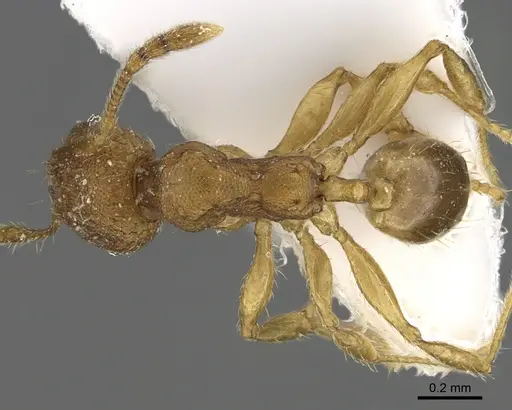
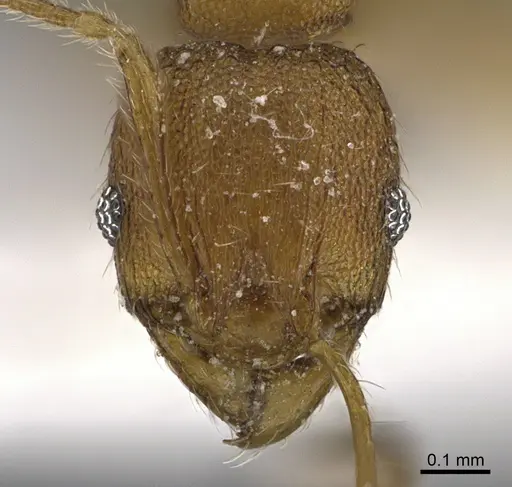
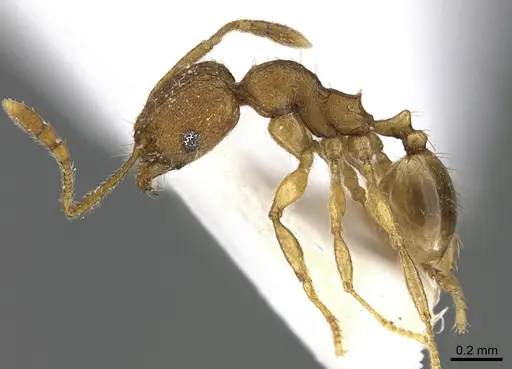
CASENT0055997
View on AntWeb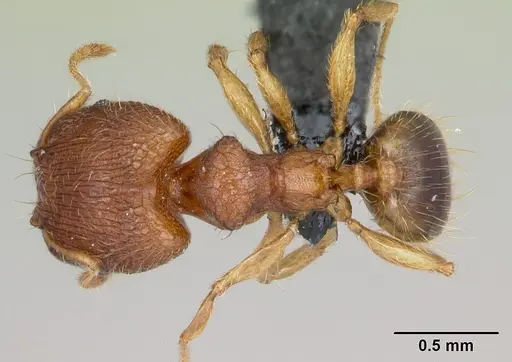
CASENT0055998
View on AntWeb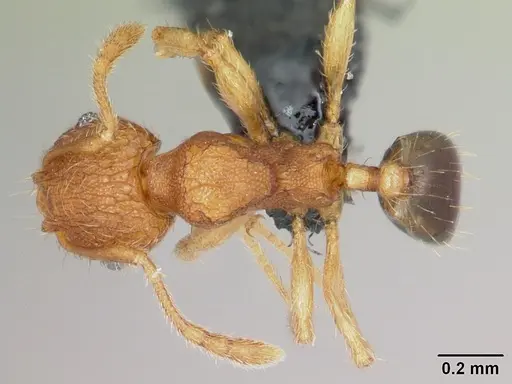
CASENT0102292
View on AntWeb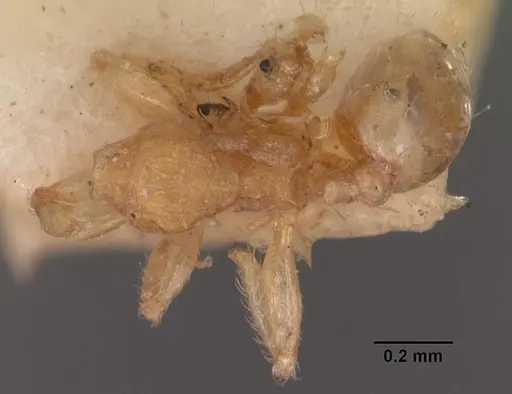

CASENT0102293
View on AntWeb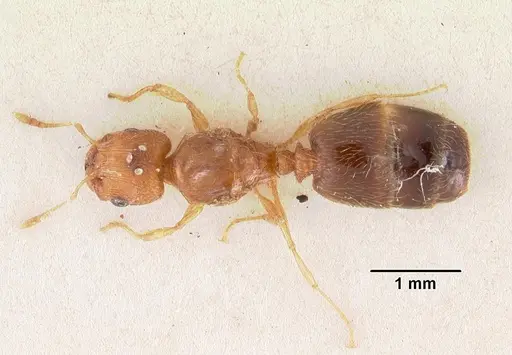
CASENT0133503
View on AntWeb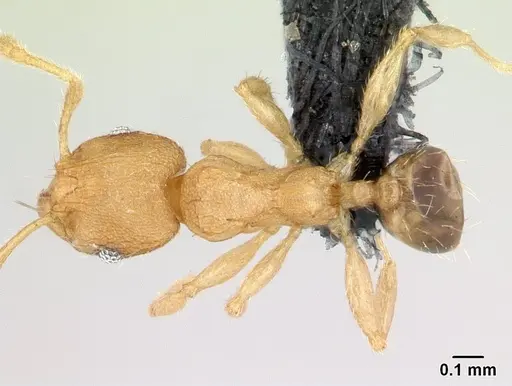
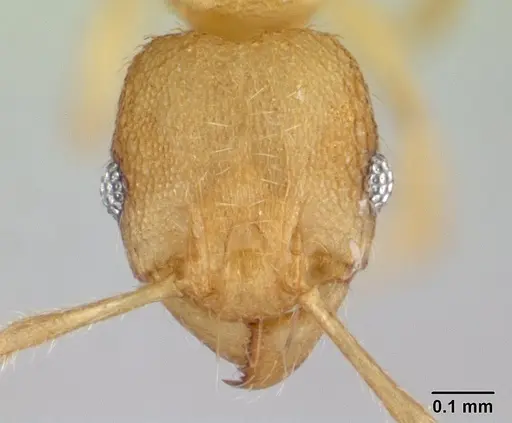
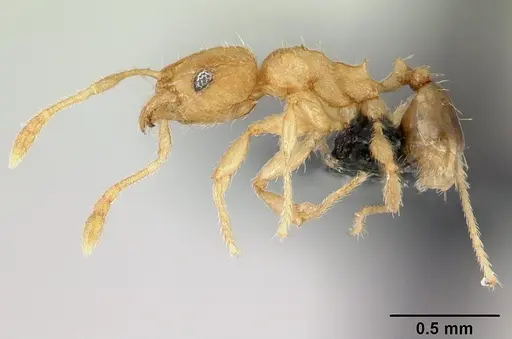
CASENT0160279
View on AntWeb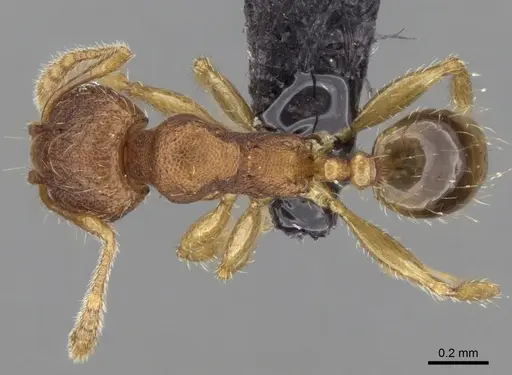
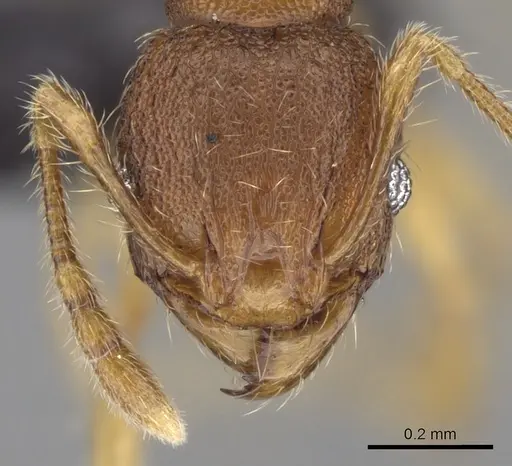
CASENT0160280
View on AntWeb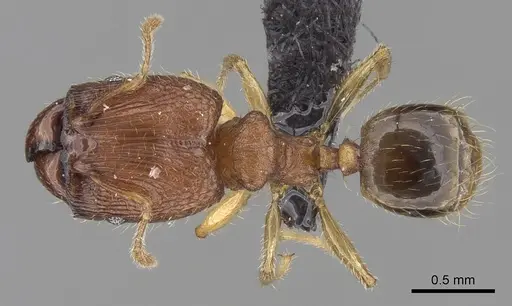
CASENT0160528
View on AntWeb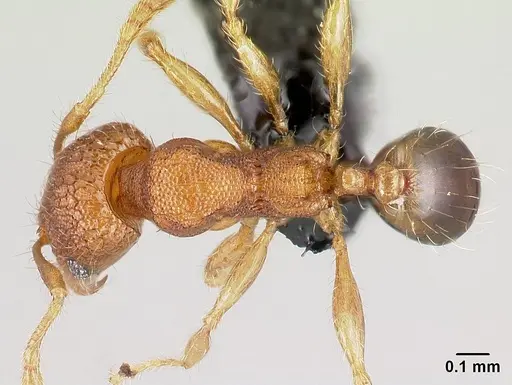
CASENT0160637
View on AntWeb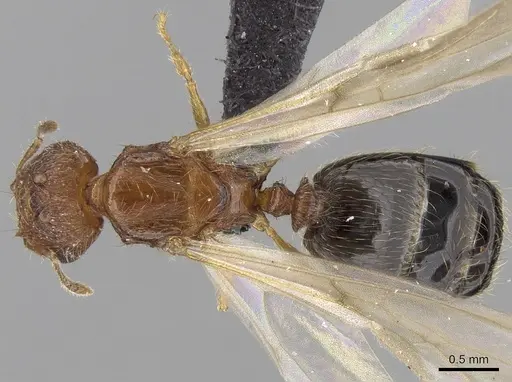
CASENT0160641
View on AntWeb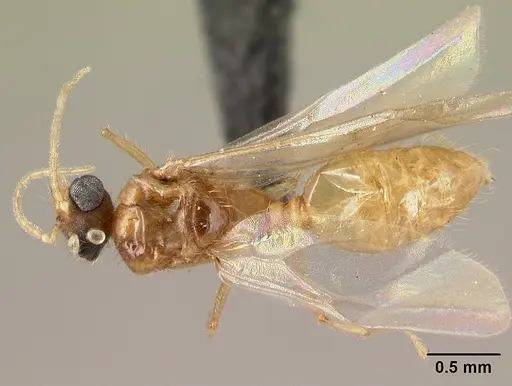
CASENT0199390
View on AntWeb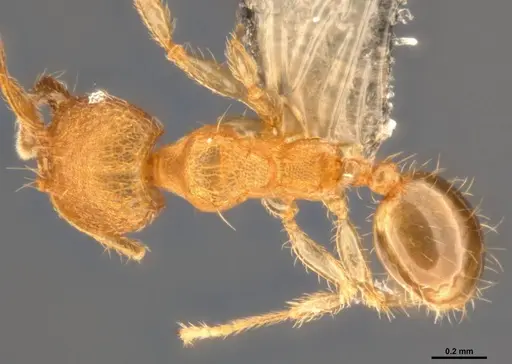
CASENT0217236
View on AntWeb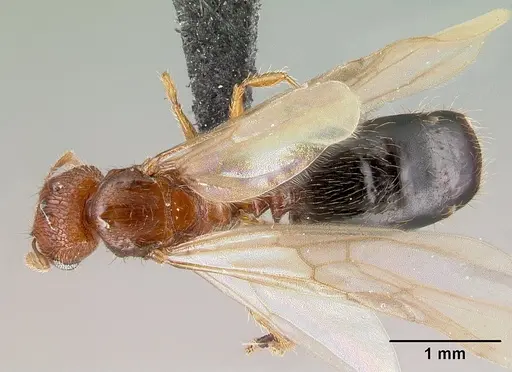
CASENT0219402
View on AntWeb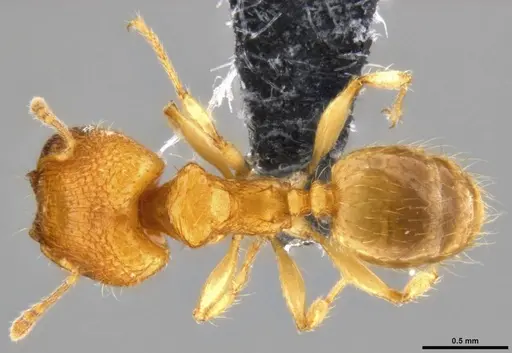
CASENT0246110
View on AntWeb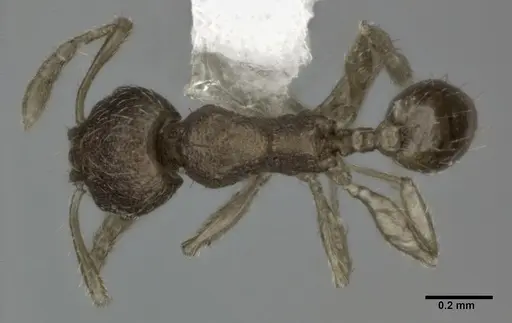
CASENT0246118
View on AntWeb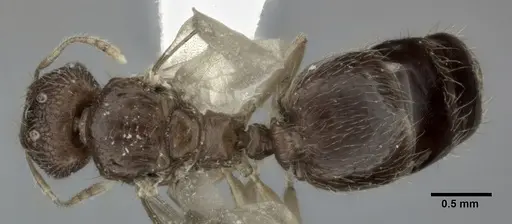
CASENT0246119
View on AntWeb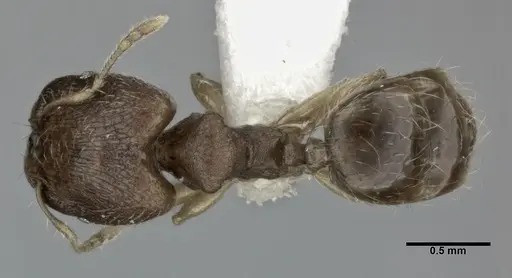
CASENT0246120
View on AntWeb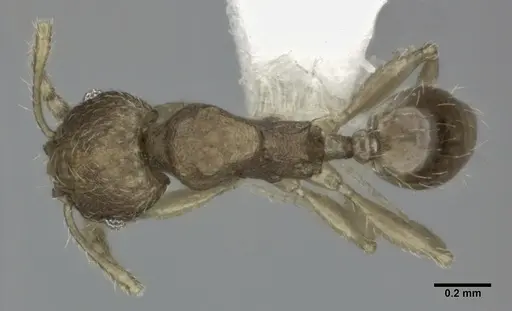
CASENT0249817
View on AntWeb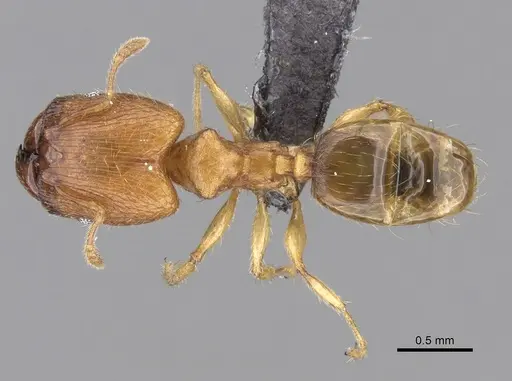
CASENT0263952
View on AntWeb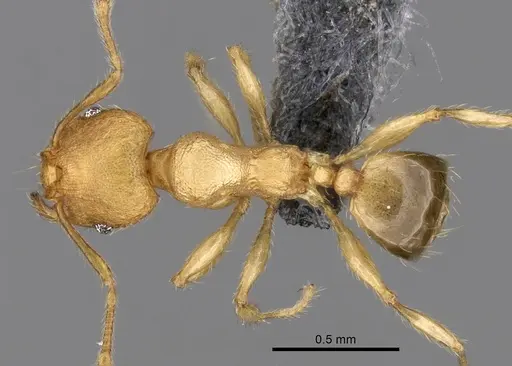
CASENT0282010
View on AntWeb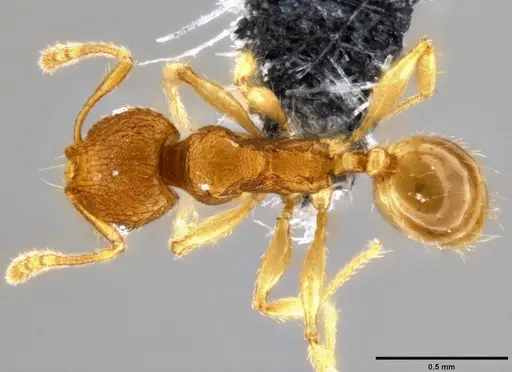
CASENT0282013
View on AntWeb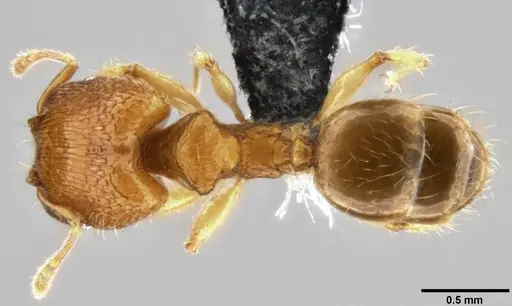
CASENT0740794
View on AntWeb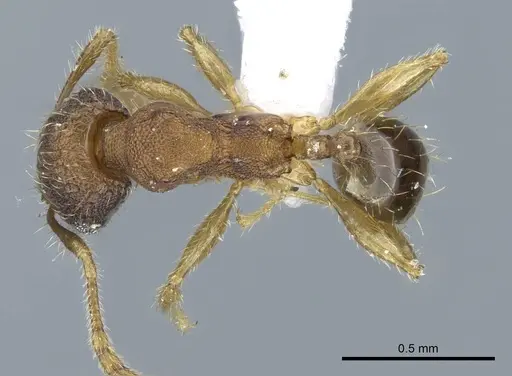
CASENT0904260
View on AntWeb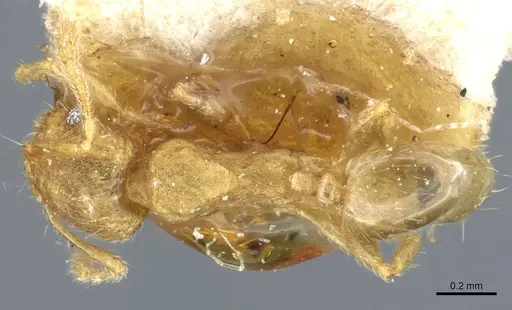
CASENT0906610
View on AntWeb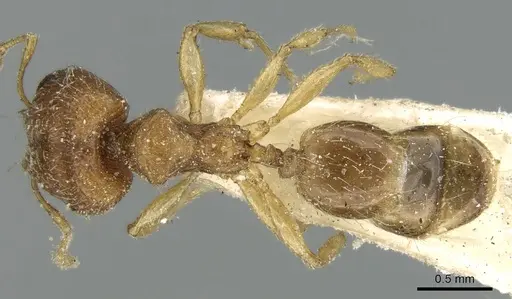
CASENT0906611
View on AntWeb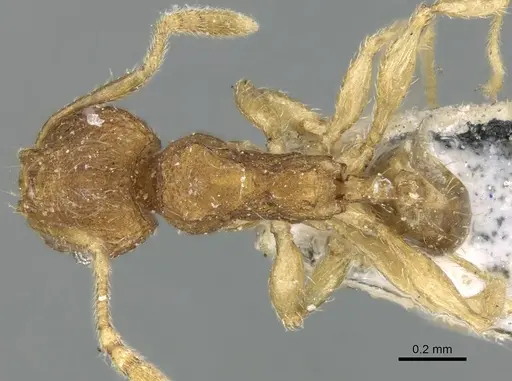
CASENT0907985
View on AntWeb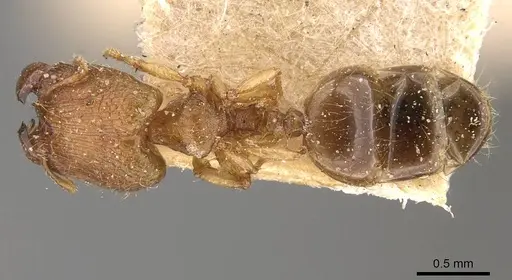
CASENT0907986
View on AntWeb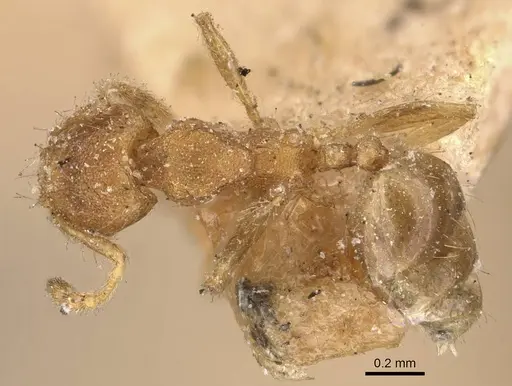
CASENT0907991
View on AntWeb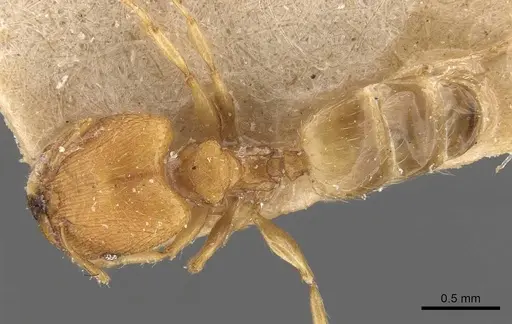
CASENT0907992
View on AntWeb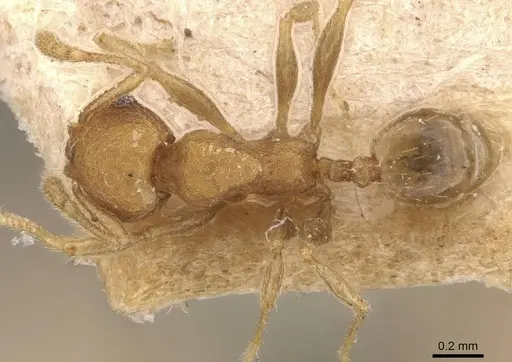
CASENT0907993
View on AntWeb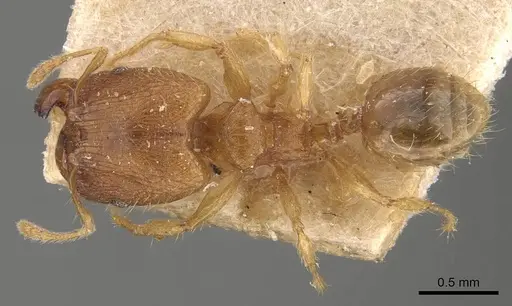
CASENT0907994
View on AntWeb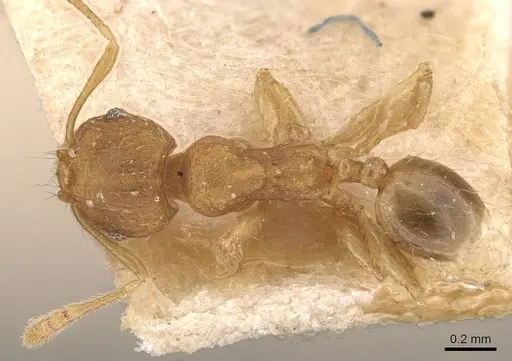
CASENT0922207
View on AntWeb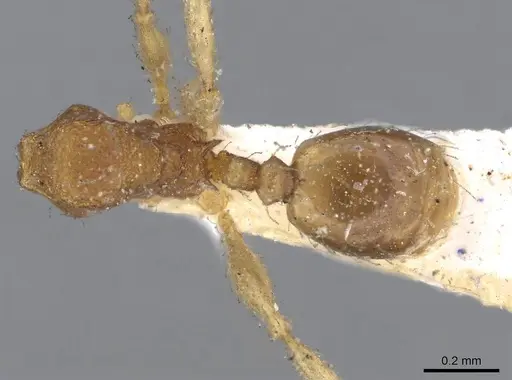
CASENT0922208
View on AntWeb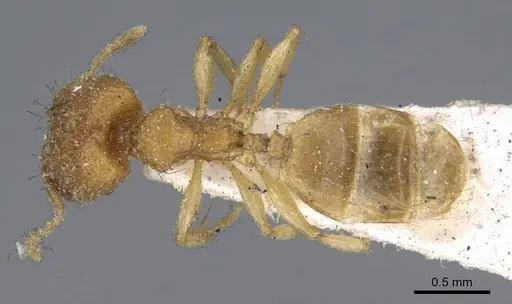
CASENT0922280
View on AntWeb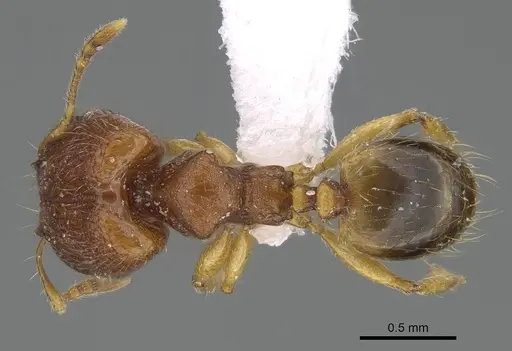
CASENT0922281
View on AntWeb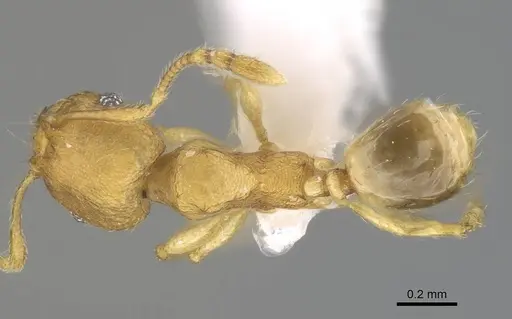
CASENT0923331
View on AntWeb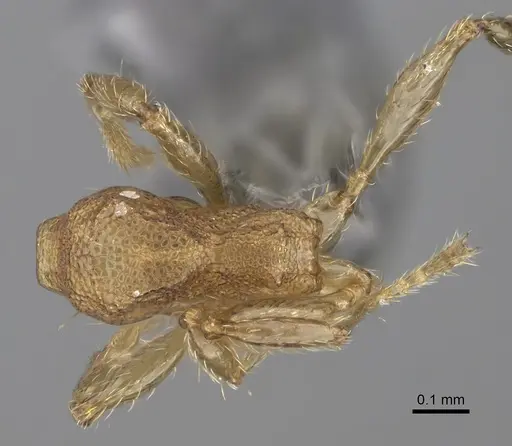
CASENT0923754
View on AntWeb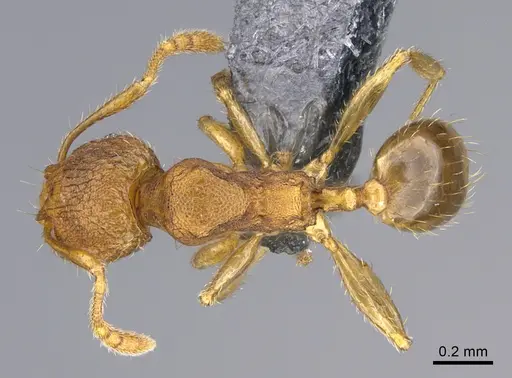
CASENT0923755
View on AntWeb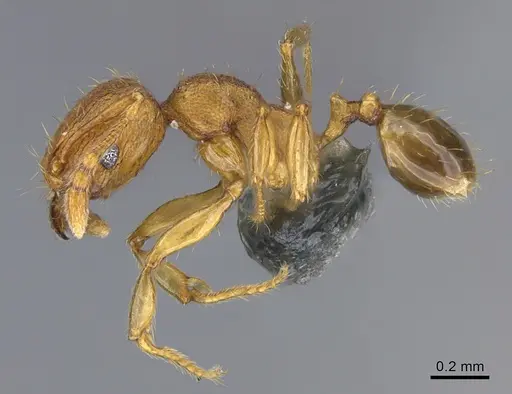
CASENT0923756
View on AntWeb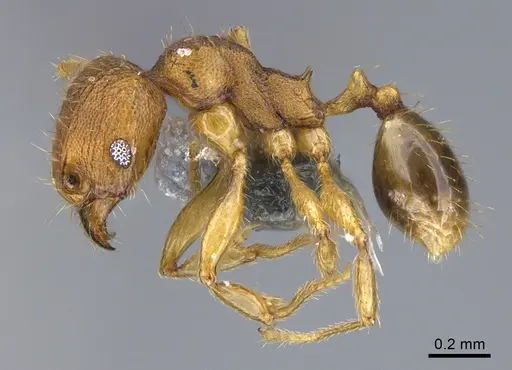
CASENT0923757
View on AntWeb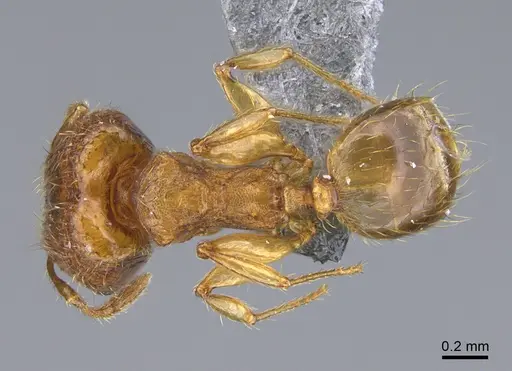
FOCOL0058
View on AntWeb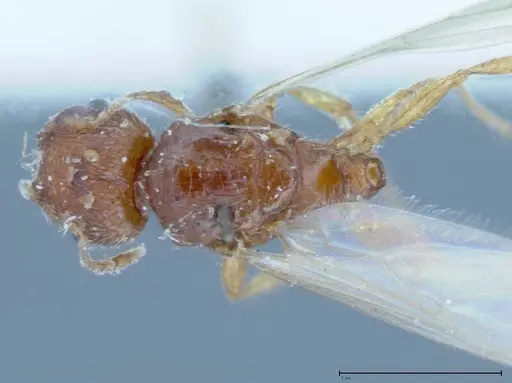
FOCOL0211
View on AntWeb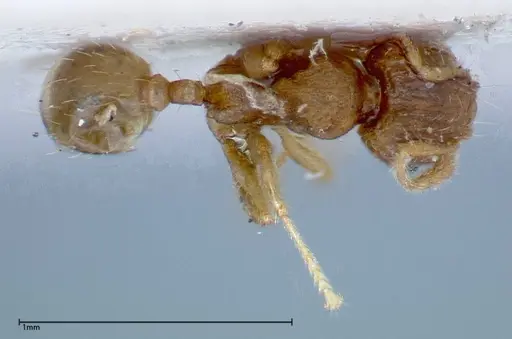
FOCOL0212
View on AntWeb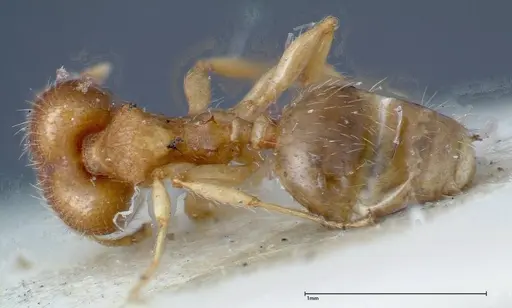
FOCOL0220
View on AntWeb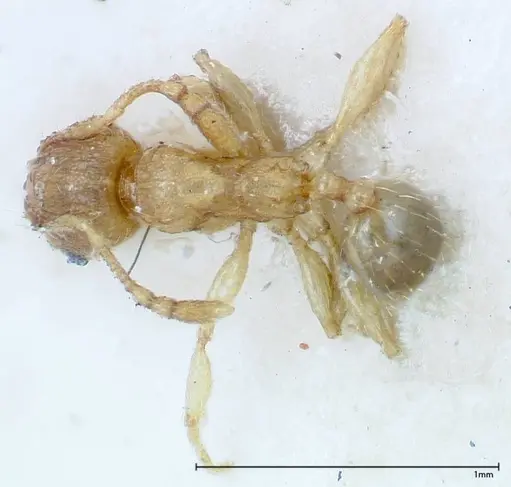
FOCOL0221
View on AntWeb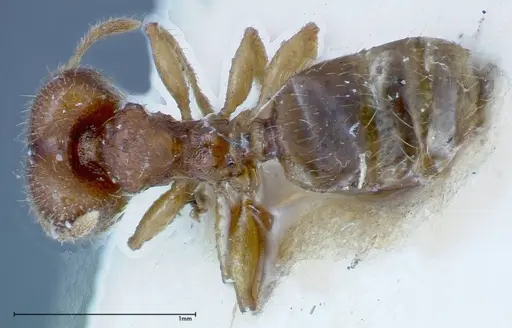
FOCOL1380
View on AntWeb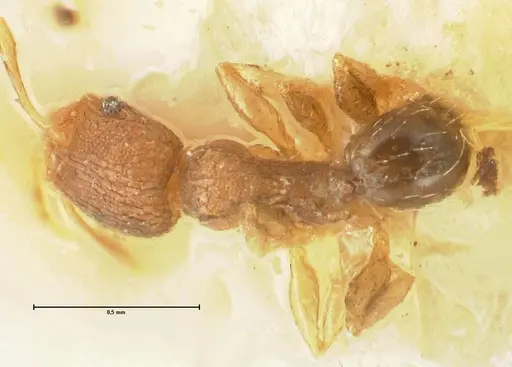
FOCOL1381
View on AntWeb
FOCOL1382
View on AntWeb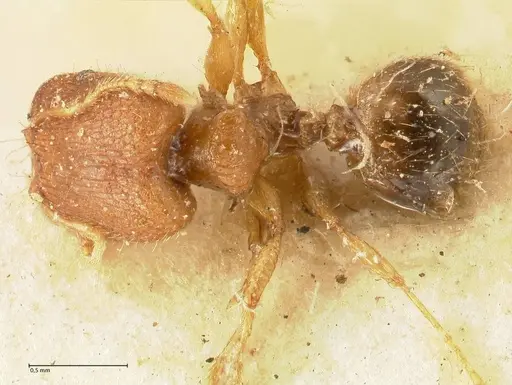
FOCOL1383
View on AntWeb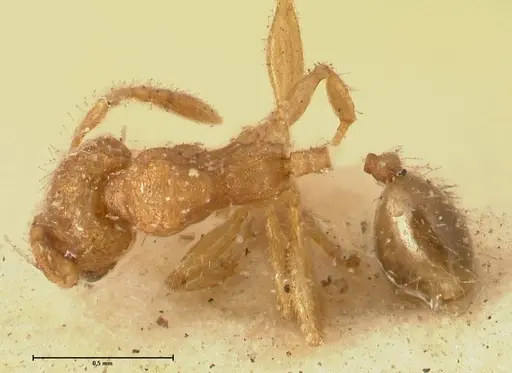
FOCOL1384
View on AntWeb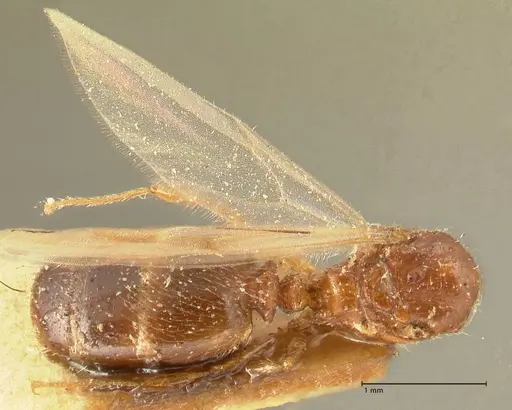
FOCOL1385
View on AntWeb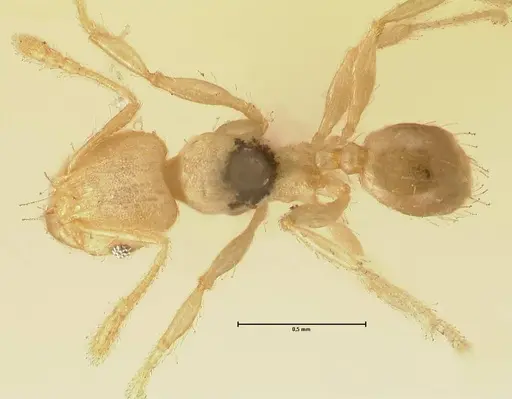
Literature
Loading...Loading products...