

Pheidole otisi
- Scientific Name
- Pheidole otisi
- Tribe
- Attini
- Subfamily
- Myrmicinae
- Author
- Wilson, 2003
- Distribution
- Found in 3 countries
Pheidole otisi Overview
Pheidole otisi is an ant species of the genus Pheidole. It is primarily documented in 3 countries , including Costa Rica, Honduras, Nicaragua. Detailed taxonomic data and occurrence records can be further explored via authoritative databases such as AntWeb or the Global Biodiversity Information Facility (GBIF).
Pheidole otisi
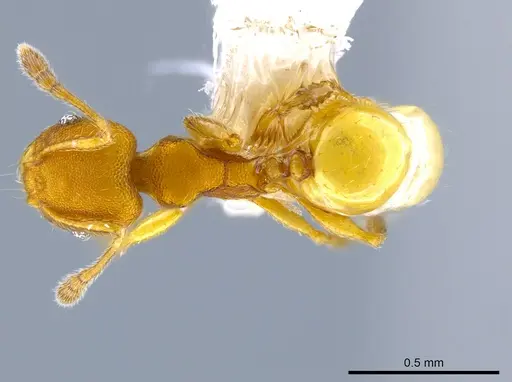
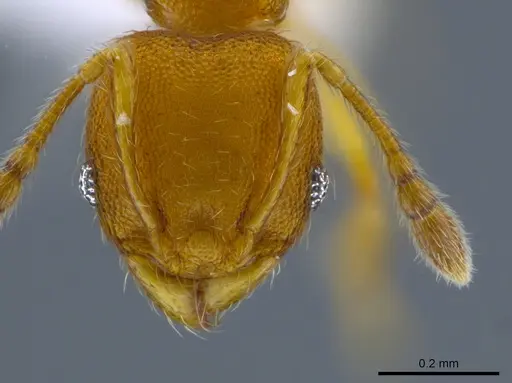
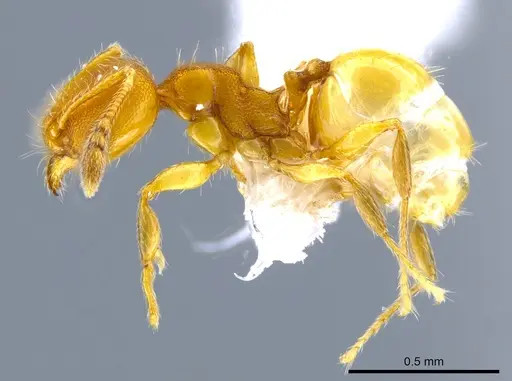
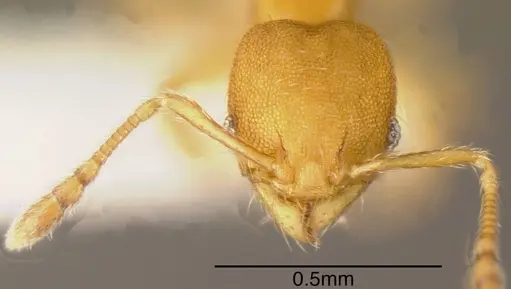
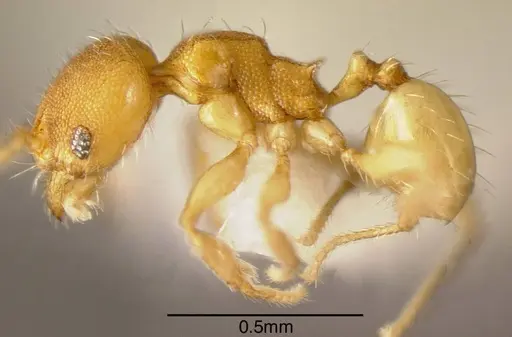
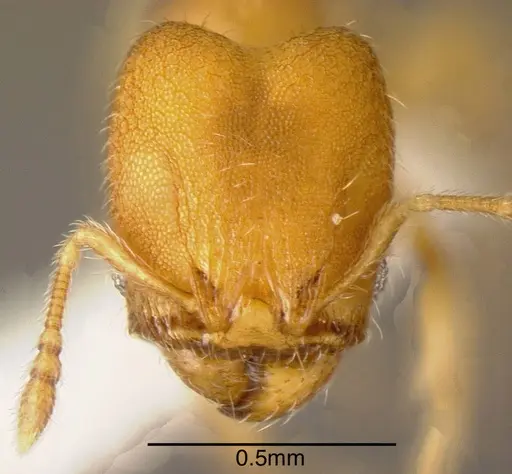
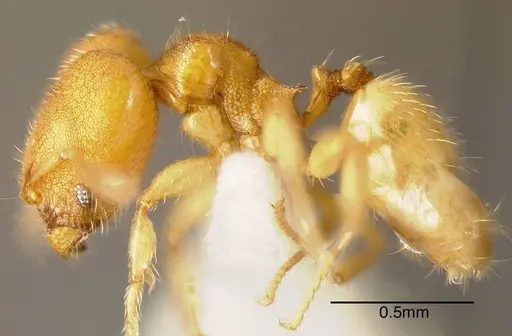
Pheidole otisi is a small, yellow ant belonging to the flavens group, native to the lowland wet forests of Costa Rica and surrounding Central American countries. This species features the characteristic Pheidole dimorphism: minor workers are tiny at around 3mm and solid yellow, while major workers (soldiers) have an enlarged head with a distinctive brown spot on the vertex and measure around 5-6mm. The species was described by Wilson in 2003 and named after the Organization of Tropical Studies. In the wild, colonies nest in dead wood and beneath the bark of rotten logs in forest floor litter, and workers forage on the ground and low vegetation, including extrafloral nectaries of plants like Passiflora pittieri.
Quick Summary
- Difficulty: Medium
- Origin & Habitat: Lowland wet forests of Costa Rica's Atlantic and Pacific lowlands, also found in Honduras and Nicaragua. Nests in pieces of dead wood in ground litter, including beneath bark of rotten logs [1].
- Colony Type: Monogyne (single queen colonies), typical for Pheidole species
- Colony: Monogyne
- Founding: Claustral
- Size & Growth:
- Queen: Approximately 6-7mm (estimated based on genus patterns)
- Worker: Minor workers: 3.3-3.6mm, Major workers: 5.7-5.8mm [2][1]
- Colony: Likely several hundred workers based on typical Pheidole colony sizes
- Growth: Moderate
- Development: Estimated 6-8 weeks at tropical temperatures (inferred from related species) (Development time is typical for tropical Myrmicinae, faster than temperate species)
- Antkeeping:
- Temperature: Keep at 24-28°C, mimicking their tropical lowland forest habitat. A gentle gradient allowing them to move between warmer and cooler areas is ideal.
- Humidity: High humidity required, these are wet forest ants. Keep nest substrate consistently moist but not waterlogged. Provide a water tube for drinking.
- Diapause: No, as a tropical species from Costa Rica, they do not require hibernation. Maintain consistent warm conditions year-round.
- Nesting: Test tubes work well for founding colonies. Established colonies do well in Y-tong nests, acrylic nests, or naturalistic setups with rotten wood pieces. They naturally nest in dead wood, so wood-based substrates or nests with wood chambers are ideal.
- Behavior: Workers are active foragers on the ground and low vegetation. Major workers (soldiers) help with seed processing and colony defense. This is a non-aggressive species that focuses on foraging and collecting nectar. Escape risk is moderate, their small size means they can squeeze through small gaps, so use standard barrier precautions.
- Common Issues: high humidity needs can lead to mold if ventilation is poor, balance humidity with adequate airflow, tropical species may struggle if temperatures drop below 22°C, monitor closely in cooler climates, colonies can be slow to establish during founding phase, patience is required, small minor workers can be overlooked and accidentally discarded during nest cleaning, major workers may block narrow test tube openings, ensure entrance holes are large enough
Housing and Setup
For founding colonies, a standard test tube setup works well. Fill the tube one-third with water, plug with cotton, and place the queen in the chamber. The queen will seal herself in and raise her first brood in isolation. Once the first workers (nanitics) emerge, you can begin offering small amounts of food. For established colonies, Y-tong nests, acrylic formicaria, or naturalistic setups work well. Since this species naturally nests in dead wood, adding small pieces of rotting wood or cork to the nest chamber mimics their natural habitat. An outworld for foraging is essential since workers actively forage on the ground and low vegetation. [1]
Feeding and Diet
Pheidole otisi workers have been observed visiting extrafloral nectaries in the wild, confirming they collect nectar and honeydew. Offer sugar water, honey, or diluted nectar regularly. For protein, provide small insects like fruit flies, pinhead crickets, or mealworm pieces. Since major workers are present, they can handle larger food items than many small Myrmicinae. Feed protein 2-3 times per week and keep a constant sugar source available. Remove uneaten food after 24-48 hours to prevent mold. [1]
Temperature and Humidity
As a tropical lowland species from Costa Rica, Pheidole otisi requires warm conditions. Keep the nest area at 24-28°C. A heating cable on one side of the nest can create a temperature gradient, allowing ants to self-regulate. Place the heating on top of the nest, not underneath, to avoid drying out the substrate too quickly. High humidity is essential, these ants come from wet forests. Keep the nest substrate consistently moist but not saturated. A water tube attached to the nest provides drinking water. Good ventilation is important to prevent mold while maintaining humidity. [1]
Colony Development
Pheidole colonies grow through the production of both minor and major workers. The queen lays eggs, which develop through larval stages before emerging as nanitic (first) workers. These initial workers are smaller than normal minors but help the colony expand. As the colony grows, major workers (soldiers) begin appearing, their enlarged heads are used for seed processing and colony defense. A mature colony will have a population of both worker castes. Expect moderate growth rates typical for tropical ants, colonies may reach several hundred workers over 1-2 years under good conditions.
Behavior and Observation
This is an active, foraging species that is enjoyable to watch. Minor workers scuttle around searching for food, while the larger major workers often patrol and defend the foraging trails. The presence of two distinct worker castes makes this species particularly interesting to observe. Workers are not aggressive toward keepers and rarely bite. The yellow coloration of both castes, combined with the brown spot on the major's head, makes identification straightforward. They are diurnal foragers, most active during daylight hours when they search for nectar and small prey. [1]
Frequently Asked Questions
How long does it take for Pheidole otisi to have first workers?
Expect first workers (nanitics) to emerge in approximately 6-8 weeks at tropical temperatures (24-28°C). This is typical for Pheidole species in warm conditions. The claustral queen seals herself in and raises the first brood entirely on her stored fat reserves.
What do Pheidole otisi ants eat?
They need a balanced diet of sugar and protein. Offer sugar water, honey, or nectar as a constant energy source. For protein, provide small insects like fruit flies, tiny crickets, or mealworm pieces. They naturally collect nectar and honeydew, so sweet liquids are essential.
What temperature do Pheidole otisi ants need?
Keep them at 24-28°C, mimicking their tropical lowland habitat in Costa Rica. They do not tolerate cool temperatures well. A heating cable or mat on one side of the nest creates a gradient they can self-regulate within.
Are Pheidole otisi good for beginners?
They are rated as medium difficulty. The founding phase requires patience, but once established, they are straightforward to care for. Their tropical temperature requirements and need for high humidity are the main challenges. Experienced antkeepers will have the most success.
How big do Pheidole otisi colonies get?
Based on typical Pheidole colony sizes, expect several hundred workers at maturity. The presence of major workers (soldiers) distinguishes this genus from many other small Myrmicinae.
Do Pheidole otisi need hibernation?
No. As a tropical species from Costa Rica, they do not require hibernation or winter cooling. Maintain warm, consistent temperatures year-round for optimal colony health and growth.
What size nest do Pheidole otisi need?
Start with a test tube for the founding colony. Once established with 20+ workers, they can be moved to a small Y-tong nest, acrylic formicarium, or naturalistic setup. They naturally nest in dead wood, so including wood pieces in the setup is beneficial.
Can I keep multiple Pheidole otisi queens together?
No. This species is monogyne, meaning single-queen colonies. Combining unrelated queens will likely result in fighting. Only keep one queen per colony.
Why are my Pheidole otisi dying?
Common causes include: temperatures below 22°C (tropical species are cold-sensitive), low humidity causing desiccation, mold from poor ventilation, or stress during the founding phase. Check that your setup maintains proper warmth and humidity levels.
References

This caresheet is licensed under CC BY-SA 4.0 .
Literature
Loading...Loading products...