

Pheidole optiva
- Scientific Name
- Pheidole optiva
- Tribe
- Attini
- Subfamily
- Myrmicinae
- Author
- Forel, 1901
- Distribution
- Found in 1 countries
Pheidole optiva Overview
Pheidole optiva is an ant species of the genus Pheidole. It is primarily documented in 1 countries , including Mexico. Detailed taxonomic data and occurrence records can be further explored via authoritative databases such as AntWeb or the Global Biodiversity Information Facility (GBIF).
Pheidole optiva
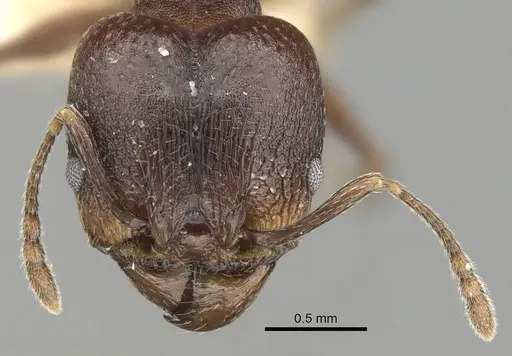
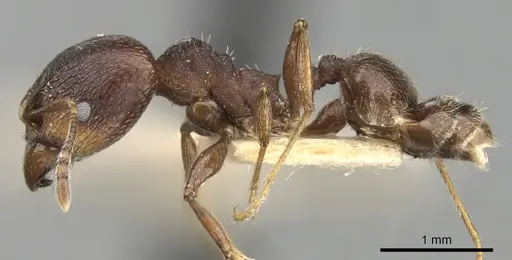
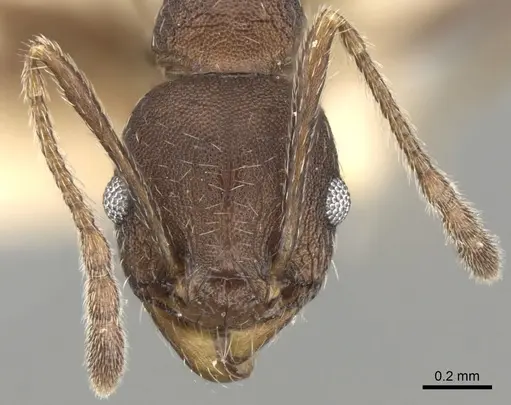
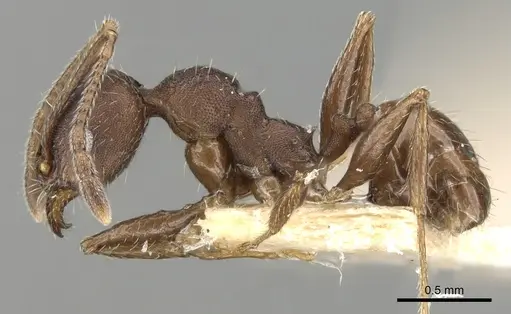
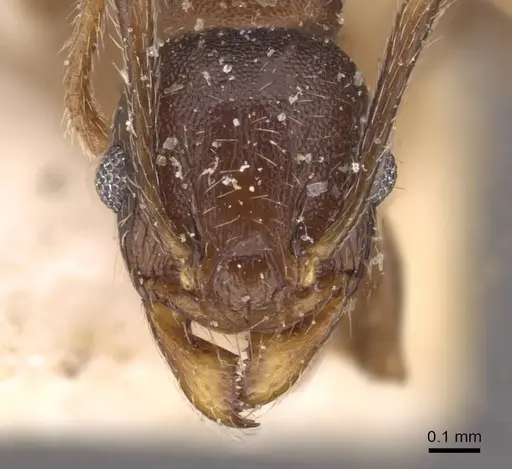
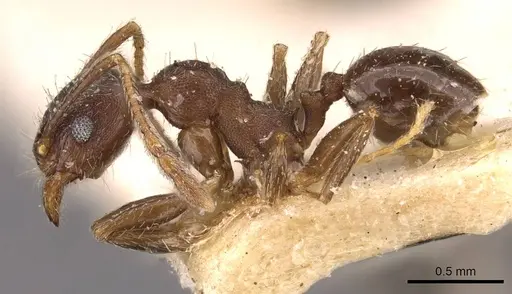
Pheidole optiva is a small Neotropical ant species native to central Mexico, specifically known only from the Cuernavaca area in Morelos [1]. The species belongs to the fallax group and features the distinctive Pheidole caste system with large major workers (soldiers) and smaller minor workers. Majors measure approximately 1.12mm head width while minors are around 0.60mm head width. Their body coloration is reddish-brown, with majors displaying a lighter overall tone compared to the darker gaster. This species was originally described from large colonies nesting beneath tree-shaded stones in ravines. Notably, both major and minor workers were described as 'remarkably slow' in their movements, an unusual trait that distinguishes them from many more active Pheidole species. The species remains known only from its type locality, making it a rare and potentially challenging species to acquire for antkeeping.
Quick Summary
- Difficulty: Medium
- Origin & Habitat: Central Mexico (Cuernavaca, Morelos), Neotropical region. In nature, colonies nest beneath tree-shaded stones in ravines. This suggests they prefer shaded, relatively cool microhabitats with stable moisture conditions.
- Colony Type: Colony structure is unconfirmed. As a Pheidole species, they likely form single-queen colonies (monogyne) like most species in this genus, though some Pheidole species can have multiple queens. Large colonies have been documented in the wild.
- Size & Growth:
- Queen: Unconfirmed, no queen measurements available. Related Pheidole species typically have queens in the 6-10mm range.
- Worker: Major workers: 1.12mm head width (HW). Minor workers: 0.60mm HW.
- Colony: Large colonies documented in the wild. Based on related species, likely reaches several hundred to a few thousand workers.
- Growth: Unknown, no development data exists for this species. Based on typical Pheidole patterns, expect moderate growth rate.
- Development: Estimated 6-8 weeks based on typical Pheidole development at warm temperatures. This is an inference from related species, not direct observation. (No specific development data exists for P. optiva. Temperature will significantly affect development speed.)
- Antkeeping:
- Temperature: Keep at 22-26°C. The Cuernavaca location in central Mexico experiences warm but not extreme temperatures. Provide a gentle temperature gradient allowing workers to self-regulate.
- Humidity: Maintain moderate humidity. Their natural nesting under stones in ravines suggests they prefer stable moisture without being overly damp. Keep nest substrate lightly moist but not waterlogged.
- Diapause: Unknown for this species. Central Mexico has mild winters, so they may have reduced activity periods rather than true hibernation. Consider a cool period (15-18°C) during winter months.
- Nesting: Natural nesting is under stones in shaded ravines. In captivity, they likely accept test tubes, acrylic nests, or plaster formicaria. The slow-moving nature suggests they may do well in simpler setups with minimal climbing surfaces.
- Behavior: Both major and minor workers are notably slow-moving compared to most Pheidole species. This makes them easier to observe but also means they may be outcompeted by faster ants in mixed colonies. They likely function as seed-harvesters (granivorous) typical of the Attini tribe, but may also collect small insects and tend honeydew-producing insects. Major workers serve as defenders and seed processors. Escape risk is moderate, minors at 0.60mm can fit through small gaps but majors are larger. Standard escape prevention measures recommended.
- Common Issues: limited availability, species is only known from one location and may not be available in the antkeeping trade, slow movement may make them vulnerable to predation in outdoor setups, no specific development data means growth expectations are uncertain, colony structure unconfirmed, may be difficult to establish foundress colonies, slow-moving nature could lead to food competition issues with more active ant species
Housing and Nest Setup
Pheidole optiva can be housed in standard antkeeping setups including test tubes for founding colonies and larger formicaria for established colonies. Given their natural nesting under stones in shaded ravines, they appear to prefer darker, more enclosed spaces rather than exposed areas. A test tube setup works well for founding, fill a test tube one-third with water, plug with cotton, and place the queen in the tube. For established colonies, acrylic nests or plaster formicaria with multiple chambers work well. The slow-moving nature of this species means they may not use elaborate tunnel systems as actively as other Pheidole. Keep the nest area relatively dark and avoid excessive vibration or disturbance. A small outworld for foraging allows them to collect food without excessive stress. [1]
Feeding and Diet
As members of the tribe Attini, Pheidole optiva are primarily granivorous, they collect and process seeds as their main food source. In captivity, offer a variety of small seeds such as grass seeds, millet, or commercial ant seed mixes. They should also receive protein sources including small insects like fruit flies, pinhead crickets, or mealworms. Sugar water or honey can be offered occasionally, though granivorous ants typically prefer seeds. Feed seeds continuously and protein 2-3 times per week. Remove uneaten seeds and protein to prevent mold. The slow-moving workers may take longer to collect food, so allow extra time before removing uneaten items. [1]
Temperature and Seasonal Care
Keep Pheidole optiva at temperatures between 22-26°C during the active season. This range reflects their origin in central Mexico where temperatures are warm but not extreme. A temperature gradient allows workers to self-regulate, place a heating cable on one side of the nest at very low setting if room temperature falls below 22°C. During winter months in central Mexico, temperatures cool but rarely drop significantly. Consider providing a cooler period at 15-18°C for 2-3 months to simulate natural seasonal changes, though true hibernation may not be required. Monitor colony activity, if workers become sluggish, slightly reduce temperature. Avoid temperatures above 30°C as this can stress the colony.
Colony Establishment and Growth
Establishing a colony from a founding queen can be challenging since P. optiva is rarely available in the antkeeping hobby. If you obtain a queen, she should be placed in a claustral setup (enclosed test tube chamber) where she will remain sealed while laying eggs and raising her first brood. The first workers (nanitics) will typically emerge smaller than normal minors. After the first workers emerge, the colony can be moved to a proper formicarium if desired. Growth rate is unknown but likely moderate, expect several months to a year before significant colony development. Major workers (soldiers) typically appear once the colony reaches several dozen workers. The slow-moving nature of this species may contribute to slower colony growth compared to more active Pheidole.
Behavior Observations
The most notable behavioral trait of Pheidole optiva is their remarkably slow movement speed, which distinguishes them from most other Pheidole species. Both majors and minors move deliberately rather than darting about. This trait likely reflects their natural habitat under stones in shaded ravines where rapid movement may not be necessary. In captivity, this makes them relatively easy to observe and less likely to escape unexpectedly. However, the slow movement may make them vulnerable if housed with more aggressive ant species. They do not possess a painful sting and are generally docile. Major workers use their larger heads primarily for seed processing and colony defense rather than aggressive interactions.
Frequently Asked Questions
How long does it take for Pheidole optiva to produce first workers?
The exact timeline is unknown, but based on typical Pheidole development, expect first workers (nanitics) approximately 6-8 weeks after the queen lays eggs, assuming temperatures around 24-26°C. Development may be slower given their naturally slow-moving nature.
What do Pheidole optiva ants eat?
They are granivorous (seed-eating) ants typical of the Attini tribe. Offer small seeds like grass seeds, millet, or commercial ant seed mixes as a staple. Supplement with small insects (fruit flies, pinhead crickets, mealworms) for protein. Occasional sugar water or honey can be offered but is not required.
Are Pheidole optiva good for beginners?
This species is rated as Medium difficulty primarily because it is rarely available and we have limited specific care information. If you can obtain a colony, their care requirements are straightforward, standard temperature, humidity, and feeding protocols apply. The slow-moving nature actually makes them easier to manage than faster species.
What temperature should I keep Pheidole optiva at?
Maintain temperatures between 22-26°C during the active season. A slight gradient allowing cooler areas (around 22°C) and warmer spots (up to 26°C) lets the colony self-regulate. Avoid temperatures above 30°C.
How big do Pheidole optiva colonies get?
Large colonies have been documented in the wild. Based on related species, colonies likely reach several hundred to a few thousand workers at maturity, including both minor workers and major soldiers.
Do Pheidole optiva need hibernation?
True hibernation is not required as they originate from central Mexico with mild winters. However, a cooler period (15-18°C) for 2-3 months during winter months may benefit colony health and simulate natural conditions.
Can I keep multiple queens together?
Colony structure is unconfirmed for this species. Most Pheidole are single-queen (monogyne) colonies. Combining unrelated queens is not recommended as it often leads to fighting. If you obtain multiple foundresses, house them separately.
What makes Pheidole optiva different from other Pheidole?
The most distinctive trait is their remarkably slow movement speed, both majors and minors move slowly compared to other Pheidole species. They are also only known from a single location in central Mexico, making them a rare and unusual species in antkeeping.
When will major workers appear?
Major workers (soldiers) typically appear once the colony reaches several dozen to a hundred workers. In Pheidole, majors develop from larvae that receive extra nutrition, this is a natural part of colony maturation rather than a specific timeline.
References

This caresheet is licensed under CC BY-SA 4.0 .
CASENT0281745
View on AntWeb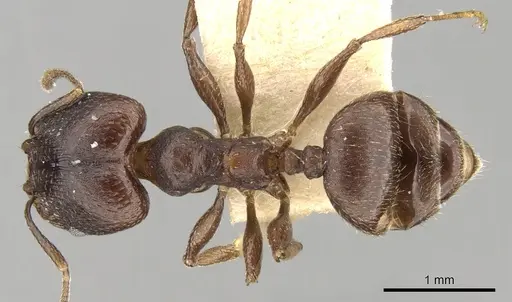
CASENT0281746
View on AntWeb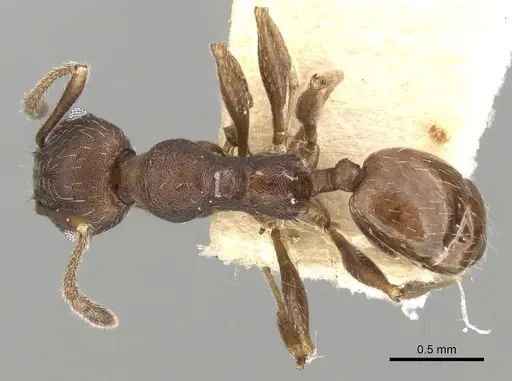
CASENT0908146
View on AntWeb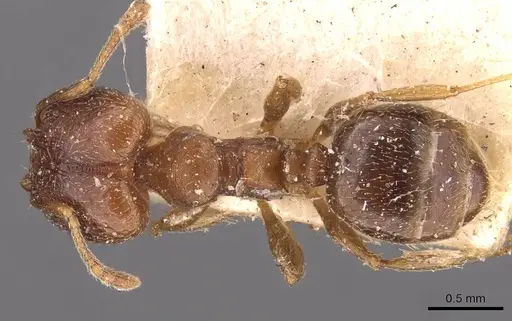
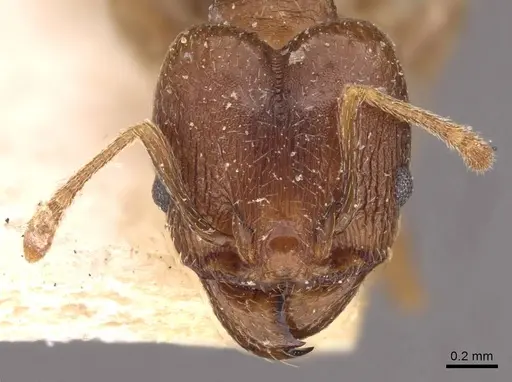
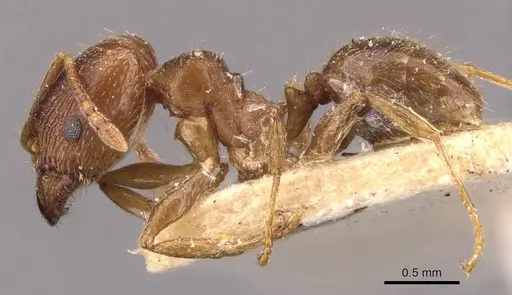
CASENT0908147
View on AntWeb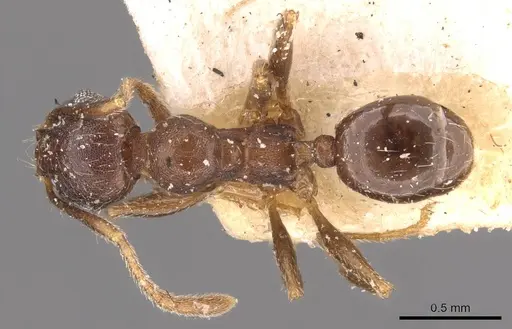
Literature
Loading...Loading products...