

Pheidole onifera
- Scientific Name
- Pheidole onifera
- Tribe
- Attini
- Subfamily
- Myrmicinae
- Author
- Mann, 1921
- Distribution
- Found in 1 countries
Pheidole onifera Overview
Pheidole onifera is an ant species of the genus Pheidole. It is primarily documented in 1 countries , including Fiji. Detailed taxonomic data and occurrence records can be further explored via authoritative databases such as AntWeb or the Global Biodiversity Information Facility (GBIF).
Pheidole onifera
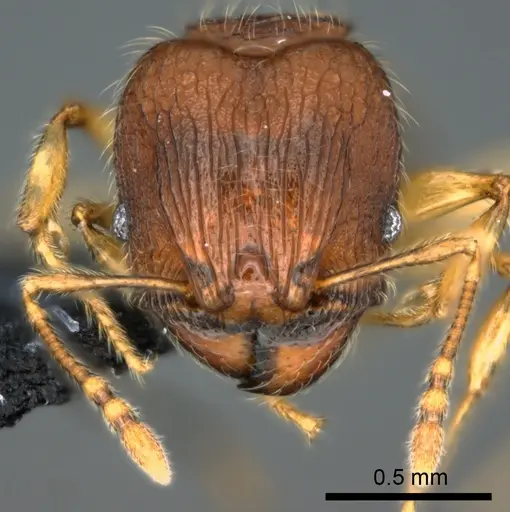
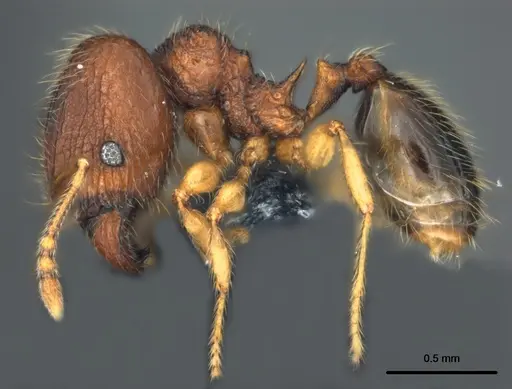
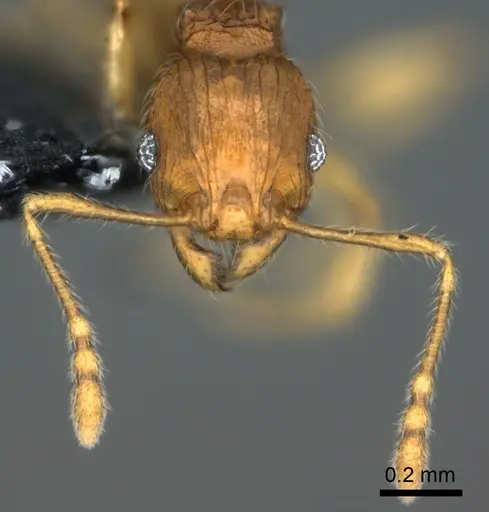
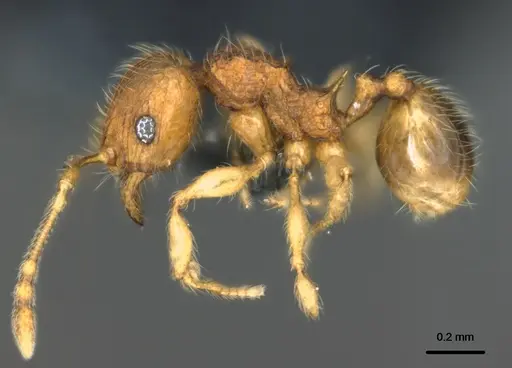
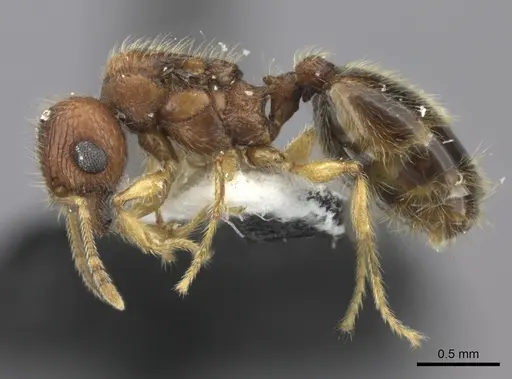
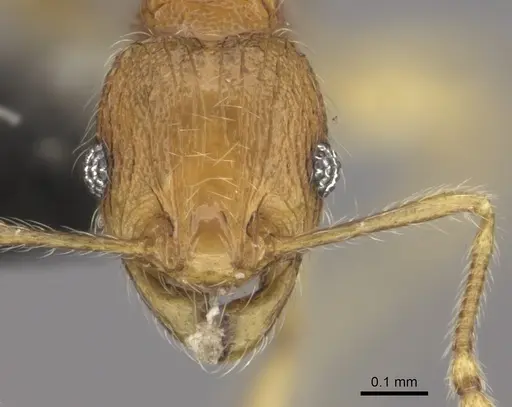
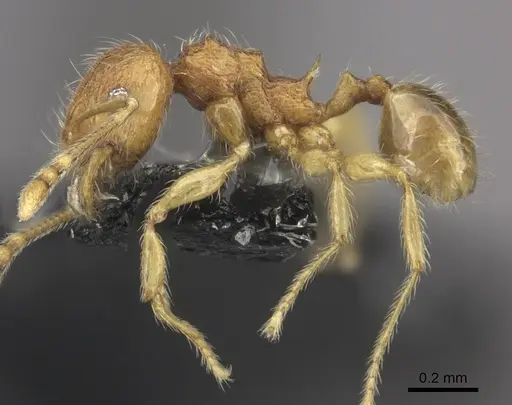
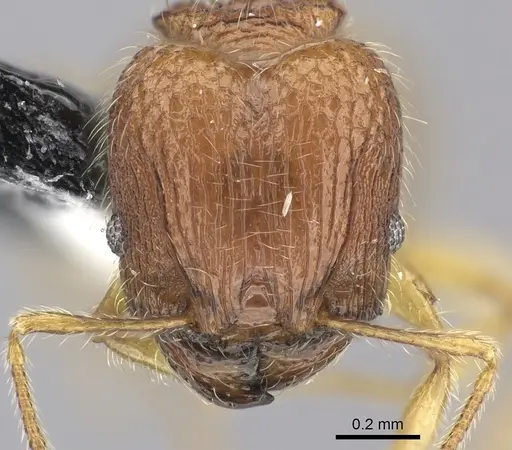
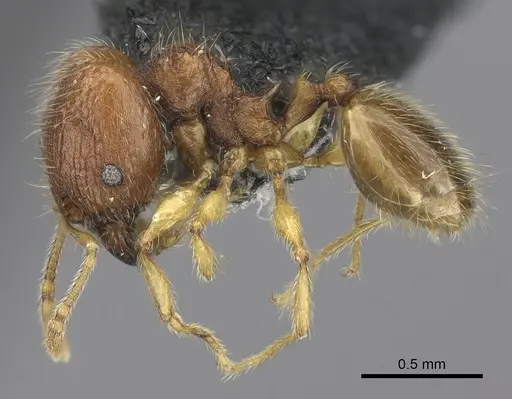
Pheidole onifera is a small yellow-brown ant endemic to the Fiji islands, representing an independent colonization event from the Australia-New Guinea region [1][2]. This species belongs to the genus Pheidole, known for their distinctive major (soldier) workers with enlarged heads, though P. onifera is relatively small compared to many other Pheidole species. The major workers have a lighter yellow coloration with raised angles on the mesonotal posterolateral margins and characteristic upcurved propodeal spines, while minor workers feature a striate-punctate face with projecting pronotal humeri [2]. This ant nests in small colonies beneath stones, in rotting logs, and occasionally in ant-plants (hollow plant cavities inhabited by ants) across the Fijian islands of Viti Levu, Taveuni, Ovalau, and others [2].
Quick Summary
- Difficulty: Medium
- Origin & Habitat: Endemic to the Fiji islands in the South Pacific, found on multiple islands including Viti Levu, Taveuni, Ovalau, Beqa, Gau, Kadavu, Moala, and Vanua Levu [2]. Inhabits tropical rainforest environments at elevations up to 500 meters on Ovalau [1]. Nests are typically found under stones, in rotting wood, and in ant-plants [2].
- Colony Type: Colony structure is unconfirmed. Based on typical Pheidole patterns, likely single-queen (monogyne) colonies with small colony sizes, Mann reported finding small colonies in their original study [2].
- Colony: Monogyne
- Founding: Claustral
- Size & Growth:
- Queen: Unconfirmed, no direct measurements available. Estimated 5-7mm based on typical Pheidole queen size range.
- Worker: Minor workers: approximately 2-3mm. Major workers: approximately 3-4mm [2].
- Colony: Small colonies, likely under 500 workers based on original field observations of small colony size [2].
- Growth: Moderate, typical for tropical Pheidole species
- Development: 6-8 weeks estimated at optimal tropical temperatures (25-28°C), based on typical Pheidole development patterns. (Development time is inferred from genus-level data, as species-specific development has not been studied.)
- Antkeeping:
- Temperature: Tropical species, keep nest area at 24-28°C. A gentle temperature gradient allowing warmer and cooler areas is ideal. Room temperature (22-26°C) is acceptable in most homes. Use a heating cable on one side of the nest if your room runs cooler.
- Humidity: Moderate to high humidity (60-80%). Keep the nest substrate consistently moist but not waterlogged. Mist occasionally and provide a water tube. The natural habitat is tropical rainforest, so they appreciate some moisture.
- Diapause: No, as a tropical species from Fiji, they do not require hibernation. Activity may slow slightly during cooler months, but a true diapause is not necessary.
- Nesting: Prefers humid nest environments. Test tubes, Y-tong (AAC) nests, or plaster nests all work well. Provide some substrate depth if using naturalistic setups. The species naturally nests under stones and in rotting wood, so include some soil or fine gravel in the outworld.
- Behavior: Typical Pheidole temperament, generally peaceful but majors will defend the colony aggressively if threatened. Workers are active foragers, both majors and minors leave the nest to search for food. They are not particularly aggressive toward humans and rarely sting. Escape risk is moderate, they are small but not as prone to escaping as some tiny species. Close-fitting lids and standard barriers are sufficient. Major workers can be quite conspicuous due to their enlarged heads.
- Common Issues: humidity management is critical, too dry and colonies will fail to thrive, too wet can cause mold issues, small colony size means slower population growth, beginners may lose patience, limited availability since this is a rarely kept endemic species, wild-caught colonies may carry parasites or pathogens that can cause captive failures, heating too aggressively can dry out the nest quickly
Housing and Nest Setup
Pheidole onifera can be kept in standard ant-keeping setups. Test tube setups work well for founding colonies, use a test tube with a water reservoir sealed with cotton, providing a humid chamber for the queen and her brood. Once the colony reaches 20-30 workers, you can transition to a formicarium. Y-tong (acrylic) nests are excellent for this species as they allow you to control humidity easily. Plaster nests also work well, providing consistent moisture. The outworld should contain some substrate (soil or fine gravel) to allow natural foraging behavior. Ensure the nest has chambers sized appropriately, not too large for a small colony. A small water test tube for drinking water is essential. [2]
Feeding and Diet
Like most Pheidole species, P. onifera is an omnivore that accepts a variety of foods. Offer protein sources such as small insects (fruit flies, small crickets, mealworms), and occasionally small pieces of raw chicken or egg. Sugar sources are also readily accepted, a drop of sugar water, honey, or diluted maple syrup should be provided at least twice weekly. In the wild, these ants likely forage for honeydew from aphids and scale insects, plus small arthropods. Feed small amounts every 2-3 days, removing any uneaten food after 24 hours to prevent mold. A constant sugar water supply is recommended once workers are actively foraging.
Temperature and Seasonal Care
As a tropical species from Fiji, P. onifera prefers warm conditions. Keep the nest area at 24-28°C (75-82°F). A temperature gradient is ideal, allow one area of the formicarium to be slightly warmer while keeping another area cooler so the ants can self-regulate. If your room temperature is below 22°C, use a heating cable under or beside the nest. Avoid direct heat sources that could dry out the nest. No hibernation is required, these ants come from a tropical environment without cold winters. During cooler months, you may notice slightly reduced activity, but this is not a true diapause. Maintain consistent warmth year-round for optimal colony growth. [2]
Behavior and Colony Dynamics
Pheidole onifera exhibits typical Pheidole colony structure with distinct major and minor worker castes. Minor workers handle most foraging, nursing, and general tasks, while major workers (soldiers) defend the colony and help process larger food items. Colonies are relatively small compared to many Pheidole species, expect perhaps 100-300 workers at maturity. The species is not aggressive toward keepers and rarely attempts to sting. Workers are active during the day and will readily explore the outworld in search of food. When a food source is found, workers may recruit nestmates through chemical trails. Major workers are quite distinctive due to their enlarged heads, making this an interesting species to observe. [2]
Acquisition and Legal Considerations
Pheidole onifera is endemic to Fiji and is not commonly available in the ant-keeping hobby. If available, it will likely be from specialized breeders or through connections with researchers studying Fijian ants. This species is NOT invasive and should never be released outside its native range. Fiji has strict biosecurity regulations, so obtaining wild-caught colonies may be difficult or illegal. If you acquire a colony, ensure it was legally obtained and never release any ants into non-native environments. For keepers in North America, Europe, or other regions, this species would be a rare and unusual addition to a collection.
Frequently Asked Questions
How long does it take for Pheidole onifera to have first workers?
Based on typical Pheidole development, expect first workers (nanitics) approximately 6-8 weeks after the queen lays eggs, provided temperatures are maintained at 25-28°C. Development may be slightly faster in very warm conditions or slower if temperatures drop.
What do Pheidole onifera ants eat?
They are omnivores. Offer small insects (fruit flies, pinhead crickets, mealworms) for protein, and provide sugar water, honey, or maple syrup regularly. They will also accept small amounts of fruits or seeds if offered.
Can I keep multiple Pheidole onifera queens together?
This is not recommended. Pheidole species are typically single-queen colonies (monogyne). Combining unrelated queens has not been studied for this species and would likely result in fighting. If you acquire multiple foundress queens, house them separately.
What temperature do Pheidole onifera ants need?
Keep them warm at 24-28°C (75-82°F). This is a tropical species from Fiji, so they do not tolerate cool conditions. A heating cable or mat can provide additional warmth if your room temperature is below 22°C.
Are Pheidole onifera good for beginners?
This species is probably best suited for intermediate keepers. While Pheidole in general are manageable, this species is rarely kept and may be difficult to acquire. The main challenges are finding a colony and maintaining proper tropical humidity levels.
How big do Pheidole onifera colonies get?
Based on field observations of small colonies, expect mature colonies of perhaps 100-300 workers. This is smaller than many common Pheidole species, which can reach thousands of workers.
Do Pheidole onifera need hibernation?
No. As a tropical species from Fiji, they do not require hibernation or winter cooling. Maintain warm temperatures year-round for best colony growth.
Where is Pheidole onifera found?
This species is endemic to the Fiji islands in the South Pacific. It has been recorded from Viti Levu, Taveuni, Ovalau, and several other Fijian islands.
References

This caresheet is licensed under CC BY-SA 4.0 .
CASENT0185253
View on AntWeb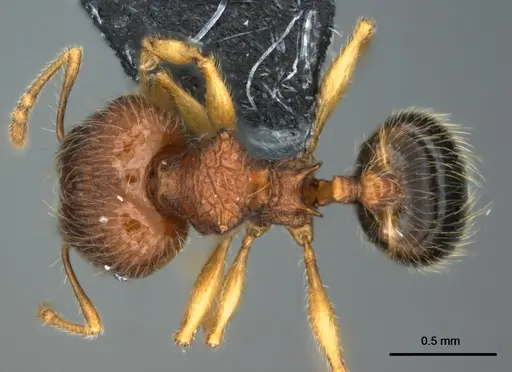
CASENT0185425
View on AntWeb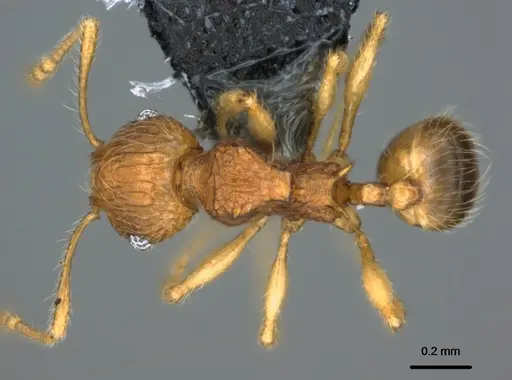
CASENT0185461
View on AntWeb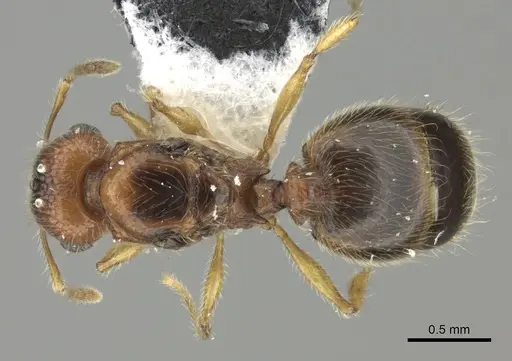
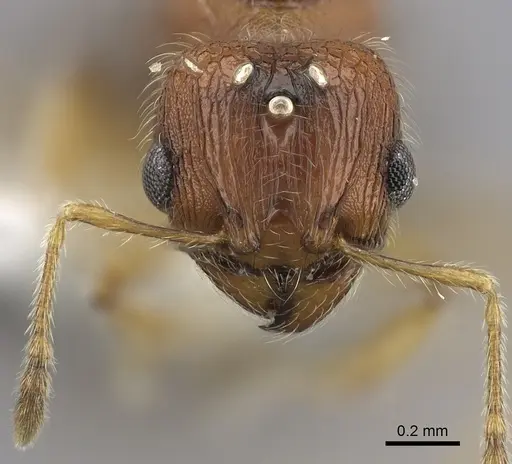
CASENT0185477
View on AntWeb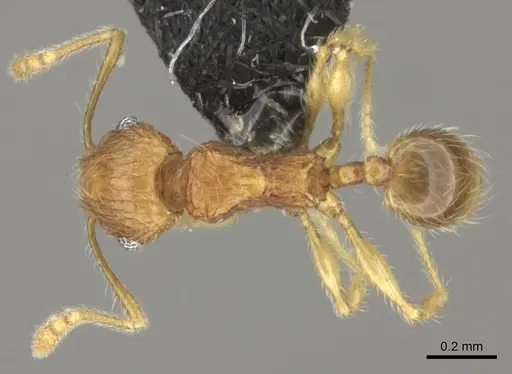
CASENT0185541
View on AntWeb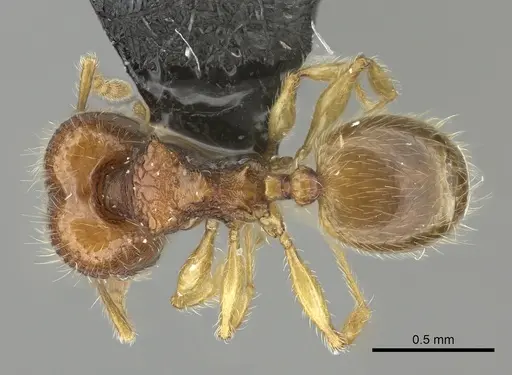
Literature
Loading...Loading products...