

Pheidole olsoni
- Scientific Name
- Pheidole olsoni
- Tribe
- Attini
- Subfamily
- Myrmicinae
- Author
- Wilson, 2003
- Distribution
- Found in 2 countries
Pheidole olsoni Overview
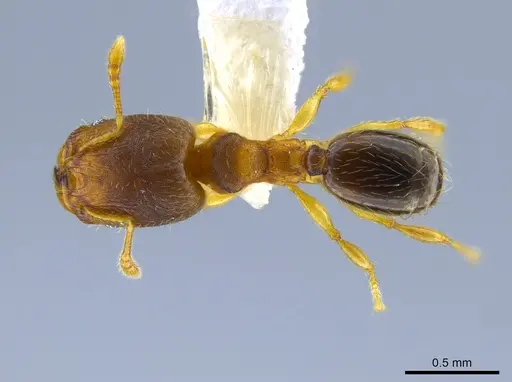
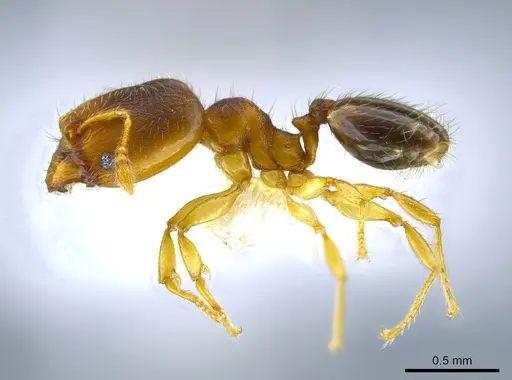
Pheidole olsoni is an ant species of the genus Pheidole. It is primarily documented in 2 countries , including Costa Rica, Panama. Detailed taxonomic data and occurrence records can be further explored via authoritative databases such as AntWeb or the Global Biodiversity Information Facility (GBIF).
Pheidole olsoni
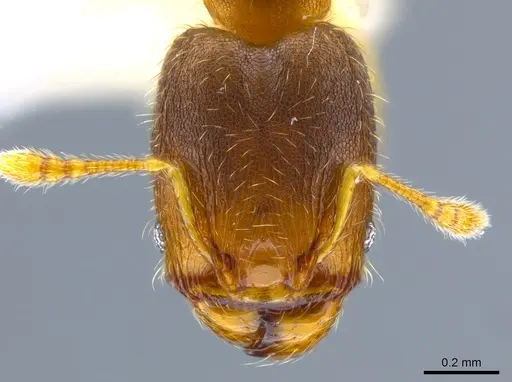
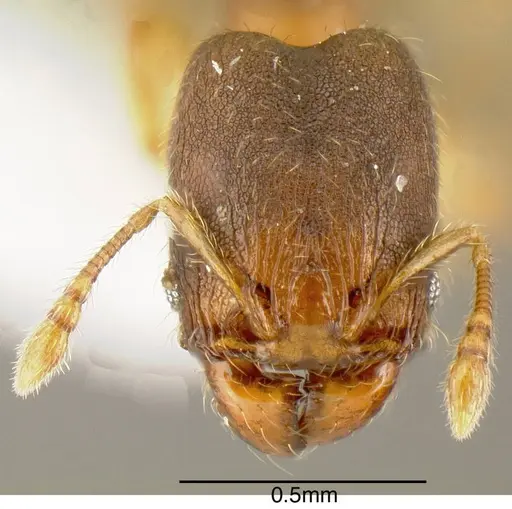
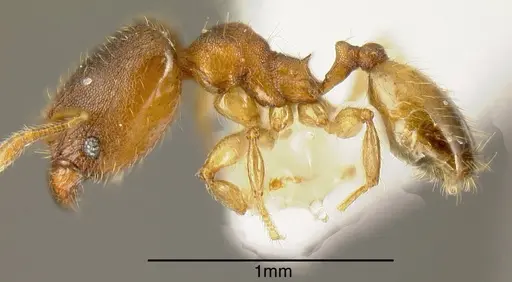
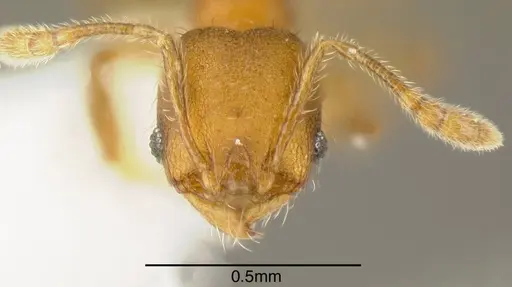
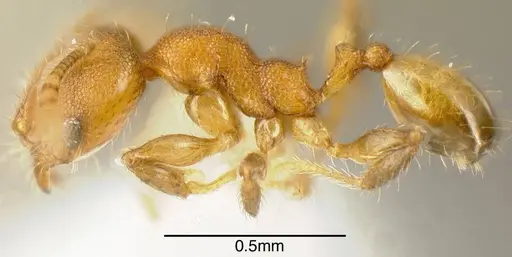
Pheidole olsoni is a dimorphic ant species native to Central America, found in Costa Rica and Guatemala [1]. Like all Pheidole species, they have two worker castes: major workers (soldiers) with notably large heads, and smaller minor workers that handle most day-to-day tasks. This dimorphic structure gives them a distinctive appearance compared to monomorphic ant species. These ants are tropical, originating from the warm, humid forests of Central America.
Quick Summary
- Difficulty: Easy
- Origin & Habitat: Costa Rica and Guatemala, tropical forest environments [1]
- Colony Type: Likely single-queen colonies (monogyne), which is typical for most Pheidole species. Colony structure is inferred from genus patterns.
- Colony: Monogyne
- Founding: Claustral
- Size & Growth:
- Queen: Estimated 6-8mm based on typical Pheidole queen dimensions
- Worker: Minor workers: 2-3mm, Major workers: 4-6mm with notably large heads, typical for Pheidole genus
- Colony: Colonies can grow large, potentially several thousand workers over time, typical for Pheidole
- Growth: Moderate, Pheidole colonies typically grow steadily but not rapidly
- Development: Estimated 6-8 weeks at tropical temperatures (25-28°C), based on typical Pheidole development patterns (Development time inferred from genus-level data, actual timeline may vary)
- Antkeeping:
- Temperature: Keep at 24-28°C, they are tropical ants from Central America and need warm conditions [1]. A heating cable on one side of the nest can create a gentle gradient.
- Humidity: Moderate to high humidity (60-80%). These ants come from tropical environments, so keep the nest substrate slightly moist but not waterlogged. Provide a water tube for drinking.
- Diapause: No, being tropical, they do not require a hibernation period. Keep them warm year-round.
- Nesting: Pheidole olsoni will do well in test tube setups for founding, then transition to Y-tong or plaster nests as the colony grows. They prefer dark, humid nesting chambers.
- Behavior: These ants are generally peaceful and not aggressive. Major workers use their large heads for seed processing and colony defense, but they rarely sting. They are active foragers that search for seeds, insects, and sugar sources. Minor workers do most of the foraging while majors handle food processing. Escape risk is moderate, they are not particularly small, but standard escape prevention (fluon barriers) is still recommended.
- Common Issues: colonies can stall if kept too cool, maintain warm temperatures year-round, overfeeding can lead to mold in the nest, remove uneaten food promptly, major workers may appear threatening but they are not aggressive stingers, tropical species are sensitive to temperature drops, avoid cold drafts, large colonies may outgrow small nests quickly, upgrade proactively
Housing and Nest Setup
For founding colonies, use a standard test tube setup with a water reservoir. The queen will seal herself in a chamber and raise her first brood alone. Once the colony reaches 20-30 workers, you can transition to a Y-tong (AAC) nest or plaster formicarium. Pheidole prefer dark, humid nesting areas, so cover the nest with a dark cloth or use a nest with limited light exposure. These ants do well in most commercial ant keeping setups, but avoid overly dry environments.
Feeding and Diet
Pheidole olsoni is omnivorous, like most Pheidole species. They readily accept seeds (which major workers can process with their large heads), small insects like fruit flies or mealworms, and sugar sources such as honey or sugar water. Feed minor workers a mix of protein (insects) 2-3 times per week, and keep a constant sugar water source available. Remove uneaten food within 24 hours to prevent mold.
Temperature and Seasonal Care
As tropical ants from Costa Rica and Guatemala, these ants require warm temperatures year-round. Keep the nest area between 24-28°C. A small heating cable placed on one side of the nest can help maintain optimal temperatures, but always provide a temperature gradient so ants can self-regulate. Do not hibernate this species, they do not require a diapause period. Avoid temperature drops below 20°C, which can stress or kill the colony. [1]
Colony Development
The colony starts with the queen laying eggs after mating. She is claustral, meaning she seals herself in and lives off stored fat reserves while raising the first brood. First workers (nanitics) are typically smaller than normal minors. Once workers emerge, they take over foraging and brood care, and the colony enters a growth phase. Major workers appear as the colony matures, these distinctive soldiers have large heads for seed processing and colony defense. Expect steady growth over several months to years.
Behavior and Temperament
This species is generally calm and not aggressive toward keepers. Major workers have large heads that they use for cracking seeds and defending the colony, but they rarely sting humans. Minor workers handle most foraging and brood care. They are active foragers that will readily explore their outworld for food. While not aggressive, they will defend their nest if threatened. Standard escape prevention is recommended, though they are not particularly prone to escaping like some tiny species.
Frequently Asked Questions
How long does it take for Pheidole olsoni to produce first workers?
Expect first workers (nanitics) to emerge in about 6-8 weeks at optimal temperatures (24-28°C). This is based on typical Pheidole development patterns, as specific timing for this species has not been documented.
What do I feed Pheidole olsoni?
They are omnivorous. Offer a mix of small insects (fruit flies, mealworms), seeds, and sugar water or honey. Minor workers handle foraging while majors process harder foods like seeds.
Can I keep multiple Pheidole olsoni queens together?
This species is likely monogyne (single queen), which is typical for most Pheidole. Combining unrelated queens is not recommended as they likely will fight.
Do Pheidole olsoni need hibernation?
No. As tropical ants from Costa Rica and Guatemala, they do not require hibernation. Keep them warm year-round at 24-28°C.
Are Pheidole olsoni good for beginners?
Yes, they are considered easy to keep. They are forgiving of minor care mistakes, not aggressive, and have straightforward feeding requirements. Their main needs are warm temperatures and moderate humidity.
When should I move Pheidole olsoni to a formicarium?
Move them once the colony reaches 20-30 workers in a test tube. A Y-tong or plaster nest works well. Ensure the new setup maintains humidity and provides dark nesting areas.
How big do Pheidole olsoni colonies get?
Mature colonies can reach several thousand workers. This is typical for the Pheidole genus, which includes some of the most populous ant species.
Why are my Pheidole olsoni dying?
The most common causes are temperature too low (below 20°C), too dry conditions, or mold from overfeeding. Ensure warm temperatures, adequate humidity, and remove uneaten food promptly.
What makes Pheidole olsoni major workers special?
Major workers have notably large heads, this is the defining feature of the Pheidole genus. They use these heads to process seeds and defend the colony, while smaller minor workers handle most foraging and brood care.
References

This caresheet is licensed under CC BY-SA 4.0 .
Literature
Loading...Loading products...