

Pheidole obtusospinosa
- Scientific Name
- Pheidole obtusospinosa
- Tribe
- Attini
- Subfamily
- Myrmicinae
- Author
- Pergande, 1896
- Common Name
- Blunt-spined Big-headed Ant
- Distribution
- Found in 2 countries
Pheidole obtusospinosa Overview
Pheidole obtusospinosa (commonly known as the Blunt-spined Big-headed Ant) is an ant species of the genus Pheidole. It is primarily documented in 2 countries , including Mexico, United States of America. Detailed taxonomic data and occurrence records can be further explored via authoritative databases such as AntWeb or the Global Biodiversity Information Facility (GBIF).
Pheidole obtusospinosa - "Blunt-spined Big-headed Ant"
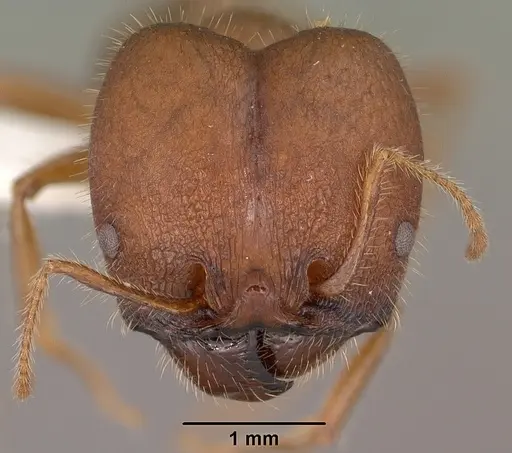
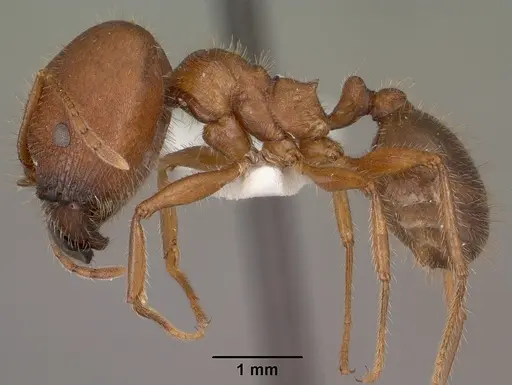
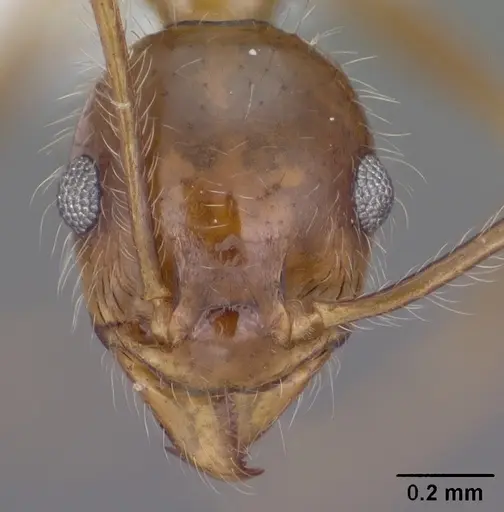
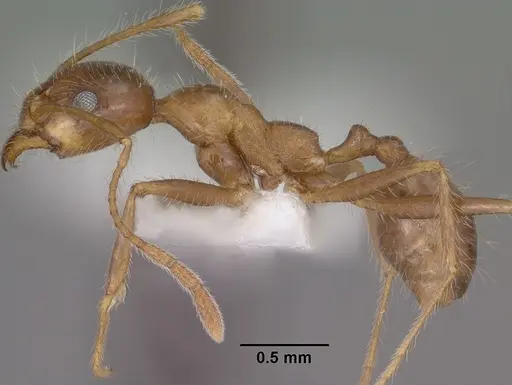
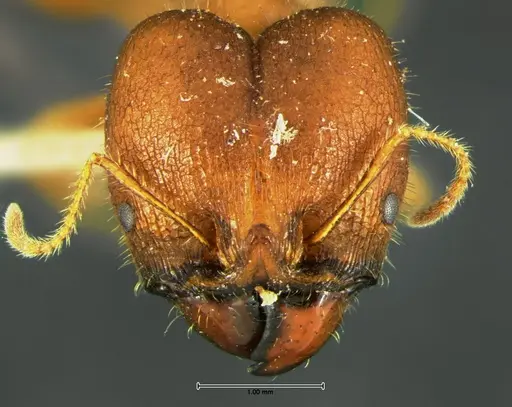
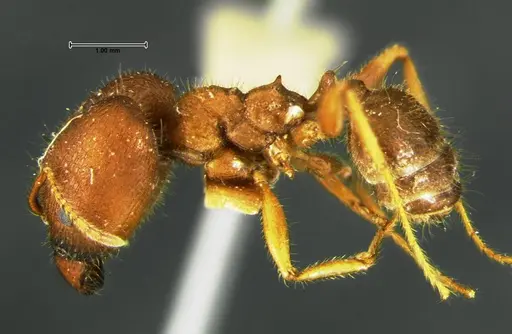
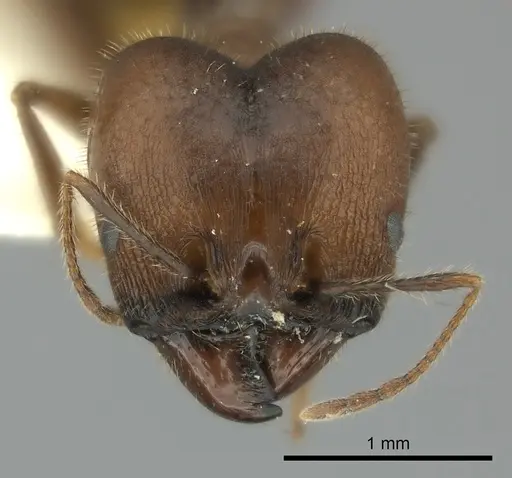
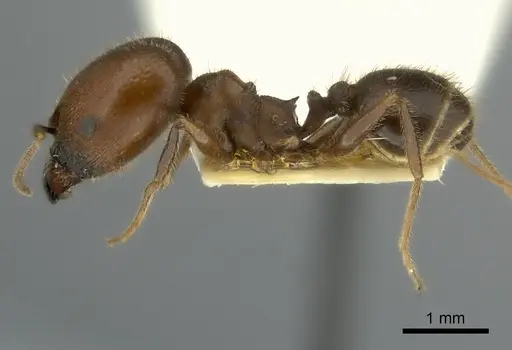
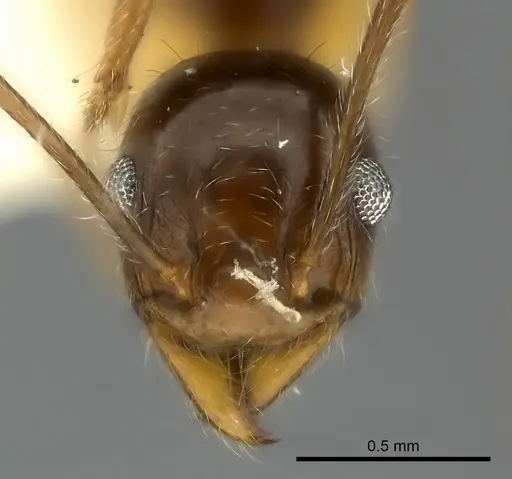
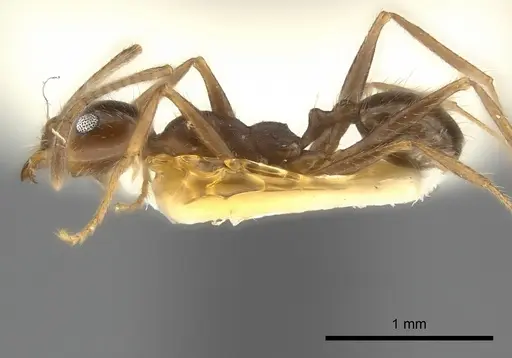
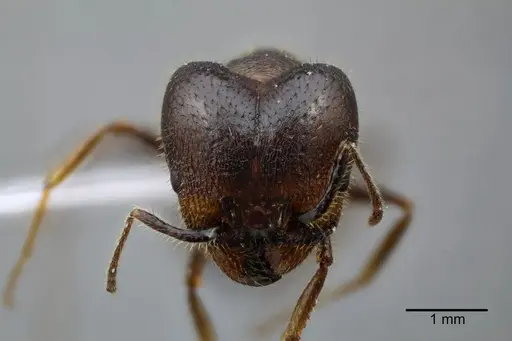
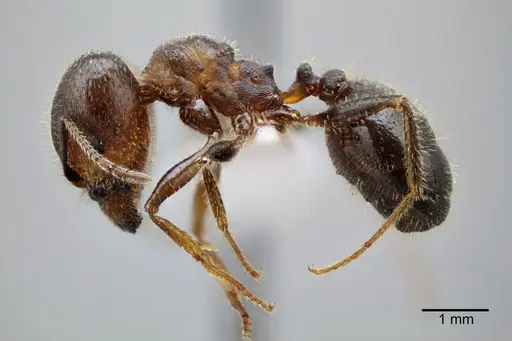
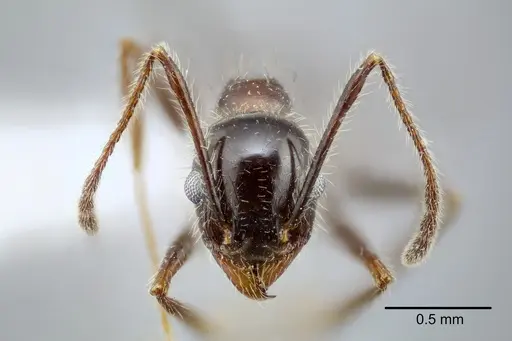
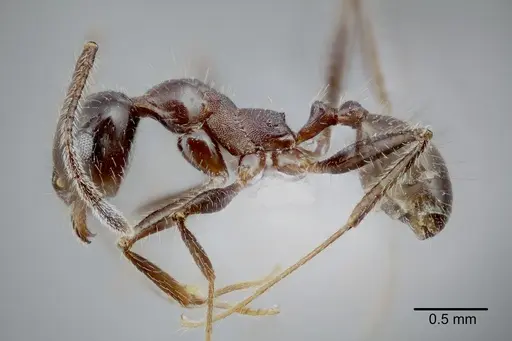
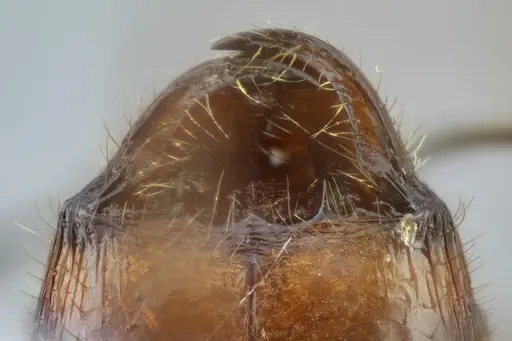
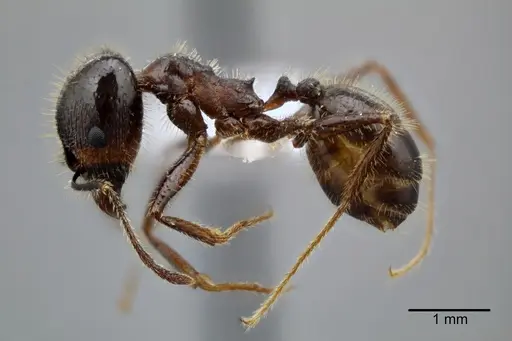
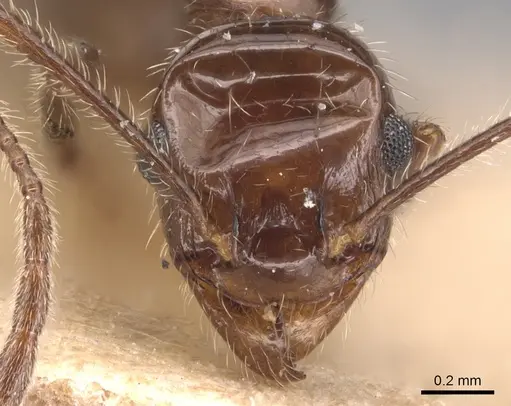
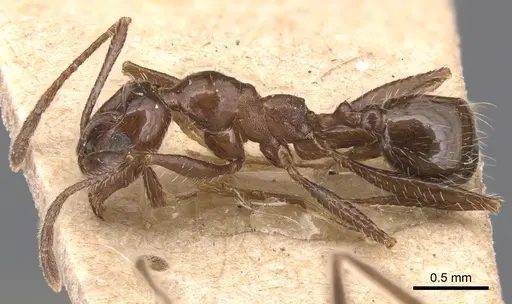
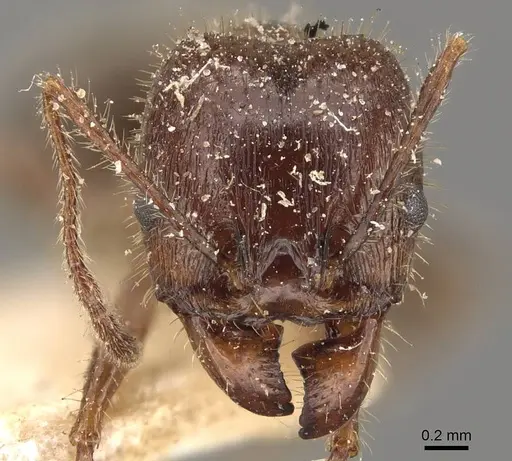
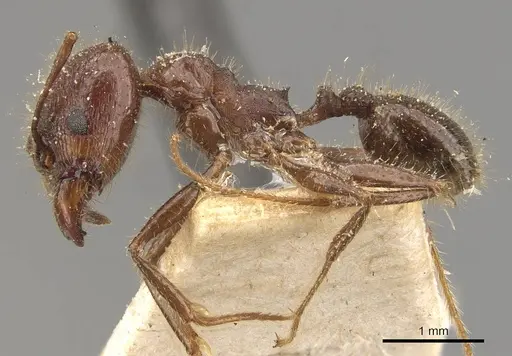
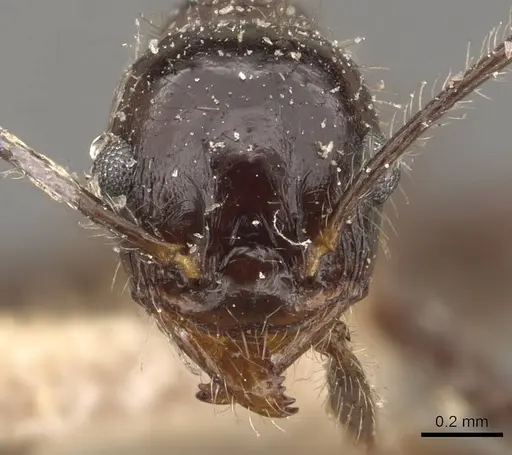
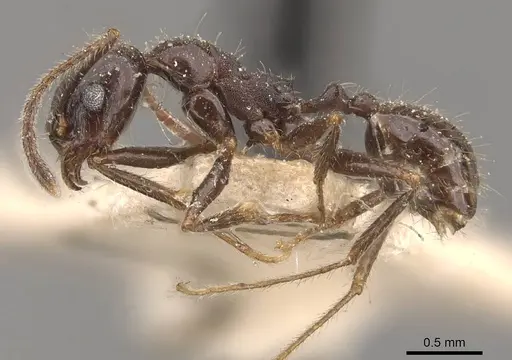
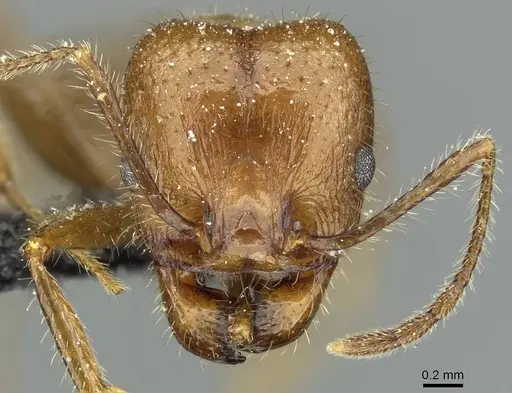
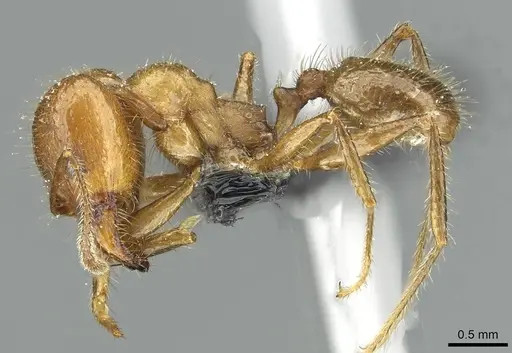
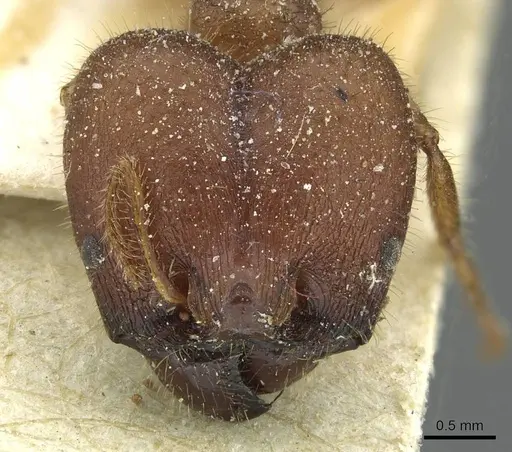
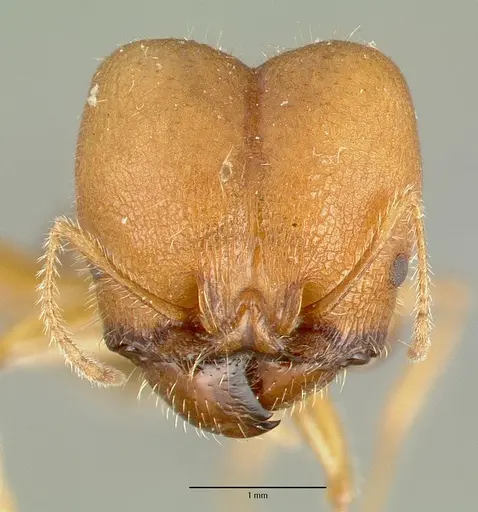
Pheidole obtusospinosa is a trimorphic ant species native to the American Southwest and Mexico, known for having three distinct worker castes: small minor workers, larger major workers (soldiers), and massive supermajor workers. The minor workers measure just 0.5-0.7mm in head width, while the supermajors can reach an impressive 2.4-2.6mm in head width, making them among the largest Pheidole workers [1]. The species is yellowish to reddish brown in color and gets its name from the blunt propodeal spines. These ants are found from southern Arizona through New Mexico into central Mexico, typically living in pine-oak-juniper woodlands at elevations between 300-2100m [2][3].
What makes P. obtusospinosa truly remarkable is its sophisticated multi-phase defense system against army ant raids. When threatened by Neivamyrmex army ants, supermajor workers form a living blockade by packing their enormous heads together at the nest entrance. If this defensive wall fails, they switch to an aggressive counter-attack, swarming out to engage the invaders while dragging their abdomens on the ground to disorient reinforcements. This behavior is extremely rare among ants and represents a specialized evolutionary adaptation to life in areas where army ants are common [1][4].
Quick Summary
- Difficulty: Medium
- Origin & Habitat: Native to the American Southwest (Arizona, New Mexico) and central Mexico. Found in pine-oak-juniper woodlands, creosotebush scrub, grasslands, and pinyon-juniper communities at elevations from 300-2100m [2][3]. Nests under rocks or occasionally in dead tree branches.
- Colony Type: Monogyne (single queen colonies). This is a trimorphic species with three worker castes: minor workers, major workers (soldiers), and supermajor workers. Colonies can become very large, with an average of around 1,783 workers in established colonies [1].
- Colony: Monogyne
- Founding: Claustral
- Size & Growth:
- Queen: Estimated 8-10mm based on genus patterns (Pheidole queens typically 7-12mm)
- Worker: Minor: 0.5-0.7mm head width, Major: 1.1-1.7mm head width, Supermajor: 1.7-2.6mm head width [1]
- Colony: Up to approximately 1,800+ workers in mature colonies [1]
- Growth: Moderate
- Development: 6-8 weeks (estimated based on typical Pheidole development at warm temperatures) (Colony ontogeny shows soldier size increases linearly for about 9 months after founding before reaching stasis. First nanitic soldiers appear at 1.0-1.1mm head width [1].)
- Antkeeping:
- Temperature: Keep at 24-30°C. Research shows colonies thrive at 30°C in laboratory conditions [1]. Provide a temperature gradient allowing workers to self-regulate.
- Humidity: Moderate. They prefer dry to moderately damp conditions typical of their desert and woodland habitat. Keep nest substrate slightly moist but not waterlogged.
- Diapause: Yes. As a species from temperate Arizona and Mexico, they require a winter hibernation period. Reduce temperature to 10-15°C for 2-3 months during winter.
- Nesting: In nature they nest under rocks or in soil with multiple entrances. In captivity, a Y-tong (acrylic) nest or plaster nest works well. Provide a sandy soil substrate for seed-harvesting behavior. The nest should have chambers large enough for the supermajor workers to move through.
- Behavior: These ants are defensive and will aggressively defend against threats. The supermajor workers serve as specialized nest defenders and will block the nest entrance with their heads when threatened. Workers forage both day and night and are known to visit extrafloral nectaries. They are seed harvesters and will also collect small insects. Escape prevention is important, while not extremely small, they are active and can climb smooth surfaces. Use fluon on test tube rims or formicarium edges.
- Common Issues: colonies may take 6-12 months to establish first major workers, patience is required, super-major production requires mature colonies and specific conditions, don't expect them immediately, overheating can be fatal, avoid temperatures above 35°C despite their desert origin, wild-caught colonies may have army ant parasites (Neivamyrmex) that can kill them, seed-harvesting behavior requires appropriate substrate, plain acrylic nests may not satisfy this natural instinct
Housing and Nest Setup
Pheidole obtusospinosa can be kept in test tubes for founding colonies, but plan to move them to a formicarium within 6-12 months as the colony grows. A Y-tong (acrylic) nest works well because it provides the dark chambers these ants prefer while allowing you to observe colony development. Because they are trimorphic with supermajor workers reaching 2.4-2.6mm head width, ensure chambers and tunnels are spacious enough for these large workers to move through comfortably [1]. Include a section of sandy soil or digging area since these are seed-harvesting ants that enjoy sifting through substrate. An outworld with a sugar water feeder and protein food dish completes the setup. Escape prevention is important, these ants are active and can climb smooth surfaces, so apply fluon to any edges they might access.
Feeding and Diet
In the wild, Pheidole obtusospinosa is a seed harvester and also forages for small insects and visits extrafloral nectaries. In captivity, offer a varied diet including: seeds (millet, dandelion, grass seeds), small insects (fruit flies, pinhead crickets, mealworms), and sugar sources (honey water, sugar water). Laboratory colonies have been successfully raised on frozen insects (cockroaches, lepidopteran larvae, crickets) supplemented with honey water containing vitamins and minerals [1]. Feed protein 2-3 times per week and provide constant access to sugar water. Remove uneaten seeds and insects after 24-48 hours to prevent mold. The major and supermajor workers specialize in processing large food items and seeds, so don't be surprised to see the larger castes dominating food sources.
Temperature and Seasonal Care
Keep your colony at 24-30°C, with 28-30°C being ideal for rapid growth. Research shows laboratory colonies thrive at constant 30°C [1]. Provide a temperature gradient so workers can choose their preferred warmth, this is easily achieved by placing a heating cable on one side of the nest. During winter (roughly November-February in the Northern Hemisphere), reduce temperatures to 10-15°C to simulate their natural seasonal cycle. This hibernation period is important for colony health and may trigger reproductive behavior in established colonies. Do not cool suddenly, reduce temperature gradually over 1-2 weeks. Avoid temperatures above 35°C as this can be fatal despite their desert origin.
The Super Major Caste: Defense Specialists
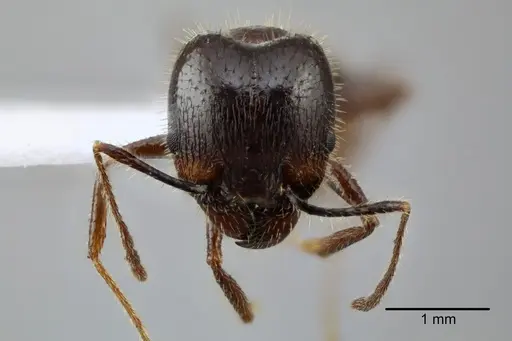
One of the most fascinating aspects of Pheidole obtusospinosa is the supermajor worker caste. These massive workers have heads measuring 1.7-2.6mm in width, among the largest in the ant world [1]. Their primary function is nest defense against army ants (Neivamyrmex species). When an army ant raid occurs, supermajors pack their large heads together to form a living blockade at the nest entrance, completely blocking the triangular-shaped opening [4]. If invaders attempt to find another entrance, the supermajors break formation and launch aggressive counter-attacks while other workers drag their abdomens on the ground to create disorienting chemical trails that confuse enemy reinforcements [1]. This multi-phase defense is unique and represents an evolutionary arms race with army ants. In captivity, you may observe head-blocking behavior if the colony feels threatened, it's a sign your ants are healthy and defensive.
Colony Development and Caste Production
Understanding caste development helps set realistic expectations. Founding colonies produce only minor workers and small nanitic soldiers (head width ~1.0-1.1mm) for the first few months. As the colony matures over 6-9 months, soldier size increases and the distribution becomes bimodal, you get both small soldiers (1.1-1.7mm) and supermajors (1.7-2.6mm) [1]. Research shows that at stasis, about 16% of workers are soldiers, and roughly 25% of those soldiers are supermajors [1]. The biomass allocation between small soldiers and supermajors is roughly equal. This means you'll need patience, supermajor production is a sign of a mature, healthy colony, not something to expect in a new setup. The development timeline from egg to first worker is approximately 6-8 weeks at optimal temperature, but full trimorphic development may take 12-18 months.
Frequently Asked Questions
How long does it take for Pheidole obtusospinosa to produce supermajor workers?
Supermajor production typically begins around 9 months after colony founding, once the colony reaches sufficient size and maturity. Initial soldiers (nanitics) are smaller at 1.0-1.1mm head width. The soldier size distribution starts unimodal and becomes strongly bimodal as the colony reaches stasis, producing both small soldiers and supermajors [1].
What do I feed Pheidole obtusospinosa?
Offer a varied diet including seeds (millet, dandelion seeds), small insects (fruit flies, pinhead crickets, mealworms), and sugar water or honey water. They are seed harvesters in the wild and will readily collect seeds in captivity. Protein should be offered 2-3 times per week, with sugar water available constantly [1][5].
Are Pheidole obtusospinosa good for beginners?
This species is rated as medium difficulty. While not the hardest ant to keep, they require patience, supermajor production takes 9+ months, and colonies need time to establish. They also require a winter hibernation period. The trimorphic caste system is fascinating to watch develop, making them rewarding for keepers willing to wait. They are more challenging than simple species like Lasius but achievable for those with some antkeeping experience.
Do Pheidole obtusospinosa need hibernation?
Yes. As a species from temperate Arizona and Mexico with seasonal temperature changes, they require a winter rest period. Reduce temperatures to 10-15°C for 2-3 months during winter (typically November-February). This helps maintain natural colony cycles and may trigger reproductive behavior in established colonies [1].
How big do Pheidole obtusospinosa colonies get?
Mature colonies can reach approximately 1,800+ workers, with about 16% being soldiers (majors) and 25% of those being supermajors [1]. In the wild, colonies can become very large and may dominate surrounding areas to the exclusion of other ant species.
When do nuptial flights occur for Pheidole obtusospinosa?
In southern Arizona, nuptial flights occur in early July. Winged reproductives can be found in nests from April through at least September. Queens are typically collected early morning after heavy rainfall [1][6].
Can I keep multiple queens together?
No. Pheidole obtusospinosa is monogyne, meaning colonies have a single queen. Multiple unrelated queens will fight. Only one queen should be kept per colony.
Why do supermajors block the nest entrance with their heads?
This is a specialized defense behavior against army ant raids. When Neivamyrmex army ants attack, supermajor workers pack their enormous heads together to completely seal the nest entrance. If this passive defense fails, they switch to aggressive counter-attacks. This behavior evolved specifically because they live in areas where army ants are common [1][4].
What temperature is best for Pheidole obtusospinosa?
Keep colonies at 24-30°C, with 28-30°C being ideal for growth. Laboratory colonies have been successfully maintained at constant 30°C [1]. Provide a gradient so workers can self-regulate. Avoid temperatures above 35°C.
References

This caresheet is licensed under CC BY-SA 4.0 .
CASENT0102886
View on AntWeb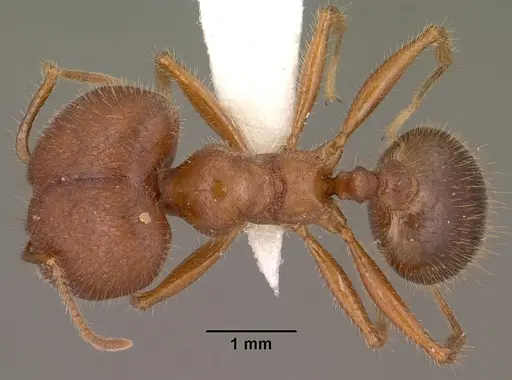
CASENT0102887
View on AntWeb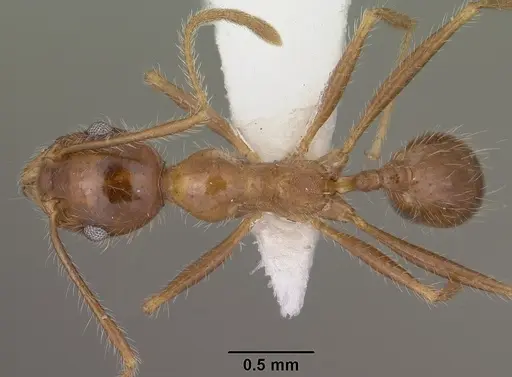
CASENT0105650
View on AntWeb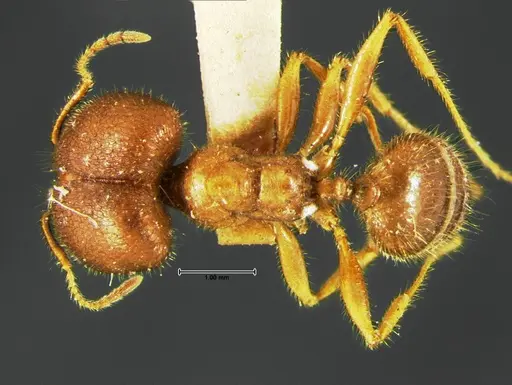
CASENT0217903
View on AntWeb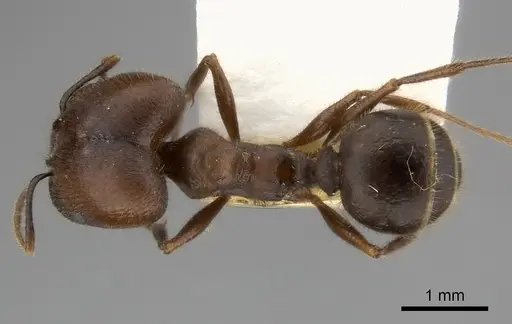
CASENT0217904
View on AntWeb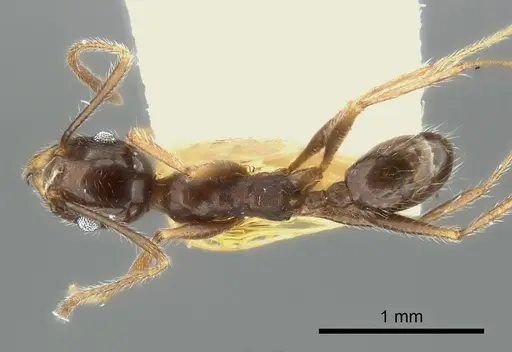
CASENT0649633
View on AntWeb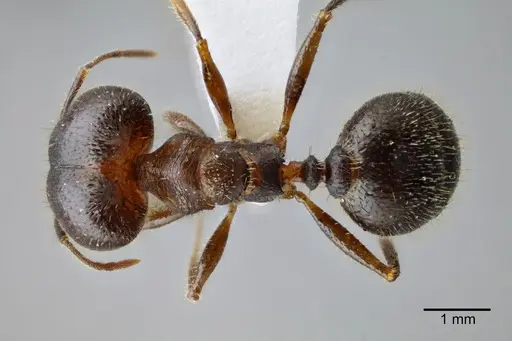
CASENT0649635
View on AntWeb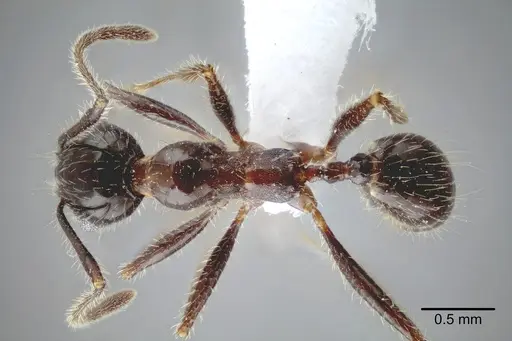
CASENT0649640
View on AntWeb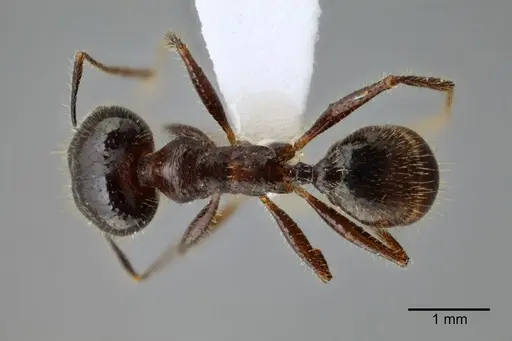
CASENT0904367
View on AntWeb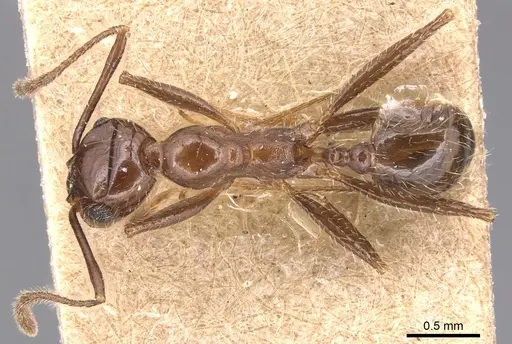
CASENT0908154
View on AntWeb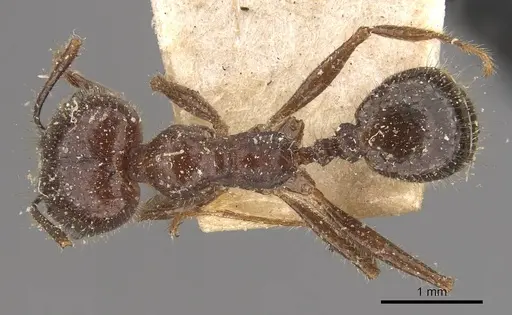
CASENT0908155
View on AntWeb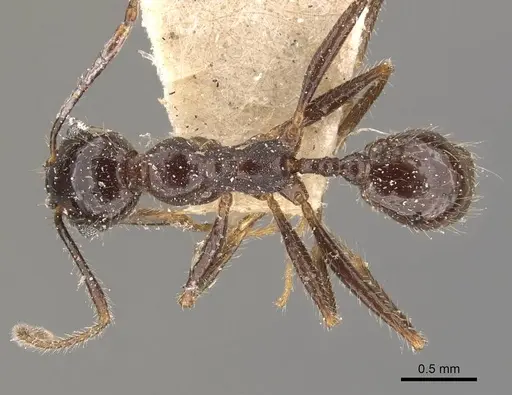
CASENT0913338
View on AntWeb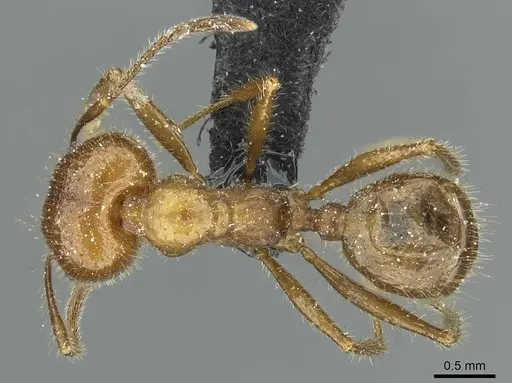
CASENT0913377
View on AntWeb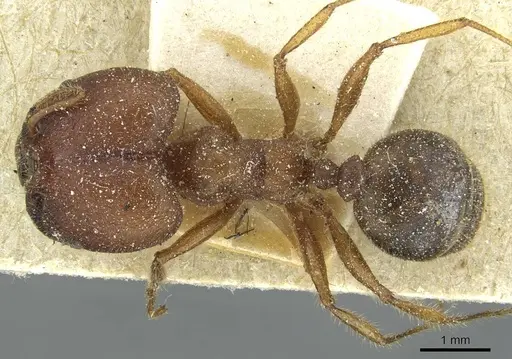
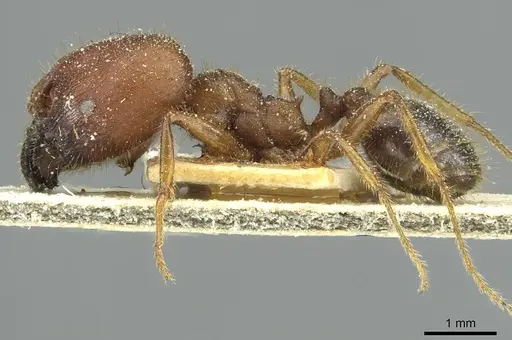
CASENT0923592
View on AntWeb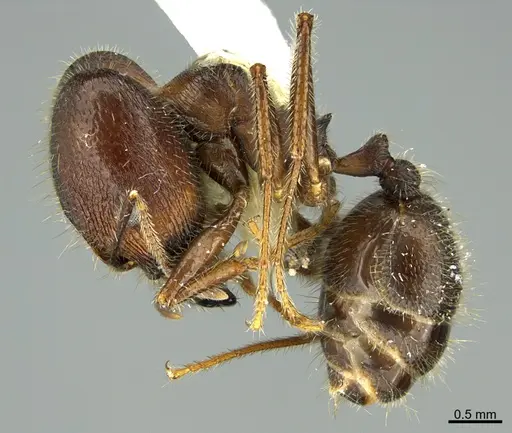
CASTYPE00647
View on AntWeb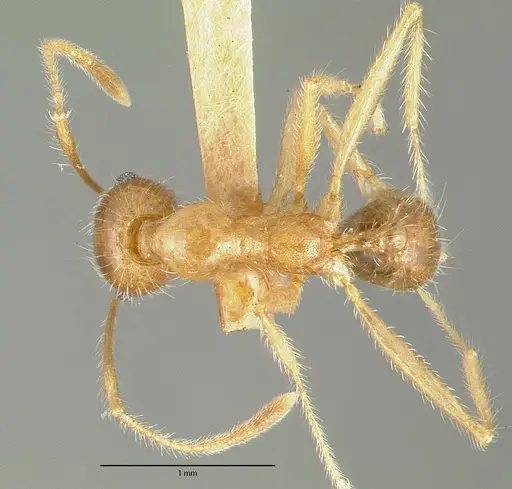
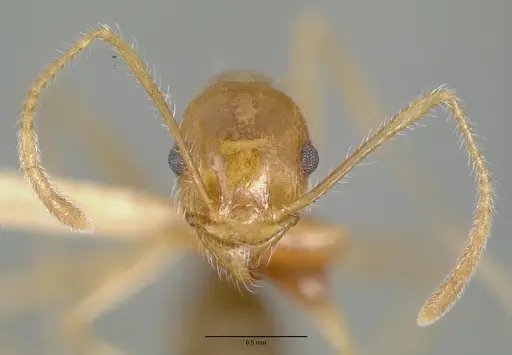

CASTYPE00649
View on AntWeb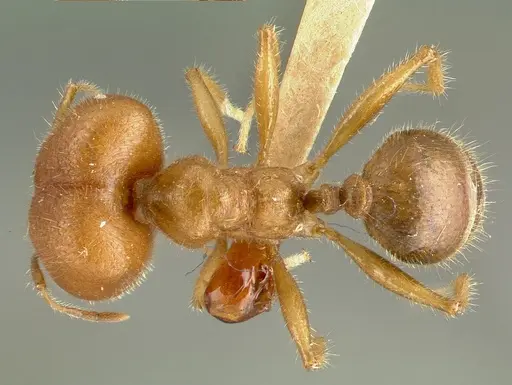

Literature
Loading...Loading products...