

Pheidole oaxacana
- Scientific Name
- Pheidole oaxacana
- Tribe
- Attini
- Subfamily
- Myrmicinae
- Author
- Wilson, 2003
- Distribution
- Found in 2 countries
Pheidole oaxacana Overview
Pheidole oaxacana is an ant species of the genus Pheidole. It is primarily documented in 2 countries , including Guatemala, Mexico. Detailed taxonomic data and occurrence records can be further explored via authoritative databases such as AntWeb or the Global Biodiversity Information Facility (GBIF).
Pheidole oaxacana
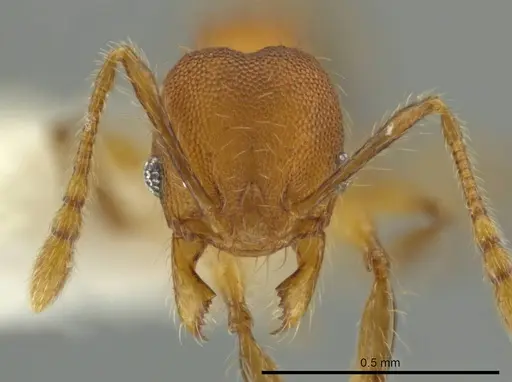
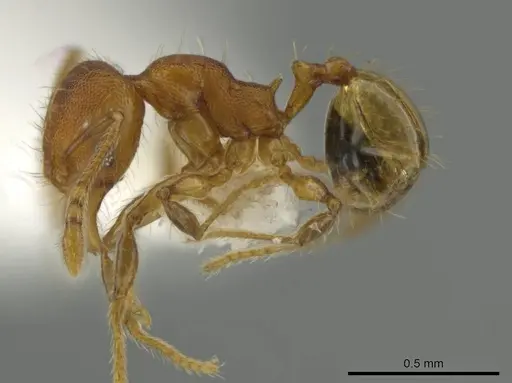
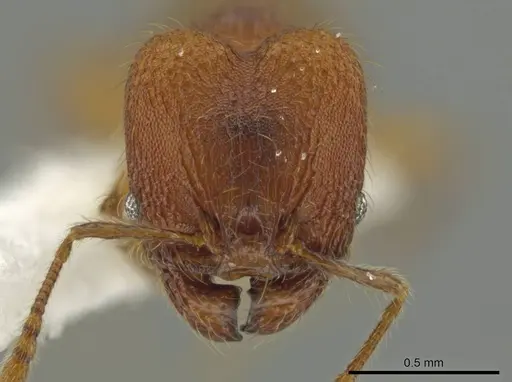
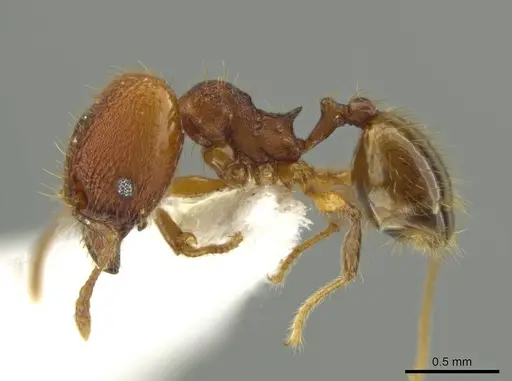
Pheidole oaxacana is a dimorphic ant species native to Mexico and Guatemala [1]. Like all Pheidole species, they have two distinct worker castes: large major workers with impressively enlarged heads, and smaller minor workers that handle most of the day-to-day tasks. The genus Pheidole is known for their granivorous (seed-eating) tendencies, though they also supplement their diet with protein from insects. These ants are tropical to subtropical in distribution, originating from the warm regions of southern Mexico and Guatemala.
Quick Summary
- Difficulty: Easy
- Origin & Habitat: Mexico and Guatemala, tropical and subtropical regions [1]. In the wild, Pheidole species typically nest in soil, under stones, or in rotting wood in forest edges and disturbed areas.
- Colony Type: Likely monogyne (single queen colonies) based on typical Pheidole genus patterns. Pheidole colonies are known for their large size once established, often reaching thousands of workers.
- Colony: Monogyne
- Founding: Claustral
- Size & Growth:
- Queen: Estimated 7-9mm based on typical Pheidole queen dimensions
- Worker: Minor workers: 2-3mm, Major workers: 4-6mm based on typical dimorphic Pheidole morphology
- Colony: Likely 2,000-5,000 workers at maturity based on genus patterns
- Growth: Fast, Pheidole colonies grow rapidly once established
- Development: Estimated 6-8 weeks at optimal tropical temperatures (24-28°C) based on genus-level data (Development is faster in warmer conditions. First workers (nanitics) are typically minor workers.)
- Antkeeping:
- Temperature: Keep at 24-28°C (warm, tropical conditions). A heating cable on one side of the nest creates a gradient allowing ants to self-regulate.
- Humidity: Moderate humidity (50-70%). Keep the nest substrate slightly moist but allow some drying between waterings. Provide a water tube for drinking.
- Diapause: No, these are tropical ants that do not require hibernation. Keep temperatures stable year-round.
- Nesting: Y-tong (AAC) nests work well, or a naturalistic setup with soil and flat stones. Pheidole prefer tight, secure chambers. Avoid overly large open spaces.
- Behavior: Generally peaceful but majors can deliver a mild bite if threatened. They are active foragers with majors specializing in seed processing and defense. Escape prevention is important, use fine mesh barriers as they can squeeze through small gaps. They are primarily nocturnal or crepuscular foragers.
- Common Issues: colonies can outgrow small setups quickly, upgrade nest size proactively, tropical species require consistent warmth, cold drafts can stress or kill colonies, major workers are clumsy in narrow tubing and may get stuck, use appropriately sized connections, wild-caught colonies may contain parasites, quarantine and monitor new colonies, seed-eating species need proper grit for gizzard function, provide fine sand or grit
Housing and Nest Setup
Pheidole oaxacana does well in Y-tong (acrylic) nests or naturalistic setups. For Y-tong nests, choose medium-sized chambers since these ants form large colonies. Provide a water tube connected to a cotton reservoir, Pheidole drink water regularly. For naturalistic setups, use a soil-filled container with flat stones or pieces of wood for cover. The nest area should be dark and secure. Connect to an outworld (foraging area) with tubes wide enough for major workers to pass through comfortably.
Feeding and Diet
Pheidole oaxacana is omnivorous with a preference for seeds. Offer commercial ant seeds (grass seeds, millet, flax) which majors will process in their large mandibles. Supplement with protein sources: small insects like fruit flies, pinhead crickets, or mealworm pieces. Sugar water or honey can be offered occasionally but seeds should be the staple. Remove uneaten seeds if they develop mold. Feed every 2-3 days, adjusting based on colony consumption.
Temperature and Heating
As a tropical species from Mexico and Guatemala, keep these ants warm. Maintain temperatures between 24-28°C. Use a heating cable placed on top of the nest (not underneath to avoid drying) to create a gentle warmth gradient. Room temperature may be sufficient if your home stays above 24°C, but monitor colony activity, if workers seem sluggish, add heating. Avoid temperature drops below 20°C as this can stress or kill the colony.
Colony Growth and Development
Pheidole colonies grow quickly once the first workers (nanitics) emerge. The queen will lay eggs continuously as the colony grows. Expect rapid expansion through the first year. Major workers appear as the colony reaches several hundred workers, these are specialized for seed processing and colony defense. A mature colony can reach several thousand workers. The dimorphic caste system means majors become more prominent as the colony matures.
Behavior and Temperament
These ants are generally calm and not aggressive toward keepers. Major workers have powerful mandibles and can deliver a mild pinch if handled roughly, but they are not prone to attacking. They are most active during evening and night hours. Workers communicate through chemical trails when finding food. The colony will establish clear foraging patterns. Escape prevention is important, while not the smallest ants, they can still squeeze through gaps in lids.
Frequently Asked Questions
How long does it take for Pheidole oaxacana to produce first workers?
Expect first workers (nanitics) in about 6-8 weeks after the queen lays eggs, assuming temperatures around 24-28°C. Development is faster in warmer conditions and slower if kept cool.
What do I feed Pheidole oaxacana?
Their diet should be seed-based: commercial ant seeds, grass seeds, millet, or flax work well. Supplement with small insects (fruit flies, pinhead crickets, mealworm pieces) for protein. Occasional sugar water or honey is accepted but seeds are the staple.
Can I keep multiple queens together?
Pheidole are typically single-queen (monogyne) species. Combining unrelated queens is not recommended as they will likely fight. Only one queen per colony is advised.
What temperature do Pheidole oaxacana need?
Keep them warm at 24-28°C. These are tropical ants that do not tolerate cool temperatures. A heating cable or mat can maintain proper temperatures.
Do Pheidole oaxacana need hibernation?
No. As tropical ants from Mexico and Guatemala, they do not require hibernation or winter cooling. Keep temperatures stable year-round.
How big do Pheidole oaxacana colonies get?
Mature colonies can reach 2,000-5,000 workers. They are fast-growing and can expand rapidly through the first year of establishment.
When should I move my colony to a formicarium?
Keep founding colonies in a test tube setup until they have 30-50 workers. Move to a larger nest (Y-tong or naturalistic) when the test tube becomes crowded or the colony shows signs of needing more space.
Are Pheidole oaxacana good for beginners?
Yes. They are considered easy to keep, they are resilient, accept a wide variety of foods, and grow into impressive colonies. Their seed-based diet is low-maintenance once established.
Why are my major workers staying in the nest?
This is normal. Major workers are specialized for seed processing and colony defense, not routine foraging. Minor workers handle most outside tasks. You will see majors when processing seeds or if the colony is threatened.
References

This caresheet is licensed under CC BY-SA 4.0 .
CASENT0612754
View on AntWeb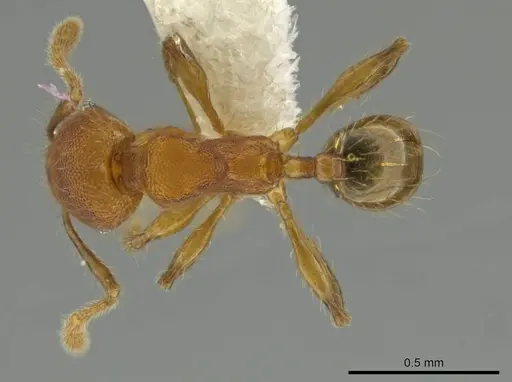
CASENT0612755
View on AntWeb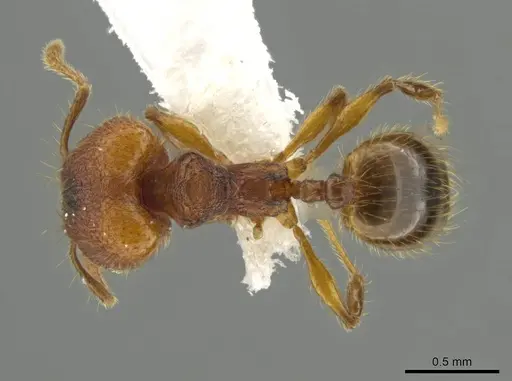
Literature
Loading...Loading products...