

Pheidole nuculiceps
- Scientific Name
- Pheidole nuculiceps
- Tribe
- Attini
- Subfamily
- Myrmicinae
- Author
- Wheeler, 1908
- Distribution
- Found in 1 countries
Pheidole nuculiceps Overview
Pheidole nuculiceps is an ant species of the genus Pheidole. It is primarily documented in 1 countries , including United States of America. Detailed taxonomic data and occurrence records can be further explored via authoritative databases such as AntWeb or the Global Biodiversity Information Facility (GBIF).
Pheidole nuculiceps
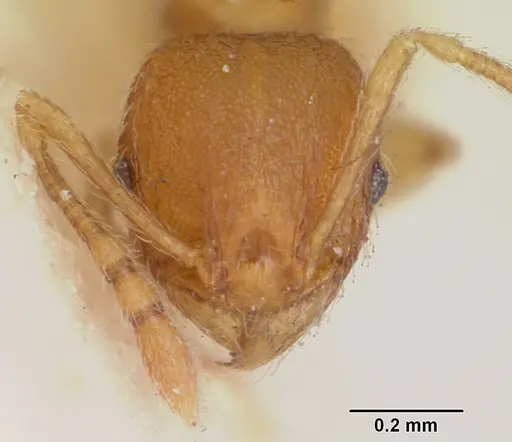
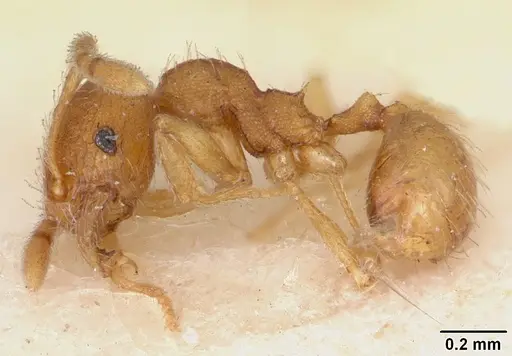
Pheidole nuculiceps is a small ant species native to the southern United States and northern Mexico. Majors measure around 0.78mm head width while minors are approximately 0.44mm. The body is a uniform light reddish yellow (often described as orange), with slightly lighter yellow appendages. This species belongs to the flavens group and can be identified by the parallel longitudinal carinulae covering the major's head surface. As a Pheidole species, they have distinct major and minor worker castes, majors have larger heads for seed-crushing and defense. The species is only known from type specimens collected in Texas and a few Mexican states, making it one of the least studied North American ants [1][2].
Nothing is known about the specific biology of this species in the wild. However, like other Pheidole species, they likely nest in soil or under stones in warm, semi-open habitats. The flavens group species tend to be generalist foragers that can exploit both liquid carbohydrates and protein sources. This species represents an opportunity for antkeepers to document new observations about a rarely studied North American native [3].
Quick Summary
- Difficulty: Medium
- Origin & Habitat: Southern United States (Texas) and northern Mexico (Nuevo León, Tamaulipas). Found in diverse habitats including Pine-Oak-Arbutus forest, secondary vegetation, and xerophilous shrubland [3][4]. The type locality is New Braunfels, Texas [2].
- Colony Type: Unconfirmed colony structure. Most Pheidole species are monogyne (single queen), but colony type has not been documented for this specific species [1].
- Size & Growth:
- Queen: Undocumented, no queen specimens have been described. Based on genus patterns, likely 5-7mm.
- Worker: Major: 0.78mm HW. Minor: 0.44mm HW.
- Colony: Unknown, no colony size data exists for this species.
- Growth: Unknown, no development data exists. Estimated as moderate based on genus patterns.
- Development: Unconfirmed. Based on similar Pheidole species, estimate 6-8 weeks at optimal temperature (around 24-27°C). (No direct development data exists for this species. Estimates based on genus-level patterns for Pheidole in warm climates.)
- Antkeeping:
- Temperature: Keep around 24-27°C. This species comes from warm temperate to subtropical regions of Texas and Mexico, so they need moderate warmth. A heating cable on one side of the nest creates a suitable gradient. Room temperature may suffice in warmer homes [1].
- Humidity: Moderate humidity around 50-70%. Provide a moist test tube water reservoir and allow the nest to dry partially between rehydrations. Avoid waterlogging. These ants are not dependent on extremely wet conditions like some tropical species [1].
- Diapause: Likely yes. Pheidole species from temperate regions typically require a winter rest period. Keep at 10-15°C for 2-3 months during winter. Do not feed during diapause but ensure water is available [1].
- Nesting: Ground-nesting species. In captivity, test tubes work well for founding colonies. Once established (50+ workers), a Y-tong or plaster nest with narrow chambers suits their size. Provide a small outworld for foraging. Avoid tall open spaces, they prefer tight, enclosed chambers [1].
- Behavior: Generally peaceful and not aggressive toward keepers. Like other Pheidole, they have distinct caste behaviors, minors handle most foraging and brood care while majors defend the nest and help process larger food items. They are active foragers, primarily at night and during cooler parts of the day. Escape prevention is important, while not among the smallest ants, they can still squeeze through small gaps. Use standard barrier methods (Fluon on glass, tight-fitting lids). majors can deliver a mild sting if threatened, though this is rarely significant for keepers [1].
- Common Issues: no documented biology means care is based on genus inference, results may vary, colonies may be slow to establish due to unknown founding requirements, winter diapause is likely required but timing and duration is unconfirmed for this species, escape prevention should still be practiced despite their moderate size, wild-caught colonies may carry parasites or diseases since nothing is known about their health in captivity
Nest Preferences and Housing
Pheidole nuculiceps is a ground-nesting species that likely prefers soil or underground chambers. For captive care, start with a simple test tube setup for founding colonies. Use a test tube with a water reservoir sealed with a cotton plug, this provides humidity without flooding. The colony should be kept in a dark, quiet location during the founding stage. Once the colony reaches 50+ workers, you can transition to a more elaborate setup. Y-tong (acrylic) nests work well for Pheidole because they provide narrow, enclosed chambers that match this ant's preferences. Plaster nests are another good option as they allow you to control moisture levels. Avoid naturalistic setups with large open spaces, these ants feel safer in tight, enclosed areas. Always provide an outworld (foraging area) connected to the nest so workers can travel to collect food [1].
Feeding and Diet
Pheidole species are generalist feeders that accept both carbohydrates and protein. For carbohydrates, offer sugar water, honey, or diluted maple syrup. Change these every 2-3 days to prevent mold. For protein, they accept most small insects including fruit flies, pinhead crickets, mealworms, and waxworms. Feed protein 2-3 times per week, adjusting based on colony size and consumption. Pheidole majors have specialized large heads for seed processing, so they may accept small seeds or grain pieces, this is optional but many keepers report success. Remove uneaten prey after 24-48 hours to prevent mold and pest issues. Fresh water should always be available. Since nothing specific is known about this species' diet, start with standard Pheidole foods and observe what your colony prefers [1].
Temperature and Seasonal Care
This species comes from Texas and northern Mexico, which experience warm summers and mild winters. Keep the nest area at 24-27°C during the active season (spring through fall). A small heating cable placed on one side of the nest creates a temperature gradient that lets ants choose their preferred zone. During winter (roughly November through February in the Northern Hemisphere), they will likely enter a diapause period. Reduce temperature to 10-15°C and stop feeding entirely. Keep water available but reduce humidity during this period. Do not feed during diapause as ants will not consume food and it will only mold. In spring, gradually warm the colony back to active temperatures and resume feeding. If your room temperature stays above 20°C year-round, the colony may remain active but monitor for signs of stress [1].
Behavior and Colony Dynamics
Pheidole nuculiceps has the characteristic major/minor worker caste system common to all Pheidole species. Minor workers handle most daily tasks: foraging, brood care, and nest maintenance. Major workers have enlarged heads with powerful mandibles designed for seed-crushing and nest defense. When threatened, majors will defend the colony but these ants are not considered aggressive toward keepers. Workers are primarily nocturnal or crepuscular, becoming most active during cooler hours. They forage individually rather than in organized trails. The colony will grow over several years, expect slow growth in the first season following founding, then accelerating growth once the first major workers emerge. Colonies may live for several years with proper care [1].
Observing an Understudied Species
Pheidole nuculiceps represents an exciting opportunity for antkeepers because so little is known about its biology. Every observation you make adds to our collective knowledge. Keep notes on founding behavior, worker development timelines, food preferences, temperature tolerance, and any unique behaviors. Take photos and share findings with the antkeeping community. This species may behave differently than other Pheidole you've kept, so approach care with curiosity and flexibility. If something isn't working, try adjusting conditions rather than assuming the species is difficult. The lack of documented care also means there are no established 'wrong' methods, your experiments contribute to building husbandry standards for this rarely kept species [3][1].
Frequently Asked Questions
How long does it take for Pheidole nuculiceps to produce first workers?
Unknown for this specific species. Based on similar Pheidole species, expect 6-8 weeks from egg to first worker at optimal temperature (24-27°C). The first workers will be smaller 'nanitic' workers. Patience is key during founding, do not disturb the queen or overcheck the nest [1].
Can I keep multiple Pheidole nuculiceps queens together?
Not recommended and not documented. Most Pheidole species are monogyne (single queen). Combining unrelated queens risks fighting and colony failure. If you catch a founding queen, house her alone in a test tube setup [1].
What do Pheidole nuculiceps eat?
They accept standard ant foods: sugar water or honey for carbohydrates, and small insects (fruit flies, mealworms, pinhead crickets) for protein. They may also accept small seeds. Offer a variety and see what your colony prefers. Remove uneaten food after 24-48 hours [1].
What temperature do Pheidole nuculiceps need?
Keep them at 24-27°C during the active season. They come from warm Texas/Mexico habitats and need moderate heat. A heating cable on part of the nest creates a gradient. Room temperature may suffice in warm homes [1].
Do Pheidole nuculiceps need hibernation?
Likely yes. Pheidole species from temperate regions typically require a winter rest period. Keep at 10-15°C for 2-3 months during winter, stop feeding, but maintain water availability. Reduce temperature gradually in autumn [1].
Are Pheidole nuculiceps good for beginners?
Difficulty is moderate. They are harder than common species like Lasius or Camponotus because less is known about their specific care. However, they are more forgiving than tropical or parasitic species. Expect a learning curve as you document this understudied species [1].
When should I move Pheidole nuculiceps to a formicarium?
Keep them in a test tube setup for the founding stage. Once the colony reaches 50+ workers and you see consistent activity, you can transition to a Y-tong or plaster nest. Do not rush the transition, test tubes work well for Pheidole even in later stages [1].
Why is Pheidole nuculiceps so rarely kept?
This species has never been documented in the antkeeping hobby before. It is only known from a handful of museum specimens collected decades ago. The range (Texas/Mexico) overlaps with more common species that are easier to find and study. This makes them both rare and an opportunity for dedicated keepers [2][3].
How big do Pheidole nuculiceps colonies get?
Unknown, no colony size data exists for this species. Most Pheidole colonies reach several hundred to a few thousand workers over several years. Expect moderate growth over many seasons with proper care [1].
References

This caresheet is licensed under CC BY-SA 4.0 .
CASENT0172977
View on AntWeb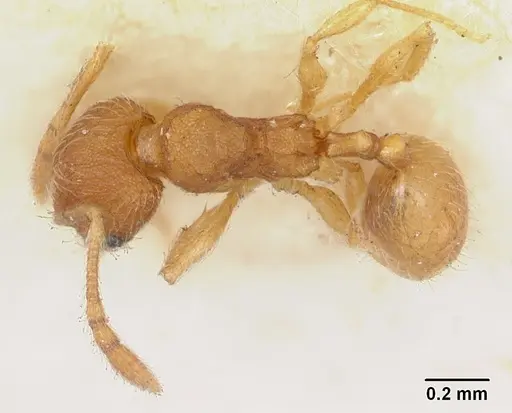
Literature
Loading...Loading products...