

Pheidole nubicola
- Scientific Name
- Pheidole nubicola
- Tribe
- Attini
- Subfamily
- Myrmicinae
- Author
- Wilson, 2003
- Distribution
- Found in 1 countries
Pheidole nubicola Overview
Pheidole nubicola is an ant species of the genus Pheidole. It is primarily documented in 1 countries , including Mexico. Detailed taxonomic data and occurrence records can be further explored via authoritative databases such as AntWeb or the Global Biodiversity Information Facility (GBIF).
Pheidole nubicola
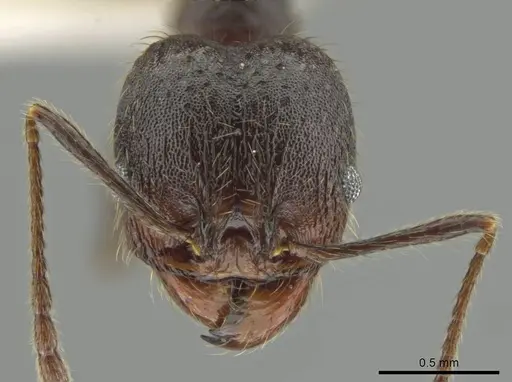
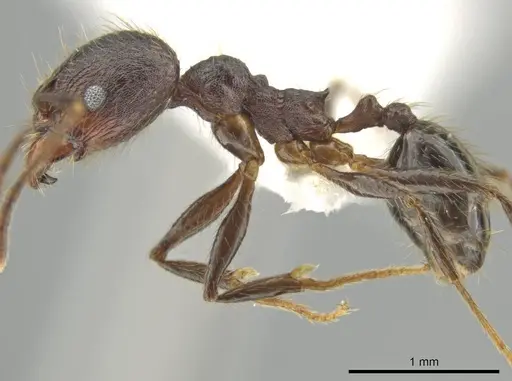
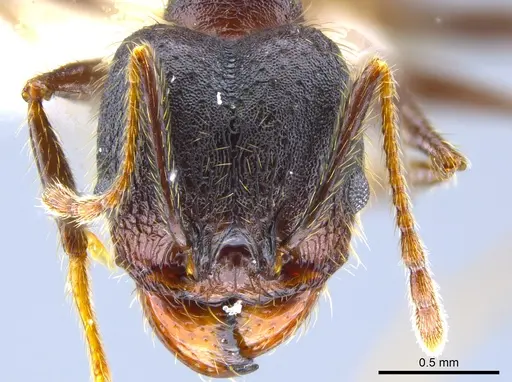
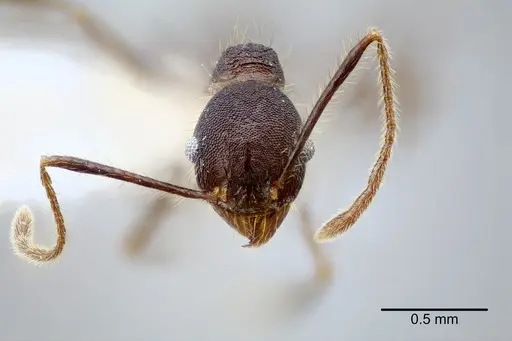
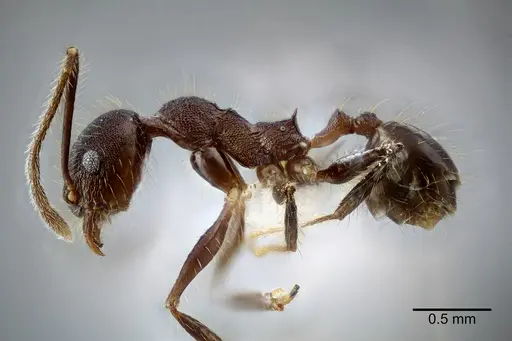
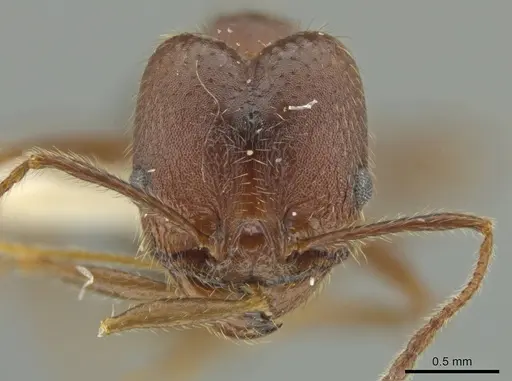
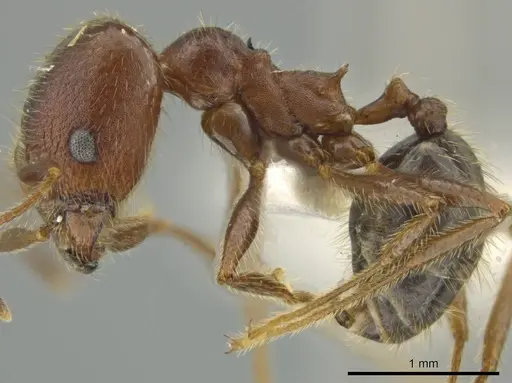
Pheidole nubicola is a small ant species endemic to the cloud forests of eastern Mexico. The name 'nubicola' means 'cloud-dweller' in Latin, referring to its mountain habitat at elevations between 1000-2000 meters [1]. This species belongs to the fallax group and is known for having two worker castes: majors with distinctive bicolored heads (dark yellow anterior portion, medium brown rear) and minors that are entirely medium brown. Majors have a head width of about 1.18mm, while minors are much smaller at around 0.64mm. The species was originally described as three separate species (P. nubicola, P. cielana, and P. petrensis) but these were later synonymized into one variable species [1].
What makes this species interesting is its adaptability, it's found in pristine cloud forest but also appears in urban green spaces, showing some tolerance to human disturbance [2]. The species is a generalist omnivore, feeding on a variety of resources including seeds, insects, and honeydew from aphids [3]. Colonies nest in rotting logs or under stones in humid hardwood forests dominated by sweetgum and hornbeam trees [4].
Quick Summary
- Difficulty: Medium
- Origin & Habitat: Endemic to eastern Mexico, found in Tamaulipas, Veracruz, Puebla, Estado de México, and Querétaro at elevations of 1000-2000m in tropical cloud forest and transitional tropical-temperate cloud forest [1][4].
- Colony Type: Single-queen colonies (monogyne), typical for the genus Pheidole. Colonies contain both major and minor workers, with majors developing from larvae that receive extra food [1].
- Colony: Monogyne
- Founding: Claustral
- Size & Growth:
- Queen: Approximately 6-7mm (estimated from genus Pheidole patterns)
- Worker: Minors: 0.64mm HW, Majors: 1.18mm HW
- Colony: Likely several hundred workers based on typical Pheidole colony sizes (estimated)
- Growth: Moderate, typical for Pheidole species
- Development: 6-8 weeks (estimated from genus Pheidole patterns at optimal temperature) (Development time is temperature-dependent. Pheidole species typically develop from egg to worker in 6-8 weeks at warm temperatures. Major workers take longer to develop than minors due to their larger size.)
- Antkeeping:
- Temperature: Keep around 20-24°C. This species comes from cloud forest at elevation, so it prefers cooler, stable conditions compared to lowland tropical ants. Avoid temperatures above 28°C. A gentle gradient allowing cooler areas is beneficial [1].
- Humidity: High humidity required, think damp forest floor. Keep the nest substrate consistently moist but not waterlogged. Provide a water tube and ensure the nest area stays humid. Mist occasionally but allow drying between waterings to prevent mold.
- Diapause: No, being a Mexican cloud forest species from relatively constant temperatures at elevation, they do not require true hibernation. However, they may slow down slightly during cooler winter months if your room temperature drops.
- Nesting: In nature they nest in rotting logs and under stones in humid forest [4]. In captivity, a naturalistic setup with soil/plaster or a Y-tong nest works well. They prefer tight chambers and appreciate multiple chambers for brood storage. Keep nesting material damp but not wet.
- Behavior: This is a non-aggressive, generalist species that forages primarily on the ground. Workers are active foragers that collect seeds, small insects, and honeydew. Majors (soldier ants) are present in established colonies and help process larger food items. They are not particularly aggressive toward keepers and rarely sting. Escape risk is moderate, workers are small but not tiny, so standard barrier methods work well. They are diurnal and show steady activity throughout the day.
- Common Issues: mold growth due to high humidity requirements, ensure proper ventilation and avoid overwatering, colonies may stagnate if kept too cool, maintain warm temperatures for growth, majors may not appear until colony reaches 50+ workers, be patient, wild-caught colonies may have parasites, quarantine and observe new colonies, overfeeding can lead to mold in the outworld, remove uneaten food promptly
Nest Preferences
In the wild, Pheidole nubicola nests in rotting logs and under stones in humid cloud forest habitat [4]. The colonies prefer locations with consistent moisture and protection from direct sunlight. In captivity, provide a nest with multiple chambers filled with damp substrate. A Y-tong (acrylic) nest with a water reservoir or a naturalistic setup with soil works well. The nesting material should hold moisture without becoming waterlogged. These ants do best with tight chambers scaled to their small size, avoid large, open spaces in the nest. A small outworld connected to the nest allows for foraging and food storage.
Feeding and Diet
Pheidole nubicola is a generalist omnivore, meaning they accept a wide variety of foods [3]. In captivity, offer protein sources like small insects (fruit flies, pinhead crickets, mealworms) twice weekly. They also readily accept sweet liquids like sugar water or honey. Pheidole ants are known seed collectors too, you can offer small seeds as enrichment. Remove uneaten food promptly to prevent mold. Fresh water should always be available. During founding, the claustral queen does not forage, she survives on stored fat reserves. Once workers emerge, they will collect food from the outworld.
Temperature and Care
This species prefers cooler temperatures than many tropical ants, reflecting its cloud forest origin at 1000-2000m elevation [1]. Keep the nest at 20-24°C, with a slight gradient if possible. Avoid temperatures above 28°C, which can stress or kill the colony. Room temperature in most homes is suitable, but you may need a heating cable on one side of the nest during winter if your room is cool. Unlike temperate species, they do not require hibernation. However, if room temperature drops significantly in winter, the colony may become less active, this is normal and they will resume normal activity when warmed. Stable temperatures produce the best growth rates.
Behavior and Temperament
These ants are peaceful and easy to handle. Workers are active foragers that search for food systematically across the outworld. The presence of major workers (soldiers) is a distinctive feature of Pheidole species, majors have larger heads and help process larger food items. They are not aggressive and rarely attempt to sting. Foraging occurs primarily during the day. Colonies establish quickly once the queen produces her first workers (nanitics). The species shows some tolerance to urban environments, having been found in green spaces within Mexican cities [2], suggesting they can adapt to varying conditions. Standard escape prevention works well, they are small but not extremely tiny.
Growth and Development
Like all Pheidole species, colonies start with a claustral queen who seals herself in a chamber and raises the first brood alone on stored body fat [1]. The first workers (nanitics) are smaller than normal workers and appear after 6-8 weeks at optimal temperature. After the nanitics emerge, the queen resumes egg-laying and the colony grows steadily. Major workers begin appearing once the colony reaches around 50 workers. Growth rate is moderate, a healthy colony can reach several hundred workers within a year under good conditions. The key to fast growth is consistent warmth (20-24°C), high humidity, and regular protein feeding.
Frequently Asked Questions
How long does it take for Pheidole nubicola to have first workers?
Expect first workers (nanitics) in about 6-8 weeks after the queen lays eggs, assuming temperatures around 22-24°C. This is typical for Pheidole species. The queen is claustral, she seals herself in and raises the first brood without leaving to forage.
What do Pheidole nubicola ants eat?
They are generalist omnivores. Offer protein (small insects like fruit flies or mealworms) twice weekly, plus constant access to sugar water or honey. They also occasionally accept seeds. Remove uneaten food promptly to prevent mold.
What temperature do Pheidole nubicola need?
Keep them at 20-24°C. This cloud forest species prefers cooler temperatures than typical tropical ants. Avoid temperatures above 28°C. Room temperature in most homes works well.
Are Pheidole nubicola good for beginners?
They are moderate difficulty, easier than some tropical species but requiring more attention to humidity than desert ants. They're peaceful, don't sting, and accept a wide variety of foods. The main challenge is maintaining proper humidity.
How big do Pheidole nubicola colonies get?
Based on typical Pheidole patterns, colonies likely reach several hundred workers. Major workers appear once the colony reaches about 50 workers.
Can I keep multiple Pheidole nubicola queens together?
No. This species is monogyne, colonies have a single queen. Combining unrelated queens is not recommended and would likely result in fighting.
Do Pheidole nubicola need hibernation?
No. Being from Mexican cloud forest at elevation, they don't require true hibernation. They may slow down slightly in cooler winter months, but this is not a necessary diapause period.
What humidity level do Pheidole nubicola need?
High humidity, keep the nest substrate consistently moist but not waterlogged. Think damp forest floor conditions. Provide a water tube and occasionally mist the outworld, but allow the nest to dry slightly between waterings to prevent mold.
When should I move Pheidole nubicola to a formicarium?
Keep them in a test tube setup for the founding stage. Once the colony reaches 50-100 workers and you see the queen regularly leaving the nest area to lay eggs in chambers, you can move them to a formicarium. A Y-tong or naturalistic setup works well.
Why are my Pheidole nubicola dying?
Common causes include: too low humidity (keep substrate damp), temperatures above 28°C (they prefer cooler cloud forest conditions), mold from overwatering, or parasites from wild-caught colonies. Check temperature and humidity first. If the colony was wild-caught, parasites are likely.
Where is Pheidole nubicola found in the wild?
This species is endemic to eastern Mexico, found in Tamaulipas, Veracruz, Puebla, Estado de México, and Querétaro at elevations of 1000-2000m in cloud forest habitat [1].
References

This caresheet is licensed under CC BY-SA 4.0 .
CASENT0640820
View on AntWeb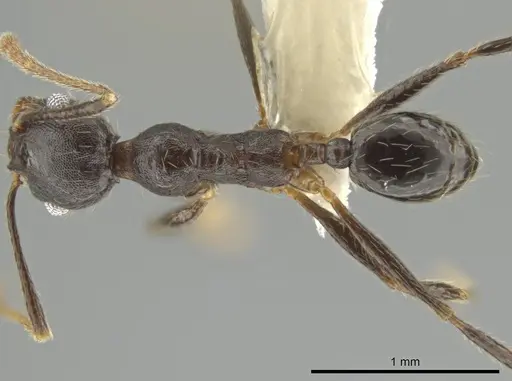
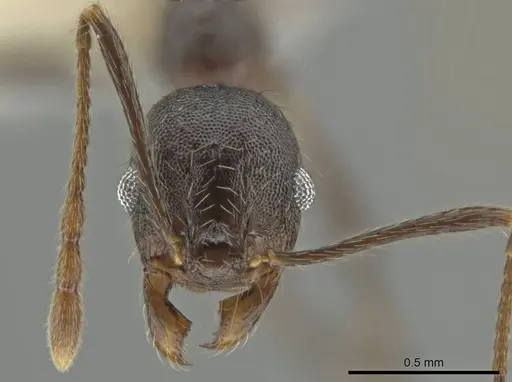
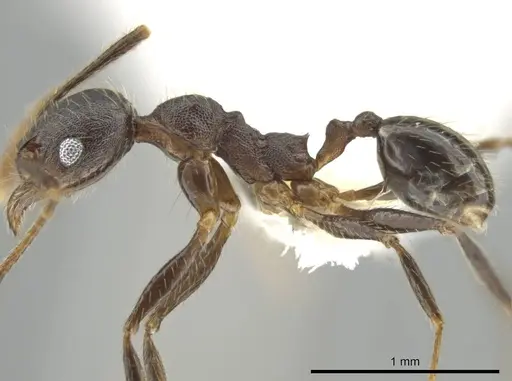
CASENT0640821
View on AntWeb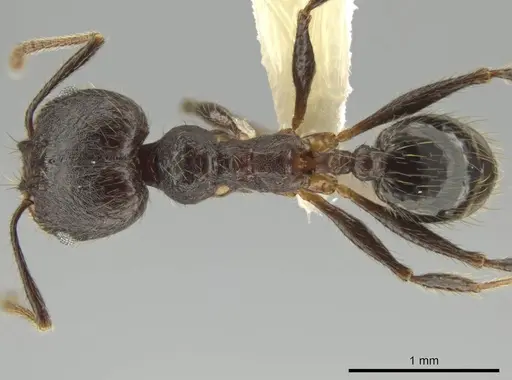
CASENT0641060
View on AntWeb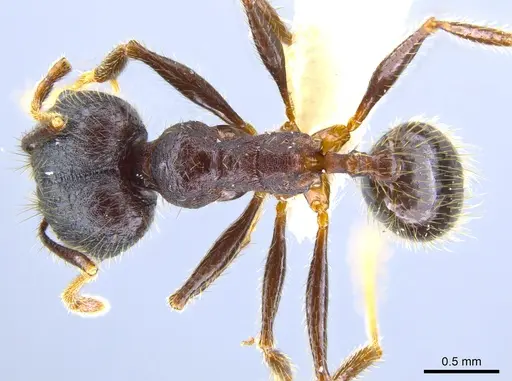
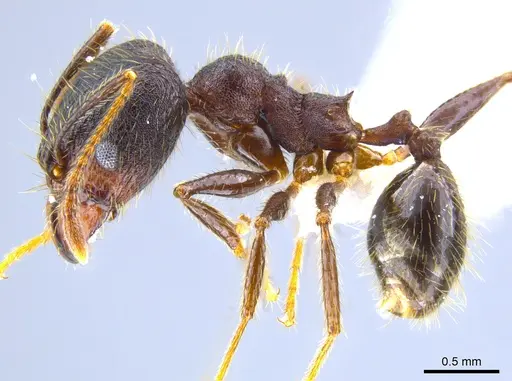
CASENT0645852
View on AntWeb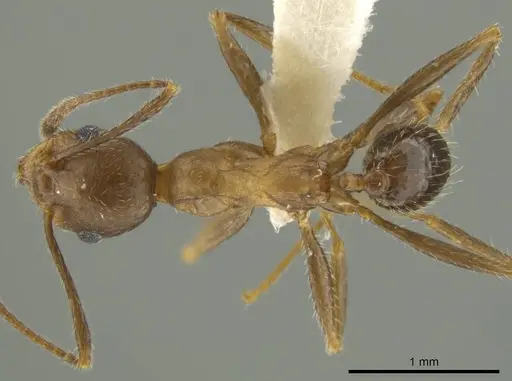
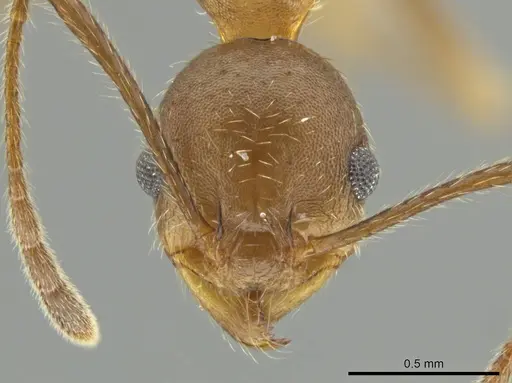
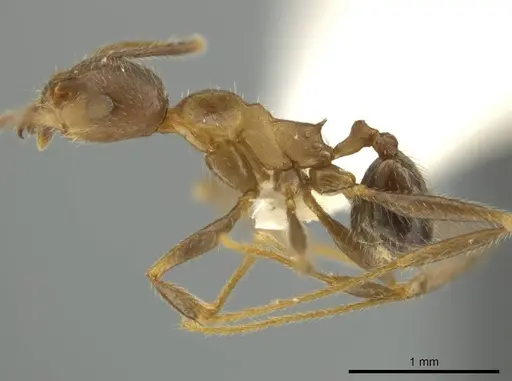
CASENT0649611
View on AntWeb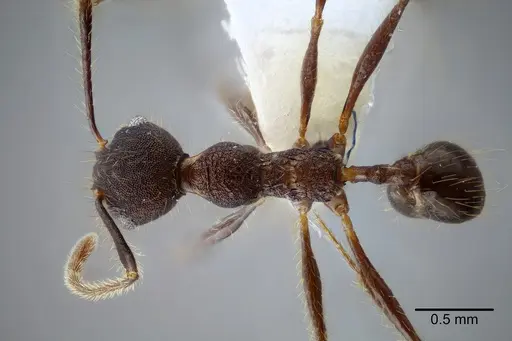
JTLC000016492
View on AntWeb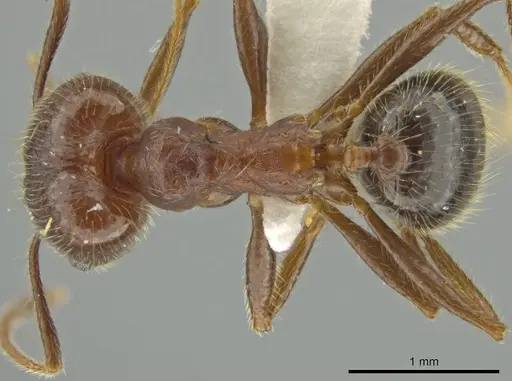
Literature
Loading...Loading products...