

Pheidole nodgii
- Scientific Name
- Pheidole nodgii
- Tribe
- Attini
- Subfamily
- Myrmicinae
- Author
- Forel, 1905
- Distribution
- Found in 2 countries
Pheidole nodgii Overview
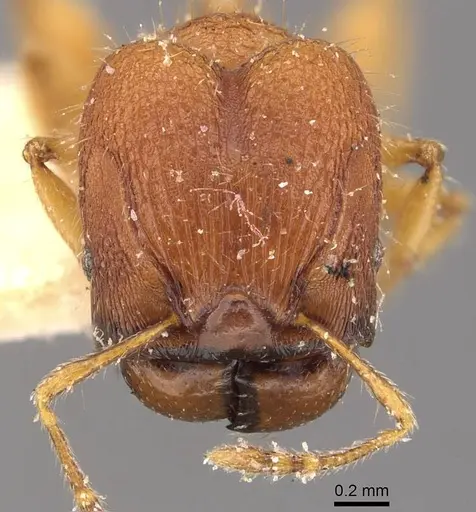
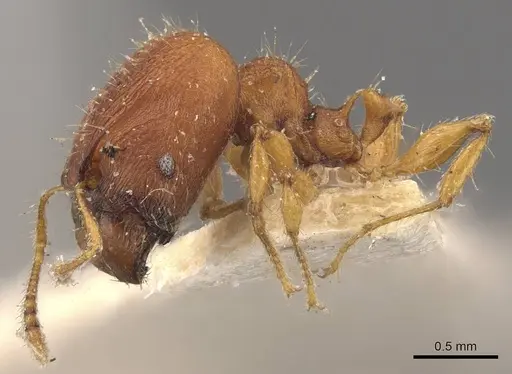
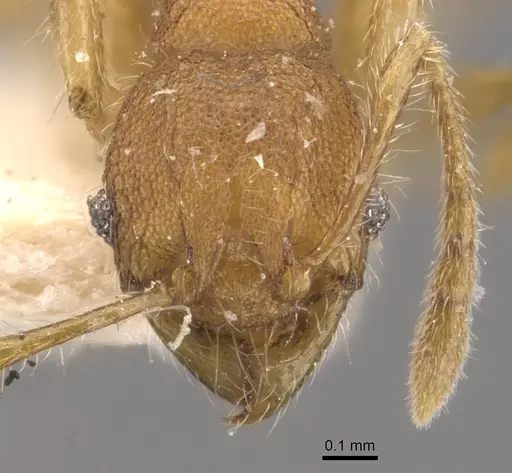
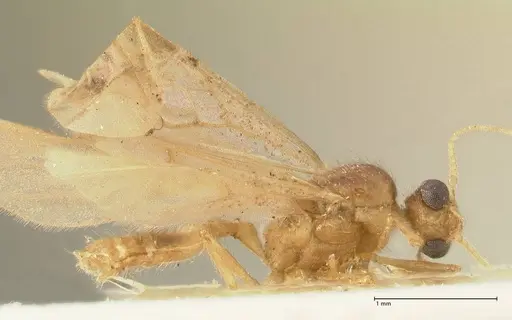
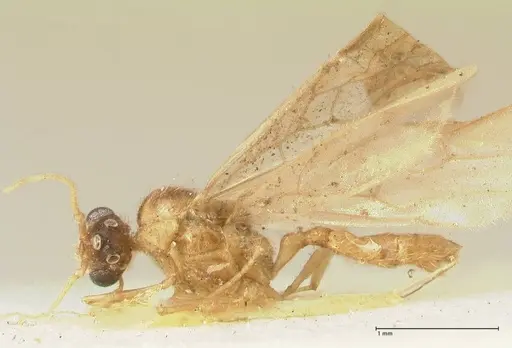
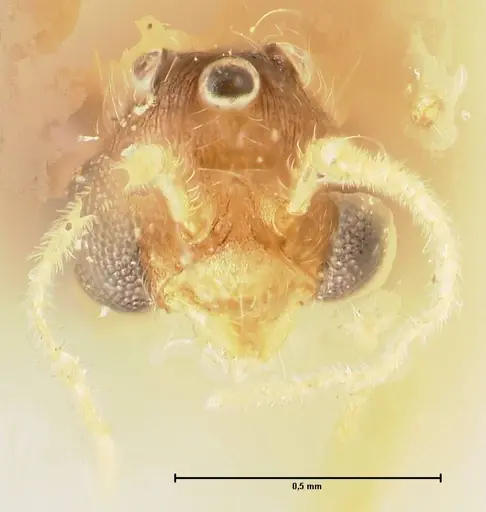
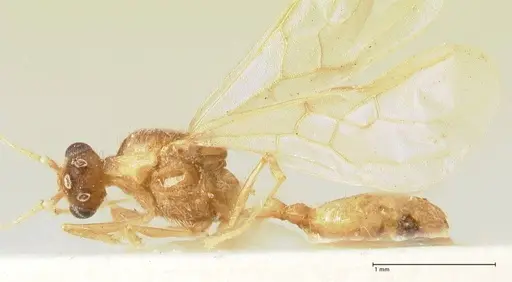
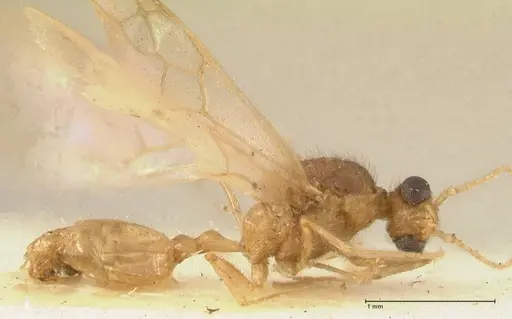
Pheidole nodgii is an ant species of the genus Pheidole. It is primarily documented in 2 countries , including Indonesia, Singapore. Detailed taxonomic data and occurrence records can be further explored via authoritative databases such as AntWeb or the Global Biodiversity Information Facility (GBIF).
Pheidole nodgii
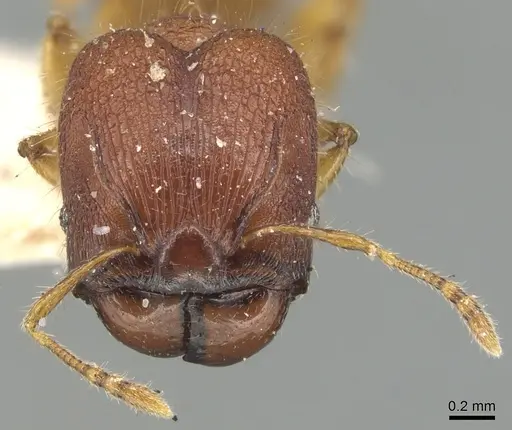
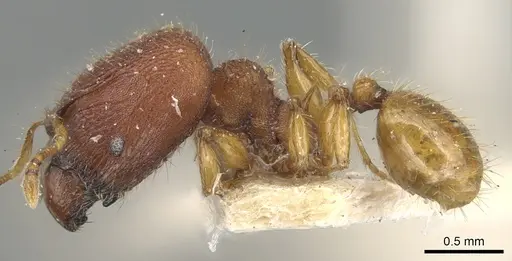
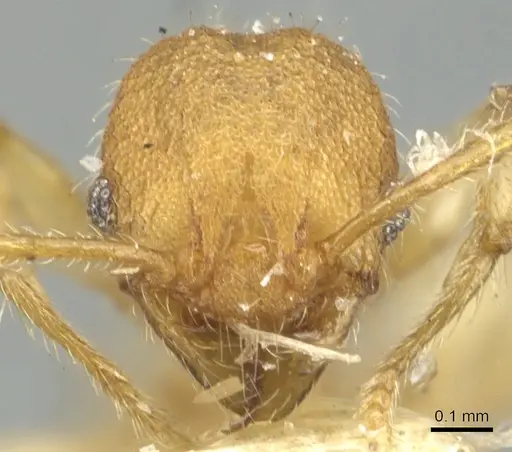
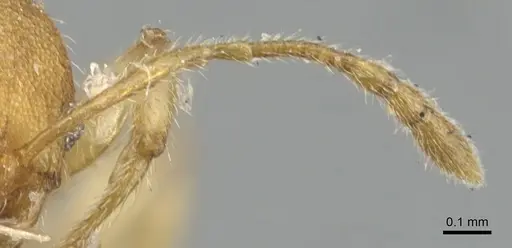
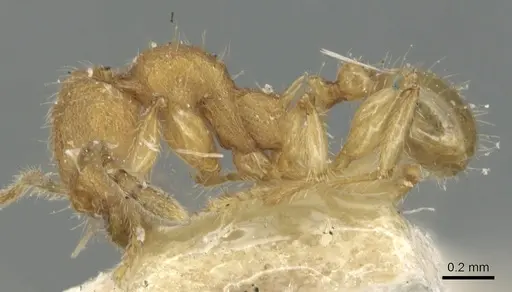
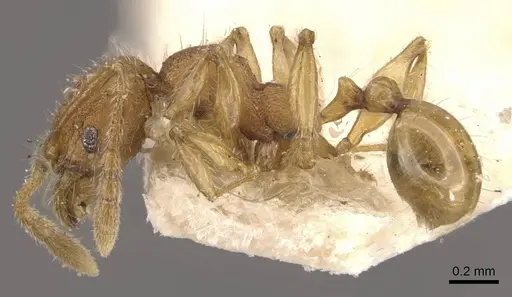
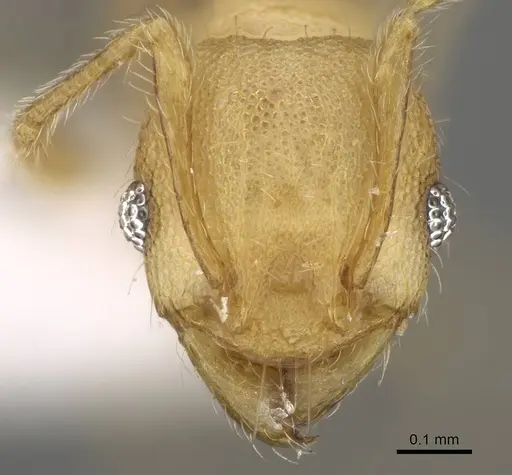
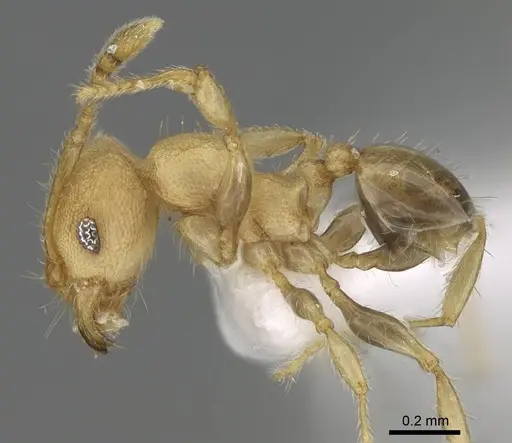
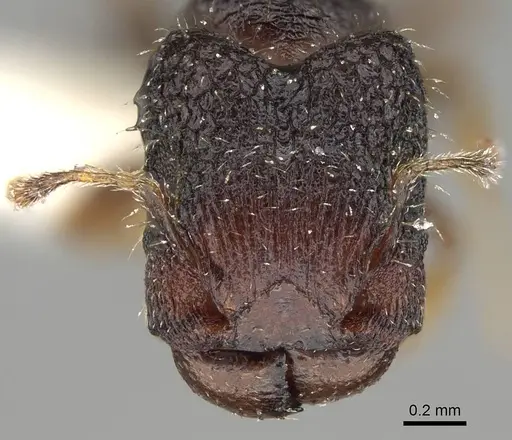
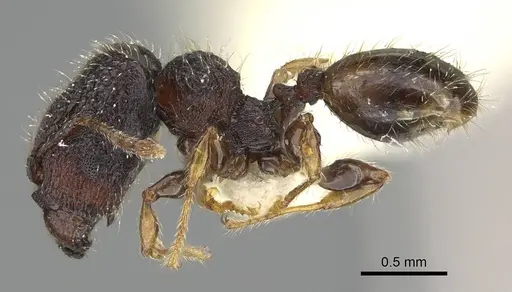
Pheidole nodgii is a small myrmicine ant native to the Indomalaya region, found primarily in Java, Indonesia and Singapore. This species belongs to the genus Pheidole, known for its distinctive two-worker caste system featuring large major workers (soldiers) with oversized heads and smaller minor workers. The major workers measure approximately 1.1mm in head width, while minor workers are around 0.5mm, making this a relatively small species in the antkeeping hobby. The species was first described by Forel in 1905 and is closely related to Pheidole magrettii and Pheidole tjibodana. A subspecies, Pheidole nodgii verlatenensis, is also recognized. Unfortunately, the specific biology and colony structure of this species remain largely undocumented in scientific literature, making confident care recommendations challenging.
Quick Summary
- Difficulty: Medium
- Origin & Habitat: Native to Java, Indonesia and Singapore in the Indomalaya region. In the wild, colonies have been found nesting under flower pots and beneath fallen trees on the ground, where they construct earthen coverings over their nesting sites [1][2]. This suggests they prefer sheltered, humid microhabitats with some soil coverage.
- Colony Type: Unconfirmed colony structure. As a Pheidole species, they likely form monogyne (single-queen) colonies, but this has not been directly documented.
- Size & Growth:
- Queen: Undocumented in available literature, estimated 6-8mm based on typical Pheidole queen size
- Worker: Major workers: 1.10mm head width (HL 1.18mm), Minor workers: 0.50mm head width (HL 0.54mm) [3]
- Colony: Unknown, typical Pheidole colonies reach several hundred to a few thousand workers
- Growth: Moderate, estimated based on genus patterns
- Development: Estimated 6-8 weeks at optimal temperature based on typical Pheidole development (Development timeline is not directly documented for this species. Estimates based on genus-level data for similar tropical Pheidole species.)
- Antkeeping:
- Temperature: Keep at 24-28°C. As a tropical species from Indonesia and Singapore, they prefer warm conditions. A gentle gradient allowing workers to self-regulate is ideal.
- Humidity: Maintain moderate to high humidity (60-80%). Their natural nesting sites under flower pots and covered ground locations suggest they prefer humid but not waterlogged conditions.
- Diapause: Unlikely, as a tropical species from near the equator, they probably do not require a diapause period. However, a slight reduction in temperature during cooler months may be beneficial.
- Nesting: Use a nest setup that retains humidity well, Y-tong (AAC) nests or plaster nests work well. The substrate should remain consistently moist but not soggy. Given their small minor worker size, ensure escape prevention is adequate.
- Behavior: Pheidole nodgii is expected to show typical Pheidole behavior: major workers primarily function as defenders and food processors, while minor workers handle forager duties. They are likely non-aggressive toward humans and do not possess a painful sting. As ground-nesting ants, they will likely accept typical Pheidole foods including protein sources (insects) and sugar water. Their small minor worker size means escape prevention must be excellent, they can squeeze through surprisingly small gaps.
- Common Issues: escape prevention is critical due to their very small worker size, lack of documented biology means care is based on genus-level estimates rather than species-specific data, humidity control is important, too dry and colonies may fail, too wet and mold becomes a problem, slow colony growth can frustrate beginners who expect rapid development, wild-caught colonies may have parasites or diseases that are difficult to identify and treat
Nest Preferences and Housing
Pheidole nodgii originates from tropical regions of Indonesia and Singapore, where colonies have been found nesting under flower pots and beneath fallen trees covered with earthen material [1][2]. This suggests they prefer humid, sheltered nesting sites with some soil coverage. In captivity, a Y-tong (AAC) nest or plaster formicarium works well for this species, as these materials hold humidity effectively while providing dark chambers for the colony. Test tube setups can work for founding queens but will need upgrading as the colony grows. Because minor workers are very small (around 0.5mm), ensure that any nest setup has excellent escape prevention, even tiny gaps that would not concern larger ants can allow these to escape. A hydration port or water reservoir that keeps the nest substrate consistently moist (but not waterlogged) is ideal.
Feeding and Diet
As a Pheidole species, P. nodgii is expected to be omnivorous like most members of this genus. They will likely accept protein sources such as small insects (fruit flies, pinhead crickets, mealworms) and sugar water or honey. In the wild, Pheidole ants are generalist foragers that collect protein, seeds, and honeydew from aphids. For captive colonies, offer protein prey 2-3 times per week and keep a constant supply of sugar water available. Major workers will help process larger prey items that minor workers cannot handle alone. Remove any uneaten prey after 24-48 hours to prevent mold issues. Given their small size, prey items should be appropriately sized, flightless fruit flies and small springtails are excellent choices for minor workers. [3]
Temperature and Seasonal Care
Being a tropical species from Java and Singapore (near the equator), Pheidole nodgii does not require hibernation or diapause. Keep the nest area at 24-28°C for optimal brood development. Room temperature within this range is acceptable, but you may need a small heating cable or mat on one side of the nest during cooler months to maintain warmth. Avoid temperatures below 20°C for extended periods as this can slow development and potentially stress the colony. Unlike temperate species, they do not need a winter cooling period. However, avoid placing the nest in direct sunlight or near heating elements that could cause temperature spikes. A stable, warm environment mimics their natural tropical conditions. [3]
Colony Development and Growth
The development timeline for Pheidole nodgii has not been directly documented, but based on typical Pheidole genus patterns, you can expect 6-8 weeks from egg to first worker (nanitic) at optimal temperature. Initial colony growth is slow, the queen will lay a small batch of eggs and the first nanitic workers may take 1-2 months to emerge. After the first workers arrive (typically 3-8 nanitics), the colony enters a growth phase where the queen's egg production increases. Major workers (soldiers) typically appear after the colony reaches 30-50 workers. Pheidole colonies can eventually grow to several hundred or even a few thousand workers over several years. Patience is essential, the first year shows relatively modest growth compared to faster-developing species.
Behavior and Temperament
Pheidole nodgii will display the characteristic two-caste system that makes Pheidole ants popular: minor workers handle foraging, brood care, and most daily tasks, while major workers serve as defenders, seed processors, and food breakers. This species is not aggressive toward keepers and does not possess a painful sting, they are considered safe to handle. Major workers may use their heads to block nest entrances when threatened. Foraging activity is typically moderate, with workers emerging to collect sugar sources and protein. They are not known to be escape artists in the traditional sense, but their tiny size means they can slip through gaps that larger ants cannot, excellent escape prevention is still essential. [3]
Frequently Asked Questions
How long does it take for Pheidole nodgii to produce first workers?
The exact timeline is unconfirmed for this species, but based on typical Pheidole development, expect 6-8 weeks from egg to first nanitic worker at optimal temperature (24-28°C). The founding phase is slow, the queen seals herself in and raises the first brood alone.
What do Pheidole nodgii ants eat?
They are omnivorous like most Pheidole species. Offer small insects (fruit flies, pinhead crickets, mealworms) as protein 2-3 times per week, and keep sugar water or honey available constantly. Minor workers will handle most foraging while major workers help process larger prey.
What temperature do Pheidole nodgii need?
Keep them warm at 24-28°C. As a tropical species from Indonesia and Singapore, they do not tolerate cool temperatures well. Room temperature within this range is ideal, with a small heating element available if needed.
Do Pheidole nodgii need hibernation?
No, they do not require hibernation. Being a tropical species from near the equator, they prefer consistent warm temperatures year-round. A slight temperature reduction during winter is acceptable but not necessary.
How big do Pheidole nodgii colonies get?
Colony size is not documented for this specific species, but typical Pheidole colonies reach several hundred to a few thousand workers over 2-4 years. Major workers appear after the colony reaches 30-50 workers.
Can I keep multiple Pheidole nodgii queens together?
This has not been documented for this species. Most Pheidole species are monogyne (single-queen), but some can be polygynous. Without specific data for P. nodgii, it is safest to start with a single queen.
Why are my Pheidole nodgii escaping?
Their very small minor worker size (around 0.5mm) means they can squeeze through tiny gaps. Check all lid seals, tubing connections, and any potential escape routes. Use fine mesh barriers if needed and ensure all connections are tight-fitting.
Is Pheidole nodgii good for beginners?
This species is rated Medium difficulty primarily because their specific biology is not well-documented, meaning care is based on genus-level estimates rather than species-specific data. They are small, non-aggressive, and have straightforward humidity and temperature needs. However, their slow growth and escape risk may challenge complete beginners.
When should I move my colony to a formicarium?
Keep founding colonies in test tubes or small setups until they reach 50-100 workers. At this point, they can be moved to a larger nest (Y-tong or plaster) with a foraging area. Ensure the new setup maintains similar humidity levels to reduce transfer stress.
References

This caresheet is licensed under CC BY-SA 4.0 .
CASENT0904237
View on AntWeb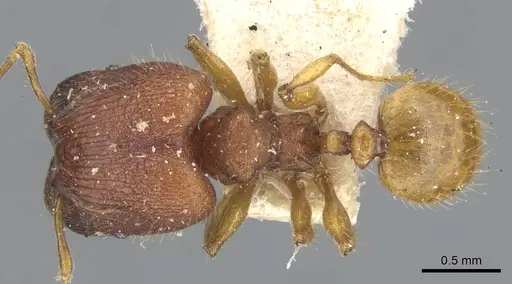
CASENT0904238
View on AntWeb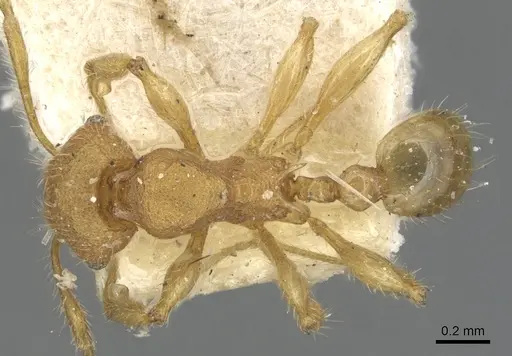
CASENT0907979
View on AntWeb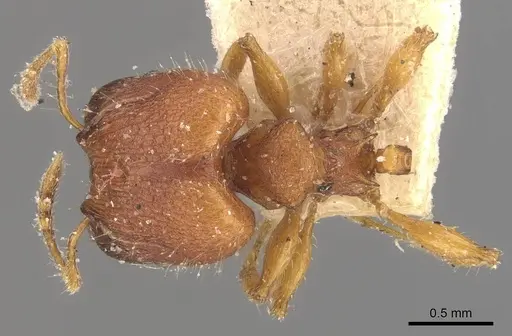
CASENT0907980
View on AntWeb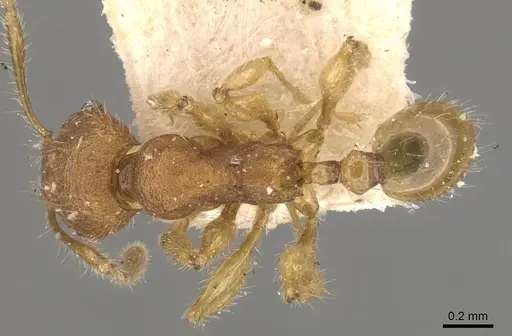
CASENT0919938
View on AntWeb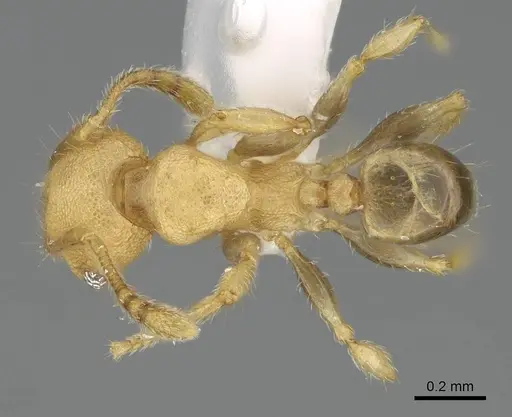
CASENT0919939
View on AntWeb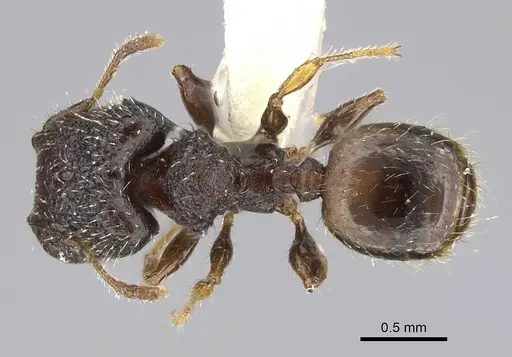
FOCOL1362
View on AntWeb
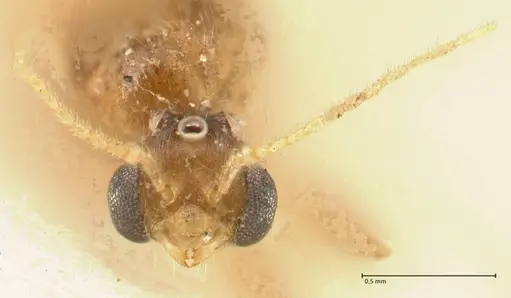
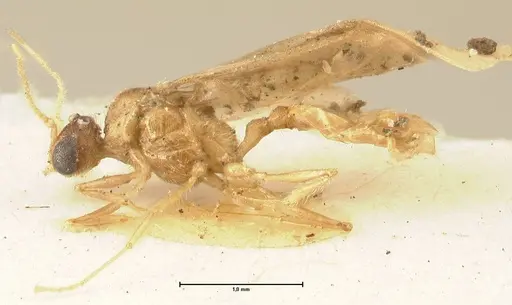
FOCOL1363
View on AntWeb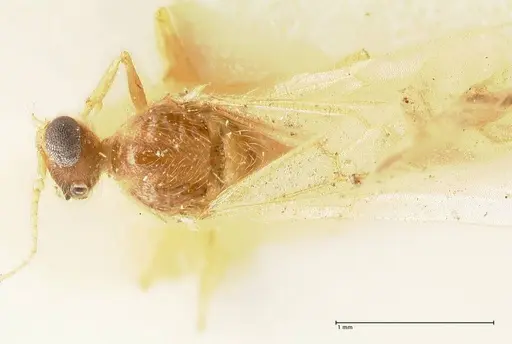
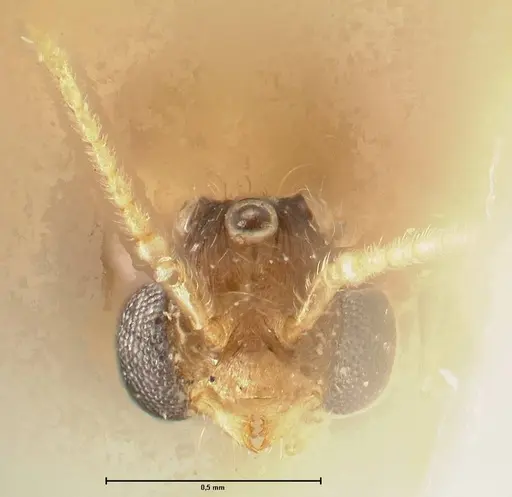
FOCOL1364
View on AntWeb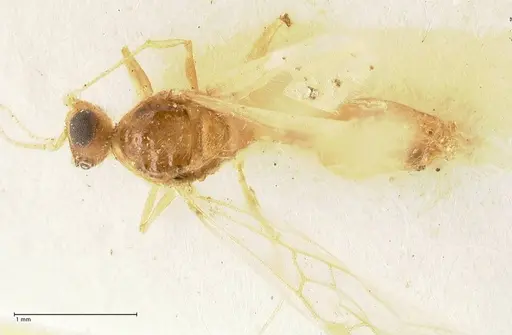
Literature
Loading...Loading products...