

Pheidole noar
- Scientific Name
- Pheidole noar
- Tribe
- Attini
- Subfamily
- Myrmicinae
- Author
- Wilson, 2003
- Distribution
- Found in 1 countries
Pheidole noar Overview
Pheidole noar is an ant species of the genus Pheidole. It is primarily documented in 1 countries , including Dominican Republic. Detailed taxonomic data and occurrence records can be further explored via authoritative databases such as AntWeb or the Global Biodiversity Information Facility (GBIF).
Pheidole noar
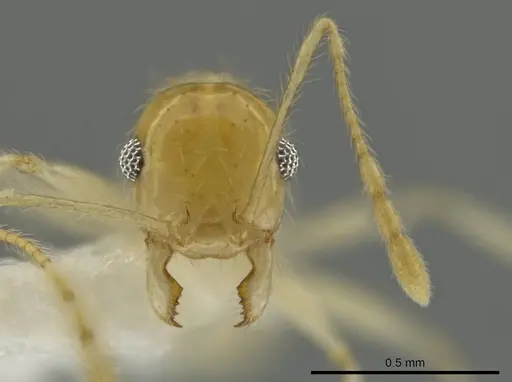
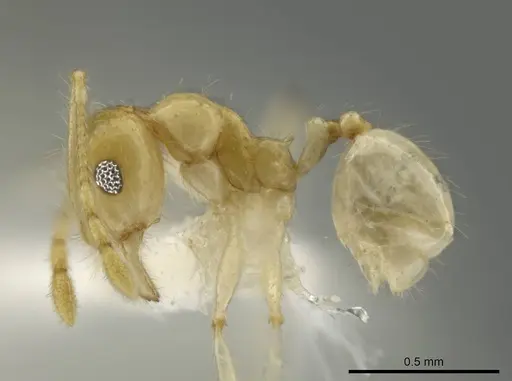
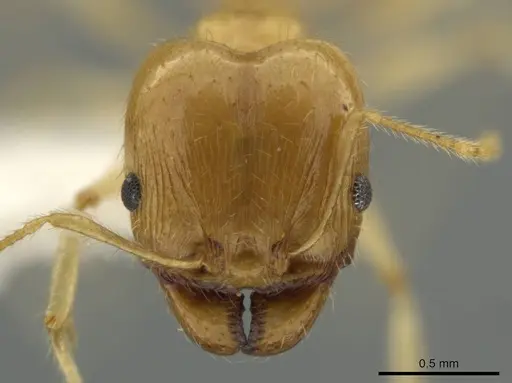
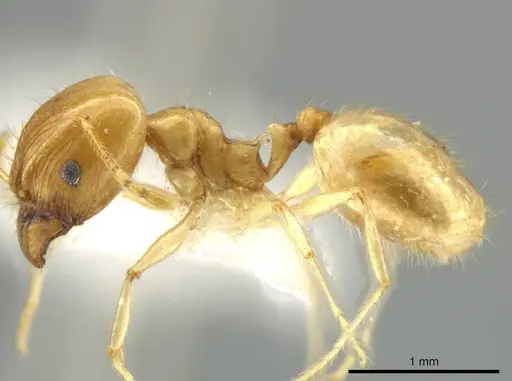
Pheidole noar is a tiny ant species endemic to the coastal desert of Cabo Rojo in the southwestern Dominican Republic. Majors measure just over 1mm in head width, while minors are exceptionally small at around 0.4mm. The entire body is a uniform pale yellow, and the species has unusually large eyes for a Pheidole, a strong indicator that this ant is nocturnal [1]. It belongs to the diligens group and was discovered by Philip S. Ward foraging on the ground in this hot, dry coastal habitat [1]. The species name 'noar' comes from Greek meaning 'phantom', referring to its pale coloration and elusive nature.
This is one of the least-studied ants in the hobby, it's only known from a single collection and has never been documented in captivity. However, being a Pheidole from a hot, dry Caribbean coastal area gives us reasonable clues about its care. The genus Pheidole is known for having major and minor workers, with majors specialized for seed-cracking and colony defense.
Quick Summary
- Difficulty: Unknown, likely Moderate based on genus
- Origin & Habitat: Endemic to Cabo Rojo, southwestern Dominican Republic, a hot, dry coastal desert at 5m elevation [1][2]
- Colony Type: Unknown for this species. Most Pheidole are single-queen colonies, but some can have multiple queens [3]
- Size & Growth:
- Queen: Not documented, estimate 4-5mm based on genus patterns
- Worker: Major: HW 1.04mm, Minor: HW 0.42mm
- Colony: Unknown, likely dozens to low hundreds based on typical Pheidole
- Growth: Unknown, estimated Moderate based on genus
- Development: Unknown, estimate 6-8 weeks based on related tropical Pheidole (No direct development data exists. Estimates based on genus-level patterns for small tropical Pheidole species.)
- Antkeeping:
- Temperature: Likely 24-30°C based on origin in hot coastal Dominican Republic. Provide a warm area around 26-28°C with a gradient [1]
- Humidity: Low to moderate, desert coastal habitat. Keep substrate relatively dry with occasional moist areas. Think arid, not rainforest [1]
- Diapause: Unlikely, being from a tropical Caribbean coast, they probably remain active year-round
- Nesting: Likely prefers dry to moderately humid nests. A Y-tong or acrylic nest with some moisture chambers would work. Given their tiny size, chambers must be appropriately scaled
- Behavior: This species is likely nocturnal based on its pale color and large eyes [1]. Pheidole are generally non-aggressive but will defend their nest vigorously if threatened. The major workers serve as soldiers for seed-cracking and colony defense. Escape prevention is critical, these are tiny ants that can squeeze through remarkably small gaps. They likely forage for seeds and small insects like other Pheidole.
- Common Issues: this species has never been documented in captivity, care is entirely estimated from genus patterns, tiny minor workers mean escape prevention must be excellent, use fine mesh barriers, no information on what foods they accept, start with standard Pheidole diet (seeds, small insects, sugar water), lack of captive data means colony development timeline is unknown, being from a hot desert area, they likely cannot tolerate cool or damp conditions
Discovery and Distribution
Pheidole noar was discovered by entomologist Philip S. Ward in 2003 while collecting in the coastal desert of Cabo Rojo in the Dominican Republic. This species is known only from this single collection location, it is endemic to this specific area [1]. The elevation of just 5 meters means it lives in a hot, near-sea-level environment. The habitat around Cabo Rojo varies from sparsely vegetated desert to scrubland forming a mosaic with coastal vegetation [1]. A male was collected with the type colony on September 9th, giving us a rough idea of when reproductive flights might occur in this region.
Identification and Appearance
This is a distinctive species within the diligens group. The most striking feature is the uniform pale yellow coloration throughout the body and appendages, this pale color, combined with unusually large eyes for a Pheidole, strongly suggests nocturnal foraging behavior [1]. Major workers have a HW of 1.04mm with a pear-shaped eye that comes to a small point at its anterior edge. The propodeal spine is about half as long as the basal propodeal face. The body is almost entirely smooth and shiny. Minor workers are tiny at just 0.42mm HW, with thin needle-like propodeal spines and a denticulate humerus. Both castes lack the carinulae (ridge-like sculpturing) typically seen in many Pheidole species.
Housing and Nesting
Since this species has never been kept in captivity, all housing recommendations are estimates based on its natural habitat and genus patterns. It comes from a hot, dry coastal desert, so aim for warm temperatures around 26-28°C with some variation. Humidity should be low to moderate, think arid conditions rather than the damp environments preferred by many tropical ants. A Y-tong or acrylic nest works well for small Pheidole, with a small water chamber on one side to provide modest humidity. Given the extremely small size of the minor workers (under 0.5mm), escape prevention is critical. Use tight-fitting lids and fine mesh barriers, these ants can squeeze through gaps you wouldn't believe possible. A test tube setup can work for founding colonies. [1]
Feeding and Diet
Like other Pheidole, this species likely has a omnivorous diet centered on seeds and small insects. Pheidole are famous for their major workers who can crack seeds that smaller ants cannot handle. In captivity, offer a mix of crushed seeds (poppy, flax, millet), small protein sources (fruit flies, small mealworms, cricket pieces), and sugar sources (honey water, sugar water). Start with small amounts and observe what gets consumed. Since they're likely nocturnal, feed in the evening and remove uneaten food after 24 hours. The desert origin suggests they may be more drought-tolerant than typical tropical ants, don't overfeed with moist foods.
Behavior and Temperament
The pale coloration and large eyes strongly indicate nocturnal activity, this is one of the most distinctive behavioral traits we can infer [1]. Pheidole are generally peaceful colony defenders rather than aggressive foragers. They will form defensive lines if their nest is threatened, with majors positioning themselves at entrances. The colony will likely show clear day/night activity cycles, expect more foraging activity in the evening and night. Major workers serve as soldiers and seed-crackers, while minors handle most foraging and brood care. These ants are not known to sting and pose no danger to keepers. However, their tiny size makes them expert escape artists.
Frequently Asked Questions
How long does it take for Pheidole noar to raise their first workers?
This has never been documented in captivity. Based on typical small tropical Pheidole, estimate 6-8 weeks from egg to worker at optimal temperature. The actual timeline could be faster or slower, you'll be discovering this through observation.
What do Pheidole noar ants eat?
No captive feeding data exists. Based on genus patterns, they likely eat seeds and small insects. Offer crushed seeds, small live or frozen prey (fruit flies, pinhead crickets), and sugar water. Start with small amounts and adjust based on what gets consumed.
Can I keep multiple Pheidole noar queens together?
This is unknown for this species. Most Pheidole are single-queen colonies, but some can have multiple queens. Do not combine unrelated foundress queens without research specific to this species.
What temperature do Pheidole noar ants need?
Based on their origin in hot coastal Dominican Republic, aim for 26-28°C. Provide a gradient so they can choose their preferred temperature. They likely tolerate higher temperatures than most ants.
Are Pheidole noar good for beginners?
This species is not recommended for beginners because it has never been documented in captivity. All care is estimated from genus patterns. If you're experienced with Pheidole species and enjoy pioneering new species in captivity, this could be an interesting challenge.
How big do Pheidole noar colonies get?
Unknown, no colony size data exists. Based on typical small Pheidole, likely dozens to a few hundred workers. They will have distinct major and minor castes.
Why are Pheidole noar so pale?
The pale yellow coloration, combined with unusually large eyes, strongly suggests nocturnal foraging. Many nocturnal desert animals are pale to reflect heat and remain camouflaged at night [1].
Do Pheidole noar need hibernation?
Unlikely. Being from a tropical Caribbean coast with year-round warm temperatures, they probably remain active throughout the year. No diapause is expected.
When do Pheidole noar have nuptial flights?
A male was collected with the type colony on September 9th [3]. This might suggest late summer flights, but one data point is insufficient to confirm timing. Nuptial flights in the Dominican Republic likely occur during warm months.
References

This caresheet is licensed under CC BY-SA 4.0 .
CASENT0645838
View on AntWeb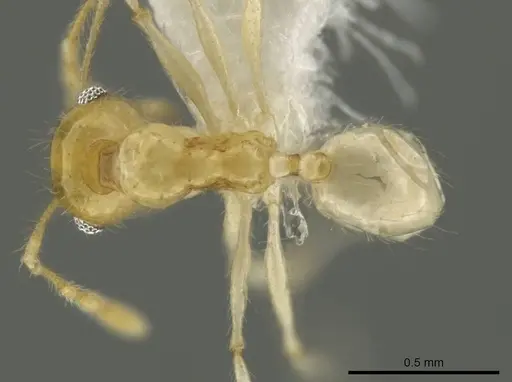
JTLC000016472
View on AntWeb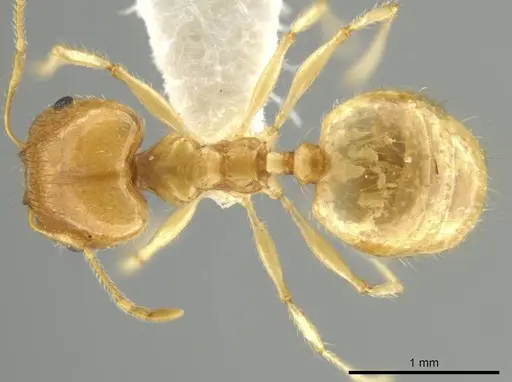
Literature
Loading...Loading products...